
Blooming
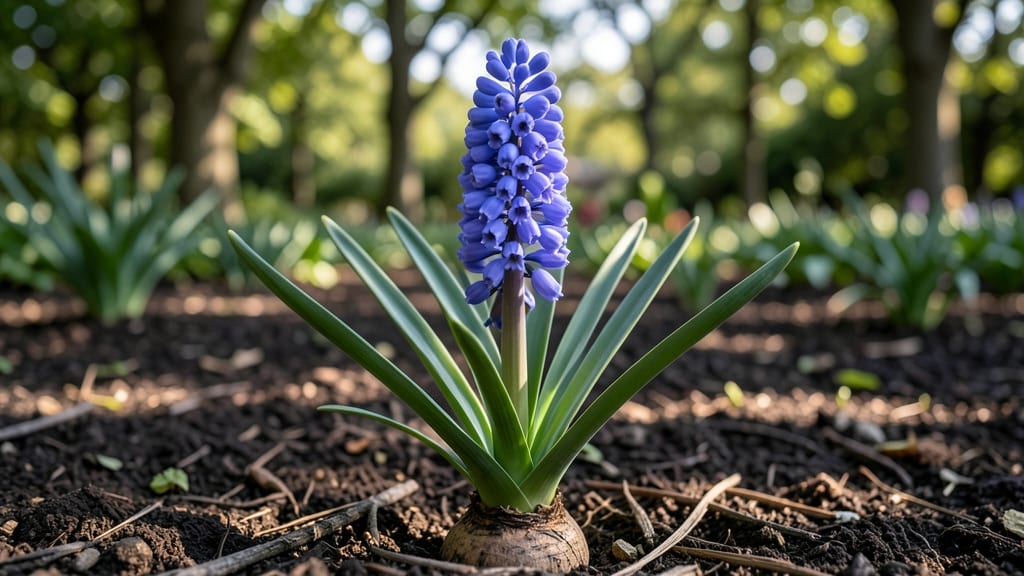
Spring blooming blue flowers steal the show when everything else is still waking up. 🌸 I’ve learned the hard way that not all blues are equal—some fade fast, while others naturalize like wildflowers, returning year after year with barely any effort.
The key is choosing the right varieties for your climate and sunlight, so you don’t end up with a one-season flash of color.
Perennial bluebells (Hyacinthoides non-scripta) are the gold standard—they spread like crazy, forming drifts of delicate bell-shaped blooms that nod in the breeze. But don’t overlook delphiniums for their towering spikes or lobelia for its trailing cascades.
Plant them in clusters where they’ll multiply, and you’ll have blue carpets that outperform annuals every spring.
Timing is everything: most blue perennials need 6-8 weeks of cool weather to bloom reliably, so aim for fall planting in zones 4-8. Pair them with white or yellow flowers to make the blue pop, and you’ll have a garden that feels like a storybook—no matter how many seasons pass.
Pro tip: Avoid over-fertilizing—these beauties thrive in average soil as long as it drains well. Once established, they’ll handle drought like champs, proving that the best gardens grow with minimal fuss. Let’s get those blue blooms spreading!
📚 In This Guide
- What you need
- Instructions
- Tips and common mistakes
- Wrapping up and next steps
What you need
- ● Bluebell bulbs (Hyacinthoides non-scripta or Hyacinthoides hispanica) – 10-20 bulbs per 10 sq. ft. (Choose certified disease-free bulbs for best results.)
- ● Well-draining garden soil – pH 6.0-7.0 (amend with compost if needed).
- ● Organic mulch (e.g., shredded bark, straw, or leaf mold) – 2-3 inches thick to retain moisture and suppress weeds.
- ● Watering can or hose with a gentle spray nozzle – For deep but infrequent watering (avoid soggy soil!).
- ● Garden gloves – To protect hands while handling bulbs.
- ● Hand trowel or bulb planter – For digging holes 6 inches deep and 3-4 inches apart.
- ● Garden fork or aerator – If your soil is compacted (loosen 6-8 inches deep).
- ● Pruners or shears – For trimming dead foliage after blooming (but leave some leaves for photosynthesis!).
- ● Soil pH test kit – To check and adjust acidity if needed.
- ○ Drip irrigation system (optional) – For low-maintenance watering in larger gardens.
- ● Sunlight – Partial shade to full sun (morning sun + afternoon shade works best in hot climates).
- ● Patience – Bulbs may take 2-3 years to fully naturalize and spread!
- ● Wildlife-friendly zone – Bluebells attract bees and butterflies—plan accordingly if you have pets!
How to establish perennial bluebells for naturalized spring blue beauty
Here's the method I trust for planting bluebells that multiply yearly and create those dreamy woodland drifts.
🌱 Step 1: Select the Perfect Planting Site
Choose a location with partial shade—think 3-6 hours of morning sun with afternoon shade protection. Bluebells thrive where summer temperatures stay below 85°F, so avoid hot, exposed spots. The soil should be moist but well-draining, mimicking their native woodland habitat.
I always test drainage first by digging a 6-inch hole, filling it with water, and watching how quickly it drains. If water pools after 30 minutes, amend the soil with compost to improve drainage. Bluebells hate soggy roots but won't tolerate dry, rocky soil either—aim for that sweet middle ground.
🌿 Step 2: Prepare the Soil for Long-Term Success
Loosen the soil to a depth of 12 inches, removing any weeds or grass that could compete for nutrients. Work in 2-3 inches of compost or well-rotted leaf mold to enrich the soil naturally. Bluebells prefer slightly acidic to neutral soil (pH 6.0-7.0), so if your soil tests higher, add sulfur according to package instructions.
I like to create small mounds about 4 inches high where I'll plant the bulbs. This slight elevation helps prevent winter waterlogging while still keeping the roots cool. The mounds also make it easier to spot where bulbs are planted when they naturalize over time.
🪴 Step 3: Plant Bulbs at the Right Depth and Spacing
Plant bluebell bulbs in early fall or late winter for best results. Dig holes 3 times deeper than the bulb's height—typically 3-4 inches deep. Space them 6-8 inches apart in clusters of 3-5 bulbs to encourage natural spreading. I plant in small groups rather than single bulbs because this mimics their woodland growth patterns and creates denser foliage.
Cover the bulbs with soil and water gently but thoroughly. The key here is to keep the soil consistently moist until the first signs of growth appear. You'll know you've planted correctly when the first narrow, grass-like leaves emerge in early spring—this means the bulbs have established roots.
☀️ Step 4: Provide Care That Encourages Naturalization
After planting, mulch with 2-3 inches of organic mulch (like shredded leaves or bark) to retain moisture and suppress weeds. Bluebells need moderate watering—about 1 inch per week—during their active growing season (spring through early summer). Once established, they're quite drought-tolerant, but young plants benefit from consistent moisture.
Here's the thing—don't fertilize in the first year. Bluebells grow best in lean soil, and too much fertilizer can actually prevent them from naturalizing. After the first year, a light application of compost in early spring is all they need. You'll know they're happy when you see new shoots appearing in unexpected places—that's how they spread!
⏰ Step 5: Maintain and Enjoy the Naturalizing Process
After the first spring bloom, allow the foliage to die back naturally. This process stores energy in the bulbs for next year's flowers. You can trim the leaves once they turn yellow, but never cut them before they've fully browned. In late summer or early fall, divide any crowded clumps by carefully lifting and separating the bulbs—this helps them spread even more.
Over time, you'll create those magical bluebell drifts that seem to appear effortlessly. The best part? Once established, they'll bloom for 10-15 years with minimal care. Just remember: patience is key. It takes 2-3 years for bluebells to reach their full naturalizing potential, but the wait is worth it for that sea of blue in spring.
Tips & tricks for perfect spring blooming bluebells
These insights will help you cultivate thriving bluebell drifts that multiply beautifully year after year.
Location Intelligence: That 3-6 hours of morning sun is critical—it provides enough light for flowering but prevents afternoon heat stress. I've found that planting near deciduous trees works perfectly: the branches provide natural shade in summer while allowing winter sun exposure. The key is avoiding areas where summer temperatures exceed 85°F, which can cause the bulbs to become dormant prematurely.
Drainage Test: The 6-inch hole test reveals everything about your site's suitability. If water drains within 10 minutes, you're golden—ideal for bluebells. If it takes longer, you'll need to create raised beds or amend with perlite. I've had success with container growing in areas with poor drainage, using a mix of potting soil and orchid bark for excellent aeration.
Planting Strategy: Those 3-4 inch deep holes might seem shallow, but remember—bluebell bulbs have long, delicate roots that need space to establish. The cluster planting method (3-5 bulbs together) creates that signature woodland effect while encouraging natural spread. I mark planting locations with small stakes before digging to ensure proper spacing—this prevents overcrowding as they multiply.
Naturalization Timeline: The 2-3 year wait for full naturalization might seem long, but this is when the real magic happens. I've seen bluebells spread aggressively after just 18 months in ideal conditions. The secret is patience—each year's foliage stores energy for next spring's blooms. You'll know you're on track when you see new shoots appearing in unexpected spots during the second spring.
Pro Tips for Spring Blooming Blue Flowers
- These insights will help you cultivate thriving bluebell drifts that multiply beautifully year after year.
- Location Intelligence: That 3-6 hours of morning sun is critical—it provides enough light for flowering but prevents afternoon heat stress.
- Drainage Test: The 6-inch hole test reveals everything about your site's suitability.
Frequently asked questions
Got questions about growing and caring for spring-blooming blue flowers?
You’re not alone! Here are some of the most common queries—and their answers—to help you cultivate a stunning, naturalized bluebell garden with confidence.
When is the best time to plant spring-blooming blue flowers?
Plant bluebells in early fall (September–October) or late winter (February–March) for the best results. This gives roots time to establish before spring blooms. If starting from seed, sow in fall—they often need cold stratification to germinate.
How long does it take for bluebells to bloom after planting?
Most bluebells take 2–3 years to reach maturity and bloom after planting. Be patient! Once established, they’ll spread happily and reward you with cheerful blue clusters for decades. Pro tip: Mulch lightly in winter to protect young plants.
Do bluebells spread aggressively? How do I control them?
Yes, bluebells are perennial spreaders via underground rhizomes. To manage growth, divide clumps every 3–4 years in early spring or fall. For contained gardens, plant in containers or use edging barriers. Warning: They’re invasive in some regions—check local guidelines!
How much water do bluebells need, and what’s too much?
Bluebells prefer moderate moisture but drain well—they hate soggy soil. Water deeply after planting, then let nature take over. Once established, they’re drought-tolerant but may skip blooming in extreme dry spells. Pro tip: Amend heavy clay soil with compost to improve drainage.
What if my bluebells aren’t blooming? Troubleshooting tips.
No blue blooms? Check these fixes:
- Too much shade: Bluebells thrive in partial shade (4–6 hours of sun). Move to a sunnier spot if needed.
- Overcrowding: Divide clumps if they’re too dense—this encourages new growth.
- Poor soil: Amend with phosphorus-rich fertilizer (like bone meal) in early spring.
- Pests: Slugs and snails may munch foliage. Use organic barriers or beer traps.
What are some blue-flowering alternatives if bluebells aren’t available?
If bluebells are hard to find, try these spring-blooming blue beauties:
- Hyacinths – Fragrant, clump-forming, and early bloomers.
- Grape hyacinths (Muscari) – Tiny, dense blue clusters; great for borders.
- Blue fritillary (Fritillaria meleagris) – Checkered blooms; loves moist soil.
- Creeping phlox – Ground cover with prolonged blue-purple blooms.
Wrapping up and next steps
Spring blooming blue flowers like perennial bluebells bring a burst of color and joy to gardens, effortlessly naturalizing and spreading year after year. Whether you’re a seasoned gardener or just starting, these hardy beauties are a low-maintenance way to transform your outdoor space into a vibrant haven. 🌸
Ready to invite more blue magic into your garden? Start small—plant a few bluebells this season and watch them multiply, creating a stunning, self-sustaining display. Happy gardening! 🌿