
Blooming
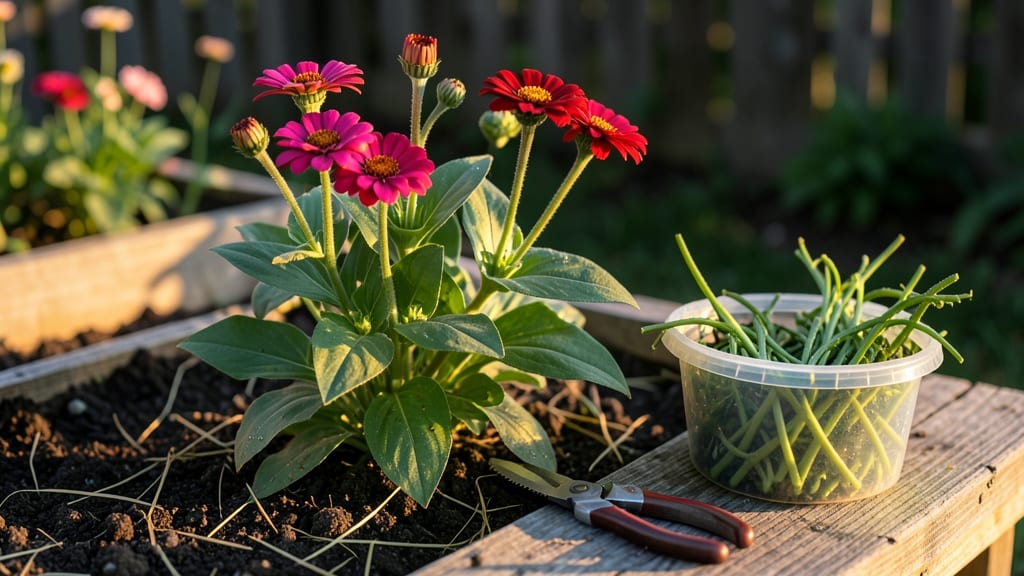
Cutting zinnias for more blooms is the secret to nonstop summer color—I’ve gone from wilting stems to buckets of fresh-cut flowers every week using just a few precise techniques.
The key isn’t just snipping; it’s knowing when and how to cut to trigger new growth, and I’ll show you exactly how to do it without sacrificing plant health. Most gardeners deadhead too late or too aggressively, which stunts their zinnias—don’t make that mistake.
Timing matters most: cut stems in the morning when they’re fully open but still firm, using clean shears or sharp scissors.
Aim for a spot just above a set of leaves or a bud (about ¼ inch above), and always make clean cuts at a 45-degree angle to prevent water from pooling.
This simple technique keeps your plants producing blooms for weeks longer than if you just let them go to seed.
After cutting, give your zinnias a quick drink of water and a light feeding with a balanced fertilizer to encourage new growth. The results? Bushier plants, longer stems, and a continuous harvest—my zinnias now last from June through frost, and the flowers stay vibrant in vases for nearly two weeks.
It’s the difference between a handful of blooms and a full-blown garden display.
This method works for all zinnia varieties, whether you’re growing them in full sun or partial shade. The only rule? Stay consistent, and your zinnias will reward you with more flowers than you know what to do with.
Ready to transform your garden into a blooming machine? Let’s get started.
📚 In This Guide
- What you need
- Instructions
- Tips and common mistakes
- Wrapping up and next steps
What you need
- ● Zinnia plants: Healthy, mature zinnias (preferably Zinnia elegans or Zinnia angustifolia) with at least 3–5 fully opened blooms per stem.
- ● Sharp pruning shears or floral scissors: 1 pair (sterilized with rubbing alcohol to prevent disease). Avoid dull blades—they crush stems!
- ● Clean, sharp knife or razor blade: 1 (for precision cuts on thicker stems).
- ● Water: 1–2 gallons in a clean bucket or vase (room temperature or slightly warm).
- ● Floral preservative: 1 packet (e.g., Floralife or homemade sugar + bleach solution—see Tips for DIY recipe).
- ● Buckets or containers: 2–3 (one for cutting, one for holding cut stems, and one for water changes).
- ● Newspaper or cardboard: 1 sheet (to protect surfaces and catch petals/debris).
- ● Hydrated floral food sticks: 1–2 (e.g., Chrysal Clear for extended vase life).
- ● Aluminum foil or copper penny: 1 small piece (to wrap stem ends and reduce bacterial growth).
- ● Rubbing alcohol (70% isopropyl): Small bottle (for sterilizing tools between cuts).
- ● Glove: 1 pair (to protect hands from thorns or sap).
- ● Timer or phone alarm: 1 (to remind you to recut stems every 2–3 days).
How to cut zinnias for continuous, long-stemmed blooms
Zinnias reward precise cutting with nonstop flowers—here's how to harvest stems that keep coming back stronger.
Wait Until Blooms Are Fully Open
Never cut a bud still in tight formation—those are your future flowers. Instead, wait until the bloom is fully open, with petals unfurling completely. You'll know it's ready when the center starts showing vibrant color (yellow, red, or purple depending on variety). This ensures the plant has already allocated energy to that bloom and will quickly produce another.
Morning is the best time to cut, as stems are hydrated from overnight watering. The first cut of the day gives you the longest stems with the least wilting. Use clean, sharp pruners or scissors—dull blades crush stems and invite disease.
Cut at the Right Angle and Node
Make your cut just above a set of leaves where the stem meets the main plant (this is called the node). The angle matters: cut at a 45-degree angle about ¼ inch above the node. This prevents water from pooling on the cut surface, which would rot the stem. You'll see small leaf clusters or buds at each node—this is where new growth emerges.
Never cut below the node, or you'll remove the growth point where future blooms develop. If you accidentally cut too low, don't panic—just make a second cut at the correct spot. The plant will still produce, though it may take a few days to recover.
Remove Spending Blooms and Side Shoots
While harvesting your main stems, take a moment to thin out the plant. Look for blooms that have fully faded or are showing brown edges—these are "spending" flowers that drain energy from new growth. Snip them off at the base with the same 45-degree cut. You'll also find small side shoots growing between the main stems; remove these unless you want bushier foliage (they compete for nutrients).
This step is where most gardeners miss out on extra blooms. I always spend 30 seconds after cutting my bouquets to clear out these energy vampires. The plant responds immediately with fresh buds within 5-7 days.
Encourage Bushier Growth with Strategic Pruning
After your initial harvest, pinch back the tips of the remaining stems to encourage branching. Find the top set of leaves where the stem is still tender and growing upward, then cut just above that point. This signals the plant to send out multiple side shoots instead of growing one long, leggy stem. Within 2-3 weeks, you'll see 2-3 new stems emerging from that spot.
For zinnias in containers, this technique is especially valuable since they have limited root space. The plant focuses energy on fewer, stronger stems rather than one weak central shoot. Watch for new growth emerging from the leaf axils—those are your future cutting stems.
Maintain Consistent Watering and Fertilizing
Zinnias are heavy drinkers, especially after cutting. Water deeply every 2-3 days until the top 2 inches of soil feel dry to the touch. In hot climates, you may need daily watering. The key is keeping the roots consistently moist without soggy soil—zinnias hate wet feet.
Feed your plants with a balanced liquid fertilizer (10-10-10 or 20-20-20) every 2 weeks during the growing season. You'll see a noticeable difference in stem strength and bloom quantity. Stop fertilizing 4-6 weeks before your first frost, as new growth won't harden off properly for winter.
Tips & tricks for perfect Zinnia harvesting
Mastering these simple techniques will transform your zinnias from one-time blooms to a continuous garden highlight.
Timing is Everything: The morning after a good watering is your golden window for cutting. Stems are fully hydrated and at their longest, which means fewer stems will need trimming later. I've found that cutting in the early morning also reduces stress on the plant—it's like giving your zinnias a fresh start to the day. If you must cut later, do it in the late afternoon to avoid the midday heat, which can wilt stems quickly.
Precision Cutting Technique: That 45-degree angle isn't just about looks—it's about survival. The angled cut increases surface area for water absorption, which is crucial for keeping stems fresh longer. I always make my cuts just above a leaf node where new growth emerges. This isn't just a technical detail; it's the difference between a plant that keeps producing and one that peters out after a few blooms. Remember, you're not just cutting flowers, you're encouraging future ones.
Beyond the Obvious: Most gardeners stop at cutting the main stems, but the real secret lies in what you don't cut. Those little side shoots between main stems? They're energy vampires sucking resources from potential blooms. Spend those 30 seconds after your main harvest to remove them—your plant will thank you with fresh buds appearing in just 5-7 days. I've seen zinnias that were nearly finished producing start blooming again like nothing happened after this step.
Container Care: Zinnias in pots need special attention after cutting. Since their root systems are more limited, they recover faster when you remove the leggy central stems and encourage branching. After your initial harvest, pinch back those upward-growing tips just above a leaf node. Within 2-3 weeks, you'll see 2-3 new stems emerging from that spot—like magic, but it's really just smart pruning. This technique works especially well for container zinnias where space is limited.
Pro Tips for Cutting Zinnias For More Blooms
- Mastering these simple techniques will transform your zinnias from one-time blooms to a continuous garden highlight.
- Timing is Everything: The morning after a good watering is your golden window for cutting.
- Precision Cutting Technique: That 45-degree angle isn't just about looks—it's about survival.
Frequently asked questions
Got questions about cutting zinnias for endless blooms?
You’re not alone! Here are the most common queries—and quick, expert-backed answers to keep your zinnias thriving.
How often should I cut zinnias to encourage more blooms?
Cut zinnias regularly—every 2–3 days if they’re in full bloom! Removing spent flowers redirects energy to new growth. For cut flowers, harvest in the cool morning hours to maximize vase life. Pro tip: Never let more than 1/3 of the blooms fade before cutting.
Do I cut the stems at a specific angle or length?
Yes! Cut stems at a 45-degree angle just above a leaf node (where leaves meet the stem). Aim for 12–18 inches for bouquets—longer stems bend under their own weight. Use sharp shears to avoid crushing stems, which shortens vase life.
What if my zinnias stop blooming after cutting?
Over-cutting or poor nutrition can stall blooms. Check these:
- Water deeply 2–3 times weekly (zinnias hate soggy soil).
- Fertilize lightly with a balanced 10-10-10 formula every 4–6 weeks.
- Ensure 6+ hours of sun—zinnias need full sun to rebloom.
Can I cut zinnias too early or too late in the season?
Timing matters! Harvest when buds are half-open (not fully bloomed) for longer-lasting cut flowers. Avoid cutting in extreme heat (above 90°F) or late fall—zinnias slow down as temps drop. In warm climates, they may rebloom year-round with consistent care.
Are there zinnias that bloom better when cut frequently?
Benary’s Giant
and Profusion Series zinnias are cutting champions—they thrive with frequent harvesting. Dwarf zinnias (like ‘Thumbelina’) are best left uncut for bushier growth. Choose heat-tolerant varieties (e.g., ‘Zahara’ or ‘Magellan’) for summer-long blooms.
What should I do if my cut zinnia stems wilt fast in water?
Wilting stems often signal air bubbles or bacterial buildup. Fix it with these steps:
- Recut stems under water at an angle.
- Use room-temperature water (cold water shocks stems).
- Add 1 tsp sugar + 2 drops bleach per quart to prevent bacteria.
- Change water every 2 days and trim stems daily.
Wrapping up and next steps
Mastering the art of cutting zinnias for more blooms is all about timing, technique, and consistency—and you’re already well on your way! 🌸 By harvesting strategically, keeping your tools sharp, and giving your plants the care they deserve, you’ll enjoy longer stems, more vibrant blooms, and a garden that keeps giving all season.
Now that you’ve got the know-how, there’s no better time to roll up your sleeves and try it yourself.
Ready to transform your garden? Start with just one plant—cut a few stems today, arrange them in a vase, and watch your confidence (and bouquets!) grow. Happy cutting! 🌺✂️