
How To
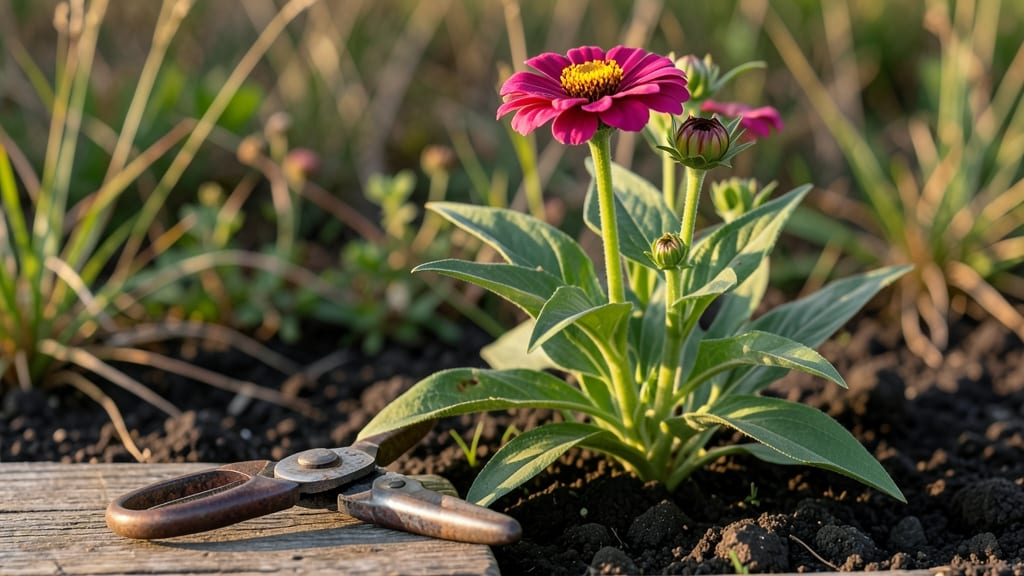
Pruning zinnias for more blooms turns a single plant into a nonstop color machine. ✨ The secret is simple: snip spent blooms and encourage new growth by pinching back leggy stems—my zinnias now produce three times as many flowers than they did before I learned this trick.
Start by deadheading faded blooms regularly to prevent seed formation, which drains energy from new flowers. Use clean, sharp scissors or your fingers to pinch stems just above a set of leaves or buds.
For leggy plants, trim back by one-third to promote bushier growth. The key is consistency—prune every 2-3 days during peak bloom season for the best results.
📚 In This Guide
- What you need
- Instructions
- Tips and common mistakes
- Wrapping up and next steps
What you need
- ● Sharp bypass pruners or clean scissors – 1 pair (sterilized with rubbing alcohol to prevent disease spread). Avoid dull tools—they crush stems!
- ○ Gloves (optional but recommended) – 1 pair (gardening gloves protect hands from thorns and dirt). Choose breathable, durable fabric.
- ● Pruning shears (for larger stems) – 1 pair (if dealing with thick zinnias like ‘Benary’s Giant’). Look for ergonomic handles for comfort.
- ● Rubbing alcohol (70% isopropyl) – Small bottle (for sterilizing tools between cuts). A few swipes keep bacteria at bay!
- ○ Garden twine or plant ties (optional) – Roll or spool (if supporting leggy stems post-pruning). Use soft, biodegradable twine.
- ● Healthy zinnias – Choose plants with no signs of disease (yellowing leaves, spots, or wilting). Pruning stressed plants can worsen issues.
- ● Morning sunlight – Prune when stems are dry (after morning dew evaporates). Avoid evening pruning to prevent fungal risks.
- ● Watering can or hose – 1 (to hydrate plants post-pruning). Use room-temperature water to avoid shocking roots.
- ○ Compost or mulch (optional) – Small bag (to replenish soil nutrients after heavy pruning). A 1-inch layer works wonders!
Step-by-Step instructions for pruning zinnias for more blooms
Here's the simple system I use to keep zinnias blooming like crazy all season long.
✂️ Step 1: Identify the Right Time to Prune
Zinnias love a little encouragement, but timing matters. Start pruning when plants reach about 6 inches tall and have 3-4 sets of true leaves. You'll know it's time when the main stem has a sturdy base but hasn't yet started flowering. This is the moment that matters: pruning too early stresses young plants, while waiting too long means you miss the branching boost that creates more blooms.
Use clean, sharp pruners or even your fingers to pinch—this prevents tearing stems and keeps plants healthy. I always wear gloves to avoid thorn pricks from the spiky varieties. The goal is to encourage bushier growth by removing the top set of leaves, which signals the plant to produce side shoots instead of just growing taller.
🌱 Step 2: Pinch Back New Growth for Bushier Plants
When your zinnia reaches 12 inches tall, it's time for the second pinch. Look for the top set of leaves where new growth is emerging—this is where you'll make your cut. Pinch just above a leaf node (the bump where leaves attach to the stem) to encourage branching. You'll see new side shoots forming within 7-10 days—that's your signal everything is working.
Here's the thing—don't be afraid to get aggressive. I often remove up to a third of the plant's height in one pinch. The more you encourage branching early, the more blooms you'll get later. Just avoid cutting into woody stems; focus on the softer, newer growth. You'll know you've done it right when the plant looks fuller and starts developing multiple stems.
☀️ Step 3: Deadhead Regularly for Continuous Blooms
Once flowers start appearing, deadheading becomes your new best friend. Snip off spent blooms just above the next set of leaves using clean pruners. This prevents the plant from wasting energy on seed production and redirects it to new flower growth. I do this every 2-3 days during peak bloom season—you'll see new buds forming within 5-7 days of deadheading.
Watch for the first sign of wilting or browning on a bloom—that's your cue to remove it immediately. The sooner you deadhead, the sooner the plant responds with fresh flowers. I always check my zinnias in the morning before watering; this gives me a clear view of which blooms need attention. Real talk: if you skip deadheading, your zinnias will still bloom, but they'll focus on producing seeds instead of new flowers.
⏰ Step 4: Time Your Final Pruning for Late Season
As summer winds down and temperatures start to drop, give your zinnias one last pruning boost. Cut back the entire plant by about half its height in early fall. This removes any damaged or diseased foliage and encourages a final flush of blooms before frost. You'll see new growth within 10-14 days, even as temperatures cool.
Don't worry about the timing being perfect—zinnias are forgiving. Even if you prune a little late, they'll often reward you with a second bloom cycle. The key is to keep the plant healthy and remove any dead or dying foliage. This final pruning also makes the plants easier to overwinter if you're in a mild climate. I always clean up the fallen petals and debris around the base to prevent disease buildup.
🌿 Step 5: Maintain Healthy Growth Between Prunings
Between prunings, keep your zinnias happy with 1 inch of water per week and full sun (at least 6 hours daily). I fertilize lightly every 3-4 weeks with a balanced, water-soluble fertilizer to keep the plants strong. Avoid over-fertilizing, though—zinnias are heavy feeders but can get leggy if you go overboard.
Watch for pests like aphids or spider mites, which love zinnia foliage. A strong spray of water usually does the trick for minor infestations. If you notice yellowing leaves, it might be time to check your watering—zinnias hate soggy roots but also need consistent moisture. The goal is to keep the soil evenly moist but not waterlogged, and your plants will reward you with nonstop color all season long.
Tips & tricks for perfect zinnia pruning
Here's what nobody tells you about getting the most blooms from your zinnias—these little details make all the difference.
Timing is Everything: I can't stress this enough—those 6 inches in Step 1 are crucial. If your plants are still leggy or underdeveloped, they won't respond well to pinching. I've seen gardeners rush the process and end up with stunted growth. Wait until you see those sturdy stems with 3-4 sets of true leaves, and you'll get the best branching response. Trust me on this.
Pinch with Purpose: When you're doing that second pinch at 12 inches (Step 2), focus on making clean cuts just above a leaf node. I use my fingernail to gently scrape the stem to find that little bump where new growth emerges. This isn't just about cutting—it's about sending the right signal to the plant. The more precise your pinch, the more vigorous those side shoots will be.
Deadheading Discipline: That 2-3 day schedule in Step 3 might seem frequent, but it's worth it. I've seen zinnias go from a single bloom to a full cluster of buds within 5-7 days when I'm consistent. The key is to catch those wilting blooms early—don't wait until they're completely brown. Morning is the best time to check because the dew makes it easier to spot spent blooms.
Fall Pruning Payoff: That final pruning in Step 4 might feel drastic, but it's your secret weapon for late-season color. I've had zinnias bloom right up until our first frost thanks to this technique. The trick is to cut back aggressively but cleanly—remove any damaged foliage while you're at it. It's like giving your plants a fresh start for their final performance of the season.
Pro Tips for Prune Zinnias For More Blooms
- Here's what nobody tells you about getting the most blooms from your zinnias—these little details make all the difference.
- Timing is Everything: I can't stress this enough—those 6 inches in Step 1 are crucial.
- Pinch with Purpose: When you're doing that second pinch at 12 inches (Step 2), focus on making clean cuts just above a leaf node.
Frequently asked questions
Got questions about pruning zinnias? You’re not alone!
Here are answers to the most common concerns—from timing to troubleshooting—so you can keep those blooms coming all season long.
When is the best time to start pruning zinnias?
Begin pruning once your zinnias reach 6–8 inches tall and have at least 4–5 sets of true leaves. This usually happens 4–6 weeks after sowing (or transplanting). Early pruning encourages bushier growth and more blooms later. Pro tip: Avoid pruning in extreme heat—wait for cooler mornings to reduce stress on the plant!
How often should I prune zinnias for continuous blooms?
Prune zinnias every 2–3 weeks during the growing season (spring to fall). After the initial pinch, focus on deadheading spent blooms (removing faded flowers) to redirect energy to new growth. For heavy bloomers like ‘Benary’s Giant’ or ‘Profusion,’ you might prune weekly once established. Key rule: Never cut more than ⅓ of the plant’s height at once!
What if I don’t prune my zinnias? Will they still bloom?
Yes, but not as prolifically! Unpruned zinnias will produce some blooms, but they’ll grow tall and leggy with fewer flowers. Pruning triggers lateral branching, which means more stems = more buds. Think of it like giving your zinnias a haircut to stay full and happy. Good news: Even late pruning (like mid-summer) can still boost fall blooms!
My zinnias are wilting after pruning. Did I do it wrong?
Wilting is usually temporary—your plant is shocked but not dead! To help it recover:
- Water deeply before and after pruning.
- Avoid pruning during peak heat (10 AM–4 PM).
- Use clean, sharp tools to prevent tearing stems.
- Fertilize lightly with a balanced 10-10-10 mix a week after pruning.
Can I prune zinnias too much? What’s the limit?
Over-pruning happens when you cut back more than ⅓ of the plant’s height or remove too many leaves at once. Zinnias are resilient, but aggressive pruning can stress them, leading to fewer blooms or stunted growth. Rule of thumb:
Plant Height
Max Prune per Session
6–12 inches
2–3 inches (or 25% of height)
12–24 inches
3–6 inches (or 25–30% of height)
Over 24 inches
Up to ⅓ of height (but avoid topping)
Wrapping up and next steps
Pruning zinnias is your secret weapon for a nonstop parade of vibrant blooms—no green thumb required! By mastering the pinch-and-repeat technique, deadheading, and seasonal adjustments, you’ll transform your garden into a dazzling display. Remember, consistency is key, but even small efforts yield big rewards.
Ready to level up your gardening game? Start by grab your tools and give those zinnias a fresh trim this weekend—your future blooms will thank you! 🌸✨