
Blooming
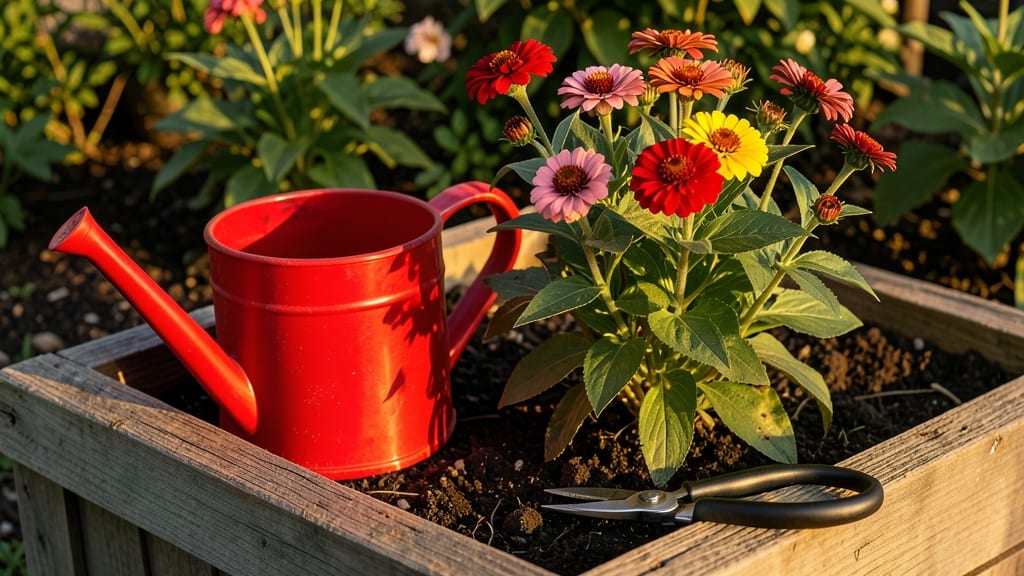
Here’s how to keep zinnias blooming: snip spent blooms before they set seed, and your plants redirect energy into fresh flowers—turning one into a nonstop color machine. 🌻 instead of making baby zinnias.
I went from wilting stems by July to vibrant blooms through frost using just this one trick—and I'll show you exactly how.
You'll need sharp pruners (or clean scissors), a sunny spot with at least 6 hours of direct light, and well-draining soil. Zinnias love heat but hate soggy roots, so mulch helps keep moisture steady without drowning them.
Feed with a balanced fertilizer every 4-6 weeks to fuel that blooming machine, and watch your plants reward you with bold colors that last all season.
What you end up with is a zinnia bush that looks like it was sprayed with glitter—deep reds, fiery oranges, and sunny yellows all fighting for attention. The flowers stay fresh longer, the stems stay sturdy, and you'll have cut flowers for weeks.
This method works for both dwarf varieties and towering giants, making it perfect for borders, containers, or cutting gardens.
Fair warning: once you start deadheading, you'll notice other flowers in your garden begging for the same treatment. The key is consistency—5 minutes daily keeps the blooms coming, and the payoff is worth every snip. Let's get those zinnias showing off!
📚 In This Guide
- What you need
- Instructions
- Tips and common mistakes
- Wrapping up and next steps
What you need
- ● Zinnia plants – Healthy, established zinnias (annuals or perennials, depending on your climate). Pro tip: Choose disease-resistant varieties like Zinnia elegans for longer blooms! 🌡️
- ○ Pruning shears or sharp scissors – A clean cut prevents damage. Optional: Small, handheld garden shears (like Felco F-2) for precision.
- ● Gloves – Lightweight gardening gloves to protect your hands from thorns or dirt.
- ● Watering can or hose with a gentle nozzle – Zinnias need consistent moisture, especially during blooming season.
- ● Balanced fertilizer (10-10-10 or 20-20-20) – A half-strength solution every 2–3 weeks promotes new growth.
- ● Compost or mulch – 1–2 inches of organic mulch (like shredded bark) retains soil moisture and adds nutrients.
- ● Sunlight access – 6+ hours of full sun daily (zinnias are sun-worshippers!).
- ● Deadheading basket or bucket – A small container to collect spent blooms and keep your workspace tidy.
- ● Plant support (if needed) – Stakes or cages for taller varieties (like Benary’s Giant) to prevent flopping.
- ● Pest control – Neem oil or insecticidal soap (prevents aphids, spider mites, or Japanese beetles).
- ● pH test kit – Zinnias prefer slightly acidic to neutral soil (pH 6.0–7.0).
- ● Drip irrigation system – Automates watering for busy gardeners (just ensure it delivers 1–1.5 inches of water per week).
Step-by-step instructions for keeping zinnias blooming all season
Here's the method I swear by to turn a single zinnia plant into a nonstop summer showstopper.
🌿 Step 1: Understand the Blooming Cycle and When to Act
Zinnias bloom in waves, and the key to continuous flowers is catching each spent bloom at the perfect moment. Watch for blooms that have fully opened but now look tired—petals may droop or turn brown at the edges. This is your signal to act, usually every 1-2 days during peak summer heat.
I always check my zinnias first thing in the morning with a cup of coffee. The dew helps me spot which blooms have finished overnight. Never wait until flowers fully brown—they'll drop seeds and waste energy that could go to new blooms.
✂️ Step 2: Deadhead Correctly for Maximum Regrowth
Use clean, sharp pruners or your fingers to pinch off the entire spent bloom head just above the first set of healthy leaves below it. This ensures you're cutting at a node where new growth can emerge. I like to make a clean cut at a 45-degree angle about ¼ inch above the leaf—this prevents water from pooling and causing rot.
Don't cut into the stem—always leave that ¼ inch gap. I've seen beginners cut too close and accidentally remove potential side shoots. You'll know you're doing it right when you see fresh green growth emerging from the leaf axils within 3-5 days.
☀️ Step 3: Support Continuous Blooming Through Light and Water
Zinnias need full sun (6+ hours daily) to keep producing blooms, but they also need consistent moisture. I water deeply every 2-3 days until the top 2 inches of soil feel dry. Let the soil dry slightly between waterings—zinnias hate soggy roots but won't bloom if they're thirsty.
Here's the thing—zinnias grown in containers dry out faster than in-ground plants. If you're growing them in pots, check soil moisture daily during heatwaves. You'll see the difference immediately: plants with consistent moisture produce larger, more vibrant blooms.
🌱 Step 4: Fertilize Strategically for Long-Lasting Blooms
Feed zinnias with a balanced, water-soluble fertilizer (10-10-10) every 3-4 weeks during the growing season. Too much nitrogen makes them grow leaves instead of flowers, so I always use half-strength solution. Mix the fertilizer in your watering can and apply it in the morning when plants are dry.
I also add a handful of compost or worm castings around the base monthly. This boosts soil health without the risk of over-fertilizing. You'll notice new blooms appearing faster and stems staying stronger throughout the season.
🪴 Step 5: Prune for Shape and Airflow (Bonus for Heavy Bloomers)
Once your zinnias reach about 12-18 inches tall, give them a light pruning to encourage bushier growth. Cut back the tallest stems by about ⅓ to promote branching. This step is especially important for tall varieties like 'Benary's Giant' that can get top-heavy.
I always prune in the early morning when the plants are turgid. Remove any stems that look leggy or have fewer than 3-4 leaves—these won't produce many blooms. Within 2-3 weeks, you'll see new side shoots forming at the nodes where you pruned.
Tips & tricks for keeping zinnias blooming all season
Here's what nobody tells you about turning those first pretty zinnias into a summer-long floral extravaganza.
The Timing Secret: That 1-2 day window for deadheading is your golden hour. I learned this the hard way after watching perfectly good zinnias go to seed before I could enjoy them. Check blooms first thing in the morning—dew makes it easier to spot which ones have finished overnight. If you wait until afternoon, you might miss the perfect moment when the flower is spent but still vibrant.
Pruning Precision: When you're cutting those spent blooms, make that 45-degree angle cut just above the first set of healthy leaves. This isn't just about looks—it's about redirecting the plant's energy to where it matters most. I've seen people cut too close to the stem and accidentally remove potential side shoots. That little ¼-inch gap makes all the difference between bushy growth and leggy stems that flop over.
Watering Wisdom: The "every 2-3 days" rule changes when your zinnias are in containers. I've had pots dry out completely between waterings during heatwaves, and the result was sad, wilted flowers. For container zinnias, check soil moisture daily—stick your finger in about 2 inches deep. If it feels dry, water thoroughly. You'll notice the difference in just a few days with bigger, brighter blooms that last longer.
Fertilizer Strategy: That half-strength 10-10-10 solution is your secret weapon. I've seen people overdo it with full-strength fertilizer and end up with leafy monsters instead of flowers. The key is consistency—apply it every 3-4 weeks in the morning when plants are dry. This timing prevents leaf burn while giving your zinnias just enough nutrients to keep blooming without going crazy on foliage growth.
Pro Tips for Keep Zinnias Blooming
- Here's what nobody tells you about turning those first pretty zinnias into a summer-long floral extravaganza.
- The Timing Secret: That 1-2 day window for deadheading is your golden hour. I learned this the hard way after watchin...
- Pruning Precision: When you're cutting those spent blooms, make that 45-degree angle cut just above the first set of ...
Frequently asked questions
Got questions about keeping zinnias blooming all season long? You’re not alone! Here are some of the most common queries—and their answers—to help you troubleshoot and thrive.
How often should I deadhead zinnias to keep them blooming?
Deadhead zinnias daily (or at least every 2–3 days) for peak performance. Cut spent blooms at the base or just above a set of healthy leaves to encourage new flowers. Pro tip: Morning deadheading gives your plants the whole day to recover and produce fresh blooms by evening!
Why do my zinnias stop blooming even after deadheading?
Zinnias may quit blooming due to overcrowding, poor nutrition, or heat stress. Thin plants to 12–18 inches apart, fertilize lightly with a balanced 10-10-10 formula every 4–6 weeks, and ensure they get 6+ hours of sunlight. If blooms fade quickly, they might be thirsty—zinnias love consistent moisture (but no soggy soil!).
Can I keep zinnias blooming in containers or small gardens?
Choose compact varieties like ‘Thumbelina’ or ‘Crystal’ for containers. Use a well-draining potting mix, a pot at least 12 inches deep, and fertilize regularly. Deadhead aggressively, and rotate containers occasionally to ensure even sunlight exposure. Bonus: Dwarf zinnias thrive in tight spaces and still pack a punch!
What’s the best time of day to deadhead zinnias?
Deadhead in the early morning (4–8 AM) for best results. This gives plants time to recover before the heat of the day. If you miss morning, late afternoon (after 4 PM) is the next best option. Avoid deadheading in direct midday sun, as it can stress the plant.
Do zinnias need special care in hot or humid climates?
Zinnias tolerate heat well but may struggle in high humidity, which can promote fungal diseases like powdery mildew. Space plants for airflow, water at the base (not leaves), and avoid overhead sprinklers. In extreme heat, provide light shade (like a sheer cloth) during peak afternoon sun. Mulch helps retain moisture and keeps roots cool!
Can I save zinnias from my garden to replant next year?
Yes! Let some zinnias go to seed at the end of the season. Collect dry seed heads, store them in a cool, dry place, and sow them next spring. For longer blooms, try succession planting: Sow new seeds every 2–3 weeks for continuous color. Pro tip: Pinch back young plants to encourage bushier growth!
Wrapping up and next steps
Keeping zinnias blooming is all about consistent care—deadheading, proper watering, and a little TLC go a long way! 🌸 With these simple steps, your garden will burst with vibrant color all season long.
Now that you’re armed with the know-how, grab those shears and get ready to enjoy months of stunning blooms.
Ready to take it further? Experiment with varieties or try container gardening to extend your zinnia season even more!