
Blooming
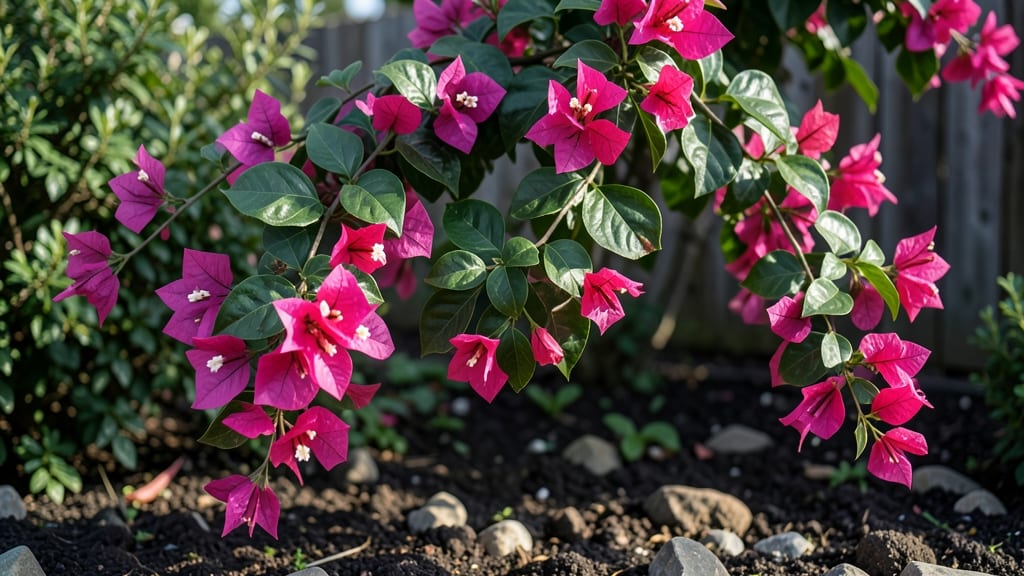
Bougainvillea blooming season starts when temperatures hit 70°F consistently—that’s your cue to expect those vibrant magenta, orange, or purple bracts. 🌸 I learned the hard way that my first bougainvillea in Zone 7 only woke up from dormancy when the thermometer stayed above 70° for three straight days.
The blooms arrive in waves, triggered by heat and sunlight, not by watering schedules or fancy fertilizers. Most bougainvilleas peak from late spring through fall, but tropical climates get year-round color, while cooler zones (like Zone 8+) might need winter protection. The key to nonstop blooms?
Prune right after flowering to encourage new growth, and feed with low-nitrogen fertilizer—too much nitrogen means leaves, not flowers. My plant now blooms from May until frost, and the secret is patience: it takes about 6-8 weeks for new growth to flower after pruning.
You’ll know you’re doing it right when your bougainvillea looks like a living firework display. The bracts (those colorful paper-like parts) last 2-3 weeks before fading, but with proper care, new blooms emerge within days. The more you prune and feed, the bushier—and more colorful—your plant becomes.
Just avoid heavy pruning in winter unless you’re in a frost-free zone. For cooler climates, bring potted bougainvilleas indoors before 32°F or protect outdoor plants with frost cloth. The trade-off? Indoor plants need bright light (a south-facing window or grow lights) to keep blooming.
And here’s the plot twist: bougainvilleas bloom best when slightly stressed—let the soil dry between waterings, and they’ll reward you with even more color.
📚 In This Guide
- What you need
- Instructions
- Tips and common mistakes
- Wrapping up and next steps
What you need
- ● Bougainvillea plant(s): 1-3 mature plants (or young cuttings for propagation). Choose varieties like Bougainvillea spectabilis or Bougainvillea glabra for optimal blooms.
- ● Well-draining potting mix: 5-10 gallons, depending on pot size. Mix 60% cactus/succulent soil + 30% perlite + 10% coarse sand for aeration.
- ● Containers: Pots with drainage holes (12"+ diameter for mature plants; 6" for cuttings). Terracotta or fabric pots work best.
- ● Fertilizer: Balanced liquid fertilizer (10-10-10): 1 bottle (for foliar feeding).
- ● Slow-release granular fertilizer (7-9-5): 1 lb (for soil enrichment).
- ○ Phosphorus-rich bloom booster (e.g., 5-10-5): 1 lb (optional but recommended for heavy blooming).
- ● Pruning tools: Bypass pruners (1 pair, sharp and sterilized).
- ● Garden shears (for larger branches).
- ○ Support structures: Trellis, stakes, or cages (if training vines; optional for bush varieties).
- ● Watering can or hose with nozzle: For deep but infrequent watering.
- ● pH test kit: To monitor soil acidity (ideal range: 6.0–7.0).
- ○ Mulch (optional): 2–3 inches of gravel or bark chips to retain heat and deter weeds.
- ○ Sunlight meter (optional): To confirm 6+ hours of direct sun daily.
- ● Insecticidal soap or neem oil (preventative): 1 bottle (for pests like aphids or spider mites).
- ● Climate: USDA Zones 9–11 (or container-grown plants in cooler zones with winter protection).
- ● Temperature: 70°F+ consistently for blooming (use a heat lamp in cooler months if indoors).
- ● Water access: Drought-tolerant but needs deep watering 2–3x/week during peak heat.
- ● Patience: Bougainvillea blooms best with 3+ years of growth (cuttings may take 1–2 seasons).
Understanding bougainvillea's heat-driven blooming cycle
Here’s how to sync your care with bougainvillea’s natural rhythm for vibrant, year-round flowers.
🌱 Step 1: Recognize the Heat-Triggered Blooming Window
Bougainvillea blooms exclusively in response to consistent daytime temperatures above 70°F. The plant’s bracts (colorful paper-like leaves) only open when it detects prolonged warmth—typically between late spring and early fall in most climates. If you’re in a cooler region, plan for a shorter blooming window unless you provide supplemental heat.
Watch for the first flush of color in 6-8 weeks after the last frost date in your area. This is your cue that the plant has fully adjusted to warmer conditions. In warmer zones (USDA 9-11), bougainvillea may bloom year-round with minimal care, but even then, it needs full sun exposure (6+ hours daily) to maintain production.
☀️ Step 2: Maximize Sunlight and Temperature Consistency
Place your bougainvillea in the sunniest, most sheltered spot possible—it thrives in direct sunlight with afternoon shade in extreme heat. If growing in containers, move it to a shaded patio during 100°F+ days to prevent leaf scorch, but keep it in full sun the rest of the time. The plant’s bracts won’t develop color without sufficient light, even if temperatures are ideal.
In cooler climates, use a south-facing wall or greenhouse to extend the blooming season. Bougainvillea needs at least 5 months of temperatures above 60°F to trigger consistent flowering. If your winters drop below 40°F, protect the plant with frost cloth or move it indoors near a sunny window.
💧 Step 3: Adjust Watering to Support Blooming
Overwatering is the #1 mistake that kills bougainvillea blooms. Water only when the top 2 inches of soil feel dry, and always let excess water drain completely—these plants hate soggy roots. During the blooming season, reduce water slightly to encourage bud formation. Too much moisture triggers leaf growth at the expense of flowers.
Fertilize lightly with a balanced, water-soluble fertilizer (10-10-10) every 4-6 weeks during active growth (spring to early fall). Avoid high-nitrogen feeds—they promote lush foliage but suppress bract production. Stop fertilizing in late summer to let the plant prepare for dormancy if your climate cools.
✂️ Step 4: Prune Strategically to Extend the Season
Prune bougainvillea after the last frost and again in early summer to shape the plant and encourage new growth. Cut back leggy stems by one-third to stimulate bushier, more compact growth—this creates more flowering sites. Always prune just above a leaf node where new shoots will emerge.
Remove spent blooms by pinching them off at the base. This redirects the plant’s energy toward producing new bracts instead of seed pods. In cooler climates, prune lightly in late fall to clean up dead growth, but avoid heavy cuts—you’ll sacrifice next year’s early blooms.
⏰ Step 5: Plan for Seasonal Adjustments
In warm climates (Zones 9-11), bougainvillea may bloom year-round with minimal care, but you’ll still see peak production in spring and fall when temperatures are stable but not extreme. In cooler climates (Zones 7-8), expect blooms from June through September, with sporadic color in mild winters.
If your bougainvillea goes dormant in winter, reduce watering to once every 2-3 weeks and avoid fertilizing until new growth appears in spring. The plant’s natural dormancy period helps it reset for the next blooming cycle—don’t rush it with heat or water.
Tips & tricks for perfect bougainvillea blooming season
A few strategic tweaks can transform your bougainvillea from seasonal color to year-round vibrancy. Here's how to maximize those stunning bracts without guessing.
Heat Consistency is Key: The 70°F threshold isn't just a minimum—it's the magic number where bougainvillea's blooming hormones activate. I've seen plants in greenhouses with perfect 75-85°F days produce blooms twice as long as those in fluctuating outdoor temps. In cooler climates, consider a small greenhouse or even a sunny windowsill with a heat mat during winter months to maintain that critical warmth. The key is stability—daily swings above or below this range confuse the plant's natural rhythm.
Sunlight Strategy Beyond the Basics: While everyone talks about "full sun," the real secret lies in the angle of light. In Step 2, when positioning your plant, angle it slightly so morning sun hits the new growth directly while afternoon light grazes the established branches. This creates a gradient that encourages continuous blooming rather than just one flush. And remember—those 100°F+ days? Move your container to shade by 2 PM to prevent leaf scorch while still getting that essential light exposure.
Watering with Purpose: The top 2 inches dry test works, but here's the pro move: use a moisture meter specifically designed for succulents. Bougainvillea's roots are shallow and hate being soggy, but they also need consistent moisture to push out those vibrant bracts. I water mine in the morning so any excess evaporates by afternoon, and I always check the soil depth before watering again. This prevents both underwatering (which stresses the plant) and overwatering (which kills blooms).
Pruning for Maximum Impact: When you prune those leggy stems by one-third in Step 4, make your cuts at a 45-degree angle just above a leaf node. This creates a natural water runoff and encourages faster regrowth. I've found that pruning in early summer gives the plant enough time to recover before fall's natural bloom push. And here's a trick nobody tells you—after pruning, give your bougainvillea a light misting with water mixed with a bit of seaweed extract. This jumpstarts new growth and often results in earlier blooms next season.
Pro Tips for Bougainvillea Blooming Season
- A few strategic tweaks can transform your bougainvillea from seasonal color to year-round vibrancy. Here's how to max...
- Heat Consistency is Key: The 70°F threshold isn't just a minimum—it's the magic number where bougainvillea's blooming...
- Sunlight Strategy Beyond the Basics: While everyone talks about "full sun," the real secret lies in the angle of ligh...
Frequently asked questions
Got questions about your bougainvillea’s blooming magic? You’re not alone!
Here are the most common queries—and their answers—to help you keep those vibrant blooms coming year-round.
When is the best time to plant bougainvillea for maximum blooms?
Plant bougainvillea in early spring (after the last frost) or late summer to give it time to establish roots before cooler weather. In warm climates (zones 9–11), you can plant year-round! Just avoid extreme heat or cold—bougainvillea thrives in 60–90°F (15–32°C).
Why isn’t my bougainvillea blooming, even though it’s summer?
Bougainvillea needs full sun (6+ hours daily) and well-draining soil to bloom. Overwatering, poor light, or too much nitrogen (from fertilizer) can stunt flowers. Try pruning to encourage new growth or switch to a low-nitrogen, high-phosphorus fertilizer (like 5-10-10).
Can bougainvillea bloom indoors, or is it strictly an outdoor plant?
While bougainvillea loves outdoor heat, you can grow it indoors near a south-facing window with a grow light (12+ hours/day). Use a small pot with drainage and keep humidity high (mist leaves or use a pebble tray). Expect fewer blooms than outdoors, but it’s doable with patience!
How often should I fertilize bougainvillea for continuous blooms?
Feed bougainvillea every 4–6 weeks during its active growing season (spring–fall) with a balanced, bloom-boosting fertilizer (like 10-10-10 or 7-9-5). In winter, reduce or stop fertilizing—it’s dormant! Pro tip: Flush the soil with water monthly to prevent salt buildup from fertilizers.
Does bougainvillea bloom at the same time every year, or is it unpredictable?
Bougainvillea blooms are highly seasonal but can stretch nearly year-round in ideal conditions (warmth, sun, pruning). In cooler climates, expect spring–fall blooms with a winter break. Young plants may bloom sporadically until established (1–2 years). Consistency tip: Prune after blooms fade to encourage new growth and repeat cycles!
Wrapping up and next steps
Now that you know all about the bougainvillea blooming season—from its love for heat to its vibrant, year-round potential—you’re ready to transform your garden into a stunning, sun-drenched paradise! 🌸 Whether you’re a seasoned gardener or just starting, this heat-loving beauty rewards patience and care with breathtaking color. Take the next step: pick your favorite variety, prep your soil, and watch your bougainvillea thrive under the sun! 🌞