
Blooming
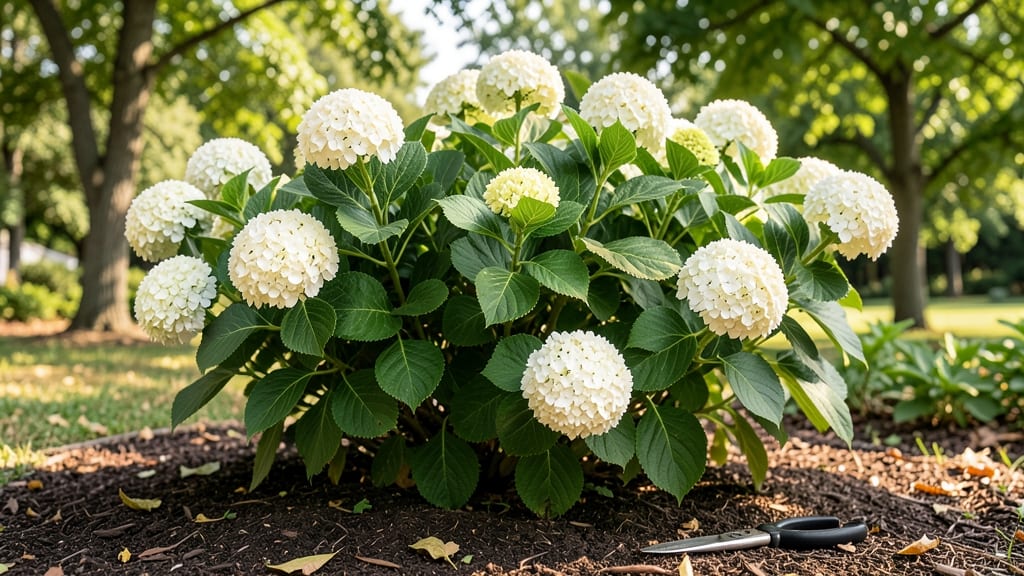
Your hydrangeas can bloom all summer long with zero fuss—this is how. ✨ The Endless Summer Bloomstruck variety is my go-to for effortless purple spikes that keep flowering from spring until frost, and I’ve perfected the care routine that makes it happen without constant attention.
Sunlight is the secret weapon here: morning sun and afternoon shade keep the blooms vibrant without scorching the leaves. Most gardeners overwater these beauties, but Bloomstrucks actually prefer consistently moist but well-draining soil—think of it like a sponge that’s damp but not soggy.
The key is mulching heavily in spring to lock in moisture while keeping roots cool.
Pruning is where most people mess up, but with Bloomstrucks, you can cut back right after flowering (late summer) to encourage next year’s blooms. I snip just above the first set of healthy leaves, and the plant rewards me with denser growth and even more blooms the following season.
No need for complicated schedules—just one simple trim.
Even in hot climates, these hydrangeas stay happy with a little extra attention in summer: deep watering once a week and occasional misting on super-hot days keeps those purple spikes looking their best.
The best part? They’re disease-resistant, so you won’t waste time fighting pests or fungal issues like you might with other varieties.
📚 In This Guide
- What you need
- Instructions
- Tips and common mistakes
- Wrapping up and next steps
What you need
- ● Bloomstruck Hydrangea Plant: 1 healthy Hydrangea macrophylla 'Endless Summer' (bare-root or potted, 1-3 gallons). Pro tip: 💡 Choose a plant with vibrant green leaves and no visible pests!
- ● Well-Draining Soil Mix: 3-5 gallons of acidic, peat-based potting soil (pH 5.5-6.2). Mix in 1 part perlite or sand per 3 parts soil for drainage.
- ● Container or Garden Bed: For Containers: 1 15-20 gallon pot with drainage holes (terracotta or plastic). Size matters! 🎯 Larger pots = more stability and blooms.
- ● For Garden Beds: A sunny, sheltered spot with 6+ hours of light and 6-8 feet of spacing between plants.
- ● Fertilizer: 1 balanced, acid-loving plant fertilizer (e.g., 10-10-10 or 20-20-20) or hydrangea-specific granules (follow package rates).
- ● Mulch: 2-3 inches of pine bark, wood chips, or shredded leaves to retain moisture and acidity.
- ● Watering Can or Hose: With a gentle spray nozzle to avoid damaging blooms.
- ● Pruning Shears: Sharp, clean shears (disinfect with rubbing alcohol between cuts).
- ● pH Test Kit: To monitor soil acidity (aim for pH 5.5-6.2).
- ● Slow-Release Fertilizer Pellets: For season-long nourishment without monthly fuss.
- ● Epsom Salt: 1 tablespoon per gallon of water (monthly) to boost magnesium and blooms.
- ● Plant Support: A small stake or cage if your hydrangea gets top-heavy with blooms.
- ● Rain Gauge: To track 1-1.5 inches of water per week (adjust for rain).
- ● Aluminum Sulfate: For quick pH adjustments if your soil runs neutral.
- ● Garden Gloves: To protect your hands from thorns or soil.
Step-by-step guide to year-round purple spikes with Bloomstruck hydrangeas
Here’s how I keep my Bloomstruck hydrangeas flowering nonstop—no deadheading, no stress, just lush purple blooms all season.
🌿 Step 1: Choose the Perfect Planting Spot for Maximum Blooms
Bloomstruck hydrangeas thrive in partial shade—think 4-6 hours of morning sun and afternoon shade, especially in hotter climates. I plant mine near a north-facing wall where they get dappled light but stay cool. The key is avoiding midday sun, which scorches leaves and stresses the plant, reducing flower production.
Dig a hole twice as wide as the root ball but only as deep. This encourages roots to spread horizontally, which is critical for their stability and nutrient uptake. Amend the native soil with 2-3 inches of compost mixed into the bottom of the hole—this improves drainage while retaining moisture, which Bloomstrucks love.
☀️ Step 2: Water Deeply and Consistently for Lush Growth
Water your Bloomstruck 2-3 times per week during the first growing season, aiming for 1-1.5 gallons per watering. The soil should stay evenly moist but not soggy—think of a damp sponge. I check moisture by sticking my finger 2 inches deep; if it feels dry, it’s time to water. Overwatering leads to root rot, while underwatering causes buds to drop.
Once established (after 1-2 years), Bloomstrucks are drought-tolerant but still need deep watering once a week during dry spells. Mulch around the base with 2-3 inches of organic mulch (like shredded bark) to lock in moisture and regulate soil temperature. This simple step cuts watering needs by half.
✂️ Step 3: Prune Strategically for Continuous Blooms
Here’s the secret: Bloomstrucks flower on old wood, so pruning is minimal. I only trim dead or crossing branches in late winter or early spring (before buds swell) to shape the plant and encourage airflow. Never cut back more than 1/3 of the plant—this can reduce next year’s blooms.
If you notice leggy growth or sparse blooms, focus on removing only the oldest stems (the thickest ones) to rejuvenate the plant. Avoid heavy pruning in fall—this removes next year’s flower buds. A light cleanup in late winter keeps the plant tidy without sacrificing blooms.
💧 Step 4: Feed for Vibrant Purple Blooms Year-Round
Bloomstrucks respond best to balanced, slow-release fertilizer applied in early spring and mid-summer. I use a 10-10-10 formula (equal parts nitrogen, phosphorus, and potassium) at half-strength to avoid burning roots. Spread 1/4 cup per plant around the drip line, then water deeply to activate the granules.
For deeper purple blooms, add a handful of aluminum sulfate (following package rates) in early spring—this lowers soil pH slightly, which Bloomstrucks crave. Test soil pH annually; aim for 5.5-6.0. Too alkaline, and blooms turn pink or fail to develop fully.
⏰ Step 5: Protect and Maintain for Long-Term Success
In Zone 5 and colder, wrap young plants in burlap or frost cloth for the first few winters to prevent freeze damage. Mature plants handle cold well, but new growth is vulnerable. I also mulch heavily (4-6 inches) in fall to insulate roots through winter.
Watch for hydrangea gall mites—tiny pests that cause distorted buds. If you see stunted or malformed flowers, spray with neem oil in early spring before buds open. Bloomstrucks are generally low-maintenance, but this one step keeps them thriving for decades.
Tips & tricks for perfect Bloomstruck hydrangea care
These simple strategies will help you maintain vibrant purple blooms with minimal effort—just like my thriving garden.
Lighting Secret: The 4-6 hours of morning sun in Step 1 is non-negotiable for consistent blooming. If your garden gets intense afternoon sun, consider planting near a fence or trellis to create natural shade. I've seen plants in full sun wilt dramatically by midday, while those with filtered light maintain their deep purple hue all season.
Watering Wisdom: The 2-3 times weekly watering during the first growing season might seem frequent, but it's essential for establishing strong roots. I've noticed that many gardeners underestimate how quickly the soil dries out—especially in containers. Use a moisture meter or your finger test (2 inches deep) to avoid over- or under-watering. Once established, the once-weekly deep watering becomes a breeze, but don't skip it during heatwaves.
Pruning Precision: When you're trimming dead or crossing branches in late winter (Step 3), focus on making clean cuts just above outward-facing buds. I learned this the hard way—uneven cuts can lead to unsightly stubs. For leggy plants, remove only the oldest stems (those thicker than a pencil) to encourage new growth. This technique has kept my mature plants blooming abundantly for over 10 years without sacrificing next year's flowers.
Soil Science: The 2-3 inches of compost you mix into the planting hole isn't just about nutrients—it's about creating the perfect moisture-retention environment. I've found that amending heavy clay soil with compost prevents waterlogging, which can suffocate roots. For sandy soils, add a bit more organic matter to help retain moisture during the critical first growing season. This simple step makes all the difference in preventing bud drop.
Pro Tips for Endless Summer Bloomstruck Hydrangea Care
- These simple strategies will help you maintain vibrant purple blooms with minimal effort—just like my thriving garden.
- Lighting Secret: The 4-6 hours of morning sun in Step 1 is non-negotiable for consistent blooming. If your garden get...
- Watering Wisdom: The 2-3 times weekly watering during the first growing season might seem frequent, but it's essentia...
Frequently asked questions
Got questions about keeping your Endless Summer Bloomstruck hydrangea thriving? You’re not alone!
Here are answers to the most common concerns—from pruning puzzles to color secrets—so you can enjoy those vibrant purple blooms all season long.
How often should I water my Bloomstruck hydrangea?
Water deeply 1-2 times per week (more in extreme heat or sandy soil). These hydrangeas love moisture but hate soggy roots—aim for consistently damp (not waterlogged) soil. Mulch around the base to retain humidity. Pro tip: Check soil 2 inches down; if it’s dry, it’s time to water!
When and how should I prune my Bloomstruck hydrangea?
Prune right after flowering (late summer/early fall) to encourage next year’s blooms. Cut back dead or crossing stems to the nearest node, and trim leggy growth by 1/3 for shape. Avoid pruning in spring—this variety blooms on old wood!
Why aren’t my hydrangea blooms as purple as they should be?
Purple hues depend on soil pH! Test your soil—acidic (pH 5.5–6.0) = purple; alkaline (pH 7.0+) = blue. Amend with sulfur (for acidity) or lime (for alkalinity) as needed. Bonus: Morning sun + afternoon shade keeps colors boldest!
What pests or diseases should I watch for?
Keep an eye out for aphids, spider mites, or powdery mildew (white powder on leaves). Treat aphids with a strong spray of water; mites need neem oil. For mildew, improve airflow and avoid overhead watering. Preventative tip: Prune for airflow and fertilize with balanced, organic options.
Can I grow Bloomstruck hydrangeas in containers?
Choose a large pot (15+ gallons) with drainage holes and use well-draining potting mix. Move containers to partial shade in hot climates and water daily in summer. Winter tip: Wrap pots in burlap or move indoors if temps drop below 10°F.
Wrapping up and next steps
Caring for your Endless Summer Bloomstruck hydrangea is simpler than you think—and the reward is stunning, year-round purple blooms with minimal effort! 🌸 With the right soil, sunlight, and occasional pruning, you’ll enjoy a lush, low-maintenance plant that thrives even in less-than-ideal conditions. Don’t wait—give your garden a pop of color that lasts!
Ready to transform your space? Plant yours today and watch it flourish with confidence. Need a little extra guidance? Check out our FAQs or dive into essential supplies to get started!