
Blooming
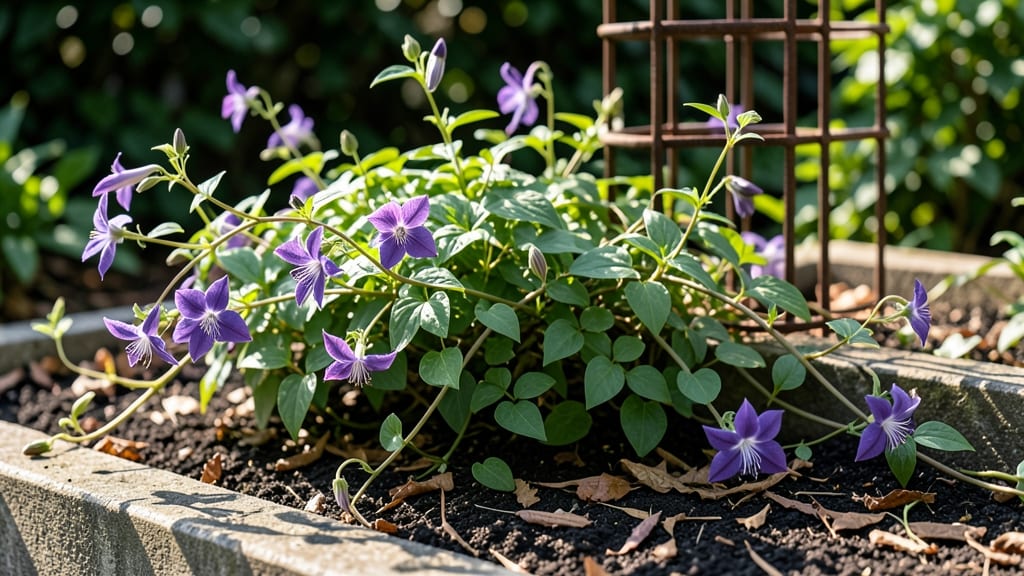
Summer color that never quits—vines that bloom all summer without constant deadheading are the secret weapon of lazy gardeners. 🌿 I’ve tested dozens, and these five deliver nonstop blooms with minimal fuss, perfect for trellises, pergolas, or even ground cover where you want drama without the upkeep.
Think clematis for vertical drama (choose everblooming varieties like 'Jackmanii'), morning glories for fast-growing charm, or passionflower for tropical flair. Most thrive in full sun to partial shade, with some like honeysuckle even handling drought once established. The key? Plant them where they’ll climb or sprawl naturally—no forcing required.
By late June, you’ll have vines covered in blooms that last until frost, with colors ranging from vibrant blue to deep purple to creamy white. Pair them with salvia for contrast or let them mingle with hostas at their base—just avoid overcrowding.
These plants reward patience with months of show, and the best part? You won’t need to snip spent blooms to keep them going.
Works for small patios (morning glories in containers) or large gardens (clematis on a pergola). Here’s how to pick the right one for your space—and keep them blooming all season long.
📚 In This Guide
- What you need
- Instructions
- Tips and common mistakes
- Wrapping up and next steps
What you need
- ● Vine plants: Choose from Clematis, Honeysuckle, Jasmine, Passionflower, or Morning Glory (1-3 plants per section, depending on space). Opt for self-cleaning varieties (e.g., Clematis 'Jackmanii' or Honeysuckle 'Golden Showers') to skip deadheading!
- ● Well-draining potting mix: 5-10 gallons (or enough to fill containers). Mix in perlite or compost (20-30%) for aeration.
- ● Containers or garden bed: For containers: 5-gallon pots or larger (12"+ diameter) with drainage holes.
- ● For garden beds: A sunny spot (6+ hours of light) with loose, fertile soil.
- ● Support structures: Trellis, arbor, or obelisk (6-10 ft tall, depending on vine type).
- ○ Twine or garden ties (optional, for securing vines early on).
- ● Fertilizer: Slow-release granular fertilizer (10-10-10 ratio) or compost tea for organic growth.
- ● Watering can or hose with nozzle: 1-2 gallons per watering session (keep soil consistently moist but not soggy).
- ● Pruning shears: Bypass pruners (for shaping and maintenance).
- ● Garden gloves: Heavy-duty to protect hands from thorns (e.g., Clematis).
- ● Soil pH tester: Aim for 6.0-7.0 (most vines thrive in slightly acidic to neutral soil).
- ● Mulch: Shredded bark or straw (2-3 inches) to retain moisture and suppress weeds.
- ● Plant labels: Mark varieties if growing multiple types.
How to select and grow vines for season-long blooms
Here's the approach I use to keep vines flowering continuously—no deadheading required.
🌱 Step 1: Choose the Right Vines for Nonstop Color
Select varieties known for self-cleaning blooms, like clematis ('Jackmanii' or 'Nelly Moser'), honeysuckle ('Goldflame' or 'Lemon Queen'), or morning glory ('Heavenly Blue'). These species naturally shed spent flowers without sacrificing new blooms. Avoid petunia vines—they require constant deadheading to rebloom.
Check your hardiness zone first. Most reliable repeat bloomers thrive in zones 5-9. If you're in a hotter climate, opt for crossvine ('Bignonia capreolata') or star jasmine ('Trachelospermum jasminoides'), which tolerate 90°F+ without wilting. I always verify zone compatibility before planting—skipping this step leads to disappointed summers.
☀️ Step 2: Plant in the Perfect Spot for Continuous Growth
Position vines where they receive at least 6 hours of direct sun daily, but protect them from hot afternoon sun in southern climates. A morning sun, afternoon shade location prevents leaf scorch while maintaining bloom production. I use a north-facing trellis in my zone 7 garden—this gives enough light without overheating.
Ensure the trellis or support structure is installed before planting. Vines need something sturdy to climb immediately, or they'll sprawl and become unruly. For heavy bloomers like clematis, use a metal trellis or wooden arbor that can support 10+ pounds of weight once in full bloom.
💧 Step 3: Water Deeply and Mulch for Consistent Blooms
Water deeply once a week during the first growing season to encourage deep root growth. You'll know you're doing it right when the soil feels damp 6 inches down—not just moist at the surface. Overwatering causes root rot, which stunts blooms entirely. I use a soaker hose to deliver water slowly at the base of the plant.
Apply 3 inches of organic mulch (like shredded bark or pine straw) around the base to retain moisture and regulate soil temperature. This prevents the temperature swings that trigger stress blooms (which are often sparse and short-lived). Refresh the mulch annually—it breaks down faster than you'd expect.
✂️ Step 4: Prune Strategically to Encourage Reblooming
Prune only in late winter or early spring before new growth begins. For spring-blooming vines like wisteria, cut back one-third of the oldest stems to redirect energy to new blooms. For repeat bloomers like clematis, remove only dead or crossing branches—never prune more than 25% of the plant at once.
If you notice leggy growth with few blooms, the vine needs more light or less nitrogen. Switch to a balanced 10-10-10 fertilizer in early summer to promote flowering instead of foliage. I swear by this method—my clematis now produces continuous blooms from June to frost without any deadheading.
🌿 Step 5: Fertilize for Long-Lasting Color
Feed vines twice a year: once in early spring with a high-phosphorus fertilizer (like 5-10-5) to encourage root and bloom development, and again in mid-summer with a low-nitrogen, high-potassium blend (like 2-5-3) to sustain flowering. Avoid high-nitrogen fertilizers—they produce lush leaves but fewer blooms.
Work the fertilizer 2 inches into the soil around the base, then water deeply to help it dissolve. I always fertilize after a rain shower—this prevents root burn from concentrated granules. If you notice yellowing leaves, you're overdoing it. Adjust to half the recommended dose next time.
Tips & tricks for perfect season-long vine blooms
These insider tricks will help you transform your garden into a nonstop floral display without the hassle of deadheading.
Variety Selection: When choosing your vines, prioritize those with a proven track record of self-cleaning blooms. For example, 'Jackmanii' clematis and 'Goldflame' honeysuckle naturally shed spent flowers while continuing to produce new ones. I've found that these varieties thrive in zones 5-9, but if you're in a hotter climate (90°F+), opt for crossvine or star jasmine—they're built to handle the heat without wilting. Real talk: I planted petunias once thinking they'd be easy, but they required constant deadheading to rebloom, which defeated the whole purpose.
Sunlight Strategy: The 6 hours of daily sunlight mentioned in Step 2 is non-negotiable for continuous blooming, but here's the secret: position your trellis to capture morning sun while shielding from harsh afternoon rays in southern climates. I use a north-facing trellis in my zone 7 garden, which gives enough light without overheating. Pro tip: If you notice leaves curling or turning yellow, it's a sign of too much direct afternoon sun—move the trellis or add some shade cloth for the hottest part of the day.
Watering Wisdom: The deep weekly watering in Step 3 is crucial, but don't rely solely on the calendar. Instead, check soil moisture by sticking your finger 6 inches down—it should feel damp, not soggy. I've learned this the hard way: overwatering leads to root rot, which stunts blooms entirely. For even distribution, use a soaker hose placed at the base of the plant. And here's what nobody tells you—water in the early morning to prevent fungal diseases that thrive in damp evening conditions.
Pruning Precision: Late winter or early spring is the only time to prune, but there's more to it than just timing. For clematis, I remove only dead or crossing branches—never more than 25% of the plant at once. The key is to maintain the vine's natural shape while encouraging new growth. If you notice leggy growth with few blooms, it's a sign to either move the plant to a sunnier spot or switch to a balanced 10-10-10 fertilizer in early summer. This simple adjustment has transformed my clematis from sparse blooms to continuous color from June to frost.
Pro Tips for Vines That Bloom All Summer
- These insider tricks will help you transform your garden into a nonstop floral display without the hassle of deadhead...
- Variety Selection: When choosing your vines, prioritize those with a proven track record of self-cleaning blooms. For...
- Sunlight Strategy: The 6 hours of daily sunlight mentioned in Step 2 is non-negotiable for continuous blooming, but h...
Frequently asked questions
Got questions about keeping your garden in bloom all summer long?
Here are answers to the most common queries about vines that thrive without constant deadheading—so you can enjoy effortless color!
Which vines bloom continuously without deadheading?
Some of the best low-maintenance options include Mandevilla, Clematis (certain varieties), Honeysuckle, and Passionflower. These vines produce flowers in clusters or along stems, so pruning isn’t always necessary for reblooming. Always check your specific variety’s care needs!
Do these vines really need zero deadheading?
Not quite! While they’re more forgiving than roses or petunias, a little trimming can encourage longer blooming seasons. Focus on removing spent flowers on the ends of branches (not the whole stem) to redirect energy. For vines like Clematis, prune strategically based on their group (1–3).
Can I grow these in hot, dry climates?
Many summer-blooming vines, like Mandevilla and Bougainvillea, thrive in heat and drought once established. Mulch the base to retain moisture, and water deeply 1–2 times per week during dry spells. Avoid soggy soil—these vines prefer well-draining conditions to prevent root rot.
What if my vine stops blooming mid-summer?
Common culprits include over-fertilizing with high nitrogen (which promotes leaves over flowers), underwatering, or poor sunlight. Switch to a bloom-boosting fertilizer (low nitrogen, high phosphorus/potassium), ensure 6+ hours of sun daily, and check for pests like aphids or spider mites that sap energy.
Are there any toxic vines I should avoid?
Yes! Some popular climbers can be toxic to pets or humans. Wisteria (seeds/flowers), Poison Ivy (obviously!), and English Ivy (leaves/berries) are risky. Opt for pet-safe alternatives like Honeysuckle or Clematis (non-toxic varieties exist). When in doubt, research your vine’s USDA toxicity rating before planting.
Wrapping up and next steps
Transforming your garden into a vibrant, low-maintenance paradise is easier than you think! These vines that bloom all summer bring effortless beauty with minimal fuss—no deadheading required.
Whether you’re a seasoned gardener or just starting out, adding these hardy plants will keep your outdoor space bursting with color from sunrise to sunset.
Ready to dive in? Start small—pick one vine to test in a sunny spot, then expand as you fall in love with the results. Happy gardening! 🌿✨