
Blooming
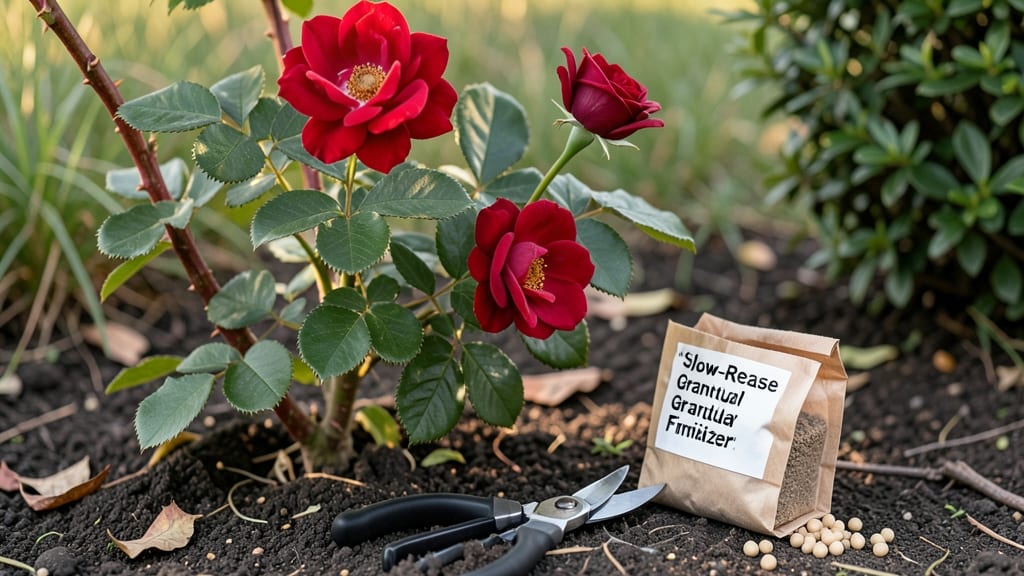
Getting more blooms on your roses starts with three simple secrets: pruning at the right time, feeding with the right nutrients, and giving them the sunlight they crave. ✨ My first year with roses, I ended up with just a handful of blooms—now I have so many, neighbors ask how I do it.
The difference? Understanding that roses bloom on new growth, not old wood, and that they need consistent care year-round.
You don’t need expensive tools or fancy fertilizers—just a sharp pair of pruners, a balanced rose fertilizer (organic or synthetic), and a sunny spot with at least 6 hours of direct sunlight.
The real magic happens when you prune in late winter or early spring, cutting back to an outward-facing bud, and feeding every 4-6 weeks during the growing season. Even my black thumb can’t mess this up once you know the basics.
By summer’s end, you’ll be snipping off spent blooms to encourage more flowers, and your bushes will look like lush, vibrant clouds of color. The key is staying consistent—watering deeply once a week, avoiding over-fertilizing, and keeping an eye out for pests.
Trust me, the payoff is worth it when your roses are bursting with blooms from spring to fall.
This method works for hybrid teas, floribundas, and even shrub roses—no matter your climate or garden size. Let’s turn those sparse stems into a blooming masterpiece!
📚 In This Guide
- What you need
- Instructions
- Tips and common mistakes
- Wrapping up and next steps
What you need
- ○ Ready to transform your roses into a bloom explosion? 🌸✨ Gather these materials and tools to get started—some are must-haves, while others are optional but highly recommended for extra lushness!
- ● Pro tip: 🔥 Check your local garden center for soil amendments tailored to your climate—some roses thrive with extra phosphorus for blooms!
Step-by-Step instructions for getting more blooms on roses
Here’s the straightforward approach I use to transform my roses into blooming machines—no fancy products, just smart care.
✂️ Step 1: Prune Correctly for Energy Focus
Start by removing any dead, diseased, or crossing branches first—these steal energy from potential blooms. I cut at a 45-degree angle just above an outward-facing bud, about ¼ inch above it. This ensures water runs off and new growth heads outward for better air circulation.
Next, look for branches that grew in the wrong direction or are too crowded. Thin these out to open the center of the bush—this isn’t about shape, it’s about sunlight reaching the core where most blooms form. You’ll know you’ve done it right when you see light filtering through the center after pruning.
💧 Step 2: Water Deeply at the Right Times
Roses need 1-1½ inches of water per week, but shallow watering leads to weak stems and fewer blooms. I water deeply once a week (or more in extreme heat) at the base of the plant, avoiding the leaves to prevent fungal diseases. The soil should feel damp 6 inches down—stick your finger in to check.
Morning is best—watering in the evening keeps foliage wet overnight, inviting black spot. If you see wilting leaves by midday, your roses aren’t getting enough water. Adjust by adding a soaker hose or drip irrigation for consistent moisture without waste.
☀️ Step 3: Feed with the Right Balance of Nutrients
Too much nitrogen makes roses grow lush foliage but few blooms. I use a balanced rose fertilizer (like 10-10-10) in early spring when new growth starts, then switch to a low-nitrogen, high-phosphorus formula (like 5-10-5) when buds form. Follow package rates—overfeeding burns roots.
Mulch with 2-3 inches of organic mulch (like shredded bark) to retain moisture and slowly release nutrients. Keep mulch 2 inches away from the stem to prevent rot. You’ll notice stronger stems and more buds within 4-6 weeks of consistent feeding.
🌿 Step 4: Deadhead and Encourage Repeat Blooming
Deadheading isn’t optional—it’s the secret to nonstop blooms. Snip off spent blooms just above a set of healthy leaves or a strong bud, using clean pruners. This redirects the plant’s energy from seed production to new growth. I do this every 2-3 days during peak bloom season.
For hybrid teas and floribundas, you’ll also want to cut back one-third of the oldest canes after the first flush of blooms. This rejuvenates the plant and triggers a second wave of flowers. Watch for new buds forming at the base of stems—that’s your reward for pruning.
⏰ Step 5: Protect from Pests and Stress
Neem oil or insecticidal soap applied every 2 weeks keeps aphids and spider mites in check—these pests drain energy from your roses. Spray in the early morning when bees aren’t active. You’ll know it’s working when you see fewer sticky residues on leaves and new growth appears healthier.
Stress from extreme heat or drought stops blooming fast. If temps hit above 90°F, provide afternoon shade with a light cloth or shade cloth. Roses also need winter protection—mulch heavily and wrap canes with burlap if your winters dip below 20°F. Consistent care means more blooms and fewer setbacks.
Tips & tricks for getting more blooms on roses
A few simple adjustments can turn your roses into blooming powerhouses. Here's what I've learned after years of trial and error in my own garden.
Pruning Precision: When you're pruning in Step 1, focus on removing branches that are growing inward or crossing others. These branches create shade in the center of the bush, which prevents blooms from forming there. I also recommend sterilizing your pruners with rubbing alcohol between cuts—this prevents spreading disease from one cut to the next, which can weaken your roses over time.
Watering Wisdom: The 1-1½ inches of water per week mentioned in Step 2 is a great guideline, but don't just water when it's convenient. I set a reminder on my phone for every Tuesday morning to check soil moisture. If the top 6 inches are dry, that's your cue to water deeply. The key is consistency—roses prefer steady moisture rather than occasional deep soakings followed by dry spells.
Fertilizer Timing: In Step 3, the switch from 10-10-10 to 5-10-5 fertilizer is crucial for bloom production. I apply the balanced fertilizer in early spring when I see new growth starting, then make the switch to the high-phosphorus formula when I notice buds beginning to form. The difference in bloom quantity is noticeable within just a few weeks of this adjustment.
Deadheading Discipline: When deadheading every 2-3 days as mentioned in Step 4, I always use clean, sharp pruners and make my cuts just above a set of healthy leaves. This small detail makes a big difference in how quickly new blooms form. I also keep a small bucket nearby to collect the spent blooms—composting them gives me free fertilizer for next year's roses!
Pro Tips for Get More Blooms On Roses
- A few simple adjustments can turn your roses into blooming powerhouses. Here's what I've learned after years of trial...
- Pruning Precision: When you're pruning in Step 1, focus on removing branches that are growing inward or crossing othe...
- Watering Wisdom: The 1-1½ inches of water per week mentioned in Step 2 is a great guideline, but don't just water whe...
Frequently asked questions
about boosting rose blooms—because every gardener deserves a show-stopping display! Here are answers to the most common questions to help you troubleshoot and thrive.Why aren’t my roses blooming at all this year?
If your roses are putting out leaves but no flowers, they might be overfed with nitrogen (which promotes foliage) or under stress from poor drainage, disease, or lack of sunlight. Prune back dead wood, adjust fertilizer to a balanced bloom formula (10-10-10 or 5-10-5), and ensure they get 6+ hours of direct sun daily. Hydrate deeply but avoid soggy soil!
When is the best time to prune roses for more blooms?
Prune late winter or early spring (just before new growth starts) to encourage robust blooms. For repeat-flowering varieties (like hybrid teas or floribundas), do a light trim after each bloom cycle to remove spent flowers and redirect energy. Avoid heavy pruning in fall—it can stimulate tender new growth that won’t survive winter.
How often should I water roses to maximize blooms?
Roses need 1–2 inches of water per week (deep watering 2–3 times per week is ideal). Water at the base of the plant (not overhead) to prevent fungal diseases like black spot. Consistency is key: Let the top inch of soil dry out between waterings, but avoid letting roots sit in water. Mulch with 2–3 inches of organic matter (like shredded bark) to retain moisture.
Can I use coffee grounds or eggshells to help roses bloom?
Both are natural, low-cost amendments that boost blooms:
- Coffee grounds: Sprinkle used grounds around the base (1–2 cups per plant) every few weeks—they’re rich in nitrogen (for foliage) and phosphorus (for blooms). Mix into soil to avoid mold.
- Eggshells: Crush and sprinkle around plants (or blend into compost) for a slow-release calcium boost, which strengthens cell walls and supports flower development.
What should I do if my roses have blooms but they’re small and sparse?
Small, sparse blooms often signal nutrient deficiencies or overcrowded roots. Try these fixes:
Deadhead spent blooms daily to encourage more flowers!
Wrapping up and next steps
Transforming your roses into a nonstop blooming paradise is totally within reach! By mastering the art of pruning, feeding, and sunlight optimization, you’ll unlock a garden bursting with vibrant color. Remember: patience and consistency are your best friends—small tweaks today lead to big rewards tomorrow.
Ready to turn your green thumb into a bloom machine? Start by auditing your current routine—pick one tip from this guide and test it this season. Track your progress, adjust as needed, and soon, your neighbors will be green with envy! 🌹✨