
Blooming
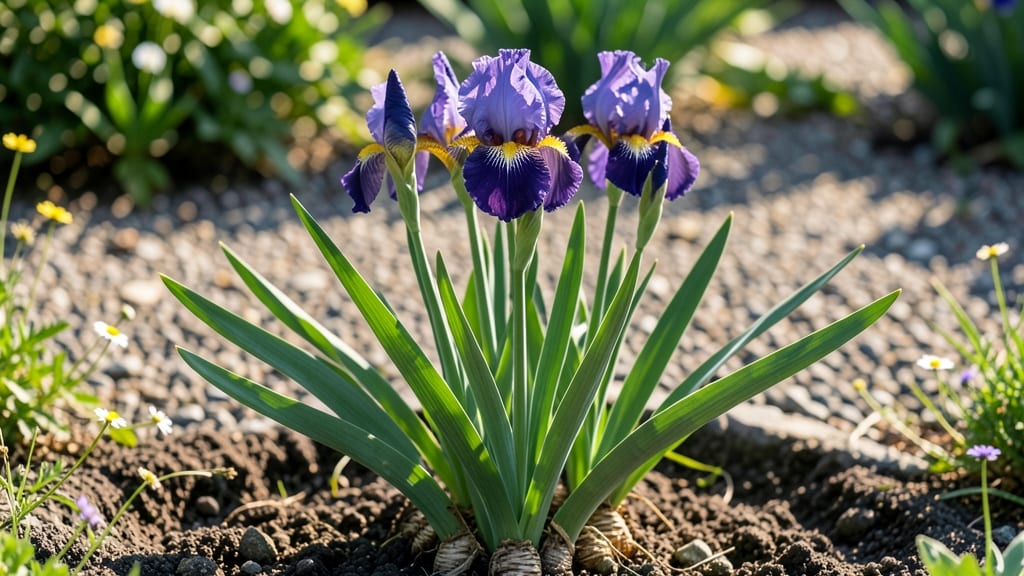
Double blooming irises deliver two seasons of showstopping color from a single planting—if you know the secret. 🌸 I’ve grown these lush beauties for years, and the difference between a single flush of blooms and a repeat performance comes down to a few key adjustments in soil, light, and care.
The magic starts with rich, well-draining soil mixed with compost—irises hate soggy roots but love nutrients. Plant rhizomes shallowly in full sun (at least 6 hours daily), and water deeply after planting, then let the soil dry between waterings.
Most gardeners overwater, which stunts reblooming. By summer’s end, you’ll see sturdy stems pushing new buds for a second show in fall. The blooms stay vibrant longer, and the foliage stays healthy through winter. It’s the kind of garden moment that makes neighbors ask, “How’d you do that?”
Works in borders, containers, or along driveways—just give them space to spread. Here’s exactly how to coax that second bloom.
📚 In This Guide
- What you need
- Instructions
- Tips and common mistakes
- Wrapping up and next steps
What you need
- ● Double blooming iris rhizomes: 3–5 healthy rhizomes per plant (choose varieties like ‘Immortality,’ ‘Florence,’ or ‘Ballet Dancer’ for reliable reblooming).
- ● Ensure rhizomes are firm, plump, and free of soft spots or mold.
- ● Well-draining soil: 1 part sand or perlite (for every 2 parts garden soil) to prevent rot.
- ● pH level: 6.0–7.0 (test with a soil kit or send a sample to a lab).
- ● Organic matter: 2–3 inches of compost or aged manure mixed into the planting hole.
- ● Slow-release fertilizer: 10-10-10 or 5-10-10 formula (apply 2 tbsp per plant at planting time).
- ● Mulch: 2–3 inches of pine bark fines or shredded leaves (keep 3 inches away from rhizomes).
- ● Garden fork or trowel: For digging planting holes (12–18 inches deep).
- ● Pruners or shears: For trimming dead foliage (sterilize with rubbing alcohol).
- ● Gloves: Heavy-duty to protect against thorns and soil-borne pathogens.
- ● Watering can or hose with a gentle spray nozzle: Irises hate soggy roots!
- ○ Stakes (optional): For tall varieties to prevent flopping in wind.
- ○ Soil pH test kit (optional): To fine-tune soil conditions.
- ○ Drip irrigation system (optional): For consistent moisture without overwatering.
- ● Sunlight: Full sun (6+ hours daily) for optimal reblooming.
- ● Spacing: 12–24 inches apart (check variety tags for specifics).
- ● Timing: Fall planting: Late August–October (rhizomes establish roots before winter).
- ● Spring planting: Early March–April (after last frost).
- ● Disease-free site: Avoid areas where iris borers or fungal diseases have been spotted.
Step-by-Step instructions for double blooming irises
Here’s how I transform standard irises into showstopping double bloomers—no fancy tricks, just smart timing and care.
🌱 Step 1: Choose the Right Iris Varieties
Not all irises double bloom naturally, so pick varieties known for their potential. Look for Bearded Irises like 'Blue Flag,' 'Black Negligee,' or 'George'—these are the most responsive to reblooming techniques. Avoid Siberian or Japanese irises; they’re less likely to cooperate. I always check the plant tag or breeders’ notes for "reblooming" labels before buying.
If you’re starting from seed, use hybridized varieties from reputable growers. Seeds from double-blooming parent plants have the best chance of inheriting the trait. Plant them in well-draining soil with full sun—irises hate soggy roots, and reblooming requires extra energy they won’t waste on struggling.
✂️ Step 2: Prune and Divide Established Clumps
Reblooming starts with healthy rhizomes. In early spring, before new growth appears, dig up the clump and divide it into sections with 3-5 fans per division. Use a clean, sharp knife to separate—don’t tear the rhizomes. Discard any that look mushy or diseased. This ensures each new planting has enough energy to support two blooming cycles.
Trim the leaves back to 6 inches but leave the top third intact. This balances energy use: enough foliage to feed the rhizome but not so much that it competes with flower production. Replant divisions 2 inches deep, with the top third of the rhizome exposed to sunlight. Water lightly after planting—no soaking.
☀️ Step 3: Feed and Fertilize for Double Blooms
Standard irises bloom once on stored energy, but rebloomers need continuous nourishment. Start with a balanced, slow-release fertilizer (10-10-10) in early spring, then switch to a low-nitrogen, high-phosphorus formula (5-10-10) when flower stalks appear. I apply fertilizer twice: once in spring and again after the first bloom fades. This second feeding jumpstarts the second bloom cycle.
Add compost or well-rotted manure around the base in early summer to boost organic matter. Irises thrive in sandy, gritty soil, so mix in coarse sand or perlite if your soil is heavy. Mulch lightly with gravel or bark chips—never organic mulch, which can smother the rhizomes.
💧 Step 4: Water Strategically for Extended Blooms
Reblooming irises need consistent moisture but no soggy soil. Water deeply once a week during dry spells, aiming for 1 inch of water total. Let the soil dry slightly between waterings—irises rot easily. After the first bloom, increase water slightly to support the second flush, but never waterlogged. I check by sticking my finger 2 inches deep; if it’s dry, it’s time to water.
Stop fertilizing 6 weeks before your first frost. This lets the rhizome harden off and store energy for next season. In fall, trim dead foliage to 3 inches but leave the healthy green leaves—they photosynthesize even in cool weather, feeding the rhizome for next year’s blooms.
🌿 Step 5: Deadhead and Support Second Blooms
After the first bloom fades, remove spent flower stalks but leave the leaves intact. Cut stalks at the base with clean shears—don’t leave stubs. This redirects energy to the rhizome instead of seed production. Watch for new flower buds forming on the same stalk; if they appear, let them bloom naturally.
If buds form but don’t open, it’s usually lack of sunlight or heat. Move the plant to a sunnier spot or add a light shade cloth in late afternoon to protect from scorching. Reblooming irises often produce smaller second blooms—embrace them! The goal isn’t perfection, but two shows per season instead of one.
Tips & tricks for perfect double blooming irises
Took me years to figure out these tricks—here's how to avoid the most common mistakes and get the most out of your reblooming irises.
Selection Tip: Not all iris varieties rebloom reliably, so focus on proven performers like 'Blue Flag' or 'Black Negligee'. I've found that even within the same variety, some plants naturally produce more second blooms than others. When selecting rhizomes for division, prioritize the ones that consistently rebloomed in previous seasons—they'll pass that trait to their offspring.
Division Strategy: When dividing your clumps in Step 2, aim for divisions with 3-5 healthy fans each. The key is balance—too many fans and the division won't have enough energy for two blooming cycles, but too few and it won't establish well. I always make my cuts just below the rhizome's crown, using a clean knife to avoid damaging the growing points. This precise division is what separates good rebloomers from great ones.
Fertilizer Timing: The second fertilizer application after your first bloom is absolutely critical for triggering that second flush. I've learned the hard way that skipping this step means no second blooms! Use a low-nitrogen, high-phosphorus formula (5-10-10) specifically because phosphorus promotes root and flower development. Apply it when you see the first blooms starting to fade—this gives the plant just enough energy to push those second buds.
Watering Wisdom: The 1-inch weekly watering guideline in Step 4 is perfect for most climates, but I've found that in hot summers, you might need to water every 5-6 days instead. The key is to keep the soil consistently moist but never soggy—irises are surprisingly drought-tolerant once established. After the first bloom, I increase my watering slightly to support the second flush, but I always check that 2-inch soil test before watering again.
Pro Tips for Double Blooming Irises
- Took me years to figure out these tricks—here's how to avoid the most common mistakes and get the most out of your reblooming irises.
- Selection Tip: Not all iris varieties rebloom reliably, so focus on proven performers like 'Blue Flag' or 'Black Negligee'.
- Division Strategy: When dividing your clumps in Step 2, aim for divisions with 3-5 healthy fans each.
Frequently asked questions
about double blooming irises—because every gardener deserves clarity! Here are answers to the most common queries to help you grow these stunning, twice-blooming beauties with confidence.Why do some double blooming irises only bloom once?
Even reblooming varieties can skip their second bloom due to stress factors like improper sunlight (they need 6+ hours of direct sun), overcrowded roots, or inconsistent watering. Prune spent blooms promptly and fertilize lightly after the first flush to encourage a second show. Patience is key!
When is the best time to plant double blooming irises?
Plant them in early spring or fall (4–6 weeks before the first frost) for optimal root establishment. Avoid summer planting—irises hate soggy soil and heat stress. If you’re dividing clumps, do it in late summer after the first bloom cycle fades. Timing = thriving blooms!
How often should I water double blooming irises?
Water deeply but infrequently—about 1 inch per week (more in extreme heat). Irises hate soggy roots, so ensure well-draining soil. After planting, keep soil moist for 2 weeks, then taper off. Drought-tolerant once established!
Can I grow double blooming irises in containers?
Use a large, deep pot (12+ inches) with fast-draining mix (add perlite or sand). Choose compact varieties like ‘Immortality’ or ‘Florence Scott.’ Place in full sun and water carefully—containers dry out faster. Perfect for patios or small gardens!
What pests or diseases should I watch for?
Irises are tough, but watch for iris borers (tiny moth larvae that tunnel into rhizomes) and leaf spot (brown spots from fungi). Prevent borers by removing old foliage in fall and treating rhizomes with neem oil if needed. Healthy plants = fewer pests!
Do double blooming irises need winter care?
In USDA Zones 3–7, mulch lightly (2–3 inches) after the ground freezes to protect rhizomes. In warmer zones (8+), they’re fine with minimal care. No deadheading in fall! Let foliage die back naturally to feed the rhizomes for next year’s blooms. Winter prep = spring rewards!
Wrapping up and next steps
Double blooming irises bring double the beauty to your garden with their reblooming magic! 🌸 Whether you're a seasoned gardener or just starting, these stunning perennials reward patience with two bursts of color in one season.
Now that you know the secrets to selecting, planting, and caring for them, it’s time to roll up your sleeves and transform your outdoor space.
Ready to dive in? Start with one variety—like the classic 'Florence Scott' or 'Reblooming Magic'—and watch your garden bloom twice as hard. Happy gardening! 🌱✨