
Blooming
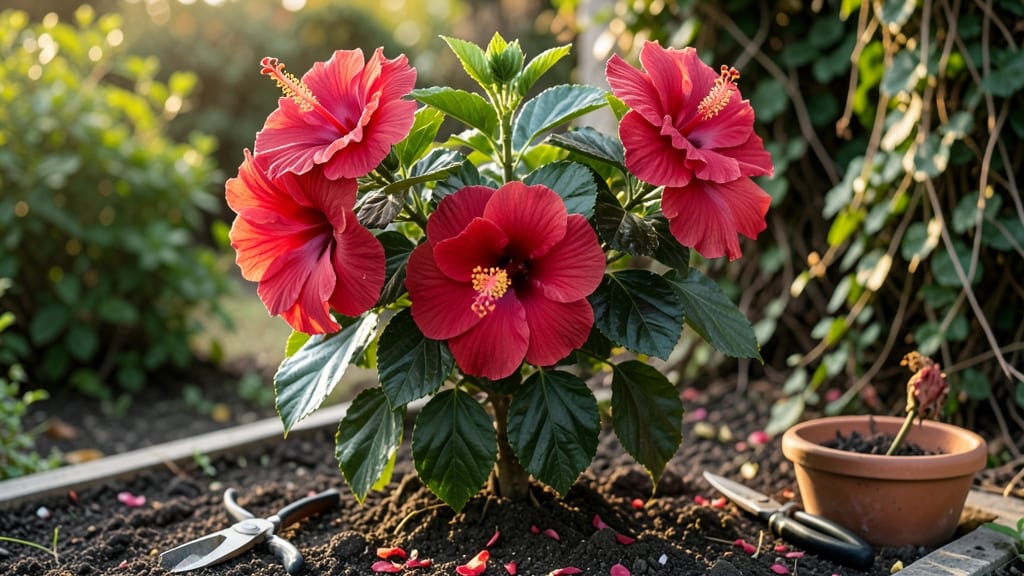
Double bloom hibiscus plants turn my summer garden into a nonstop floral parade—hundreds of layered petals per flower, reblooming until frost. 🌸 The secret isn’t just picking the right variety (like ‘Dwarf Red’ or ‘Southern Belle’), but mastering the light, soil, and pruning rhythm that keeps them flowering like clockwork.
These frost-proof perennials thrive in zones 5-9, where they bounce back from winter with barely a scratch. The key? Planting in full sun with well-draining soil (amend with compost), watering deeply but letting the top inch dry between soakings, and feeding with a balanced 10-10-10 fertilizer every 6 weeks.
Skip the heavy hand—over-fertilizing leads to lush leaves and zero blooms. By pruning back by one-third right after the first flush of blooms in early summer, you trigger that second wave of double-petal extravaganzas.
The plants stay compact, the flowers get bigger, and you avoid the leggy, sparse growth that plagues neglected hibiscus. What sets double-bloom types apart is their extra set of petals (look for 8+ layers instead of 5-6).
Varieties like ‘Lady Baltimore’ or ‘Pride of Hamburg’ deliver the most dramatic results with minimal fuss. Here’s how to keep them at their peak all season.
📚 In This Guide
- What you need
- Instructions
- Tips and common mistakes
- Wrapping up and next steps
What you need
- ● Double Bloom Hibiscus Plants: 1-3 nursery-grown plants (check for healthy leaves and sturdy stems).
- ● Well-Draining Soil: Mix organic matter (like compost or peat moss) into native soil for improved fertility. Aim for a pH of 6.0–7.0.
- ● Sunlight Spot: A location with full sun (6+ hours daily)—partial shade may reduce blooms.
- ● Watering Can or Hose: With a gentle spray nozzle for hydration without damaging flowers.
- ● Fertilizer: Slow-release balanced granular fertilizer (10-10-10) or organic options like fish emulsion.
- ● Garden Gloves (to protect hands from thorns).
- ● Pruning Shears (sharp, sterilized for trimming dead blooms or shaping).
- ● Mulch (Pine Straw or Shredded Bark) (2–3 inches) to retain moisture and regulate soil temp.
- ○ Container (Optional): 15+ gallon pot with drainage holes if growing in pots (use lightweight potting mix).
- ○ Epsom Salt (Optional): 1 tbsp/month dissolved in water for magnesium boost (great for vibrant blooms!).
Step-by-step instructions for growing double bloom hibiscus
Here's how to coax those stunning double blooms from your frost-proof hibiscus plants.
🌱 Step 1: Choose the Right Location for Year-Round Success
Select a spot with full sun exposure (6-8 hours daily) and protection from strong winds. I always plant mine near a southern-facing wall where they get morning warmth but afternoon shade in hot climates. The key is finding that balance—too much midday sun can scorch tender new blooms, while too little light reduces flowering intensity.
Double bloom hibiscus need well-draining soil with a slightly acidic pH (6.0-6.5). Amend heavy clay soil with 2-3 inches of compost mixed into the top 12 inches. You'll see the difference immediately in how vigorously the roots spread and how quickly the plants establish themselves.
☀️ Step 2: Plant at the Correct Depth and Spacing
Dig a hole twice as wide as the root ball but only as deep as the container's base. This prevents the plant from settling too low, which can cause root rot. Gently loosen the roots if they're circling and position the plant so the top of the root ball sits 1 inch above ground level.
Space plants 4-5 feet apart to allow proper airflow and prevent fungal diseases. I always plant mine in a loose triangle formation—this creates natural shade for the roots while still giving each plant maximum sun exposure. Water deeply right after planting to settle the soil around the roots and remove any air pockets.
💧 Step 3: Water Deeply and Maintain Consistent Moisture
Water newly planted hibiscus every 2-3 days until established, keeping the soil evenly moist but never soggy. Double bloom varieties are more sensitive to moisture stress than single blooms, so I check the soil with my finger—if the top 2 inches feel dry, it's time to water.
Once established, reduce watering to once weekly during dry periods, but always water deeply enough to moisten the soil 12 inches down. You'll know you're doing it right when you see the leaves maintain their deep green color without wilting, even in heat waves.
✂️ Step 4: Prune Strategically for Maximum Blooms
Prune in early spring before new growth begins, cutting back one-third of the plant's height to encourage bushier growth. Remove any dead, diseased, or crossing branches first—this improves airflow and reduces disease risk. I always make cuts just above a leaf node at a 45-degree angle to prevent water from pooling.
After the first flush of blooms, deadhead spent flowers by cutting the stem back to the nearest leaf node. This redirects the plant's energy into producing more blooms rather than seed pods. For double bloom varieties, I do this every 7-10 days during peak flowering season to maintain that lush, multi-petal display.
🌿 Step 5: Feed and Protect for Continuous Reblooming
Apply a balanced 10-10-10 fertilizer in early spring and again after the first flush of blooms. Double bloom hibiscus are heavy feeders, so I use ½ cup per plant mixed into the soil around the drip line. You'll notice new growth within 2-3 weeks—that's your sign the plant is responding well.
In late summer, switch to a low-nitrogen, high-phosphorus fertilizer (5-10-10) to encourage more blooming. Mulch with 2-3 inches of organic mulch to retain moisture and protect roots from temperature swings. This simple step keeps my plants blooming well into fall, sometimes even through first frost.
Tips & tricks for perfect double bloom hibiscus
These little secrets will help you coax those stunning double blooms from your frost-proof hibiscus plants.
Sunlight Strategy: The 6-8 hours of daily sun is non-negotiable, but timing matters just as much as duration. I've found that morning sun (especially before 10 AM) paired with afternoon shade after 3 PM makes all the difference in preventing scorched petals. If you're in a hot climate, consider using a shade cloth (30-50% coverage) during peak afternoon hours—this protects those delicate double blooms while still giving your plants plenty of light.
Soil Science: That slightly acidic pH (6.0-6.5) is crucial, but don't stop at just testing it. I've seen dramatic improvements when I mix in 2-3 inches of compost into the top 12 inches of soil—this creates a perfect environment for root development. For an extra boost, add a handful of coffee grounds to the planting hole before adding your hibiscus. The acidity from the coffee grounds helps maintain that ideal pH while also providing nitrogen for lush foliage.
Pruning Precision: When you're cutting back one-third of the plant's height in early spring, aim to make your cuts just above a leaf node at a 45-degree angle. This technique prevents water from pooling on the cut, which can lead to rot. For double bloom varieties, I also recommend keeping your pruning shears sharp—dull blades can crush stems, creating entry points for diseases. After pruning, give your plants a light application of fungicide as a preventative measure during this vulnerable growth phase.
Fertilizer Timing: The two applications of fertilizer—once in early spring and again after the first flush of blooms—are perfect, but there's a trick to getting the most out of them. When you apply that ½ cup of 10-10-10 fertilizer in spring, water it in immediately. This helps the nutrients reach the roots quickly. For the late summer application of 5-10-10 fertilizer, I like to split the dose into two smaller applications—once in early August and again in mid-September. This extended feeding period keeps the blooms coming well into fall.
Pro Tips for Double Bloom Hibiscus
- These little secrets will help you coax those stunning double blooms from your frost-proof hibiscus plants.
- Sunlight Strategy: The 6-8 hours of daily sun is non-negotiable, but timing matters just as much as duration.
- Soil Science: That slightly acidic pH (6.0-6.5) is crucial, but don't stop at just testing it.
Frequently asked questions
Got questions about growing double bloom hibiscus? You’re not alone! Here are some of the most common queries—plus straightforward answers to keep your plants thriving.
How often do double bloom hibiscus flowers appear?
Unlike single-bloom varieties, double bloom hibiscus (like ‘Dwarf Red’ or ‘Lavender Lady’) produce two flushes of flowers per year—typically in spring and fall. With proper care (full sun, balanced fertilizer, and deadheading), some cultivars may even rebloom sporadically in summer. Patience pays off!
Are double bloom hibiscus frost-tolerant?
Most double bloom hibiscus are tender perennials and cannot survive frost (below 25°F/-4°C). In colder climates, grow them in containers and bring them indoors or mulch heavily. If planted in the ground, protect them with burlap wraps or row covers during winter. Zone 9+ is ideal!
Why isn’t my double bloom hibiscus reblooming?
Reblooming hiccups often stem from three key issues:
- Insufficient light: Hibiscus needs 6+ hours of direct sun daily.
- Poor fertilization: Use a balanced, low-nitrogen fertilizer (like 10-10-10) every 4-6 weeks during growing season.
- Over-pruning: Trim only after blooming to encourage new growth.
Can I grow double bloom hibiscus in containers?
Container gardening is perfect for double bloom hibiscus, especially in cooler areas. Use a 5-gallon+ pot with well-draining soil and place it in full sun. Ensure the pot has drainage holes to prevent root rot. Dwarf varieties (like ‘Dwarf Blue’) thrive in containers—just feed them regularly!
What’s the best alternative if double bloom hibiscus don’t thrive?
If your climate or conditions aren’t ideal, consider these low-maintenance, frost-tolerant alternatives:
- Hibiscus syriacus (‘Rose of Sharon’): Hardy to Zone 5, blooms summer-fall.
- Butterfly bush (Buddleia): Drought-tolerant, attracts pollinators.
- Crapemyrtle: Heat-resistant with long bloom seasons.
Wrapping up and next steps
Growing double bloom hibiscus is a rewarding journey that brings year-round color and beauty to your garden—even in cooler climates! These frost-proof perennials thrive with the right care, offering vibrant reblooms that turn heads.
Whether you’re a seasoned gardener or just starting, their resilience and stunning flowers make them a must-have for any outdoor space.
Ready to transform your garden? Start by selecting the perfect variety, prepping your soil, and giving them the love they deserve. Next up: Grab your gardening gloves and plant your first double bloom hibiscus today—your future floral masterpiece awaits! 🌸✨