
Blooming
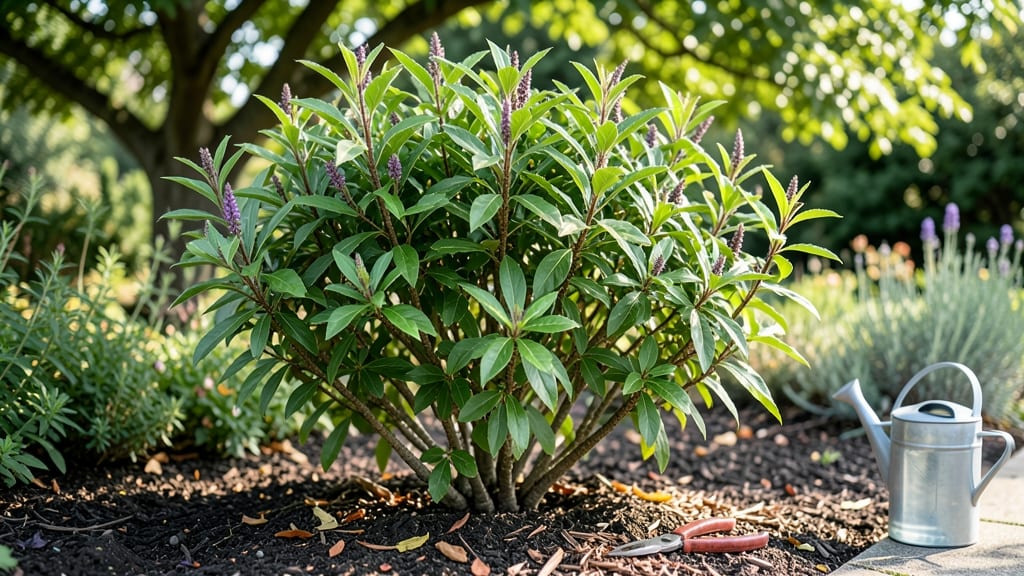
Your butterfly bush before it blooms looks nothing like the showstopper it becomes—just a tangle of velvety green stems and finger-like leaves that flutter in the breeze. ✨ I used to panic when mine looked scraggly in spring, but now I know those early shoots are the secret to bushier growth and bigger blooms later.
The key is pruning before new growth starts. Cut back 1/3 of last year’s stems to the strongest buds, and shape the plant into a rounded form. Avoid heavy pruning in fall, or you’ll sacrifice next season’s flowers.
Pair this with morning sun and well-draining soil, and you’ll see fresh green shoots within weeks. By summer, those same stems will burst with fragrant purple blooms, attracting butterflies by the dozens. The trick is patience—skipping pruning now means fewer flowers later.
Your bush will thank you with dense foliage and a longer bloom season. This method works for both young plants and mature bushes. Just time your cuts right, and you’ll have a butterfly magnet by mid-summer. Let’s get those shears ready!
📚 In This Guide
- What you need
- Instructions
- Tips and common mistakes
- Wrapping up and next steps
What you need
- ● Pruning shears or loppers: Choose sharp, bypass pruners (not anvil-type) for clean cuts. Size: 6–8" for small stems, 10–12" loppers for thicker branches.
- ● Disinfectant (70% isopropyl alcohol or bleach solution): 1 part bleach to 9 parts water to sterilize tools between cuts (prevents disease spread).
- ● Garden gloves: Heavy-duty, cut-resistant gloves to protect against thorns and sap.
- ○ Pruning saw (optional but helpful): For branches thicker than 1.5" in diameter. Recommended: Folding pruning saw with a fine-tooth blade.
- ● Marking twine or paint: For tagging branches to identify cuts (if pruning in stages).
- ● Compost bin or mulch: To dispose of pruned branches (they’re great for composting!).
- ● Hand pruners with a bypass blade: For precision trimming on delicate stems.
- ● Extension pole pruners: If your bush is tall (6+ feet), reach those high branches safely!
- ● Plant food (balanced fertilizer, 10-10-10): A little boost post-pruning encourages new growth.
- ● Plant tie or stake: To support weak stems if needed after heavy pruning.
How to prune butterfly bush for thicker, healthier growth
Here's the simple pruning routine that transforms leggy stems into a lush, flowering powerhouse.
✂️ Step 1: Prune in Early Spring Before New Growth Begins
Wait until late winter or early spring when the plant is still dormant but before you see any new buds. This timing ensures you're cutting back old wood while allowing fresh growth to emerge from the base. I always prune on a dry day—wet conditions invite fungal infections through fresh cuts.
Start by removing any dead, diseased, or crossing branches first. These compete with healthy growth and can spread problems. Use clean, sharp pruners to make cuts at a 45-degree angle just above a leaf node or outward-facing bud. This angle helps water run off the cut instead of pooling.
✂️ Step 2: Cut Back Last Year's Growth by One-Third
Look for last year's growth—these are the long, woody stems that produced flowers. Using your pruners, cut each of these stems back to a strong, outward-facing bud about 1/3 of their length. This might sound drastic, but it forces the plant to send out multiple new stems from the base, creating a fuller shape.
For stems that are completely bare or weak, cut them all the way back to the ground. Butterfly bushes are surprisingly resilient and will bounce back with vigorous new growth. If you're unsure which stems to cut, remember: thicker stems = older growth that should be reduced.
✂️ Step 3: Thin Out Overcrowded Branches for Better Airflow
Now focus on the plant's overall shape. Look for branches that are rubbing against each other or growing inward. These should be removed completely to prevent damage and improve airflow. Aim for an open, vase-like shape with branches spaced evenly around the plant.
As you work, step back every few minutes to check your progress. You want to see light penetrating to the center of the plant. If you can still see dense foliage in the middle, keep thinning until you can see at least 50% of the center branches removed. This prevents fungal issues and encourages more flowers.
⏰ Step 4: Lightly Prune After Flowering to Shape the Plant
Once the butterfly bush finishes blooming, do a light pruning to maintain its shape. Remove any spent flower clusters and any branches that are growing in directions you don't want. This keeps the plant looking tidy and encourages another round of blooms later in the season.
I like to do this pruning in stages—first after the first flush of flowers, then again after the second flush if your climate is warm enough. Never cut back more than 1/4 of the plant's height at this stage, or you'll reduce next year's flowering potential. Think of this as a maintenance trim, not a major reshaping.
🌱 Step 5: Fertilize and Water After Pruning
The final step is to give your butterfly bush a boost. Water deeply right after pruning to help the plant recover and establish new roots. Then, apply a balanced, slow-release fertilizer (like 10-10-10) according to package instructions. This provides the nutrients needed for strong new growth.
Over the next few weeks, keep the soil evenly moist but not soggy. You'll see new buds forming at the base of the plant within 3-4 weeks. This is your reward for the work—watch as those buds open into vibrant flowers that attract butterflies all season long.
Tips & tricks for pruning butterfly bush for bushier growth
A few simple adjustments can make all the difference between a leggy butterfly bush and a thriving, flower-filled powerhouse.
Timing is Everything: Late winter or early spring is your golden window—right when the plant is still dormant but before any new buds appear. I've learned the hard way that pruning too early can leave your plant vulnerable to cold snaps, while waiting too long risks cutting off next year's blooms. If you miss this window, don't panic—you can still do a light shaping prune after flowering, but you'll sacrifice some of that bushy growth.
The 45-Degree Angle Secret: When making cuts in Step 1, that 45-degree angle isn't just for show—it's about directing water away from the cut to prevent rot. I like to think of it like a tiny roof: water slides right off instead of pooling. For thicker stems, make the cut just above an outward-facing bud to encourage new growth in the direction you want it to go. This simple technique can double your plant's fullness over a season.
Visual Progress Check: After thinning in Step 3, step back every few minutes to check your progress. You're aiming for that "light show" effect—light should be able to penetrate to the center of the plant. If you can still see dense foliage in the middle, keep thinning until you can see at least 50% of the center branches removed. This isn't about being aggressive; it's about creating an environment where every branch gets its chance to shine.
Post-Pruning Care: That deep watering after pruning isn't just a formality—it's essential for recovery. I've seen plants wilt dramatically after pruning only to bounce back beautifully with proper hydration. Keep the soil evenly moist (not soggy) for those first few weeks, and you'll notice new buds forming at the base within 3-4 weeks. It's like watching a magic trick unfold right before your eyes!
Pro Tips for Butterfly Bush Before It Blooms
- A few simple adjustments can make all the difference between a leggy butterfly bush and a thriving, flower-filled powerhouse.
- Timing is Everything: Late winter or early spring is your golden window—right when the plant is still dormant but before any new buds appear.
- The 45-Degree Angle Secret: When making cuts in Step 1, that 45-degree angle isn't just for show—it's about directing water away from the cut to prevent rot.
Frequently asked questions
about pruning your butterfly bush before it blooms can save you time and frustration. Here are some common queries—and their answers—to help you get the most out of your plant!When is the best time to prune a butterfly bush before it blooms?
Prune your butterfly bush late winter or early spring (just before new growth starts). This ensures you remove dead wood while encouraging fresh, bushier growth before blooming season. Avoid pruning in fall or early spring when frost is still a risk.
How much can I trim off without harming the plant?
You can safely remove up to one-third of the plant’s height in a single pruning session. For mature bushes, aim for 1/3 to 1/2 of the previous year’s growth. Focus on cutting back leggy stems to encourage denser foliage and more blooms later.
What if my butterfly bush isn’t blooming after pruning?
If your bush skips blooming, it may need more sunlight (6+ hours/day) or balanced fertilizer (high in phosphorus). Over-pruning too late in the season or cutting back all old wood can also delay blooms. Adjust your timing or feed it a bloom booster in early spring.
Are there alternatives if I don’t want to prune before blooming?
Yes! You can lightly shape the bush in late winter (just removing dead or crossing branches) and do a post-bloom pruning in early fall. This still promotes health but lets you enjoy flowers first. Just avoid heavy cuts after summer—it can reduce next year’s blooms.
How do I know if I’ve pruned too aggressively?
Signs of over-pruning include bare stems, sparse foliage, or no new growth by late spring. If this happens, reduce pruning next year and focus on fertilizing. Butterfly bushes are resilient, but drastic cuts can stress them—think of it as a haircut, not a buzz cut!
Wrapping up and next steps
Your butterfly bush before it blooms is a blank canvas—waiting for your pruning touch to transform it into a vibrant, butterfly-magnet masterpiece! 🌿 By mastering the art of strategic pruning in late winter or early spring, you’ll encourage lush, bushier growth and set the stage for stunning summer blooms.
The key? Timing, technique, and confidence—your garden will thank you with waves of color and fluttering wings.
Ready to take the next step? Grab your pruners, mark your calendar for dormant-season pruning, and watch your butterfly bush thrive like never before. Happy gardening! 🌸