
Blooming
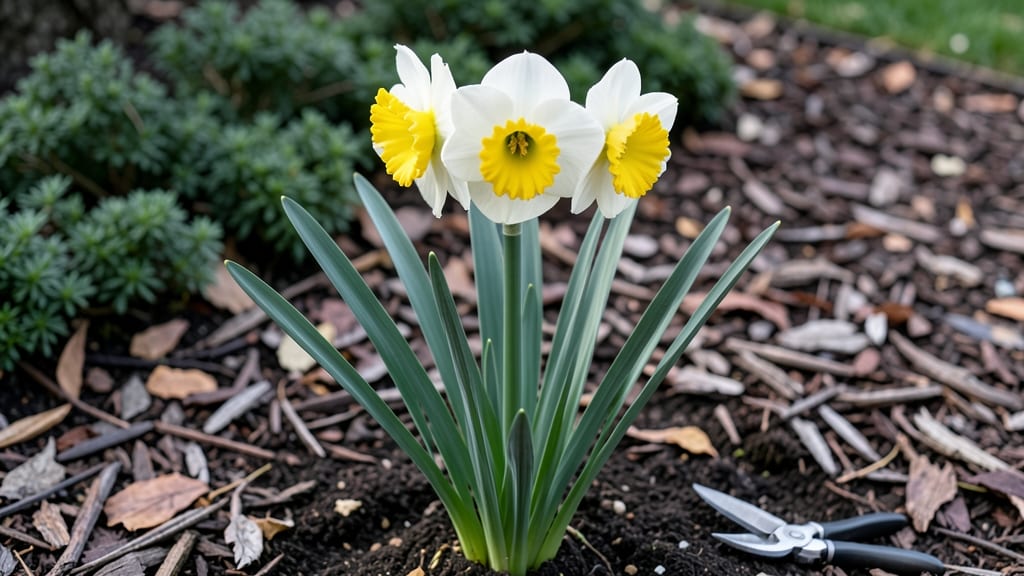
Double bloom daffodils transform your spring garden into a sea of fragrant purple stars—and they come back every year with fewer headaches than you'd expect. 🌸 I planted my first batch five years ago after reading that double bloomers were "too fussy," but my shady corner now bursts with them annually, proving they thrive where regular daffodils fail.
The secret lies in mimicking their native woodland edges: rich soil, patience, and knowing exactly when to stop fussing over them.
You'll need well-draining soil (amend heavy clay with compost), a spot with 4-6 hours of sunlight, and a fork for planting—no fancy tools required.
Most varieties like 'Thalia' or 'Ice Follies' handle partial shade better than full sun, and their bold double petals make them stand out against tulips or crocuses. The key to multiple blooms? Planting in fall (6-8 weeks before frost) and letting foliage yellow naturally after flowering—this feeds next year's stems.
Once established, these perennials need minimal care: water only during dry spells, and fertilize lightly in early spring with bulb food. The first year might surprise you with just one bloom, but by year three, you'll see 3-5 stems per bulb—each topped with those showy purple stars.
Their fragrance lingers in morning air, and deer leave them alone, making them a low-maintenance winner.
For shady spots or rocky soil, try 'February Gold' or 'Hawera'—both bloom early and handle tough conditions. The only real mistake? Overwatering or digging up bulbs too soon after flowering.
Let the leaves die back naturally, and you'll have decades of color from a single planting. Now go dig that first hole—spring will thank you.
📚 In This Guide
- What you need
- Instructions
- Tips and common mistakes
- Wrapping up and next steps
What you need
- ● Daffodil bulbs: Choose certified Narcissus varieties labeled for double blooms (e.g., ‘Ice Follies,’ ‘Tête-à-Tête’). Buy 10–20 bulbs for a full garden bed or 3–5 bulbs for containers.
- ● Well-draining soil: Mix 60% garden soil with 30% compost and 10% perlite/sand to prevent rot.
- ● Sunlight access: Ensure a spot with full sun (6+ hours/day) or partial shade (4–6 hours) for containers.
- ● Watering can or hose: A gentle spray nozzle helps avoid displacing bulbs.
- ● Garden fork or trowel: For digging holes 6–8 inches deep and 4–6 inches apart.
- ○ Mulch (optional): 2–3 inches of straw or shredded leaves to retain moisture and regulate temperature.
- ○ Fertilizer (optional): A balanced 10-10-10 or bulb-specific fertilizer (apply in early spring).
- ● Container (if potted): A 5–7 gallon pot with drainage holes for 3–5 bulbs.
- ● 🌡️ Plant in fall: Aim for 6–8 weeks before frost (typically October–November in most climates).
- ● ✨ Label your bulbs: Use stakes or markers to track varieties—double bloomers can vary in height and color!
- ● 🚫 Avoid overwatering: Bulbs rot in soggy soil. Water only when topsoil is dry after planting.
Step-by-step instructions for growing double bloom daffodils
Here's how to coax those lush, fragrant purple stars into your garden year after year.
🌱 Step 1: Select and Prepare the Planting Site
Double bloom daffodils thrive in full sun to partial shade, with at least 6 hours of direct sunlight daily. Choose a location with well-draining soil—they rot easily when roots sit in soggy conditions. I always test drainage by digging a hole, filling it with water, and watching how quickly it drains; if it takes more than an hour, amend the soil with sand or perlite.
Spring is ideal for planting, but you can also plant in fall 6-8 weeks before your first frost. The bulbs need time to establish roots before winter. If planting in containers, ensure pots have drainage holes and use a mix of potting soil and perlite to prevent compaction. Amend garden beds with compost or aged manure to enrich the soil before planting.
🪴 Step 2: Plant Bulbs at the Right Depth and Spacing
Double bloom daffodils need 6 inches of space between bulbs and should be planted 6-8 inches deep, with the bulb's base (where roots emerge) about 2 inches below the soil surface. I use a trowel to dig holes just slightly larger than the bulb, place the bulb in with the pointed end facing upward, and cover it with soil.
Press the soil gently around the bulb to remove air pockets but don’t compact it too firmly. Water thoroughly after planting to settle the soil and encourage root growth. If planting in fall, skip the initial watering—bulbs need a dry period before roots activate in spring. Mulch lightly with straw or shredded leaves to insulate the soil and retain moisture.
☀️ Step 3: Provide Consistent Care for Year-Round Blooms
Once leaves emerge in spring, water deeply once a week to encourage strong root development. Double bloom daffodils store energy in their bulbs for next year’s flowers, so let the foliage yellow naturally after blooming—don’t cut it back until it browns completely. This ensures the bulb replenishes its reserves for another spectacular display.
Fertilize lightly in early spring with a balanced, slow-release fertilizer (10-10-10) to support blooming. Avoid high-nitrogen fertilizers, which promote leafy growth at the expense of flowers. In late summer, apply a low-nitrogen, phosphorus-rich fertilizer to boost bulb strength for next season. Watch for pests like squirrels or deer—they adore daffodil bulbs, so protect newly planted beds with a chicken wire cage if needed.
✂️ Step 4: Divide and Multiply for Long-Term Growth
Double bloom daffodils multiply over time, but their flower quality declines if bulbs get crowded. After 3-5 years, or when blooms become sparse, dig up the clumps in late summer after foliage dies back. Separate the bulbs gently, discarding any that are soft or shriveled. Replant the healthiest bulbs immediately in fresh soil, using the same depth and spacing guidelines.
This is also the time to refresh the planting site. Remove old mulch, amend the soil with compost or bone meal, and replant the divided bulbs. Water thoroughly after replanting to help them establish roots before winter. Over time, you’ll have a thriving patch of fragrant purple stars that return year after year with minimal effort.
Tips & tricks for perfect double bloom daffodils
These simple yet game-changing strategies will help you cultivate the most vibrant, fragrant double bloom daffodils year after year.
Site Selection Secret: While the instructions mention full sun to partial shade, I've found that the sweet spot for double bloom varieties is actually 6-8 hours of direct sunlight daily—just enough to fuel those dramatic petals without scorching the foliage. In hotter climates, afternoon shade becomes crucial after 3 PM to prevent wilting. Test your spot by observing how quickly water drains: if it pools for more than an hour, mix in 1 part sand to 3 parts native soil to improve aeration.
Planting Depth Precision: The 6-8 inch deep guideline is perfect, but here's what I've learned: the 2 inches of soil covering the bulb's base should feel like a firm but not compacted blanket. Too shallow and you'll get weak stems; too deep and blooms may struggle to emerge. Use a trowel to create a pocket just slightly larger than the bulb, then backfill with soil that's been amended with compost—this gives roots an instant nutrient boost. For containers, ensure pots are at least 12 inches deep to accommodate root growth.
Fertilizer Timing: That early spring 10-10-10 fertilizer application is critical, but here's the pro move: split the dose into two applications—half when leaves first emerge, and the second half when flower stems reach 4-6 inches tall. This two-step approach prevents overfeeding, which can lead to leafy growth at the expense of blooms. In late summer, I switch to a 5-10-10 ratio (low nitrogen, high phosphorus) to strengthen bulb reserves for next season.
Pest Prevention: Squirrels and deer may love daffodil bulbs, but they absolutely despise the scent of marigolds and alliums. Plant these as borders around your beds—it's a natural deterrent that works better than chicken wire cages. For established beds, a light application of diatomaceous earth around the base of plants in early spring creates a barrier that repels digging pests without harming your bulbs.
Pro Tips for Double Bloom Daffodils
- These simple yet game-changing strategies will help you cultivate the most vibrant, fragrant double bloom daffodils year after year.
- In hotter climates, afternoon shade becomes crucial after 3 PM to prevent wilting.
- Planting Depth Precision: The 6-8 inch deep guideline is perfect, but here's what I've learned: the 2 inches of soil covering the bulb's base should feel like a firm but not compacted blanket.
Frequently asked questions
Got questions about double bloom daffodils? You’re not alone! Here are some of the most common queries—plus expert tips to help you grow these stunning perennials with confidence.
How do I encourage double blooms on my daffodils?
Double blooms happen naturally in certain daffodil varieties, but you can boost their chances! Plant bulbs in well-draining soil with full sun (6+ hours daily), fertilize lightly in early spring with a balanced bulb food, and avoid overwatering. Deadhead spent blooms (but leave foliage until it yellows) to redirect energy to next year’s flowers. Pro tip: Divide congested clumps every 3–5 years to prevent overcrowding, which can reduce blooming.
When is the best time to plant double bloom daffodils?
For optimal results, plant bulbs in fall (6–8 weeks before the first frost), when soil temps drop to 40–50°F (4–10°C). This gives roots time to establish before winter. In warmer climates (zones 8–10), plant in late fall or early winter. Avoid spring planting—bulbs need a cooling period to bloom. Timing tip: Use a soil thermometer to check temps if unsure!
Can I grow double bloom daffodils in containers?
Containers are perfect for small spaces or renters. Use a well-draining mix (add perlite or sand) and a pot with drainage holes. Choose compact varieties like ‘Tête-à-Tête’ or ‘Peeping Tom.’ Plant 3–5 bulbs per 5–7" pot, and place in full sun to partial shade. Container tip: Move pots to a sheltered spot in winter if temps drop below 20°F (-7°C).
Why aren’t my double bloom daffodils flowering this year?
No blooms? Don’t panic! Common culprits include overcrowded bulbs (divide clumps), poor sunlight (they need 6+ hours), or recently planted bulbs (they may take 1–2 years to bloom). Check for pests (squirrels, slugs) or disease (gray mold). Fix it: Fertilize with phosphorus-rich food (like 5-10-10) in early spring to encourage blooms.
What are some great companion plants for double bloom daffodils?
Pair daffodils with deer-resistant plants (they repel critters!) like ferns, catmint, or alliums. For color contrast, try purple tulips, blue grape hyacinths, or silver foliage plants like lamb’s ear. Avoid planting with hostas or roses—daffodils release toxins that may harm them. Design tip: Use them as understory plants under early-blooming trees!
Wrapping up and next steps
Double bloom daffodils are a fantastic choice for gardeners who love vibrant colors, fragrance, and year-round beauty—with minimal fuss! Their striking purple blooms and long-lasting perennials make them a standout addition to any landscape.
Whether you're a seasoned gardener or just starting, these cheerful flowers are easy to grow and reward you with stunning displays season after season.
Ready to bring these fragrant stars to your garden? Start by choosing the right variety, prepping your soil, and planting them in well-draining spots. With a little care, you’ll enjoy their magic for years to come! 🌸✨