
Blooming
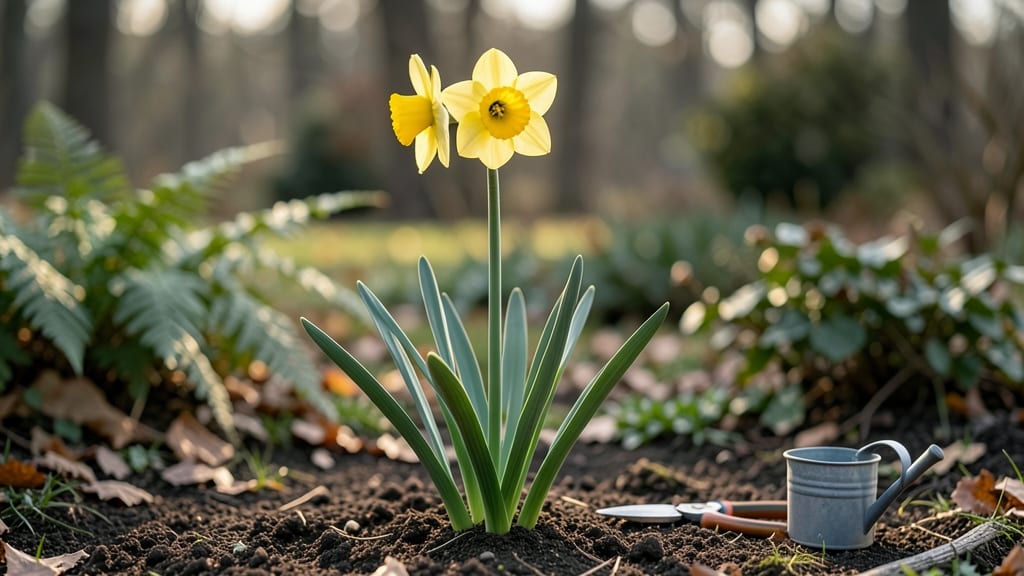
Daffodils in bloom transform your garden into a golden wave of sunshine. 🌼 There’s nothing like that first burst of trumpet-shaped blooms signaling spring’s arrival after a long winter—it’s the gardening equivalent of a hug from Mother Nature herself.
These hardy perennials don’t just survive the cold; they thrive in it, storing energy underground to burst forth with vibrant color when most other flowers are still napping beneath the soil.
The best part? Daffodils bloom at a time when your garden feels like a blank canvas—early spring, before weeds take over or summer’s heat sets in.
In most regions, they appear between late February and early April, though coastal areas might see them as early as January, while inland zones could wait until May. That’s why they’re the perfect seasonal anchor—plant them once, and they’ll reward you year after year with minimal fuss.
Even better, their fragrance lingers in the crisp morning air, inviting bees and early pollinators to your yard.
To stretch their display, choose varieties with staggered bloom times—some daffodils last 2-3 weeks, while others linger for a full month. Pair them with bleeding hearts, hellebores, or early tulips for a layered look that keeps color coming until summer takes over.
The secret to keeping them happy? Deadhead spent blooms (but leave the foliage until it yellows) and mulch lightly to protect their roots. Your garden will thank you with bold, cheerful displays that make every spring feel like a fresh start.
Whether you’re a first-time gardener or a seasoned pro, daffodils are the foolproof way to bring joy early in the year. They naturalize beautifully, multiply over time, and even deter squirrels—talk about a multi-tasking plant!
Next time you see those first golden cups peeking through the soil, you’ll know spring’s magic is already at work. Now, let’s talk about how to make the most of their show.
📚 In This Guide
- What you need
- Instructions
- Tips and common mistakes
- Wrapping up and next steps
What you need
- ● Daffodil bulbs: 10–20 bulbs (depending on desired coverage). Choose Narcissus varieties like 'Tête-à-Tête' (compact) or 'Ice Follies' (tall, fragrant) for best results.
- ● Well-draining soil: Mix 2 parts topsoil with 1 part compost or sand to prevent bulb rot.
- ● Garden fork or tiller: For loosening soil to a depth of 8–12 inches.
- ● Organic fertilizer: 1 cup of 5-10-10 or bulb-specific fertilizer (e.g., bone meal).
- ● Mulch: 2–3 inches of shredded bark, straw, or pine needles to retain moisture.
- ● Garden gloves: To protect hands from sharp soil and bulb edges.
- ● Measuring tape or ruler: For spacing bulbs 4–6 inches apart.
- ● Watering can or hose with gentle spray: Avoid overwatering bulbs.
- ○ Optional: Stakes or rings (for tall varieties like 'Paperwhite' to prevent flopping).
- ● Slow-release fertilizer tablets (for extra nutrition).
- ● Decorative rocks or pebbles (to enhance aesthetics).
- ● Timing: Plant bulbs in fall (8–10 weeks before first frost) for spring blooms. Check your USDA hardiness zone!
- ● Location: Choose a spot with full sun (6+ hours/day) or partial shade (especially in hot climates).
- ● Drainage test: Dig a 12-inch hole, fill with water, and wait 1 hour. If water remains, amend soil or plant in a raised bed.
How to create a stunning daffodil display that blooms year after year
Here's my foolproof method for planting daffodils that multiply, naturalize, and deliver bold spring color for decades.
🌱 Step 1: Choose the Perfect Planting Location
Daffodils thrive where they get full sun to partial shade—at least 6 hours of sunlight daily. I always plant mine where they'll receive morning sun and afternoon dappled shade, especially in hotter climates. The key is avoiding soggy soil; they hate wet feet during winter dormancy.
Look for spots with well-draining soil. If your yard has heavy clay, amend with compost before planting. You'll know you've picked the right spot when you see those first bright green shoots pushing through the soil in early spring—they'll grow thick and vigorous, not spindly.
🪴 Step 2: Plant Bulbs at the Right Depth and Spacing
Plant daffodil bulbs 6 inches deep and 4-6 inches apart. The rule of thumb is to dig a hole twice as deep as the bulb's height—this ensures proper root development. I like to plant them in clusters of 3-5 bulbs for a natural, full look.
Place the bulb with the pointed end facing up. If you're unsure which end is up, don't worry—daffodils will still grow, though they might take a year to bloom. After planting, cover the bulbs with soil and water deeply to settle everything into place. The soil should feel damp but not soggy.
☀️ Step 3: Provide Consistent Care for Healthy Blooms
Once planted, daffodils need moderate watering—about 1 inch per week during their active growing season (spring through early summer). You'll know they're getting enough water when the soil feels moist 2 inches below the surface. Overwatering can cause bulb rot, so let the top inch of soil dry out between waterings.
After flowering, let the foliage die back naturally. This process feeds the bulb for next year's blooms. I always wait until the leaves turn completely brown before cutting them back. Fertilize in early fall with a balanced bulb fertilizer to encourage strong root growth before winter.
⏰ Step 4: Encourage Naturalization for Long-Term Beauty
Daffodils multiply beautifully over time. To encourage this, leave the bulbs undisturbed for at least 3-5 years. Each year, they'll produce more offsets, creating a lush carpet of blooms. You'll notice new shoots appearing around the parent bulbs in early spring—a sure sign your garden is becoming a self-sustaining daffodil paradise.
In late summer, after the foliage has died back, you can gently lift and divide congested clumps if needed. Separate the bulbs and replant the healthiest ones in fresh soil. This step is optional but helps maintain vibrant blooms for years to come.
🌿 Step 5: Protect and Enjoy Your Blooms
Daffodils are generally pest-resistant, but deer and squirrels may dig them up. I've found that planting them near thorny roses or in areas with physical barriers keeps them safe. Once established, they'll spread and naturalize, becoming a permanent part of your garden's springtime charm.
Enjoy the show! Daffodils typically bloom in late winter to early spring, depending on your climate. The first year might be modest, but each subsequent year will bring more flowers and a longer display. Take photos of your progress—you'll love watching your garden transform into a fragrant, colorful masterpiece.
Tips & tricks for perfect daffodil planting
Here's what I've learned after years of growing daffodils that multiply and naturalize beautifully.
Sunlight Strategy: Pay special attention to Step 1's sunlight requirement of at least 6 hours daily. In my experience, morning sun (6am-12pm) is most important for strong blooms. If you're planting in a shady spot, choose varieties like 'Ice Follies' or 'Tête-à-Tête' that tolerate partial shade better than others. I've seen daffodils in full shade still bloom, but they'll be smaller and less vibrant.
Planting Depth Secret: When planting at the 6-inch depth specified in Step 2, use your hand as a guide—the top of the bulb should sit about 2 inches below soil level. This ensures roots have room to grow downward while keeping the bulb protected. I've found that planting too shallow can expose bulbs to frost damage in winter, while planting too deep delays blooming.
Watering Wisdom: The 1-inch weekly watering guideline in Step 3 works perfectly during spring growth, but adjust for your climate. In dry areas, water more frequently, while in rainy seasons, you might need less. Always check soil moisture 2 inches down—this is your best indicator of when to water. I've seen bulb rot from overwatering, especially in containers where drainage is critical.
Fertilizer Timing: The early fall fertilization mentioned in Step 3 is crucial, but don't overdo it. I use a balanced bulb fertilizer (10-10-10) at half-strength to avoid burning the bulbs. This timing gives roots time to establish before winter while providing nutrients for next year's blooms. I've noticed that bulbs fertilized in spring produce fewer flowers than those fertilized in fall.
Pro Tips for Daffodils In Bloom
- Here's what I've learned after years of growing daffodils that multiply and naturalize beautifully.
- Sunlight Strategy: Pay special attention to Step 1's sunlight requirement of at least 6 hours daily.
- Planting Depth Secret: When planting at the 6-inch depth specified in Step 2, use your hand as a guide—the top of the bulb should sit about 2 inches below soil level.
Frequently asked questions
Got questions about bringing spring’s golden charm into your garden? Here are some common ones—and the answers you need to make your daffodils shine!
When is the best time to plant daffodil bulbs for spring blooms?
For daffodils in bloom next spring, plant bulbs in fall—typically between October and December, depending on your climate. Aim for 6-8 weeks before the ground freezes so roots establish before winter. In warmer zones, late fall (November) works best. Pro tip: Use a soil thermometer to check for 60°F (15°C) soil temps—ideal for planting!
How do I know if my daffodil bulbs are still good for planting?
Healthy bulbs should feel firm, dry, and heavy for their size—like a small potato. Discard any that are soft, moldy, or shriveled, as they won’t bloom. If stored properly (cool, dry, and dark), bulbs can last 1-2 years before replanting. Sniff them: A musty smell means it’s time to toss!
Can I grow daffodils in containers, or do they need garden beds?
Daffodils thrive in containers with at least 6 inches of drainage (use pots with holes). Choose well-draining potting mix and plant 3-5 bulbs per 10-inch pot for a full look. Place containers in full sun to partial shade and water moderately—overwatering is their #1 enemy. Move pots indoors after blooming to protect bulbs for next year!
What should I do if my daffodils don’t bloom after planting?
No blooms? Don’t worry—it’s often due to immature bulbs, poor sunlight, or overcrowding. First, check if your bulbs got 6+ hours of sun daily. If they’re too young (first year), they may just be storing energy. Divide bulbs every 3-5 years to prevent overcrowding. Fertilize in early spring with a low-nitrogen, high-phosphorus mix to encourage blooms!
Are daffodils deer-resistant? What pests should I watch for?
Great news: Daffodils are deer-resistant thanks to their toxic sap! However, watch for squirrels digging up bulbs or aphids on leaves. To deter pests, plant bulbs deep (8 inches) or use chicken wire cages. For aphids, spray with soapy water or introduce ladybugs. Aphids rarely harm daffodils, but heavy infestations can stunt blooms.
Wrapping up and next steps
Watching daffodils in bloom transforms any garden into a fragrant springtime sanctuary—full of color, joy, and life! 🌼 Whether you’re a seasoned gardener or a beginner, these cheerful blooms are easy to grow and packed with symbolism, from hope to new beginnings.
Now that you’ve got the tools and answers, it’s time to roll up your sleeves and plant your own patch of sunshine.
Ready to dive in? Start by choosing your spot—sunny, well-drained soil is key—and plant those bulbs this fall. Before you know it, you’ll be surrounded by daffodils in bloom, filling the air with their intoxicating scent and your heart with pride. Happy gardening! 🌱✨