
Blooming
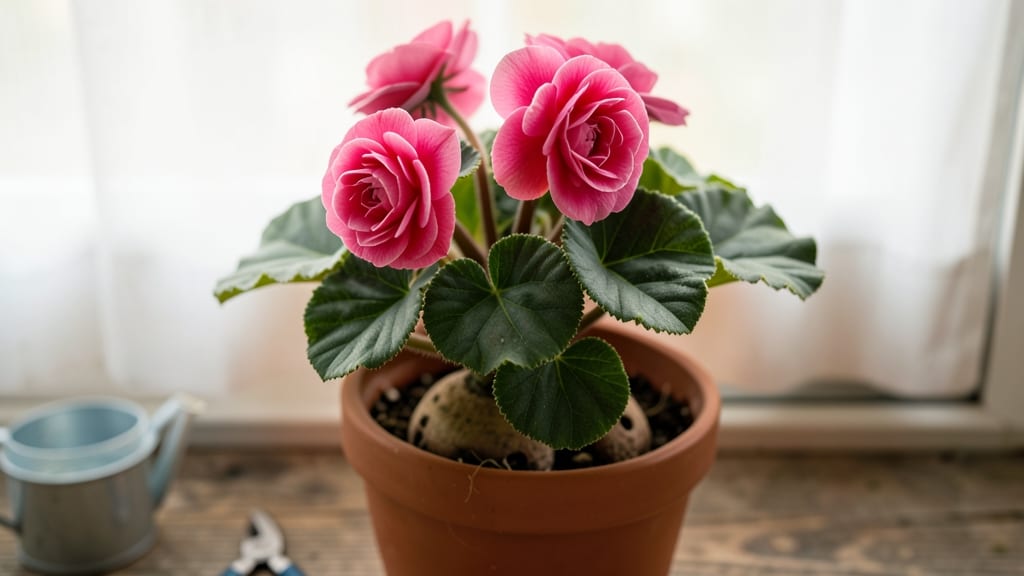
Double bloom begonias reveal their magic when you give them the right conditions—layered petals that shift from blush to deep pink as they mature. 🌸 I've grown these showstoppers for years, and the secret to their continuous blooms lies in mimicking their tropical roots while avoiding common pitfalls that turn them into sad, leggy plants.
These beauties thrive in bright, indirect light—think east-facing windows or a few hours of morning sun—with soil that stays moist but never soggy. Most beginners overwater, causing yellow leaves or root rot, while others underfeed, leading to sparse blooms.
The key is a well-draining potting mix with perlite and a balanced fertilizer every 4-6 weeks during growing season.
With proper care, you'll enjoy nonstop blooms from spring through fall, and even winter color indoors. The flowers unfurl like delicate paper, revealing their stunning two-toned centers. Prune spent blooms regularly to encourage new growth, and rotate your plants weekly for even exposure.
Perfect for hanging baskets, window boxes, or as a striking houseplant. These begonias reward patience with vibrant displays that last all season—once you crack the code, they become impossible to resist.
📚 In This Guide
- What you need
- Instructions
- Tips and common mistakes
- Wrapping up and next steps
What you need
- ● Double Bloom Begonia Plant: 1–3 healthy nursery-grown plants (check for vibrant foliage and buds).
- ● Well-Draining Potting Mix: 1 bag (5–10 quarts) of peat-based or cactus/succulent mix (amend with perlite or orchid bark for extra aeration).
- ● Containers: For 1 plant: 6–8" pot with drainage holes (terracotta or plastic).
- ● For 3+ plants: 12" hanging basket or window box (ensure drainage!).
- ● Drainage Medium: Small pebbles or broken pottery fragments (1–2 cups) for pots.
- ● Watering Can: 1 with a narrow spout (to avoid disturbing soil).
- ● Fertilizer: Balanced liquid fertilizer (10-10-10 or 20-20-20) or slow-release granules.
- ● Pruning Shears: Small, sharp pair for trimming dead leaves or leggy stems.
- ● Spray Bottle: 1 (for misting in humid conditions).
- ○ Grow Lights (Optional): LED bulb (12–15W) for <6 hours/day if natural light is <4 hours.
- ● Humidity Dome/Tray: Clear plastic cover or pebble tray (to retain moisture).
- ○ Mulch (Optional): Sphagnum moss or coconut coir (1 cup) to topsoil for moisture retention.
Step-by-step instructions for cultivating double bloom begonias
Here’s how to coax those stunning layered petals and color-shifting blooms from your begonias—no gardening degree required.
🌱 Step 1: Select and Prepare the Right Containers
Begonias thrive in 6-inch pots with drainage holes—those plastic nursery pots work fine, but I prefer terra cotta because it wicks away excess moisture. Fill each pot with 2-3 inches of well-draining potting mix (never garden soil—it compacts and rots roots). Tap the pot gently to settle the mix without compacting it too tightly.
Begonias hate soggy feet, so add a 1-inch layer of perlite or orchid bark at the bottom of each pot. This creates air pockets that prevent waterlogging. Moisten the mix lightly before planting—just until it feels like a damp sponge, not a soaked rag.
☀️ Step 2: Plant and Position for Ideal Light
Gently remove the begonia from its nursery pot and tease the roots apart if they’re crowded. Place it in the prepared pot so the top of the root ball sits just below the rim—this keeps the crown dry, which prevents rot. Fill around the roots with more potting mix, pressing lightly to eliminate air pockets.
Here’s the thing—begonias need bright, indirect light for those showstopping blooms. A south- or east-facing window works, but direct midday sun will scorch the leaves. If your space only gets harsh light, place the pot 3-4 feet back from the window and rotate it weekly so it grows evenly.
💧 Step 3: Water and Feed for Continuous Blooms
Water when the top inch of soil feels dry to the touch—stick your finger in and check before watering. Begonias drink deeply but hate sitting in damp soil. I water mine in the morning, letting the excess drain completely from the saucer within 30 minutes. Empty saucers afterward to prevent root rot.
Feed with a balanced liquid fertilizer (10-10-10) every 2-3 weeks during spring and summer. Dilute it to half-strength—begonias are sensitive to salt buildup. You’ll know you’re doing it right when you see new buds forming within a week of fertilizing. Stop feeding in fall and winter when growth slows.
✂️ Step 4: Prune and Encourage Second Flushes
Deadhead spent blooms by snipping the stem just above a leaf node—this redirects the plant’s energy into producing more flowers. I use clean scissors to avoid tearing the stems. Prune leggy growth in early spring to encourage bushier, fuller plants. Cut back stems by ⅓ of their length, and you’ll trigger a fresh wave of blooms within 4-6 weeks.
If your begonia looks crowded, divide it in spring by gently separating the tubers and replanting the strongest sections. This rejuvenates the plant and gives you free new begonias for friends or your own garden. Just make sure each division has at least 2-3 healthy leaves to recover.
🪴 Step 5: Overwinter for Next Season’s Spectacle
When temperatures drop below 50°F, move your begonia indoors to a cool, bright spot (like a north window). Reduce watering to once every 2-3 weeks, letting the soil dry out completely between waterings. The plant will go dormant, and the leaves may yellow—that’s normal. Trim back any dead foliage but leave the tubers in the pot.
In late winter, resume watering lightly and place the pot under grow lights if natural light is weak. You’ll see new growth within 3-4 weeks—that’s your cue to start fertilizing again and repeat the cycle. With this care, your double bloom begonia will reward you with year-after-year color shifts and layered petals.
Tips & tricks for cultivating double bloom begonias
Here’s what I learned after watching my begonias transform from ordinary to extraordinary—these small tweaks make all the difference.
Container Selection: Terra cotta pots are my go-to because they breathe better than plastic, but if you only have plastic, make sure to water less frequently. The key is that drainage holes are non-negotiable—begonias will rot if their roots sit in water. I also add a layer of perlite at the bottom of every pot to improve aeration and prevent compaction.
Lighting Strategy: Begonias need bright, indirect light to develop their signature color-shifting blooms. If your space only gets harsh afternoon sun, place the pot 3-4 feet back from the window and rotate it weekly. I’ve seen leaves burn when plants get too much direct sun—watch for crispy edges as your warning sign. A sheer curtain can diffuse light if you’re in a south-facing window.
Pruning for Second Flushes: When you prune leggy growth in early spring, cut back stems by one-third of their length and you’ll trigger new blooms within 4-6 weeks. Here’s my trick: always use clean scissors and make cuts just above a leaf node. This encourages bushier growth and more flowers. I also deadhead spent blooms regularly—it’s like giving your plant a little nudge to produce more.
Overwintering Success: When temperatures drop below 50°F, move your begonia to a cool, bright spot like a north window. The leaves may yellow during dormancy—that’s normal! I reduce watering to once every 2-3 weeks and avoid fertilizing until late winter. In early spring, you’ll see new growth within 3-4 weeks when you resume care.
Pro Tips for Double Bloom Begonia
- Here’s what I learned after watching my begonias transform from ordinary to extraordinary—these small tweaks make all the difference.
- Container Selection: Terra cotta pots are my go-to because they breathe better than plastic, but if you only have plastic, make sure to water less frequently.
- Lighting Strategy: Begonias need bright, indirect light to develop their signature color-shifting blooms.
Frequently asked questions
Got questions about your double bloom begonia? You’re not alone! This stunning plant has unique needs and behaviors that can leave even green thumbs scratching their heads. Below, we’ve rounded up the most common queries—from when to how—to help you keep your begonia thriving and blooming like a pro.
When will my double bloom begonia start its second flush of flowers?
Double bloom begonias often produce a second wave of flowers 6–8 weeks after the first bloom, especially with proper care. Prune spent blooms (deadheading) and provide bright, indirect light to encourage reblooming. If yours isn’t cooperating, check for underwatering or low phosphorus—key nutrients for blooms!
Can double bloom begonias survive winter indoors? How do I protect them?
Yes! These tropical beauties can overwinter indoors if you mimic their natural conditions. Move them to a cool (60–65°F) spot with moderate humidity (like a bathroom with a humidifier) and reduce watering. Avoid drafts or sudden temperature drops—consistency is key! Resume regular care in spring when you see new growth.
Why are my double bloom begonia leaves turning yellow or crispy?
Yellow leaves usually signal overwatering, while crispy edges often mean low humidity or underwatering. Check the soil moisture (stick your finger in—top inch should be dry). Group plants together, mist occasionally, or use a pebble tray to boost humidity. Brown patches? That could be fungus—trim affected areas and avoid wetting leaves.
Are there non-blooming double bloom begonia varieties? What are my alternatives?
Most double bloom begonias focus on showy, layered blooms, but if you want foliage-first plants, try Begonia rex (velvet leaves) or Begonia masoniana (silver-rimmed leaves). For continuous blooms, consider Begonia semperflorens (wax begonias)—they’re hardier and flower nonstop with minimal fuss!
How do I propagate double bloom begonias to share with friends?
Propagating is easy! Snip a healthy stem with 2–3 leaves, remove lower leaves, and dip the cut end in rooting hormone. Plant in moist perlite or sphagnum moss and keep humid (use a plastic bag as a mini greenhouse). Roots should form in 4–6 weeks. Pro tip: Water from the bottom to avoid rot!
Wrapping up and next steps
Growing double bloom begonias is a rewarding journey that brings vibrant, ever-changing beauty to your garden or home. Their stunning color shifts and layered petals make them a true showstopper—perfect for adding whimsy and charm to any space. 🌸
Ready to dive in? Start small with just one plant, experiment with care tips, and watch your collection grow! Whether you’re a seasoned gardener or a beginner, these beauties will inspire confidence and joy with every bloom. Happy planting!
Next step: Pick your favorite variety and get those soil mix and pots ready—your double bloom begonia adventure awaits! 🌱