
Blooming
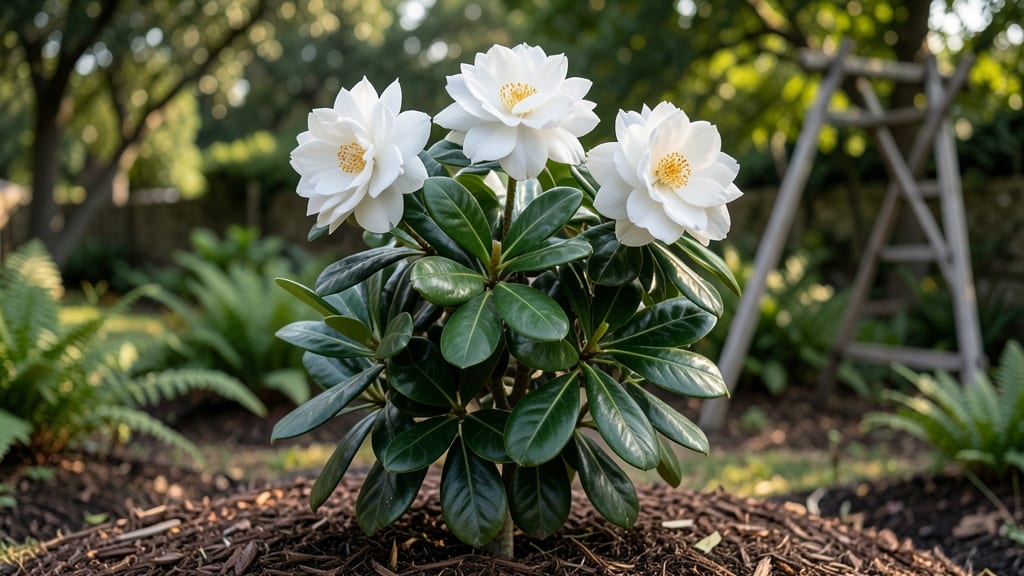
Growing a double bloom gardenia feels like unlocking a secret garden—those lush, layered flowers smell like summer all year round. 🌸 The key isn’t just sunlight or water, but understanding how to coax your plant into that second flush of blooms, turning a single-season star into a three-season showstopper.
I’ve struggled with gardenias that bloom once and then fade, but this method keeps mine covered in flowers from spring through fall.
Start with the right conditions: 6+ hours of morning sun, well-draining soil with a slightly acidic pH (5.5-6.5), and consistent moisture that never lets the roots dry out. Most people overwater, thinking it helps, but soggy soil is the fastest way to lose those blooms.
The magic happens when you combine proper feeding—balanced fertilizer in spring, high-phosphorus in bloom season—with strategic pruning after each flush. It’s not complicated, but it is precise.
By mid-summer, you’ll see the first wave of double blooms, and with the right care, a second flush arrives in early fall. The fragrance alone makes it worth the effort—imagine walking past and being hit with that sweet, creamy scent.
Even experienced gardeners hit snags with gardenias, but these small adjustments make all the difference. The payoff? A plant that looks like it belongs in a tropical paradise, right in your own yard.
Works for both in-ground plantings and large containers, and the same principles apply whether you’re in a warm climate or a cooler zone with winter protection. Let’s get those buds multiplying!
📚 In This Guide
- What you need
- Instructions
- Tips and common mistakes
- Wrapping up and next steps
What you need
- ● Double Bloom Gardenia Plants: 1-3 healthy nursery-grown plants (ensure they’re labeled as double-blooming varieties like Gardenia jasminoides ‘Kleim’s Hardy’ or ‘Radicans’).
- ● Well-Draining Potting Mix: 5-10 gallons (depending on pot size). Use a blend of 50% peat moss or coco coir, 30% perlite or pumice, and 20% compost.
- ● Containers: 1-2 pots per plant, 12-18 inches in diameter with drainage holes. Terracotta or ceramic works best.
- ● Acid-Loving Plant Fertilizer: A balanced, slow-release fertilizer (10-10-10 or 14-14-14) or an acidic liquid fertilizer (e.g., Miracle-Gro Azalea/Camellia).
- ● Mulch: 1-2 inches of pine bark or oak leaves to retain moisture and acidity.
- ● Pruning Shears: Sharp, sterilized shears for trimming (clean with rubbing alcohol between cuts).
- ● pH Test Kit: Digital or liquid test kit to monitor soil pH (ideal range: 5.0–6.5).
- ● Watering Can or Hose with Soft Nozzle: Avoid tap water with high chlorine—use rainwater or distilled water if possible.
- ● Garden Gloves: Protect your hands from thorns and acidic soil.
- ● Humidity Dome or Plastic Wrap: Helps create a greenhouse effect for seedlings or newly transplanted plants.
- ● Grow Lights (LED, full-spectrum): 1-2 lights for indoor growing (12–16 hours/day).
- ● Epsom Salt (Magnesium Sulfate): 1 tbsp per gallon of water, monthly, to boost blooms.
- ● Plant Support Stakes: For leggy stems (bamboo or metal stakes, 18–24 inches tall).
- ● Spray Bottle: For misting leaves if humidity drops below 50%.
- ○ Compost Tea or Beneficial Bacteria: Optional soil amendment to improve microbial activity.
Step-by-Step instructions for cultivating double bloom gardenias
Here's how to coax those coveted double blooms from your gardenia—it’s all about light, pruning, and a little patience.
🌱 Step 1: Select and Prepare the Right Location
Gardenias thrive in partial shade with morning sun and afternoon shade—think dappled light under tall trees or a south-facing window with filtered light indoors. Full sun scorches leaves, while too little light stunts blooms. I always test a spot by placing a plant there for a week first; if leaves yellow or drop, it’s too harsh.
Soil must be acidic (pH 5.0–6.5) and well-draining. Amend heavy clay with 3 inches of peat moss or pine bark fines to prevent root rot. I mix in a handful of sulfur granules per square foot to maintain acidity—gardenias hate alkaline soil. Dig a hole twice as wide as the root ball but only as deep as the container it came in.
☀️ Step 2: Plant and Establish for Optimal Growth
Remove the plant from its container and loosen roots gently if they’re circling. Place it in the hole so the top of the root ball sits 1 inch below soil level—this prevents stem rot. Backfill with amended soil, tamping lightly to remove air pockets. Water deeply until moisture reaches 6 inches down, then let it drain completely.
Mulch with 2 inches of pine bark to retain moisture and acidify the soil over time. Keep mulch 6 inches away from the stem to avoid rot. The first year is about root growth, not blooms—focus on consistent moisture (water when the top 2 inches of soil feel dry) and monthly applications of acid-loving fertilizer (like 8-3-9 with micronutrients).
✂️ Step 3: Prune for Double Blooms
Prune right after flowering (late spring) to encourage next season’s blooms. Cut back 1/3 of the oldest stems to the nearest leaf node—this redirects energy to new growth. Avoid heavy pruning in fall or winter; gardenias bloom on new wood, so late cuts delay flowering. I always sterilize shears with rubbing alcohol to prevent bacterial infections.
Pinch back new growth tips in early summer to promote bushier, more compact plants. This prevents leggy stems and ensures energy goes into double blooms instead of rapid (but weak) vertical growth. Watch for buds forming in leaf axils—these are your double-bloom candidates. If you see a single bud, gently twist off the side buds to force a single, larger bloom (or leave them for doubles).
💧 Step 4: Maintain Year-Round Conditions
Gardenias hate hard water and salt buildup, so I use rainwater or distilled water for irrigation. If you must use tap water, let it sit in a barrel for 24 hours to evaporate chlorine. In summer, deep water weekly—shallow watering stresses roots. In winter, reduce to every 10–14 days, letting the top 3 inches of soil dry out between waterings.
Feed every 4–6 weeks with an acid-forming fertilizer (like 16-4-8 with iron). I also spray foliage with chelated iron monthly to prevent yellowing—gardenias are heavy feeders, especially for double blooms. Monitor for aphids or scale (common on new growth); blast off with water or treat with neem oil if needed.
⏰ Step 5: Overwinter for Next Season’s Blooms
Before the first frost, move potted gardenias to a cool (50–60°F), bright location. Bury containers in 6 inches of mulch or wrap pots in burlap to insulate roots. Prune lightly in late winter (February) to shape the plant and remove dead wood. This is when I check for buds forming at leaf nodes—a sign of healthy growth for next season’s doubles.
Resume fertilizing in early spring (March) and gradually reintroduce outdoor conditions. Harden off potted plants by moving them outside for 2 hours daily, increasing time weekly. By late spring, they’ll be ready for full exposure—just watch for buds swelling as a cue to protect them from late frosts.
Tips & tricks for cultivating double bloom gardenias
Here's what nobody tells you about coaxing those stunning double blooms from your gardenia—it's all in the details.
Light Testing: In Step 1, when selecting your location, don't just guess—place your gardenia in the spot for a full week before committing. Watch for leaves that yellow or drop; these are clear signs the light conditions are too harsh. I've seen gardenias thrive in morning sun with afternoon shade under tall trees, but every yard is different. The goal is that bright, indirect light that keeps leaves healthy while encouraging blooms.
Pruning Precision: The late spring pruning in Step 3 is where you set up next year's double blooms. When cutting back 1/3 of the oldest stems, make your cuts just above a leaf node where new growth will emerge. I use sharp, sterilized shears to make clean cuts—this prevents tearing that can invite disease. Remember, gardenias bloom on new wood, so timing matters: prune right after flowering, never in fall or winter.
Watering Wisdom: The watering schedule in Step 4 might seem simple, but consistency is everything. In summer, aim for deep watering weekly—this means soaking the soil until moisture reaches 6 inches down. Use your finger to check: if the top 2 inches feel dry, it's time to water. The key is avoiding shallow watering, which stresses roots and prevents blooms. For winter care, let the top 3 inches dry out between waterings—this mimics natural seasonal patterns.
Winter Preparation: Before moving your potted gardenias to 50-60°F for winter, bury containers in 6 inches of mulch or wrap them in burlap. This insulation is critical for protecting roots during cold snaps. In late winter, when you resume fertilizing in March, also check for buds forming at leaf nodes—this is your sign that next season's double blooms are already forming!
Pro Tips for Double Bloom Gardenia
- Here's what nobody tells you about coaxing those stunning double blooms from your gardenia—it's all in the details.
- Light Testing: In Step 1, when selecting your location, don't just guess—place your gardenia in the spot for a full w...
- Pruning Precision: The late spring pruning in Step 3 is where you set up next year's double blooms. When cutting back...
Frequently asked questions
Got questions about nurturing your double bloom gardenia? You’re not alone!
Here are answers to the most common queries—from blooming secrets to troubleshooting tips—so you can enjoy fragrant perfection year after year.
How often does a double bloom gardenia flower, and when should I expect the first blooms?
A healthy double bloom gardenia can produce flowers three times a year—spring, summer, and fall—under ideal conditions. First blooms typically arrive 12–18 months after planting (or grafting, if propagated that way). Patience is key! Pro tip: Prune lightly after each bloom cycle to encourage new growth.
Can double bloom gardenias survive winter, or do they need special care?
These beauties are semi-tropical and thrive in USDA zones 7–10. In colder climates (zones 6 or below), protect them with mulch, frost cloth, or a greenhouse. Avoid winter watering, as soggy roots invite rot. Troubleshoot: Yellow leaves in winter? Likely overwatering—let the soil dry slightly between waterings.
Why aren’t my double bloom gardenias flowering, even though the leaves look healthy?
Common culprits include low light (they need bright, indirect sunlight—6+ hours daily), over-fertilizing with nitrogen (which fuels leaves, not blooms), or stress from transplant shock. Fix it: Switch to a low-nitrogen, high-phosphorus fertilizer (like 5-10-5) in spring/summer. Bonus: A slight root prune can trigger blooming!
Are there alternatives to double bloom gardenias for fragrant, repeat-blooming plants?
If gardenias are tricky in your climate, try these fragrant, multi-blooming stars:
- Jasmines (Trachelospermum) – Hardy, vine-like, and extremely fragrant (zones 7–11).
- Gardenia ‘Kleim’s Hardy’ – A cold-hardy cousin (zones 6–9) with simpler blooms but fewer fuss.
- Sweet Almond Viburnum (Viburnum farreri) – Winter-scented blooms (zones 4–8).
- Tuberose (Polianthes tuberosa) – Night-blooming, intense fragrance (annual in cold zones).
What pests or diseases should I watch for, and how do I treat them?
Double bloom gardenias are pest magnets—especially aphids, spider mites, and scale. Signs: Sticky leaves, yellowing, or webbing. Treatments:
- Neem oil (organic, spray weekly for mites).
- Horticultural oil (for scale—apply when buds are dormant).
- Blast with water to dislodge aphids.
Disease alert: Powdery mildew (white dust on leaves) thrives in humid conditions. Prevent: Space plants for airflow, avoid overhead watering. Fix: Prune infected leaves and spray with baking soda solution (1 tsp baking soda + 1 quart water + drop of soap).
Wrapping up and next steps
Growing a double bloom gardenia is a rewarding journey that fills your space with luxurious fragrance and stunning beauty—all year round!
With the right care, patience, and attention to its needs, you’ll unlock the magic of three seasons of blooms, transforming your garden or home into a serene sanctuary. 🌸✨
Ready to take the next step? Start by observing your plant’s progress—adjust care routines as needed—and soon, you’ll be enjoying those lush, velvety petals and intoxicating scent. Share your blooms with fellow gardeners or even gift a cutting to spread the joy! Happy gardening!