
Blooming
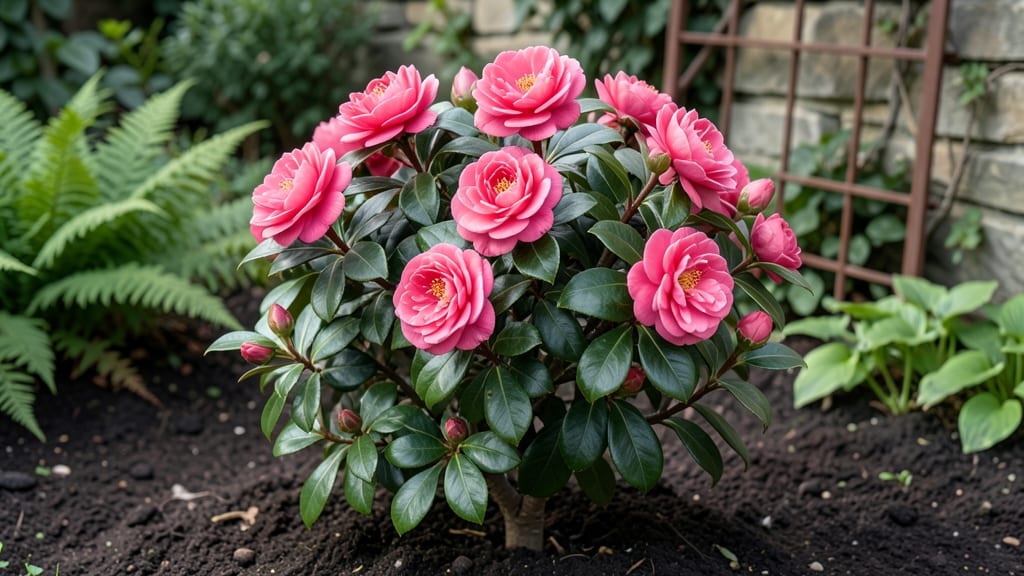
Double bloom camellias turn your garden into a living painting—two flushes of flowers in spring and fall when pruned right. 🌸 I've spent years perfecting the timing and cuts that coax these lush, layered blooms from my own plants, and what I learned will transform yours from one-season showstoppers into year-round eye-candy.
The secret starts with late winter pruning—just as new growth begins—but never after buds form. You're shaping the plant to hold more blooms, not just cutting for shape.
Most gardeners over-prune, which stresses the plant and causes bud drop. I'll show you the three-cuts method that keeps camellias healthy while packing in those extra flowers.
By following this schedule, you'll see the first flush in late spring, then a second wave in fall that lasts 4-6 weeks if you protect them from late frosts.
The blooms stay vibrant longer too—no wilted petals or early drop like I used to get. Your neighbors will ask how you do it.
Works for both formal and informal gardens, in containers or planted in the ground. The same techniques apply whether you're dealing with Camellia japonica, sasanqua, or hybrids. Let's get those shears ready!
📚 In This Guide
- What you need
- Instructions
- Tips and common mistakes
- Wrapping up and next steps
What you need
- ● Double bloom camellia plant(s): 1-3 mature camellia plants (varieties like Camellia japonica ‘Double Pink’ or ‘Yuletide’ work well).
- ● Ensure they’re at least 3-5 years old for optimal blooming potential.
- ● Pruning tools: 1 pair of bypass pruners (sharp, clean, and sterilized with rubbing alcohol).
- ● 1 pair of long-handled loppers (for thicker branches, ½"–1" in diameter).
- ● 1 pruning saw (for stubborn, woody stems).
- ● Safety gear: 1 pair of gardening gloves (cut-resistant for protection).
- ● 1 small first-aid kit (just in case!).
- ● Knowledge: Basic understanding of camellia growth habits (e.g., spring bloomers vs. fall/winter bloomers).
- ● Access to a pruning guide or this article’s step-by-step instructions! 📖
- ○ Optional (but helpful!): 1 pruning sealant (to prevent disease on large cuts).
- ● 1 notebook (to track bloom cycles and pruning dates).
- ● 1 spray bottle with water (to clean tools between cuts).
- ● 1 reflective vest (if pruning in low light or near traffic).
Step-by-step guide to pruning camellias for double blooms
Here's how I coax spectacular double blooms from camellias—timing and technique matter more than you'd think.
✂️ Step 1: Time Your First Pruning After Initial Blooms
Wait until 2-3 weeks after your camellia's first flush of flowers has faded completely. This is critical—pruning too early removes next year's flower buds, while waiting too long limits new growth. Look for wilted petals and dropped blossoms as your cue; the plant signals it's ready for a trim.
Use clean, sharp pruners (sterilized with rubbing alcohol) to make cuts just above a bud or leaf node. Never leave stubs—this invites disease. For established plants, remove no more than 25% of the total growth in one session. I like to focus on overlapping branches first, as these compete for energy and rarely produce quality blooms.
☀️ Step 2: Shape for Light Penetration and Airflow
Camellias bloom best when they receive even light exposure throughout the canopy. Step back and assess where thick growth blocks sunlight from reaching inner branches. Your goal is to create an open, vase-like shape—this encourages multiple blooms rather than a single, dense cluster.
Remove weak, crossing, or inward-growing branches first. These are easy to spot—they're thinner, often brown at the base, and grow toward the center. For thicker branches, make cuts at a 45-degree angle about ¼ inch above an outward-facing bud. This ensures new growth emerges in the right direction. Avoid heavy pruning on young plants; they need their energy for root development.
⏰ Step 3: Apply a Second Light Pruning for Fall Blooms
About 6-8 weeks before your expected fall bloom time, give your camellia a second, lighter pruning. This isn't about shaping—it's about stimulating new flower buds for the second flush. Focus on deadheading spent blooms and trimming overly long shoots back to a leaf node or bud.
Here's the trick: never prune after early September in most climates. New growth after this point won't harden off before winter, and the plant may not rebloom. If your camellia is in a warmer microclimate (like a sheltered patio), you can extend this slightly—but keep it before first frost dates. After pruning, give the plant a balanced fertilizer (like 10-10-10) to support the energy demands of double blooming.
🌿 Step 4: Post-Pruning Care for Stronger Blooms
After pruning, water deeply to help the plant recover. Camellias have shallow roots, so 1-2 inches of water per week (more in extreme heat) keeps them thriving. Mulch around the base with 2-3 inches of organic mulch (like pine bark) to retain moisture and protect roots from temperature swings.
Monitor for aphids or spider mites, which love new growth. A neem oil spray applied every 2 weeks after pruning keeps pests at bay without harming the plant. Avoid heavy nitrogen fertilizers now—too much leafy growth at the expense of flowers. Instead, opt for phosphorus-rich fertilizer (like 5-10-5) to encourage blooming. You'll see new buds forming along the branches within 4-6 weeks if conditions are right.
Tips & tricks for perfect camellia pruning
Mastering the art of camellia pruning transforms your plant from a single-season showstopper into a year-round blooming machine. Here's how to make every cut count.
Timing is Everything: The 2-3 week window after your camellia's first flush fades is your golden opportunity. I've learned this the hard way—pruning too early can remove next year's flower buds, while waiting too long sacrifices potential growth. Mark your calendar when you see those wilted petals and dropped blossoms as your cue. For fall blooms, that 6-8 week window before your expected bloom time is equally critical—miss it, and you might lose your second flush entirely.
Pruning Angle Matters: When shaping thicker branches, that 45-degree angle above an outward-facing bud isn't just aesthetic—it's strategic. The angle helps water run off, reducing disease risk, while positioning the bud ensures new growth emerges in the right direction. I always think of it as creating a little roof over the bud to protect it from harsh weather. For thinner branches, clean cuts just above a leaf node are all you need—no fancy angles required.
Seasonal Considerations: Never prune after early September in most climates—this is non-negotiable. New growth after this point won't have time to harden off before winter, and your camellia might not rebloom. That said, if you're in a warmer microclimate (like a sheltered patio), you can extend this slightly—but always keep it before your first frost date. I've seen gardeners in coastal areas prune successfully into October, but it's a calculated risk that depends on your specific climate.
Post-Pruning Recovery: That 1-2 inches of water per week isn't just about keeping roots hydrated—it's about helping your camellia recover from the stress of pruning. The 2-3 inches of organic mulch acts like a cozy blanket for those shallow roots, protecting them from temperature swings. And here's a pro tip: after pruning, I always give my camellias a boost with phosphorus-rich fertilizer (like 5-10-5) to encourage blooming. You'll start seeing those new buds form within 4-6 weeks if all conditions are right.
Pro Tips for Double Bloom Camellia
- Mastering the art of camellia pruning transforms your plant from a single-season showstopper into a year-round bloomi...
- Timing is Everything: The 2-3 week window after your camellia's first flush fades is your golden opportunity. I've le...
- Pruning Angle Matters: When shaping thicker branches, that 45-degree angle above an outward-facing bud isn't just aes...
Frequently asked questions
Got questions about nurturing your double bloom camellia? You’re not alone! Here are answers to the most common queries—from timing to troubleshooting—so you can keep those stunning double blooms coming.
How do I encourage my camellia to bloom twice a year?
Double blooming happens naturally in some varieties, but you can boost it with light pruning after the first flush (early spring) and a balanced fertilizer rich in phosphorus (like 10-10-10). Avoid heavy pruning—just shape lightly to encourage new growth. Consistency is key!
Why isn’t my camellia blooming on schedule?
Blooming delays often stem from stress—think drought, poor soil drainage, or sudden temperature swings. Ensure your plant gets partial shade (especially in hot climates) and well-draining, acidic soil (pH 5.5–6.5). Overwatering can also smother roots—let the top inch dry between waterings.
Can I grow double bloom camellias in containers?
Choose a large pot (18"+ diameter) with drainage holes and use a peat-based or pine bark mix. Repot every 2–3 years, and move containers indoors (or to a sheltered spot) if temps drop below 20°F (-7°C). Just mimic outdoor conditions for best results!
When is the best time to prune for double blooms?
Prune right after the first bloom cycle ends (late spring) to shape the plant and remove dead wood. Avoid heavy cuts—focus on open-center pruning to encourage airflow and new buds. Never prune in fall or winter, as it can stunt next year’s blooms.
What do yellow leaves mean on my camellia?
Yellow leaves usually signal overwatering, nutrient deficiency, or fungal issues. Check soil moisture first—if soggy, reduce watering. For yellowing with brown edges, it’s likely chlorosis (iron deficiency). Amend soil with chelated iron or sulfur to lower pH. Fungal spots? Prune affected areas and apply copper fungicide.
Wrapping up and next steps
Double bloom camellias are a rewarding addition to any garden, offering two stunning blooms per season with the right care—especially through strategic pruning. By mastering the 4-week timing and techniques shared here, you’ll unlock their full potential, transforming your yard into a year-round floral masterpiece. 🌸
Ready to elevate your camellia game? Start by observing your plant’s growth this season, then revisit your pruning schedule next year with confidence. Every snip brings you closer to showstopping, repeat blooms—so grab those shears and get pruning! 🌱✂️