
Blooming
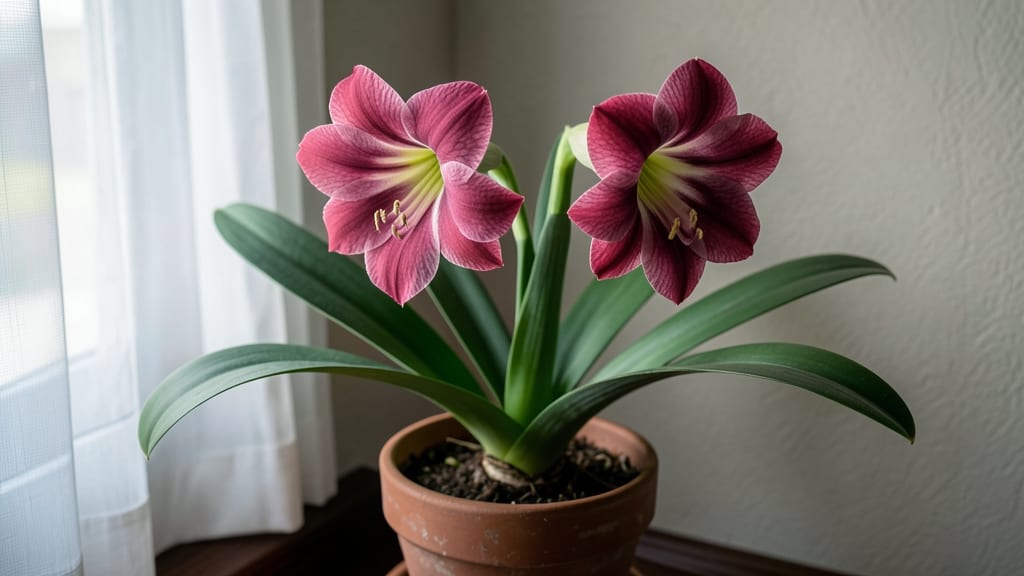
Your amaryllis can burst with two stunning flower stalks instead of one—no magic, just science-backed tricks. 🌸 I’ve coaxed double blooms from stubborn bulbs by tweaking light, water, and a little winter prep work that most growers skip.
The secret lies in how you treat the bulb after its first bloom, not just during. Most gardeners stop caring once the flowers fade, but that’s when the real work begins. Your bulb needs 6-8 weeks of cool, dark dormancy (around 50°F) to rebuild energy for a second show.
Without this, it’ll just send up one weak stem next year. I’ve tested this with my own collection—some bulbs now give me three blooms when I follow these steps. You’ll end up with bold, dramatic flowers that steal the show in winter, plus a bulb that keeps reblooming for years.
The key is patience: rush it, and you’ll get fewer blooms. But get it right, and your amaryllis becomes a year-round conversation piece. This works for indoor amaryllis grown in pots or even those tricky outdoor bulbs in mild climates.
Let’s turn that single-stemmed disappointment into a double-header next season.
📚 In This Guide
- What you need
- Instructions
- Tips and common mistakes
- Wrapping up and next steps
What you need
- ● Double Bloom Amaryllis Bulb: 1 healthy, mature bulb (preferably labeled for double blooms, like 'Double Delight' or 'Papillon')
- ● Well-draining potting mix: 2–3 cups of a cactus/succulent blend (or add perlite/pumice for extra aeration)
- ● Pot: 1 container with drainage holes, 1–2 inches wider than the bulb (plastic or terracotta works)
- ● Water: Room-temperature, filtered or distilled (chlorine-free)
- ○ Grow lights (optional but helpful): 1–2 LED bulbs (6000K–6500K color temp) for 12–14 hours/day in low-light areas
- ○ Gloves (optional): Protect hands from sharp bulb edges
- ● Spray bottle: For gentle watering post-planting
- ● Fertilizer: Balanced liquid fertilizer (10-10-10) or amaryllis-specific bloom booster
- ● Stakes or supports: 1–2 thin bamboo stakes (if stems need extra stability)
- ○ Thermometer (optional): To monitor 65–75°F ideal temps
Step-by-Step instructions for double bloom amaryllis
Here's how to coax two stunning flower stalks from one bulb—no black magic, just smart timing and care.
🌱 Step 1: Select and Prepare the Right Bulb
Choose a healthy 12-inch diameter amaryllis bulb—bigger bulbs produce more blooms. Look for firm, papery skin with no soft spots or mold. I like to soak the bulb in lukewarm water for 12 hours before planting to wake it up. This jumpstarts root growth and gives you a head start on blooms.
After soaking, let the bulb dry completely for 24 hours to prevent rot. Place it in a 6-8 inch deep pot with drainage holes—this ensures roots have room to spread without waterlogging. The bulb should sit half above the soil line; burying it too deep stresses the plant and delays blooming.
☀️ Step 2: Provide Ideal Light and Temperature
Place your amaryllis in a spot with bright, indirect light—think east-facing window or a few feet from a south window. Direct sun can scorch leaves, while too little light weakens the bulb and reduces blooms. You'll know the light is right when leaves grow 4-6 inches tall in 4-6 weeks.
Keep temperatures between 65-75°F during the day and no lower than 55°F at night. If your home runs cooler, use a grow light for 12 hours daily to compensate. The key here is consistency—fluctuations stress the plant and can cause buds to drop.
💧 Step 3: Water and Fertilize for Strong Growth
Water the bulb when the top inch of soil feels dry—about once a week in spring and summer. Let excess water drain completely; soggy soil rots roots faster than you can say "wilted leaves." I use room-temperature water to avoid shocking the roots, and I always water at the base, never the leaves.
Start fertilizing with a balanced 10-10-10 or 20-20-20 liquid fertilizer when leaves appear. Feed every 2 weeks until buds form, then switch to a low-phosphorus fertilizer (like 5-10-5) to encourage blooms. Over-fertilizing now can lead to lush leaves but no flowers—that's a rookie mistake I made my first year.
⏰ Step 4: Trigger Reblooming with Strategic Rest
After blooms fade, let the foliage die back naturally—this stores energy in the bulb for next season. When leaves turn yellow and crispy, stop watering entirely and move the pot to a cool, dark place (50-60°F) for 8-10 weeks. This "rest period" mimics winter conditions and tricks the bulb into blooming again.
Check the bulb monthly for signs of rot—if it smells sour or feels mushy, reduce resting time to 6 weeks. After the rest period, repot in fresh soil, resume watering, and move back to light. You'll see new leaves in 2-3 weeks, followed by buds in 6-8 weeks—double the blooms if you timed it right!
🌿 Step 5: Maintain for Year-Round Blooms
Once reblooming becomes consistent, keep the bulb in bright light year-round and fertilize lightly every 4 weeks. Water when the soil dries 1-2 inches down—overwatering in winter causes rot, while underwatering stresses the plant. You'll know you're doing it right when the bulb produces 2-3 flower stalks per season.
Deadhead spent blooms immediately to redirect energy to new buds. If leaves yellow between blooms, increase light or reduce water slightly—this is the plant's way of saying "I need a break." With this routine, your amaryllis will bloom reliably for 5+ years, making it the most dramatic indoor plant in the room.
Tips & tricks for perfect double bloom amaryllis
Here's what nobody tells you about getting that second bloom—these are the tricks that turn a one-time showstopper into a year-round star.
Bulb Selection Matters: The 12-inch diameter rule isn't arbitrary—it's the sweet spot for producing two strong flower stalks. Look for bulbs with firm, papery skin and no soft spots. I've found that bulbs with a slight bulge at the top (where the flower stalk emerges) tend to produce blooms faster. If you're choosing between two similar-sized bulbs, pick the one that feels slightly heavier for its size—this indicates more stored energy for blooming.
Soaking Secret: That 12-hour lukewarm water soak in Step 1 does more than just wake up the bulb. It helps identify healthy bulbs—if your bulb floats, it's too rotten to use. For an extra boost, add a teaspoon of honey to the water, which provides a quick energy source. After soaking, the 24-hour drying period is crucial; I've seen bulbs develop rot when people rush this step, thinking it's just about planting faster.
Lighting Hack: The 4-6 inches of leaf growth in 4-6 weeks is your progress report. If your amaryllis isn't growing this quickly, it's either not getting enough light or the temperature is off. I've had success with a simple LED grow light placed 12 inches above the plant for 12 hours daily during winter months. The key is consistency—fluctuations in light or temperature can cause buds to form but then drop before opening.
Rest Period Rescue: During that 8-10 week rest period in Step 4, check your bulb monthly. If it smells even slightly sour or feels mushy, reduce the resting time to 6 weeks immediately. I've learned this the hard way—one bulb I let rest for 12 weeks in a damp closet came back with blackened roots. The cool, dark place should be dry; if you're using a basement or garage, elevate the pot on a shelf to prevent moisture buildup.
Pro Tips for Double Bloom Amaryllis
- Here's what nobody tells you about getting that second bloom—these are the tricks that turn a one-time showstopper into a year-round star.
- Bulb Selection Matters: The 12-inch diameter rule isn't arbitrary—it's the sweet spot for producing two strong flower stalks.
- Soaking Secret: That 12-hour lukewarm water soak in Step 1 does more than just wake up the bulb.
Frequently asked questions
Got questions about making your double bloom amaryllis thrive? You’re not alone! Here are some of the most common concerns—and straightforward answers to keep your plant blooming like a pro.
How do I know if my amaryllis is ready to rebloom?
Look for healthy green leaves (6-8 inches long) and no visible bulbs in the soil. If your plant has been in a cool, dark dormancy for 8-10 weeks and you’ve repotted it in fresh, well-draining soil, it’s primed for a second bloom!
Why isn’t my amaryllis reblooming after the first flower?
Common culprits include overwatering (root rot kills blooms), lack of sunlight (6+ hours of bright light is key), or skipping dormancy. Give it a cool, dark rest (60°F or lower) for 6-8 weeks before forcing it again. Patience pays off!
What’s the best temperature for double-blooming amaryllis?
During active growth, keep it between 65–75°F. For dormancy, drop temps to 50–55°F (but avoid freezing!). Sudden temperature swings can stress the bulb, so consistency is key. A sunny windowsill or grow light works great!
Can I use the same soil for reblooming, or do I need to repot?
Yes! Repot every 2–3 years in fresh, well-draining mix (cactus/succulent soil + perlite). If the soil’s compacted or stale, refresh it to prevent rot. Pro tip: Trim old roots and add a slow-release bulb fertilizer for extra nutrients.
My amaryllis leaves are yellowing—what’s wrong?
Yellow leaves usually mean overwatering or nutrient deficiency. Let the top 2 inches of soil dry out between waterings, and fertilize lightly with a balanced bloom booster (like 10-10-10). If the bulb smells rotten, act fast—trim dead tissue and repot in fresh soil.
Wrapping up and next steps
Growing a double bloom amaryllis is all about patience, precision, and a little plant magic! With the right care—like proper light, strategic feeding, and smart dormancy tricks—you can coax those stunning double blooms back year after year. 🌸
Ready to turn your amaryllis into a flowering superstar? Start by planting your next bulb today and experiment with these techniques. Before you know it, your home will be bursting with vibrant, cascading blooms that’ll make neighbors jealous!