
Blooming
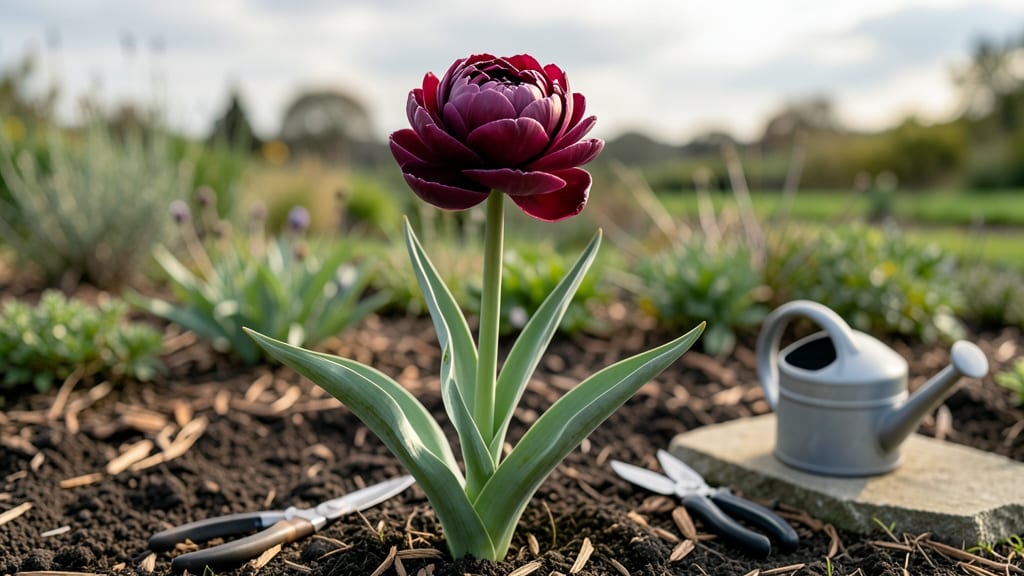
Double bloom tulips don’t just flower once—they can rebloom all season with the right care. 🌷 I’ve been growing them for years, and the secret isn’t complicated: it’s timing, soil, and a little strategic deadheading.
Most gardeners give up after the first showy display, but these varieties keep coming back with minimal effort. The key starts with planting in well-draining soil and a spot with full sun (6+ hours daily). After the first bloom fades, you’ll leave the stem intact—no cutting—until it yellows naturally.
This simple trick tells the bulb to store energy for next year’s flowers. Water consistently but avoid soggy soil, and you’ll see those lush, layered petals return in 4-6 weeks.
By mid-summer, you’ll have a second flush of blooms that rival the first, and with proper care, some varieties even produce a third round. The petals stay velvety soft, and the scent lingers longer than single-bloom types. It’s like having a free second season of spring colors without extra work.
Works for containers, borders, or cutting gardens—just follow the same rules. Here’s how to make it happen without the guesswork.
📚 In This Guide
- What you need
- Instructions
- Tips and common mistakes
- Wrapping up and next steps
What you need
- ● Double Bloom Tulip Bulbs: 10–20 bulbs (e.g., Darwin Hybrid or Parrot tulips for reliable reblooming)
- ● Certified disease-free and pre-chilled (40–50°F for 12–16 weeks)
- ● Well-Draining Soil: 60% topsoil, 30% compost, 10% perlite/sand (for aeration)
- ● pH 6.0–7.0 (test with a soil kit)
- ● Fertilizer: Balanced 10-10-10 or 5-10-10 (low nitrogen after blooming)
- ● Slow-release bulb-specific fertilizer (e.g., Osmocote Bulb Food)
- ● Mulch: 2–3 inches of straw or pine bark (organic, weed-free)
- ● Watering Can or Drip System: 1–2 gallons capacity (for deep watering)
- ● Garden Trowel (for planting/deadheading)
- ● Pruning Shears (sharp, for clean cuts)
- ● Gloves (gardening-grade, for handling soil)
- ● Ruler or Measuring Tape (6–12" depth for bulbs)
- ○ Soil pH Test Kit (optional but recommended)
- ● Bulb Fertilizer Spikes (for targeted nutrition)
- ● Epsom Salt (1 tbsp per bulb for magnesium boost)
- ● Shade Cloth (30–50% for summer heat protection)
- ● Tulip Trellis or Stakes (for tall varieties like Fosteriana)
- ● Journal/Notebook (to track blooming cycles and deadheading)
Step-by-Step guide to growing double bloom tulips year-round
Here’s how to coax those stunning double blooms back year after year—with less fuss than you’d expect.
🌱 Step 1: Select and Plant the Right Varieties
Not all tulips rebloom, so choose proven double-flowering varieties like ‘Double Late Harvest,’ ‘Queen of Night,’ or ‘Black Parrot.’ These hybrids are bred to perform. Plant bulbs in well-draining soil with full sun to partial shade—at least 6 hours of sunlight daily—for best results.
Dig holes 6 inches deep (twice the bulb’s height) and space them 4-6 inches apart in rows. Tulips hate soggy roots, so amend heavy soil with 2-3 inches of compost or coarse sand. I always add a handful of slow-release bulb fertilizer at planting—this gives them a nutrient boost for both the first and second bloom cycles.
☀️ Step 2: Water and Feed for Strong Stems
Water deeply right after planting, then once a week unless rainfall provides 1 inch of moisture. The goal is to keep the soil evenly moist but not waterlogged—tulip bulbs rot quickly if they sit in wet soil. You’ll know you’re doing it right when the soil feels damp 2 inches down but not soggy.
After the first bloom fades, stop deadheading—this is key for reblooming. Instead, let the foliage yellow naturally and feed the bulbs with balanced 10-10-10 fertilizer (about 1 tablespoon per plant) in early fall. This stored energy fuels next year’s blooms. Mulch with 2 inches of straw in winter to protect bulbs from freeze-thaw cycles.
✂️ Step 3: Manage Foliage for Next Season’s Blooms
Here’s the secret: Never cut back foliage until it turns completely yellow. This process—called "feeding"—lets the bulb store nutrients for next year’s flowers. If you cut too soon, you’ll starve the bulb and lose reblooming potential. I mark my calendar 6-8 weeks after the first bloom to remind myself to resist the urge to tidy up.
Once the leaves are fully yellow and crispy, trim them back to 1-2 inches above the soil. This prevents disease while still allowing the bulb to rest. In USDA Zones 5-8, tulips enter dormancy naturally; in warmer zones, provide cool, dry shade during summer to mimic winter conditions.
🌿 Step 4: Encourage Reblooming with Strategic Care
For a second bloom in the same season, reduce watering after the first flowers fade—this tricks the plant into thinking it’s late summer and prompts a second flush. Keep the soil just slightly moist (not bone-dry) and avoid fertilizing again until fall. You’ll often see a smaller second bloom, but it’s worth it for that extra burst of color.
After the second bloom, let the foliage die back naturally before cutting. This ensures the bulb stores enough energy for another round next year. In Zone 9 and warmer, dig up bulbs after foliage yellows, dry them in a cool, dark place for 2 weeks, then store in a paper bag until fall replanting. This prevents disease in humid climates.
⏰ Step 5: Plan for Year-Round Success
Reblooming tulips need consistent care, but the payoff is worth it. In fall, replant bulbs at the same depth and space them closer together (3-4 inches apart) to create a denser display. Add bone meal (about 1/4 cup per square foot) at replanting—this provides phosphorus for root and bulb development.
Watch for tulip fire (a fungal disease causing red streaks) or squirrel damage—both can ruin blooms. If you see chewed leaves, wrap bulbs with wire mesh before planting. With this routine, your double blooms will return year after year, proving that minimal effort yields maximal rewards.
Tips & tricks for perfect double bloom tulips
These simple strategies will help you coax those stunning second blooms without the guesswork.
Selection Matters: When choosing varieties like ‘Double Late Harvest’ or ‘Queen of Night,’ look for bulbs that are firm and plump—not soft or sprouting. I’ve learned the hard way that smaller bulbs (size 10-12) often produce more blooms per stem, though they may be slightly shorter. Store bulbs in a cool, dry place until planting to maintain their vigor.
Soil Science: The 6-inch planting depth and 4-6 inch spacing in Step 1 aren’t arbitrary—they create the perfect balance for bulb development. For heavy clay soils, mix in 2-3 inches of compost or coarse sand to improve drainage. I’ve noticed that adding a handful of slow-release bulb fertilizer at planting gives my tulips that extra energy boost for both bloom cycles.
Watering Wisdom: That once-a-week watering guideline in Step 2 is crucial, but timing matters too. Water in the morning so the foliage has time to dry before evening. Overwatering is the #1 reason bulbs rot—always check that the soil is damp 2 inches down, not soggy. In hot climates, you might need to water twice weekly, but never let the soil stay waterlogged.
Foliage Strategy: The 6-8 week window after the first bloom is where most people fail. Mark your calendar with a bright sticker—this visual reminder prevents you from cutting back too soon. I’ve seen tulips completely lose their reblooming potential when people trim foliage at the first sign of yellowing. Wait until the leaves are crispy and brown before cutting them back to 1-2 inches above soil level.
Pro Tips for Double Bloom Tulips
- These simple strategies will help you coax those stunning second blooms without the guesswork.
- Selection Matters: When choosing varieties like ‘Double Late Harvest’ or ‘Queen of Night,’ look for bulbs that are firm and plump—not soft or sprouting.
- Soil Science: The 6-inch planting depth and 4-6 inch spacing in Step 1 aren’t arbitrary—they create the perfect balance for bulb development.
Frequently asked questions
Why do double bloom tulips sometimes only flower once?
Even with minimal deadheading, double bloom tulips may still produce just one flush of flowers due to genetics or climate. Some varieties are naturally more prolific, while others need consistent care—like well-draining soil, full sun, and proper fertilization—to encourage reblooming. Patience is key! It can take 1-2 years for them to establish and reliably rebloom.
How soon after the first bloom can I expect a second one?
The second bloom typically appears 8-12 weeks after the first, provided you’ve deadheaded only the spent blooms (not the leaves!) and maintained healthy foliage. Never cut leaves until they yellow—they feed the bulb for next year’s flowers. In cooler climates, expect the second bloom late summer to early fall.
Can double bloom tulips survive in hot climates?
Yes, but they thrive best in USDA Zones 3-8 with cool summers. In hotter regions (Zones 9+), plant them in partial shade and mulch heavily to protect roots. Overwatering in heat can cause bulb rot, so let soil dry slightly between waterings. Drought-tolerant varieties like ‘Darwin Hybrid’ tulips may perform better.
What’s the easiest alternative for year-round color?
If double bloom tulips seem high-maintenance, try perennial rebloomers like bearded irises, daylilies, or peony varieties (e.g., ‘Sarah Bernhardt’). For bulbs, alliums or fritillaries offer low-fuss, multi-season interest. Or try annuals like impatiens for continuous blooms—but they won’t return yearly like tulips.
Why did my double bloom tulip stop reblooming after one year?
Common culprits include over-deadheading (removing leaves too soon), poor soil, or nutrient deficiencies. Check for yellowing leaves (sign of overwatering) or stunted growth (underwatering). Solution: Feed with bulb-specific fertilizer in early spring, and ensure 6+ hours of sunlight daily. If the issue persists, the bulb may need division every 3-4 years.
Wrapping up and next steps
Double bloom tulips are a gardener’s dream—vibrant, repeat-flowering, and low-maintenance! With the right care, you can enjoy their stunning blooms twice a season (or even year-round in mild climates) while keeping deadheading simple.
The secret? A little patience, proper nutrition, and a few smart tricks to encourage reblooming. 🌸
Ready to transform your garden? Start by planting a mix of Darwin Hybrid and Fosteriana varieties—then watch your tulips thrive! Grab your bulbs today and get growing!