
Blooming
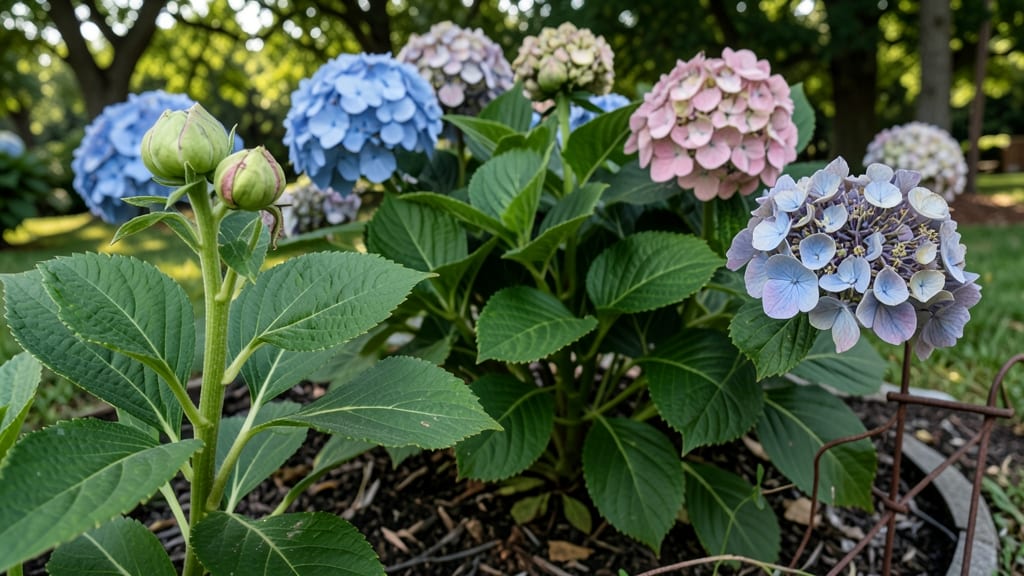
Hydrangeas only bloom once a year—unless you're growing the right types and pruning them correctly. ✨ I spent three summers watching my mophead hydrangeas put on a single spectacular show before fading into green, until I discovered the reblooming varieties that keep flowering all season long.
The secret lies in the hydrangea family: mopheads and lacecaps typically bloom once on old wood, while panicle and some modern reblooming hybrids produce flowers on new growth. That means pruning at the right time—after blooms fade in early summer—can trigger a second flush of flowers by midsummer.
Even better, these rebloomers often put on a third show in fall.
You’ll end up with hydrangeas that look like they’re always in peak bloom, with clusters of color from June through October. The key is matching your variety to your climate and pruning with confidence—no more waiting months for a single burst of flowers. The transformation is worth the effort.
Works for gardeners in zones 4-9, whether you have a sunny border, shady patio, or container collection. Let’s get those hydrangeas blooming again—and again—this season.
📚 In This Guide
- What you need
- Instructions
- Tips and common mistakes
- Wrapping up and next steps
What you need
- ● Hydrangea plants: Reblooming varieties like 'Endless Summer', 'Annabelle', or 'Nikko Blue' (1–3 plants, depending on garden size).
- ● Well-draining potting mix: 5–10 gallons (for container gardening) or a blend of garden soil, compost, and perlite (for in-ground planting).
- ● Slow-release fertilizer: 10–20-10 NPK ratio (1–2 lbs per plant, applied in early spring and mid-summer).
- ● Pruning shears: Sharp, clean pair (sterilize with rubbing alcohol between cuts).
- ● Mulch: 2–3 inches of organic mulch (e.g., shredded bark or straw) to retain moisture and regulate soil temperature.
- ● Watering can or hose: With a gentle spray nozzle (hydrangeas hate soggy roots!).
- ● pH test kit: To check soil acidity (ideal range: 5.2–5.5 for blue blooms; 6.0+ for pink).
- ● Aluminum sulfate or hydrated lime: For adjusting pH (1–2 lbs per 100 sq ft, as needed).
- ● Container gardening: 15–20 gallon pots with drainage holes (for urban gardeners).
- ● Drip irrigation system: To automate watering (especially in hot climates).
- ● Plant supports: Stakes or cages for large varieties like 'Grandiflora' hydrangeas.
- ● Bloom-boosting supplements: Fish emulsion or compost tea (applied every 4–6 weeks).
- ● Garden journal: To track pruning dates, fertilizer applications, and bloom cycles!
How to encourage hydrangeas to bloom twice a year
Year-round color isn't magic—it's about timing, pruning, and a few plant biology secrets.
🌱 Step 1: Identify Your Hydrangea Type First
Not all hydrangeas rebloom naturally. Bigleaf hydrangeas (Hydrangea macrophylla) are the most common rebloomers, but even then, some varieties bloom only on old wood, others on new growth, and a lucky few do both. Check your plant's tags or research its specific variety—this determines your entire pruning strategy.
If you're unsure, observe last year's blooms: if they appeared on last season's growth (thick, woody stems), it's an old-wood bloomer. If they're on current year's growth (tender, green stems), it's a new-wood bloomer. Rebloomers like 'Endless Summer' or 'Nikko Blue' will have both. This step is critical—I've wasted seasons pruning the wrong way.
✂️ Step 2: Prune at the Right Time for Reblooming
For old-wood bloomers, prune immediately after flowering in late summer (August-September). This lets the plant set next year's buds on current season's growth. Never prune in fall or winter—you'll remove next year's blooms before they form. For new-wood bloomers, prune in late winter or early spring (February-March) before new growth starts.
Use clean, sharp pruners and cut just above a leaf bud or lateral branch. I like to make cuts at a 45-degree angle about ¼ inch above the bud to prevent water from pooling. Remove any dead, crossing, or weak branches first—they compete with flower production. This is where most gardeners mess up: pruning too early or too late ruins the reblooming cycle.
☀️ Step 3: Feed for Continuous Flowering
Reblooming hydrangeas are heavy feeders. Apply a balanced fertilizer (10-10-10) in early spring when new growth appears, then again after the first flush of blooms in mid-summer. I use slow-release granules for convenience, but liquid fertilizer works too if applied every 4-6 weeks. Avoid high-nitrogen fertilizers—they promote leafy growth at the expense of flowers.
Also monitor soil pH: blue hydrangeas need acidic soil (pH 5.0-5.5) while pink varieties prefer neutral to slightly alkaline (pH 6.0-7.0). Test your soil in early spring and amend with sulfur or lime as needed. The color change is dramatic—I've gone from pale pink to deep blue just by adjusting pH last season.
💧 Step 4: Water Strategically for Larger Blooms
Consistent moisture is key for reblooming. Hydrangeas need 1-1.5 inches of water weekly, more in extreme heat. I water deeply at the base rather than overhead to prevent fungal diseases. Mulch with 2-3 inches of organic mulch (like shredded bark) to retain moisture and regulate soil temperature.
Here's the secret most gardeners miss: water more frequently during the two weeks before blooming. This triggers larger flower heads. You'll see buds form more aggressively when the soil stays evenly moist. Let the top 1-2 inches dry out between waterings—hydrangeas hate soggy roots but also can't handle drought stress during bloom formation.
⏰ Step 5: Protect Blooms Through Seasonal Changes
Late summer frosts can damage new blooms. If a frost is forecasted after your hydrangeas have set buds, cover them with frost cloth or a light blanket. Remove the cover when temperatures rise to prevent overheating. I've saved multiple late-season blooms this way—it's worth the effort.
Also watch for pests like lacewings or spider mites, which can defoliate plants and reduce next year's blooms. Spray with neem oil if you see webbing or tiny yellow spots on leaves. Healthy foliage means more energy for flower production. The goal is to keep your hydrangea stress-free from spring through fall—this is how you break the "one-bloom-per-year" rule.
Tips & tricks for year-round hydrangea blooms
These plant biology secrets will transform your hydrangeas from one-season wonders to continuous color machines.
Type-Specific Pruning: The August-September pruning window for old-wood bloomers is non-negotiable. I've seen gardeners cut back too early and lose next year's flowers entirely. For new-wood types, that February-March timing is equally critical—prune too late and you'll sacrifice spring blooms. Pro tip: Mark your calendar with both deadlines and use colored flags on your plants to visually distinguish between old and new growth.
Fertilizer Timing Secret: The two feeding windows—early spring and mid-summer—are about more than just nutrients. The spring feeding jumpstarts growth while the summer feeding supports bud formation after the first bloom cycle. I've found that splitting a slow-release 10-10-10 fertilizer into two equal applications (half in spring, half in summer) gives more consistent results than trying to remember liquid feedings every 4-6 weeks.
Soil pH Hack: That dramatic color shift from pink to blue (or vice versa) happens because aluminum availability changes with pH. For blue blooms, test your soil in early spring and add aluminum sulfate if needed—it's more effective than just sulfur alone. For pink varieties, a light application of garden lime every 2-3 years maintains that neutral range. I keep pH test kits on hand specifically for my hydrangeas—they're the only plants where I obsess over this metric.
Watering Strategy: The two-week pre-bloom watering boost is where most gardeners miss the mark. I set a reminder on my phone two weeks before expected bloom time and increase watering to every other day during that window. The key is maintaining that 1-1.5 inch weekly target without letting the soil become waterlogged—hydrangeas need consistent moisture, not soggy roots. A moisture meter comes in handy here for precision.
Pro Tips for Do Hydrangeas Only Bloom Once A Year
- These plant biology secrets will transform your hydrangeas from one-season wonders to continuous color machines.
- Type-Specific Pruning: The August-September pruning window for old-wood bloomers is non-negotiable.
- Fertilizer Timing Secret: The two feeding windows—early spring and mid-summer—are about more than just nutrients.
Frequently asked questions
Got questions about hydrangea blooming? You’re not alone! Here are the answers to the most common queries about these stunning plants and how to keep them flowering year-round.
Why do my hydrangeas only bloom once a year?
Most hydrangeas bloom on old wood (last year’s growth), which means they set buds in late summer or fall for a spring show. If you prune too late or harshly, you might cut off next year’s flowers. Reblooming varieties (like 'Endless Summer') produce flowers on new wood too, so they can bloom twice!
How do I encourage my hydrangeas to bloom more than once?
For reblooming hydrangeas, prune in early spring (before buds swell) or right after the first flush of flowers fades. Deadhead spent blooms regularly to prompt new growth. Pro tip: Fertilize lightly with balanced blooming formula (like 10-10-10) every 4-6 weeks for extra energy!
Can I prune hydrangeas in summer to get more flowers?
Light summer pruning (removing just the faded blooms) can encourage a second flush, but avoid heavy cuts—this stresses the plant. For non-rebloomers, summer pruning risks cutting off next year’s buds. Wait until late winter/early spring for a clean slate!
Do hydrangeas need special care to rebloom?
Yes! Reblooming hydrangeas thrive with:
- Consistent moisture (1–2 inches per week)
- Morning sun + afternoon shade (protects blooms from scorching)
- Mulch to retain soil moisture and regulate temps
- Avoid late-season pruning (after Labor Day in most zones)
My hydrangeas aren’t blooming at all—what’s wrong?
Check these common culprits:
Issue
Fix
Too much shade
Move to partial sun (4–6 hours/day)
Over-fertilizing with phosphorus
Switch to a low-P fertilizer (e.g., 10-4-6)
Dormant buds didn’t harden off
Cover with burlap in winter if temps drop below 10°F
Pruned at the wrong time
Wait until late winter for non-rebloomers
Wrapping up and next steps
So, do hydrangeas only bloom once a year? Not necessarily! With the right care—like pruning at the right time, choosing reblooming varieties, and feeding them well—you can enjoy stunning blooms year-round. 🌸 Whether you’re a seasoned gardener or just starting, these secrets make it easier than ever to keep your hydrangeas thriving.
Ready to transform your garden? Start small: Pick one variety to experiment with this season, or share your progress with fellow plant lovers online. Every bloom is a step toward a colorful, joyful garden—happy gardening! 🌿