
Blooming
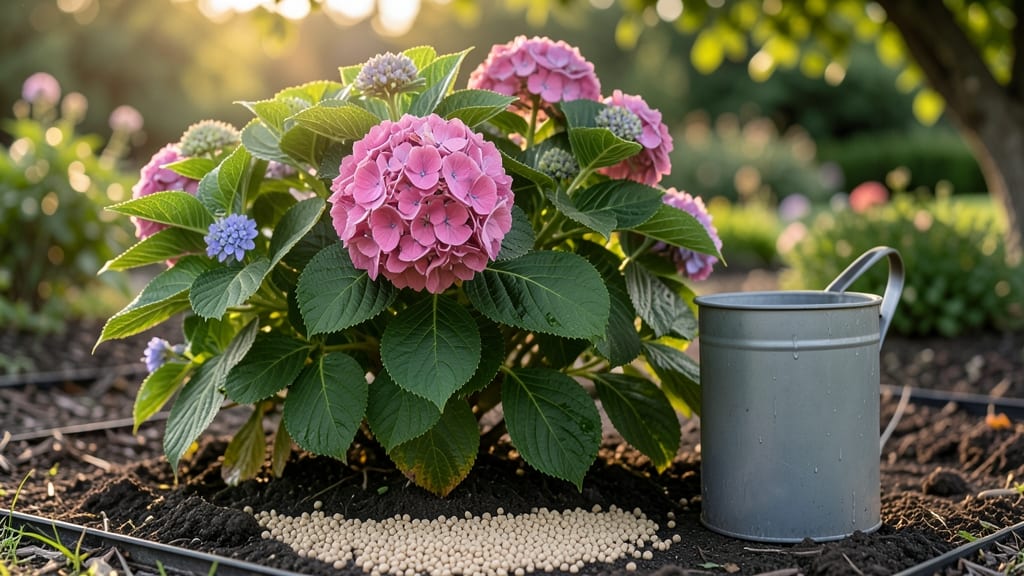
Keeping hydrangeas blooming isn't just about luck—it's about timing, soil, and a few clever cuts. ✨ I learned the hard way when my first hydrangea bush put out leaves but no flowers for two full summers, despite my best efforts.
The secret lies in understanding whether your variety blooms on old wood, new wood, or both—and pruning accordingly.
Most hydrangeas need three things to perform: well-draining soil with the right pH (blue blooms love acidity, pinks prefer neutral), consistent moisture (they hate soggy roots but also dry spells), and the right pruning timing.
My big mistake? Cutting back too late in the season—now I mark the date on my calendar and prune in early spring before new growth starts.
You'll see the difference within 6-8 weeks of proper care: lush foliage, abundant blooms, and colors that stay vibrant all summer. The key is patience—hydrangeas reward consistency over quick fixes. Even my black thumb can't kill these once I got the basics right.
Works for both mophead and lacecap varieties, whether you're growing in full sun or partial shade. Let's get those blooms popping!
📚 In This Guide
- What you need
- Instructions
- Tips and common mistakes
- Wrapping up and next steps
What you need
- ● Pruning shears or loppers – Sharp, clean, and bypass-style (avoid anvil pruners to prevent crushing stems). Size: 6–8" for small stems, 12–14" for thicker branches.
- ● Garden gloves – Heavy-duty, nitrile-coated for protection against thorns and sap.
- ● pH test kit – Digital or liquid test strips to check soil acidity (aim for 5.2–6.0 for most hydrangeas).
- ● Aluminum sulfate or sulfur – For acid-loving varieties (e.g., Hydrangea macrophylla). Quantity: 1–2 lbs per 100 sq ft.
- ● Organic mulch – Pine bark, wood chips, or compost (3–4 inches thick) to retain moisture and acidify soil over time.
- ● Watering can or hose with a gentle spray nozzle – For deep, consistent hydration (hydrangeas love moisture!).
- ● Well-draining potting mix or garden soil – If repotting or amending soil, use a mix with peat moss or pine fines for acidity.
- ● Pruning sealant – For large cuts (e.g., tree wound paint) to prevent disease (though not always necessary for hydrangeas).
- ● Slow-release fertilizer – Balanced (e.g., 10-10-10) or acid-loving plant food (e.g., Azalea/Camellia formula).
- ● Rain gauge or moisture meter – To track hydration levels (hydrangeas need 1–1.5 inches of water weekly).
- ● Epsom salt (magnesium sulfate) – 1 tbsp per gallon of water as a foliar spray for blue blooms (boosts aluminum uptake).
- ● Drip irrigation system – For automated, even watering (especially in hot climates).
Step-by-Step guide to keeping hydrangeas blooming year after year
Here's the method I've used for decades to keep my hydrangeas bursting with color every season.
🌿 Step 1: Understand Your Hydrangea Type and Its Blooming Habits
Hydrangeas bloom on either old wood (last year's growth) or new wood (current season's growth). Bigleaf hydrangeas (Hydrangea macrophylla) bloom on old wood, while panicle and oakleaf types bloom on new wood. I always check the flower buds in late winter—if they're already swollen, you've got an old-wood bloomer that needs gentle pruning.
Never prune old-wood types in late winter or early spring. You'll cut off next year's blooms before they even form. For new-wood bloomers, prune in late winter or early spring before new growth starts. This ensures you're shaping the plant without sacrificing flowers.
✂️ Step 2: Prune at the Right Time for Maximum Blooms
For old-wood hydrangeas, wait until right after flowering—usually late summer or early fall. I never prune before the blooms fade because that's when the plant is storing energy for next year's flowers. Cut back 1/3 of the oldest stems to the ground, making clean cuts just above a set of leaves or buds.
For new-wood types, prune in late winter or early spring before new growth begins. Remove dead, weak, or crossing branches first, then shape the plant by cutting back stems to 6-8 inches above the ground. This encourages strong new growth that will produce abundant blooms.
💧 Step 3: Feed and Hydrate for Lush, Long-Lasting Flowers
Hydrangeas thrive in acidic soil with a pH of 5.0-6.0. I test my soil every spring and amend with sulfur or aluminum sulfate if needed to keep the blooms vibrant. Feed with a balanced, slow-release fertilizer in early spring, then again after flowering. Too much nitrogen makes leaves but few flowers.
Water deeply 2-3 times per week during the growing season, keeping the soil consistently moist but not soggy. I use a 5-gallon watering can to soak the root zone to a depth of 12 inches. Hydrangeas wilt dramatically when thirsty—don't wait until they look sad to water.
☀️ Step 4: Provide the Right Light and Protection
Most hydrangeas prefer morning sun and afternoon shade, especially in hot climates. I plant mine where they get 4-6 hours of direct sun but are shaded from the intense afternoon rays. Too much sun fades petals and stresses the plant, while too little light reduces blooming.
In winter, protect young plants from harsh winds and freezing temperatures. I wrap the base with burlap and cover with mulch 3-4 inches deep after the ground freezes. This insulation prevents root heave and keeps the plant healthy for next year's blooms.
🌱 Step 5: Deadhead and Maintain for Continuous Color
After the first flush of blooms fades, I deadhead old flowers by cutting stems back to the first set of healthy leaves. This encourages a second round of blooms on new-wood types. For old-wood types, leave some spent blooms until late fall—they're storing energy for next year.
Remove any seed heads that form, as they drain energy from the plant. I also watch for yellowing leaves, which can signal overwatering or nutrient deficiencies. Adjust care accordingly—hydrangeas are forgiving but need consistent attention to keep blooming beautifully.
Tips & tricks for year-round Hydrangea blooms
These are the hard-won lessons that'll keep your hydrangeas looking like a garden center display all season long.
Pruning Precision: When you're cutting back those 1/3 of oldest stems in Step 2, use clean, sharp pruners and make cuts at a 45-degree angle just above a leaf bud. This prevents water from pooling on the cut and reduces the chance of disease. I've seen too many gardeners make jagged cuts that leave the plant vulnerable—always aim for smooth, professional-looking snips. The right cut encourages faster healing and stronger new growth.
Soil Science Secret: That 5.0-6.0 pH range in Step 3 isn't just a number—it's the sweet spot for vibrant blooms. If your soil tests higher, add sulfur gradually over several weeks rather than all at once. I learned this the hard way when I over-acidified my soil and ended up with leaf burn. Start with small amounts, re-test after 6 weeks, then adjust again if needed. For blue blooms, aim for pH 5.2-5.5; for pink, 6.0-6.2.
Watering Wisdom: Those 2-3 times per week in Step 3 should be deep waterings—think soaking the entire 12-inch root zone, not just a quick sprinkle. I use a 5-gallon can because it gives me a consistent measurement. Water in the morning so the foliage has time to dry before evening, which prevents fungal issues. And here's a trick: water at the base rather than overhead to keep those gorgeous blooms dry and lasting longer.
Lighting Strategy: When positioning your hydrangeas for that perfect 4-6 hours of morning sun, pay attention to your landscape's microclimates. The north side of your house might get less intense sun than the south side, even if both get similar hours. I always test a spot for a week before planting—if leaves start curling or drying out, it's getting too much sun. Remember, afternoon shade is crucial in hot climates to prevent petal scorch.
Pro Tips for Keep Hydrangeas Blooming
- These are the hard-won lessons that'll keep your hydrangeas looking like a garden center display all season long.
- Pruning Precision: When you're cutting back those 1/3 of oldest stems in Step 2, use clean, sharp pruners and make cuts at a 45-degree angle just above a leaf bud.
- Soil Science Secret: That 5.0-6.0 pH range in Step 3 isn't just a number—it's the sweet spot for vibrant blooms.
Frequently asked questions
Got questions about keeping your hydrangeas blooming like a pro? You’re not alone! Here are answers to the most common concerns—from pruning puzzles to soil secrets—so you can enjoy those lush blooms all season long.
Why are my hydrangeas not blooming this year?
Hydrangeas often skip blooms due to over-pruning (cutting back old wood in late winter) or nutrient deficiencies. Bigleaf and oakleaf types bloom on old wood, so prune lightly in late spring after blooming. Mopheads (like Endless Summer) bloom on new wood—prune in early spring. Check soil pH too: acidic (5.2–5.5) = blue flowers; alkaline (6.0+) = pink.
When is the best time to prune hydrangeas for more blooms?
Timing depends on your type! For old-wood bloomers (Bigleaf, Oakleaf), prune right after flowering (late summer/early fall) to avoid cutting off next year’s buds. For new-wood bloomers (Mopheads like Endless Summer), prune in early spring before new growth starts. Never prune in winter—dormant plants can’t heal cuts!
How often should I water hydrangeas to keep them blooming?
Hydrangeas love consistent moisture—about 1–1.5 inches per week, including rain. Deep watering 2–3 times per week is better than shallow daily sprinkles. Mulch around the base (2–3 inches) to retain moisture and regulate soil temp. Wilting leaves or brown edges? It’s a thirsty plant crying for help!
Can I use coffee grounds to change my hydrangea flower color?
Yes! Coffee grounds are acidic (pH 4.0–5.0), which can help turn blooms blue or purple. Mix used grounds into the soil around the base (1–2 cups per plant every few weeks). For pink flowers, add lime (calcium carbonate) to raise pH. Test soil pH annually with a kit for best results.
What do I do if I accidentally prune my hydrangea at the wrong time?
Don’t panic! If you trimmed old-wood hydrangeas in winter, you’ve likely removed next year’s blooms—but the plant will still grow! Focus on soil care (mulch, fertilizer) and watering to encourage new growth. For new-wood types, late pruning just delays blooms. Pro tip: Mark pruning dates on your calendar next year!
Are there any hydrangea varieties that bloom all summer long?
Endless Summer®
and BloomStruck® mopheads rebloom on both old and new wood, giving you flowers from early summer to frost. Oakleaf hydrangeas also rebloom if pruned lightly after their first flush. For longest blooms, plant in partial shade and feed with balanced fertilizer (10-10-10) in spring.
Wrapping up and next steps
Keeping your hydrangeas blooming beautifully is all about timing, soil care, and a little pruning love! 🌸 With the right techniques—like pruning at the right season, feeding them well, and ensuring proper drainage—you’ll enjoy vibrant blooms for years.
Remember, patience and consistency are key, and soon, your garden will be the talk of the neighborhood.
Ready to transform your hydrangeas into a showstopper? Start with one tip today—whether it’s adjusting your pruning schedule or testing your soil—and watch your plants thrive! 🌿