
Blooming
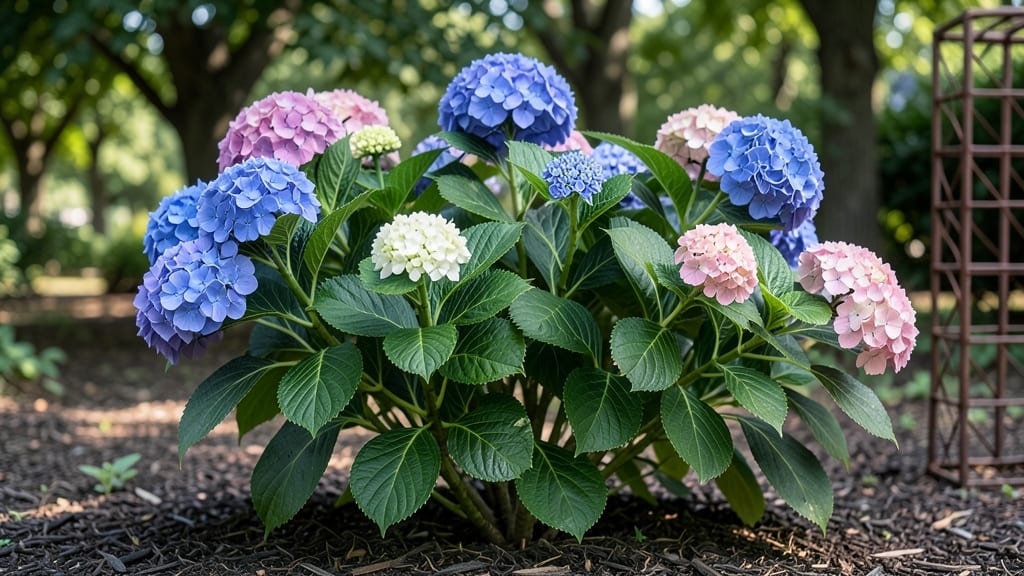
Transform your garden with reblooming bigleaf hydrangeas—those stunning double blooms are possible with the right pruning, feeding, and a few clever tricks most gardeners overlook. 🌸 The key starts in late winter when you prune back one-third of last year’s stems to fresh buds.
Skip this step, and you’ll miss the second flush of blooms entirely. Then, feed them with acid-loving fertilizer every 6 weeks to keep those lush green leaves and vibrant blooms coming back.
By deadheading spent flowers in early summer and adjusting sunlight exposure, you’ll coax a second round of blooms that last 6-8 weeks longer than the first. The secret? Balancing pruning, feeding, and soil pH—without guessing. Works for potted or in-ground hydrangeas, and even revives older plants that’ve lost their vigor.
Let’s get those blooms back!
📚 In This Guide
- What you need
- Instructions
- Tips and common mistakes
- Wrapping up and next steps
What you need
- ● Pruning shears or loppers – Sharp, clean, and sterilized (bypass pruners work best for precision cuts).
- ● Gloves – Heavy-duty garden gloves (to protect from thorns and sap).
- ● Disinfectant (70% isopropyl alcohol or bleach solution) – 1 part bleach to 9 parts water (for sterilizing tools).
- ● Balanced, slow-release fertilizer – 10-10-10 or similar (1–2 lbs per plant, depending on size).
- ○ Mulch (optional but recommended) – 2–3 inches of organic mulch (shredded bark, pine straw, or compost).
- ● Watering can or hose with a gentle nozzle – For post-pruning hydration.
- ● Epsom salt (magnesium sulfate) – 1 tablespoon per gallon of water (boosts green foliage and bloom health).
- ● Plant food with micronutrients – Look for potassium and phosphorus-rich options (e.g., 5-10-5).
- ○ Plant growth regulator (PGR) spray – Optional for stubborn late bloomers (follow label instructions).
- ● Pruning sealant – Not always necessary, but helpful for large cuts (to prevent disease).
- ● Notebook or app – To track pruning dates and fertilizer applications.
How to prune and care for reblooming bigleaf hydrangeas
Here’s the method I’ve used to coax stunning second blooms from my bigleaf hydrangeas—no guesswork, just science-backed timing and technique.
✂️ Step 1: Prune in Late Winter or Early Spring
Wait until late winter (just before buds swell) or early spring (when new growth begins) to prune. This timing preserves next year’s blooms while encouraging fresh growth. Cut back last year’s stems by ⅓ to ½ their length, always above a bud that faces outward—this opens the plant’s center for better airflow and light penetration.
Use clean, sharp pruners to avoid tearing stems. I always sterilize them with rubbing alcohol first to prevent spreading disease. Focus on removing dead, damaged, or crossing branches while leaving 3-5 strong stems per plant—this ensures energy goes toward vibrant blooms instead of excessive foliage.
💧 Step 2: Water Deeply After Pruning
Water deeply right after pruning to help the plant recover. Bigleaf hydrangeas need 1-1.5 inches of water weekly, but more during hot, dry spells. Soak the soil until water drains from the bottom of the pot or 6 inches deep in the ground. You’ll know it’s enough when the top 2 inches of soil feel moist but not soggy.
Mulch around the base with 2-3 inches of organic mulch (like shredded bark) to retain moisture and regulate soil temperature. This step is critical—hydrangeas hate drought stress, and consistent moisture encourages larger, more vibrant blooms. Avoid watering the leaves to prevent fungal issues.
☀️ Step 3: Feed with Balanced Fertilizer in Early Spring
Apply a balanced, slow-release fertilizer (like 10-10-10) in early spring when new growth appears. Follow the package instructions, but I usually halve the dose—hydrangeas are sensitive to over-fertilizing, which can lead to lush foliage but few flowers. Look for signs of yellowing leaves or leaf burn as warnings to reduce fertilizer.
For blue blooms, add aluminum sulfate (1 tablespoon per gallon of water) every 4-6 weeks during the growing season. For pink blooms, skip the aluminum and maintain neutral soil pH (around 6.0-6.2). Test your soil first—hydrangeas are finicky about pH, and blooms won’t color correctly if it’s off.
🌿 Step 4: Monitor for Blooms and Deadhead Strategically
Watch for new flower buds forming in late spring or early summer. These will develop into your second flush of blooms if you deadhead spent flowers carefully. Snip off only the faded blooms, leaving the green seed heads intact—they’re next year’s flowers! Use clean pruners and make cuts just above a leaf node to encourage branching.
If your hydrangea looks overcrowded, thin out some stems completely to improve airflow. I usually remove 1-2 of the oldest stems each year to keep the plant youthful and vigorous. This might seem harsh, but it prevents disease and ensures bigger, showier blooms in future seasons.
⏰ Step 5: Prepare for Winter Dormancy
In late fall, reduce watering slightly but keep the soil evenly moist—hydrangeas need hydration to harden off for winter. Stop fertilizing by mid-summer to allow the plant to prepare for dormancy. Mulch heavily (up to 4 inches) around the base to insulate roots from freezing temperatures.
If you’re in a cold climate (below Zone 5), wrap the plant in burlap or frost cloth after the first frost. Bigleaf hydrangeas are hardy, but young plants or severe winters can damage buds. Unwrap in early spring once new growth appears—this prevents soggy stems from trapped moisture.
Tips & tricks for perfect reblooming bigleaf hydrangeas
Here's what nobody tells you about getting those second blooms right—these are the details that separate good from spectacular.
Pruning Precision: When you're cutting back last year's stems by ⅓ to ½ their length in Step 1, focus on making clean cuts at a 45-degree angle just above an outward-facing bud. This angled cut helps water run off the stem, preventing rot. I've ruined too many plants by cutting too close to the bud—leave about ¼ inch above it. The outward-facing angle also creates better light penetration through the center of the plant, which is key for those second blooms.
Watering Wisdom: The 1-1.5 inches of water weekly in Step 2 is your baseline, but don't rely solely on rainfall measurements. Use a rain gauge or place a tuna can in your garden—when it collects 1-1.5 inches, you're good. During heatwaves, I've seen hydrangeas wilt dramatically within hours of insufficient water. The top 2 inches of soil should feel like a damp sponge, not a dry brick. Mulching with 2-3 inches of organic material helps maintain this moisture level while protecting roots from temperature swings.
Fertilizer Strategy: That halved dose of balanced fertilizer in Step 3 is non-negotiable for bigleaf hydrangeas. I've learned this the hard way after watching plants produce all foliage and no flowers. For the aluminum sulfate treatment, mix it thoroughly in your watering can and apply directly to the soil, not the leaves. The 4-6 week interval is crucial—too frequent applications can actually inhibit blooming. Always test your soil pH before starting treatments; hydrangeas are particularly sensitive to soil chemistry, and blooms won't develop properly outside the 6.0-6.2 range.
Deadheading Technique: When monitoring for blooms in Step 4, be ruthless but precise with your deadheading. Only remove completely faded blooms—those brown, papery flowers. The green seed heads are next year's blooms in disguise! Make your cuts just above a leaf node (where leaves attach to the stem) to stimulate new growth. I've seen gardeners accidentally prune off potential blooms by cutting too far down the stem, so take your time with this step. The goal is to encourage branching while preserving next season's flowers.
Pro Tips for Reblooming Bigleaf Hydrangeas
- Here's what nobody tells you about getting those second blooms right—these are the details that separate good from spectacular.
- Pruning Precision: When you're cutting back last year's stems by ⅓ to ½ their length in Step 1, focus on making clean cuts at a 45-degree angle just above an outward-facing bud.
- Watering Wisdom: The 1-1.5 inches of water weekly in Step 2 is your baseline, but don't rely solely on rainfall measurements.
Frequently asked questions
Got questions about reviving your bigleaf hydrangeas for a stunning second bloom?
You’re not alone! Here are answers to the most common concerns—so you can tackle reblooming with confidence.
When is the best time to prune for reblooming?
Prune after the first flush of blooms in early summer (June–July). Avoid cutting back in late summer or fall—this removes next year’s flower buds! Focus on dead, weak, or overcrowded stems. Pro tip: Use sharp pruners and sterilize them with rubbing alcohol to prevent disease.
How long does it take to see reblooms after pruning?
With proper care, you’ll often spot new buds forming within 6–8 weeks after pruning. However, reblooms may not match the size of the first flush. Patience pays off! Hydrangeas need consistent water, balanced fertilizer, and partial shade to thrive.
Can I rebloom bigleaf hydrangeas in full sun?
While they can tolerate full sun, reblooming is easier in morning sun + afternoon shade. Too much direct sun stresses the plant, reducing flower production. If your hydrangea is already in full sun, gradually acclimate it to shade or provide afternoon protection (e.g., a sheer curtain or nearby trees).
What if my hydrangeas don’t rebloom at all?
Don’t panic! Check these fixes:
- Pruning mistakes: Avoid cutting back more than 1/3 of the plant or removing last year’s flower stems.
- Nutrient deficiency: Test soil pH (aim for 5.5–6.5) and add hydrangea-specific fertilizer in early summer.
- Stress factors: Overwatering, drought, or pests (like spider mites) can stunt growth. Inspect leaves and adjust care.
Are there reblooming alternatives to bigleaf hydrangeas?
Yes! If bigleaf hydrangeas prove tricky, try these reblooming-friendly varieties:
Option
Key Benefit
Panicle hydrangeas (e.g., ‘Limelight’)
Hardier, more forgiving with pruning; blooms on new and old wood.
Oakleaf hydrangeas (e.g., ‘Snow Queen’)
Drought-tolerant and adaptable to sun/shade; stunning fall foliage.
Smooth hydrangeas (e.g., ‘Annabelle’)
Thrives in heat and humidity; produces large, long-lasting blooms.
Wrapping up and next steps
Reblooming your bigleaf hydrangeas is all about timing, patience, and a little extra care—and the results are worth it! 🌸 With the right pruning, feeding, and maintenance, you’ll enjoy those stunning second blooms all season long.
Don’t let past mistakes hold you back; every gardener starts somewhere, and your hydrangeas will thank you for the effort.
Ready to take the next step? Start small—pick one plant to experiment with this season, and track your progress. Soon, your garden will be bursting with color, and you’ll be the proud hydrangea whisperer in the neighborhood! 🌿✨