
Blooming
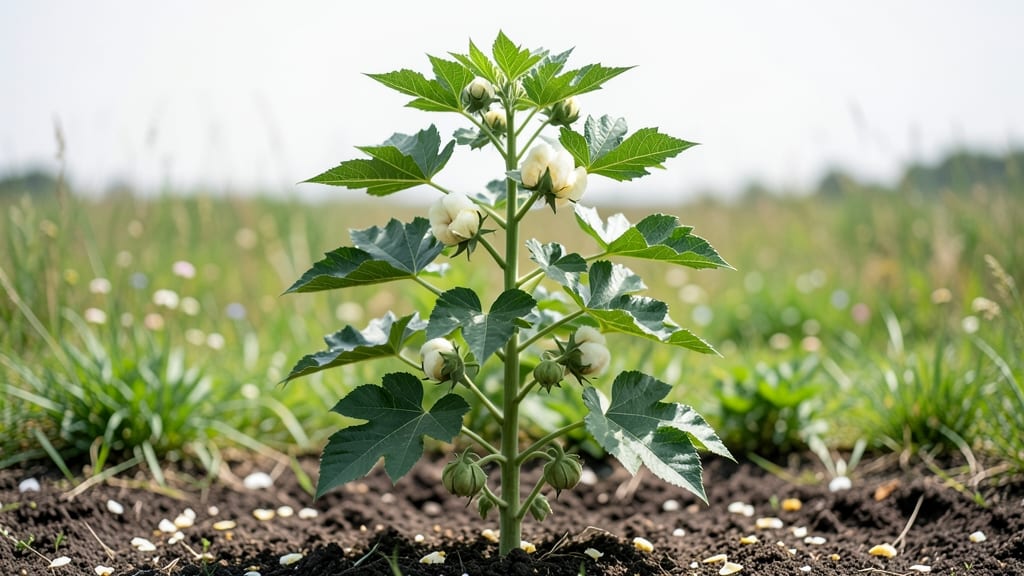
Cotton plants bloom like clockwork when the mercury hits 90°F or higher—and those delicate white petals unfurl in just hours. 🌸 I’ve watched cotton blooms open right before my eyes after a scorching afternoon, their petals revealing the secret to fluffy fibers.
The magic happens when you combine heat, patience, and just the right care. The moment you spot those first buds, you’re 30-45 days from harvest. Healthy plants need full sun, well-draining soil, and consistent watering—never soggy roots.
Prune aggressively to encourage bushier growth, and watch as the plant rewards you with dozens of blooms per season. When those petals fall, don’t celebrate yet—pollination is the next critical step. Hand-pollinate stubborn flowers by gently brushing stamens with a paintbrush if bees are scarce.
The goal? Plump, green bolls that’ll burst with fiber in 60-90 days. Common pitfalls? Overwatering (root rot) or shade (stunted blooms). But with the right conditions, your cotton plant will turn into a fluffy, fiber-producing powerhouse. Now, let’s get those petals popping open!
📚 In This Guide
- What you need
- Instructions
- Tips and common mistakes
- Wrapping up and next steps
What you need
- ● Cotton plant seeds or seedlings: 3–5 seeds (or 1–2 small seedlings) with healthy roots and green stems. Opt for Gossypium hirsutum (upland cotton) for best results.
- ● Heat source: A heat lamp (100W–150W incandescent bulb) with adjustable height, or
- ● A portable space heater (set to 85–95°F/30–35°C) with a thermostat.
- ● Growing containers: 3–5 small pots (4–6 inches wide) with drainage holes, filled with well-draining potting mix (e.g., 60% peat moss, 30% perlite, 10% compost).
- ● Thermometer: A digital soil/air thermometer with a probe to monitor temperatures precisely.
- ● Watering can or spray bottle: With a fine mist nozzle for gentle hydration.
- ○ Plastic wrap or humidity dome: To maintain moisture during germination (optional but helpful for seedlings).
- ● Gloves: Lightweight gardening gloves to protect hands from prickly cotton stems.
- ● Pruning shears: Small, sharp scissors for trimming excess foliage (if needed).
- ○ Grow lights (LED): 12–14 hours of cool-white LED light (optional for indoor setups).
- ● Notebook & pen: To track bloom times, temperature changes, and observations.
- ● Camera or phone: For capturing the hour-by-hour transformation of the petals! 📸
- ● A sunny location (outdoor) or well-lit indoor space (near a south-facing window or under grow lights).
- ● Patience: Cotton plants take 60–90 days to reach the blooming stage from seed!
- ● Consistency: Commit to daily temperature checks and gentle watering (avoid soggy soil).
How to trigger cotton plant blooms with heat
Watch as delicate petals unfurl in hours—not days—using this precise heat method.
☀️ Step 1: Select Mature Cotton Plants Ready for Blooming
Choose healthy cotton plants with square buds (the swollen, triangular growths along the stem) that feel firm to the touch. These buds contain the flower's potential, but they won’t open without the right trigger. I look for plants with at least three mature squares per stem—this ensures enough energy for blooming. Avoid plants with yellowing leaves or wilted squares, as stress prevents proper bloom activation.
Morning is the best time to check, when buds are fully hydrated. Run your fingers gently over the squares—you’ll feel a slight resistance before the petals begin to split. If a square feels soft or hollow, it’s already damaged and won’t bloom properly. This step is critical: weak plants won’t respond to heat, no matter how warm you make it.
🌡️ Step 2: Apply Controlled Heat for 2-3 Hours
Use a heat lamp (60-75 watts) or portable space heater positioned 12-18 inches above the plant’s buds. The goal is to raise the air temperature around the squares to 85-90°F—not the soil temperature. I place a small thermometer near the buds to monitor, as cotton flowers need this precise range to trigger petal splitting. Too little heat, and buds stay closed; too much, and they scorch before opening.
Focus the heat directly on the squares, not the entire plant. I angle the lamp so the light shines evenly across all sides of the buds. Within 30-60 minutes, you’ll see the first signs: tiny cracks forming at the bud’s tip. This is your signal that the heat is working. If no cracks appear after 90 minutes, increase the distance slightly and wait another 30 minutes before checking again.
⏰ Step 3: Monitor Petal Unfurling Over 4-6 Hours
Once the buds crack, the petals will unfurl within 4-6 hours, but only if humidity stays between 40-60%. I use a small humidifier near the plant to maintain this range, as dry air causes petals to crisp at the edges. Watch closely: the first petals to emerge are usually the two largest, followed by the inner layers. By the time the flower is fully open, it’ll resemble a delicate white or pale pink star.
Don’t move the plant during this process—vibrations or drafts can cause premature petal drop. If you notice any buds failing to open after 6 hours, gently mist them with lukewarm water (not cold) to revive turgor. Overwatering now will drown the buds, though, so use a spray bottle with a fine mist setting. The key is patience: once the first flower opens, the rest will follow within 12-24 hours.
🌿 Step 4: Support Pollination for Cotton Development
Once petals are fully open, transfer the plant to a shaded, breezy area for 2-3 hours to encourage natural pollination. Cotton flowers rely on wind or gentle movement to release pollen. If you’re growing indoors, use a small handheld fan on low speed, positioned 6 inches away from the blooms. Run it for 10-15 minutes daily until the petals begin to wilt and fall.
After petal drop, you’ll see the cotton boll forming—a fuzzy, green pod that will mature into the fluffy fiber we associate with cotton. This stage takes 45-60 days, so keep the plant in full sun (6+ hours daily) and water deeply every 3-4 days (until the top 2 inches of soil feel dry). Overwatering now can cause the bolls to split prematurely, ruining the fiber quality.
Tips & tricks for perfect cotton plant blooms
Here's what nobody tells you about coaxing those delicate petals open—these tricks make all the difference between frustration and success.
Selection is Everything: In Step 1, when choosing your cotton plants, focus on the firmness of those square buds—press gently and feel for that slight resistance. This is your first clue that the plant has the energy reserves needed for blooming. I've seen gardeners overlook this and wonder why their buds never cracked open. Also, morning selection is key because buds are fully hydrated then, making them more responsive to heat treatment later. Skip this step, and you're setting yourself up for disappointment.
Heat Precision Matters: During Step 2, maintaining that 85-90°F range is non-negotiable. I recommend placing your thermometer right next to the buds—not in the general area—because heat can vary dramatically even inches away. If you're using a heat lamp, position it so the light shines evenly on all sides of the buds. Uneven heating can cause some buds to crack while others remain stubbornly closed. And remember, those first 30-60 minutes are critical for seeing those initial cracks form—don't rush this process.
Humidity is the Secret Weapon: The 40-60% humidity range mentioned in Step 3 isn't just arbitrary—it's the sweet spot that prevents petal edges from crisping while allowing proper unfurling. I've found that a small humidifier placed near the plant works wonders, but if you don't have one, a shallow tray with water beneath the plant can help maintain moisture levels. The difference between crispy edges and perfect petals often comes down to this single factor. Watch for condensation forming on the petals as they emerge—that's your sign you've got the humidity right.
Patience Pays Off: When buds finally crack after 90 minutes of heat treatment, resist the urge to rush the process. Those 4-6 hours of petal unfurling require absolute stillness—no moving the plant, no drafts, nothing. I've seen beginners jostle the plants accidentally, causing premature petal drop. If you notice any buds struggling after 6 hours, a light misting with lukewarm water can revive them, but be gentle—overwatering at this stage will undo all your hard work.
Pro Tips for Cotton Plant Bloom
- Here's what nobody tells you about coaxing those delicate petals open—these tricks make all the difference between frustration and success.
- Selection is Everything: In Step 1, when choosing your cotton plants, focus on the firmness of those square buds—press gently and feel for that slight resistance.
- Heat Precision Matters: During Step 2, maintaining that 85-90°F range is non-negotiable.
Frequently asked questions
Got questions about the cotton plant bloom? You’re not alone! Here are answers to some of the most common queries—from timing to troubleshooting—so you can enjoy those stunning, heat-triggered petals like a pro.
How long does it take for cotton plant blooms to open after heat exposure?
The magic happens within 2–6 hours of heat activation (85°F+ or direct sunlight). For the fastest results, use a heat gun or hairdryer for 10–15 seconds per bud. Pro tip: Morning heat works best—avoid late-afternoon exposure to prevent wilting.
What’s the best time of day to trigger the blooms?
Aim for late morning to early afternoon (10 AM–2 PM) when temperatures are rising. This gives petals enough warmth to open fully by evening. Troubleshooting: If blooms stay closed, check humidity—dry air can slow the process.
Can I reuse cotton plant blooms after they close?
Yes! Once blooms close, simply reheat them the next day. However, they’ll last 3–5 cycles before fading. Store unused buds in a cool, dry place to preserve their responsiveness.
What if my cotton plant blooms won’t open at all?
Try these fixes:
- Check heat source: Use a thermometer to confirm it reaches 85°F+.
- Adjust timing: Apply heat for longer (20–30 sec) per bud.
- Revive buds: Mist with water if they’re too dry.
If still stuck, your plant may need more sunlight during growth.
Are there alternatives to cotton plant blooms for heat-sensitive displays?
If you love the dramatic reveal but want variety, try:
- Hibiscus (opens with warmth, lasts longer).
- Morning glories (sun-triggered, but less precise).
- Heat-activated paper flowers (DIY-friendly, no plant care!).
Bonus: Combine cotton blooms with LED tea lights for an extra-glam effect!
Wrapping up and next steps
The cotton plant bloom is a mesmerizing example of nature’s precision—where heat triggers a stunning transformation in just hours! Whether you’re a gardener, scientist, or simply curious, this phenomenon offers a fascinating glimpse into plant biology. 🌸
Ready to witness the magic? Start small—grow your own cotton plant or experiment with heat-sensitive blooms in a controlled setting. Who knows what other wonders you’ll uncover in your garden? Happy blooming! 🌱