
Blooming
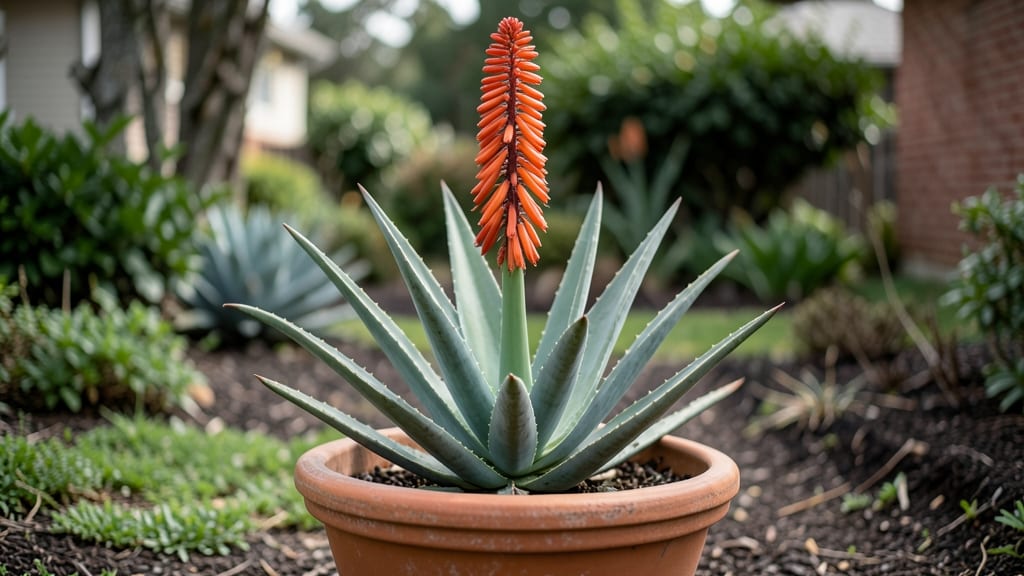
Your aloe plant’s rare flower spike could be just months away—if you give it the right light and patience. 🌱 Most people never see their aloe bloom because they treat it like a basic houseplant, but with a few key adjustments, you’ll trigger that stunning yellow-orange spike that can last for weeks.
The secret lies in mimicking its natural desert conditions, not just watering it occasionally.
Start with bright, direct sunlight—aloes need 6+ hours daily, whether indoors near a south-facing window or outdoors in full sun. Use well-draining soil (cactus mix works perfectly) and let the soil dry completely between waterings—overwatering is the #1 reason blooms never appear.
In my experience, aloes that bloom thrive when slightly root-bound, so don’t rush to repot unless you see roots circling the container.
When conditions are right, you’ll spot a tall, thin flower stalk emerging from the center—sometimes after 2-3 years of careful care. The blooms themselves are delicate, tubular, and fragrant, lasting 1-2 weeks before fading.
The real magic? Your plant may produce multiple stalks in a single season if you’ve nailed the light and water balance.
Indoor growers should supplement with a grow light in winter when days shorten, and outdoor plants benefit from a winter dormancy period (cooler temps, less water). Even a small aloe can bloom with the right approach—just don’t expect instant results. Patience is the key to unlocking those rare, show-stopping flowers.
📚 In This Guide
- What you need
- Instructions
- Tips and common mistakes
- Wrapping up and next steps
What you need
- ● Mature aloe plant (Aloe vera or Aloe arborescens) – At least 5–10 years old (younger plants rarely bloom).
- ● Bright, indirect sunlight – A south- or west-facing window (or a grow light for 12–14 hours/day).
- ● Well-draining soil – A cactus/succulent mix (avoid heavy garden soil!).
- ● Pot with drainage holes – Terracotta or ceramic (3–4 inches wider than the plant’s base).
- ● Watering can with a narrow spout – For precise hydration (overwatering = bloom killer!).
- ○ Fertilizer (optional but helpful) – A balanced, diluted houseplant fertilizer (20-20-20) or a low-nitrogen succulent blend. Apply every 2–3 months in spring/summer.
- ● Grow light (LED or fluorescent) – If natural light is insufficient (e.g., winter or north-facing windows).
- ● Humidity tray or pebble tray – To boost moisture (aloe prefers 30–50% humidity).
- ● Temperature gauge – Ideal range: 55–80°F (13–27°C). Avoid drafts!
- ● Patience (the #1 requirement!) – Blooming can take years—but the wait is worth it! 🌺
Step-by-step instructions for encouraging aloe vera blooms
Here's how to create the perfect conditions for your aloe to finally send up that stunning, rare flower spike.
☀️ Step 1: Provide 10+ Years of Mature Growth
Aloe vera typically won't bloom until it's at least 10 years old and has reached 12-18 inches in height. This is the most critical factor—you can't rush this process. Look for a plant with thick, sturdy leaves arranged in a tight rosette pattern. The older the plant, the stronger its root system, which is essential for supporting the energy demands of flowering.
If you're working with a younger plant, focus on creating ideal growing conditions to accelerate maturity. Aloe grows best in bright, indirect light—a south-facing window or under grow lights 12-14 hours daily—but avoid harsh afternoon sun that can scorch the leaves. You'll know it's thriving when new leaves emerge firm and upright, not flopping outward.
💧 Step 2: Mimic Seasonal Drought Stress
Aloe vera blooms in response to drought-like conditions that trigger its natural flowering cycle. Start by reducing watering to every 3-4 weeks during its resting phase (typically winter). Let the soil dry out completely between waterings—stick your finger 2 inches deep into the soil. If it feels dry, it's time to water.
Water deeply but infrequently, soaking the soil until water runs out the drainage holes. Avoid getting water on the leaves, as this can cause rot. You'll notice the leaves plump up after watering, then gradually shrink as the soil dries. This natural cycle of hydration and drought is what signals the plant to prepare for flowering.
⏰ Step 3: Introduce a Temperature Drop
In its native habitat, aloe vera experiences cooler winter temperatures, which act as a trigger for blooming. Move your plant to a location where nighttime temperatures drop to 50-55°F for at least 4-6 weeks. A cool basement, garage, or even an unheated porch works well—just avoid frost or temperatures below 40°F, which can damage the plant.
During this period, reduce watering further to once every 6-8 weeks. The combination of cooler temperatures and drought stress mimics the plant's natural environment and encourages it to allocate energy toward flower production. Watch for subtle changes: the leaves may develop a slightly bluish tint and grow more slowly, indicating the plant is entering its dormant phase.
🌱 Step 4: Fertilize Lightly in Early Spring
Once you've reintroduced your aloe to warmer temperatures (65-75°F) in early spring, resume watering and fertilize lightly with a balanced, water-soluble fertilizer (10-10-10 or 20-20-20) diluted to half-strength. Apply the fertilizer once every 6-8 weeks during the growing season. Over-fertilizing can lead to weak, leggy growth and may prevent flowering.
Focus on root development rather than rapid leaf growth. You'll see new leaves emerging slowly but steadily, with a deep green color and smooth, unblemished surfaces. Avoid fertilizing in the fall or winter, as this can disrupt the plant's natural dormancy cycle. The goal is to provide just enough nutrients to support steady, healthy growth without overwhelming the plant.
🌿 Step 5: Monitor for Flower Spike Development
After 12-18 months of ideal conditions, your mature aloe vera may finally produce a flower spike—a tall, arching stem that can reach 2-3 feet in height. The spike emerges from the center of the rosette and bears tubular orange, yellow, or red flowers that bloom sequentially from the bottom upward. This process is rare and exciting, but don't be discouraged if it doesn't happen immediately.
Once the flower spike appears, keep the plant in bright, indirect light and water sparingly to prolong the blooming period. The flowers typically last 7-10 days, but the spike itself may persist for several weeks before dying back. After flowering, the mother plant may produce pups (offspring) at its base, which you can carefully separate and repot to propagate new plants.
Tips & tricks for encouraging aloe vera blooms
Patience is key when it comes to coaxing aloe vera to bloom—these small adjustments make all the difference.
Lighting Strategy: Aloe vera thrives under bright, indirect light for 12-14 hours daily, but avoid direct afternoon sun, which can scorch the leaves. If you're using grow lights, position them 6-12 inches above the plant to mimic natural sunlight intensity. I’ve found that rotating the pot quarter-turns every few weeks ensures even growth, preventing the plant from leaning toward the light source.
Drought Stress Timing: The 3-4 week watering interval during winter is non-negotiable—aloe vera needs this drought-like condition to trigger flowering. Stick your finger 2 inches deep into the soil; if it’s dry, it’s time to water. Overwatering at this stage can delay or prevent blooming entirely. For extra assurance, use a moisture meter to track soil dryness accurately.
Temperature Transition: Moving your aloe to 50-55°F nighttime temperatures for 4-6 weeks is essential, but avoid exposing it to frost or temperatures below 40°F. A cool basement or garage works well—just ensure the space isn’t too humid. If your home stays consistently warm, consider placing the pot near a window with cooler airflow, like an open basement door, to create the right conditions.
Pro Tips for Aloe Plant Bloom
- Patience is key when it comes to coaxing aloe vera to bloom—these small adjustments make all the difference.
- Lighting Strategy: Aloe vera thrives under bright, indirect light for 12-14 hours daily, but avoid direct afternoon sun, which can scorch the leaves.
- Drought Stress Timing: The 3-4 week watering interval during winter is non-negotiable—aloe vera needs this drought-like condition to trigger flowering.
Frequently asked questions
Got questions about your aloe’s rare bloom?
Here are answers to the most common ones—because patience (and a little know-how) make all the difference!
How often does an aloe plant bloom in captivity?
Aloe plants typically bloom every 5–10 years in ideal conditions, but indoor plants may take even longer—sometimes decades! Factors like age (mature plants over 5+ years), sunlight, and stress (like repotting) trigger blooming. Don’t stress if yours hasn’t yet—just keep nurturing it!
Why isn’t my aloe blooming, even with bright light?
Blooming is tricky! Beyond sunlight, aloes need mature roots, proper drainage, and winter chill (50–55°F for 6–8 weeks). If your plant is too young, overwatered, or lacks nutrients, it may skip flowering. Try repotting into fresh, gritty soil and mimicking seasonal changes.
Do I need to do anything special to encourage blooming?
Yes! While you can’t force it, these tips help:
- Light: Place near a south-facing window or use a grow light 12–14 hours/day.
- Stress: Lightly root-bound plants (pot-bound) bloom more readily.
- Temperature: Simulate winter by moving it to a cooler spot (but not freezing!).
- Fertilizer: Use a balanced, low-nitrogen mix in spring/summer.
What if my aloe’s flower stalk dies after blooming?
Don’t worry—this is normal! The stalk will yellow and wilt after flowering, but the plant stores energy for future blooms. Snip it off at the base to redirect energy to leaves/roots. Avoid overwatering afterward; aloes store water and need minimal care post-bloom.
Can I propagate the baby aloe pups from the mother plant?
Once the mother plant produces pups (offsets) at the base, gently twist or cut them off with sterilized scissors. Let the cuts callous for 1–2 days, then plant in well-draining soil. Keep them bright and dry until established—new blooms may take years, but you’ll have a whole colony!
Is it bad if my aloe’s flowers droop or fall off quickly?
Not necessarily! Flowers may wilt fast due to heat stress or overwatering. If the stalk stays green, the plant is healthy. However, if the entire stalk turns brown/mushy, it could signal rot—check drainage and reduce watering. Drooping flowers are often just finishing their cycle!
Wrapping up and next steps
Watching your aloe plant bloom is a rewarding journey that blends patience, care, and a little scientific know-how! 🌸 With the right conditions—like bright, indirect light and consistent watering—you’ve got everything you need to encourage those stunning, rare flowers.
Remember, aloe plants thrive on routine, so trust the process and celebrate every small step.
Ready to take the next leap? Share your progress with fellow plant enthusiasts online or experiment with cross-pollinating your blooms to create new hybrids! 🌱 Whether you’re a seasoned grower or just starting, your aloe’s beauty is a testament to your dedication—keep nurturing that green magic! 💚