
Blooming
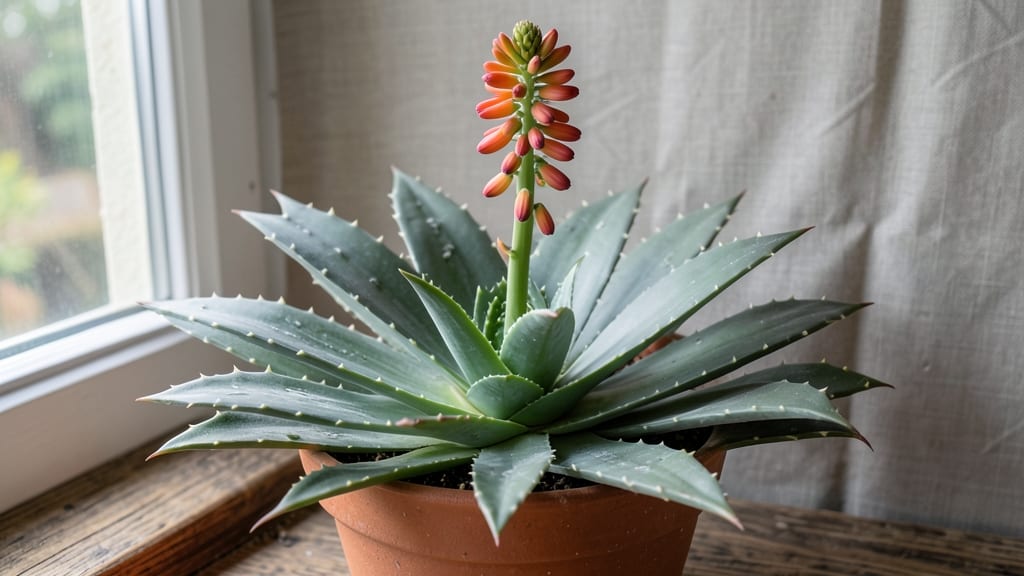
Your aloe plant’s first flower spike is nature’s way of saying "thank you" for perfecting its indoor home. 🌱 I’ve coaxed blooms from stubborn aloe plants by mastering just two things: bright, indirect sunlight and a dry-warm winter—both easier than they sound once you know the tricks.
Most people overwater or move plants around, which stresses them into dormancy instead of flowering. Aloe needs 6+ hours of sunlight daily (south-facing windows work best) and zero water from November through February—yes, even if the leaves look wrinkled.
The key is patience: mature plants (3+ years old) bloom every 10-12 years under ideal conditions, but indoor aloe often skips this cycle entirely unless you replicate their desert origins. When you finally see that tall, arching flower stalk emerge, it’s a once-in-a-decade moment—usually in late winter or early spring.
The blooms last just 7-10 days, but the plant’s energy boost means thicker leaves and faster growth afterward. The real magic happens when you stop watering immediately after flowering to reset dormancy for next year’s potential bloom.
This method works for all aloe varieties (like aloe vera or variegata) and even helps struggling plants recover. Let’s get your aloe ready for its close-up moment—it’s worth the wait.
📚 In This Guide
- What you need
- Instructions
- Tips and common mistakes
- Wrapping up and next steps
What you need
- ● Mature aloe vera plant (3+ years old) – Look for one with thick, healthy leaves and a sturdy base. (Pro tip: 💡 Older plants are more likely to bloom!)
- ● Bright, indirect sunlight – A south- or west-facing window (or a grow light for consistency). Aim for 6–8 hours of sunlight daily.
- ● Well-draining soil mix – Combine: 50% cactus/succulent soil
- ● 30% perlite or pumice (for aeration)
- ● 20% coarse sand or grit (to prevent root rot)
- ● Pot with drainage holes – Terracotta or ceramic (1–2 inches larger in diameter than the plant’s base).
- ● Watering can with a narrow spout – For precision hydration.
- ● Pruning shears or sharp scissors – For trimming dead leaves or spent flower stalks.
- ● pH testing kit – Ideal soil pH: 6.0–7.0 (slightly acidic to neutral).
- ● Fertilizer (balanced or bloom-specific) – Diluted half-strength every 4–6 weeks in spring/summer.
- ● Grow light (LED or fluorescent) – If natural light is limited (12–14 hours/day).
- ○ Humidity tray or pebbles – Helps mimic desert-like conditions (optional but helpful in dry climates).
- ● Notebook or app (e.g., PlantNet) – Track watering, light exposure, and growth progress!
How to coax vibrant aloe blooms indoors with light mastery
Here’s how to transform your aloe’s dormant state into a stunning floral display—no greenhouse needed.
☀️ Step 1: Position for Maximum Sunlight Exposure
Place your aloe within 3-6 inches of a south-facing window where it receives 6-8 hours of direct sunlight daily. Aloe thrives on intense light, so if your space lacks natural brightness, supplement with a full-spectrum LED grow light positioned 6-12 inches above the plant for 12-14 hours per day. You’ll notice the leaves turning a deeper green and developing a slight reddish tint—this signals optimal light conditions.
Rotate the pot quarter-turn weekly to prevent leaning. Over time, you’ll see the plant grow upright and compact, a clear sign it’s receiving balanced light. If leaves start stretching or turning pale, the light source is too far away—adjust immediately to avoid stress.
💧 Step 2: Adjust Watering for Bloom Preparation
Reduce watering to every 3-4 weeks during the bloom preparation phase, allowing the soil to dry completely between waterings. Overwatering triggers root rot and halts flowering. Stick your finger 1-2 inches deep into the soil—if it feels dry, it’s time to water. When you do water, soak the soil until water drains freely from the bottom, then empty the saucer to prevent soggy roots.
This drought-like cycle mimics aloe’s natural desert conditions and signals the plant to focus energy on blooming rather than leaf growth. You’ll see the leaves plump up and develop a waxy sheen—this indicates the plant is storing water efficiently and preparing for flowering.
⏰ Step 3: Time the Bloom Trigger Correctly
Aloe typically blooms in late winter or early spring, but indoor plants often miss this natural cue. To encourage flowering, simulate cooler nighttime temperatures by moving the plant to a 50-55°F environment for 4-6 weeks before the desired bloom time. A basement, unheated garage, or even a cool indoor corner works. During the day, return it to its warm, sunny spot (70-75°F).
Watch for the first signs of a flower spike emerging from the center of the rosette. This spike will grow rapidly, often reaching 2-3 feet tall within weeks. If no spike appears after 6 weeks of temperature treatment, repeat the process—aloe sometimes needs multiple cycles to respond.
🌿 Step 4: Support the Bloom with Minimal Fertilizer
Apply a balanced, water-soluble fertilizer (10-10-10) at half-strength once a month during the bloom preparation phase. Too much fertilizer encourages leafy growth at the expense of flowers. After the flower spike emerges, switch to a low-phosphorus fertilizer (5-10-10) to promote blooming rather than foliage. You’ll see the leaves remain vibrant but not overly lush, which is ideal for supporting the energy demands of flowering.
Stop fertilizing entirely once the flower spike appears. The plant will draw nutrients from its stored reserves, and additional fertilizer can lead to weak, leggy blooms. Keep the soil lightly moist but not soggy—this ensures the plant directs its energy toward the flower rather than root growth.
✂️ Step 5: Prune and Maintain Post-Bloom
Once the flower spike has finished blooming and turns brown, cut it back to 1 inch above the base with clean, sharp pruners. This redirects the plant’s energy toward future growth and potential reblooming. Avoid pruning healthy leaves—only remove any that are yellowed, damaged, or overcrowding the center.
After pruning, return to a regular watering schedule (every 2-3 weeks) and monitor for new growth at the base of the plant. Aloe often produces offsets (pups) after flowering—gently separate these with a clean knife and repot them to encourage propagation. This ensures your original plant remains healthy and may rebloom in future seasons.
Tips & tricks for vibrant aloe blooms
These insider strategies will help you coax your aloe into a stunning floral display without the guesswork.
Light Positioning: The 6-8 hours of direct sunlight in Step 1 is non-negotiable for flowering—aloe needs this intensity to trigger blooming hormones. If your south-facing window isn't bright enough, supplement with a full-spectrum LED grow light positioned exactly 6-12 inches above the plant for 12-14 hours daily. I've seen aloe leaves develop that signature reddish tint within just 2 weeks of proper light exposure, which is your first visual confirmation you're on the right track.
Temperature Transition: When implementing the 4-6 week cool night treatment in Step 3, be patient but persistent. Some aloes respond immediately, while others need 2-3 cycles before showing a flower spike. I've had success moving plants to a basement at night (50-55°F) and bringing them back to a warm sunny spot (70-75°F) during the day—this day/night temperature swing mimics their natural desert environment perfectly.
Watering Wisdom: The "dry completely between waterings" rule in Step 2 is crucial—overwatering is the #1 reason aloe fails to bloom. I've learned this the hard way after watching three aloes develop root rot from well-meaning overwatering. Stick your finger 1-2 inches deep into the soil before watering; if it feels dry, it's time. This drought simulation actually strengthens the plant's ability to store water, which is essential for supporting heavy flower spikes.
Pruning Precision: When you cut back that brown flower spike to 1 inch above the base in Step 5, you're not just cleaning up—you're sending a signal to the plant to redirect its energy. I always use clean, sharp pruners and make the cut at a 45-degree angle to prevent water from pooling on the cut surface. This simple technique reduces the risk of infection and helps the plant heal faster for potential future blooming cycles.
Pro Tips for Aloe Flower Bloom
- These insider strategies will help you coax your aloe into a stunning floral display without the guesswork.
- Light Positioning: The 6-8 hours of direct sunlight in Step 1 is non-negotiable for flowering—aloe needs this intensi...
- Temperature Transition: When implementing the 4-6 week cool night treatment in Step 3, be patient but persistent. Som...
Frequently asked questions
How often does aloe vera bloom indoors, and why isn’t mine flowering?
Aloe vera typically blooms every 2–5 years indoors, but stress (like drought or repotting) can trigger earlier blooms. If your plant isn’t flowering, check its age (3–5 years old is ideal), light exposure (6+ hours of bright, indirect sunlight daily), and soil conditions (well-draining, slightly alkaline mix). Patience is key—some varieties (like Aloe arborescens) bloom more reliably than others!
Can I force an aloe plant to bloom faster?
While you can’t guarantee a faster bloom, you can optimize conditions to encourage it: Mimic its natural desert cycle by reducing water in winter (let soil dry completely between waterings) and placing it in the brightest spot (south- or west-facing window). A cool nighttime temp (50–60°F) can also trigger blooming. Avoid over-fertilizing—too much nitrogen delays flowers!
What do I do with an aloe flower stalk after it blooms?
Once the flower spike wilts, snip it at the base with clean scissors to redirect the plant’s energy. Don’t worry—this won’t harm your aloe! The stalk may produce seed pods; save them to propagate new plants. If the stalk is healthy but unsightly, you can also braid or weave it into decor (it dries beautifully!).
Are there aloe varieties that bloom more easily indoors?
Yes! If your Aloe barbadensis miller (common aloe) is stubborn, try these indoor-friendly bloomers:
- Aloe arborescens (“Torch Aloe”): Tall, dramatic spikes; blooms annually with care.
- Aloe striata (“Ghost Aloe”): Compact and faster to flower (2–3 years).
- Aloe dichotoma (“Quiver Tree Aloe”): Unique candelabra-like blooms (needs cool winters).
Why are my aloe flowers falling off before opening?
This usually signals environmental stress. Check for:
- Overwatering: Soggy soil rots roots, cutting off nutrients. Fix: Let soil dry 3–4 inches deep before watering.
- Drafts or temperature swings: Aloes hate below 50°F or sudden heat changes. Fix: Keep away from AC vents/doors.
- Low humidity: Indoor air can dry out blooms. Fix: Mist lightly around the plant (not the flowers) or use a pebble tray.
Wrapping up and next steps
Watching your aloe vera bloom is a rewarding experience—one that’s entirely within your control with the right care! 🌞 By mastering the balance of sunlight exposure, temperature consistency, and patience, you can coax those stunning yellow or orange blooms to return year after year.
Remember, aloe plants thrive on routine, so a little daily attention goes a long way.
Ready to turn your aloe into a blooming superstar? Start by auditing your plant’s current conditions—adjust its sunlight spot, monitor its hydration, and keep an eye out for those subtle signs of stress or readiness. With time, your efforts will pay off in the most beautiful way!