
Blooming
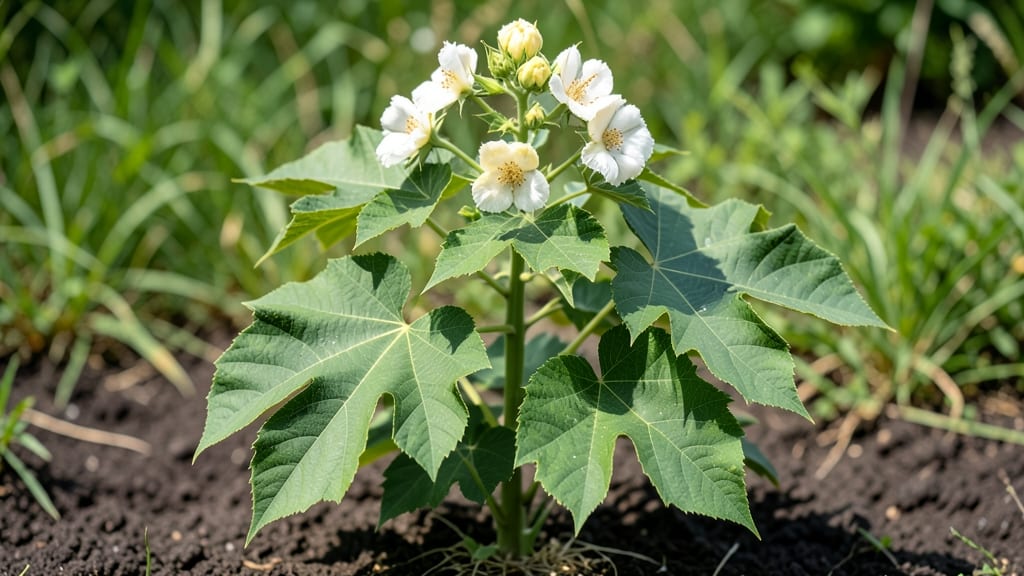
Nothing says summer romance in the garden like cotton in bloom, with its cloud-like puffs of white and soft pink. 🌸 I remember the first time I saw them swaying in my grandmother’s garden—it felt like a secret only the prettiest plants knew.
These aren’t just pretty faces; they’re self-sowing stunners that multiply every year, turning bare spots into dreamy, low-maintenance displays.
The real magic happens when you pair them with other sun-loving plants like cosmos, zinnias, or even dwarf sunflowers. Together, they create a whimsical, cottage-core vibe that lasts from midsummer through fall.
And here’s the best part: they’re drought-tolerant once established, so they thrive even when you forget to water. The fragrance? Lightly sweet, like a summer breeze carrying petals.
Imagine a border where cotton’s fluffy blooms contrast against deep purple salvia or the bold greens of ornamental grasses. The texture alone makes them a design powerhouse—soft, airy, and impossible to ignore.
They even attract pollinators, so your garden gets double the beauty. By late summer, you’ll have a sea of blooms that feel like a hug from nature.
Perfect for cutting gardens, wildflower meadows, or even as a dramatic backdrop for roses. Once they establish, they’ll come back year after year, proving that the most stunning gardens often grow from the simplest seeds. Let’s make yours unforgettable.
📚 In This Guide
- What you need
- Instructions
- Tips and common mistakes
- Wrapping up and next steps
What you need
- ● Cotton plant seeds: 5–10 seeds (choose heirloom varieties like Gossypium hirsutum or Gossypium barbadense for best blooms).
- ● Well-draining potting mix: 2–3 gallons (sterilized, peat-free blend for pots or garden soil amended with compost for in-ground planting).
- ● Containers or garden bed: Pots: 5–7" diameter (minimum 1 seedling per pot).
- ● Garden bed: Full sun (6+ hours daily) with loose, fertile soil.
- ● Watering can or hose with gentle spray nozzle.
- ● Organic fertilizer: Balanced 10-10-10 or compost tea (1 tbsp per plant every 4–6 weeks).
- ○ Pruning shears or scissors: For deadheading spent blooms (optional but encourages more flowers!).
- ● Mulch: Straw or shredded leaves to retain moisture and suppress weeds.
- ● Plant supports: Small stakes or cages (cotton plants can grow 3–5 feet tall!).
- ● Pollinator-friendly companions: Marigolds or nasturtiums to attract bees and butterflies.
- ● Slow-release fertilizer pellets: For low-maintenance nutrient boosts.
Step-by-Step guide to growing fragrant cotton plants
Transform your garden into a fragrant paradise with these easy steps.
🌱 Step 1: Choose and Prepare Your Planting Site
Cotton plants thrive in full sun—select a spot that receives at least 6-8 hours of direct sunlight daily. They prefer well-draining soil with a pH between 6.0 and 7.5. If your soil is heavy clay, mix in 2-3 inches of compost to improve drainage and fertility. I like to test the soil first—you can grab a simple pH kit from your local garden center.
Break up any compacted soil with a garden fork to create loose, airy conditions for roots. The reason cotton plants grow so well in loose soil is that their roots need room to spread and access oxygen. If you're planting in containers, make sure they're at least 12 inches deep and have drainage holes.
☀️ Step 2: Plant Seeds at the Right Time and Depth
Start seeds indoors 8-10 weeks before your last frost date, or sow directly outdoors after all danger of frost has passed. Cotton seeds need warmth to germinate, so I always use a seedling heat mat set to 75-80°F. Plant seeds ½ inch deep and space them 12-18 inches apart—cotton plants grow large and need plenty of room.
Keep the soil consistently moist but not soggy until germination, which typically takes 7-14 days. You'll know it's time to water again when the top inch of soil feels dry to the touch. Once seedlings emerge, thin them to the strongest plant per location. I know it's tough to pull those little sprouts, but crowded cotton plants compete for nutrients and produce fewer blooms.
💧 Step 3: Water and Fertilize for Healthy Growth
Water cotton plants deeply 1-2 times per week, depending on rainfall and temperature. The key is to keep the soil evenly moist but never waterlogged. I like to water at the base of the plant in the early morning to reduce evaporation and fungal risks. You'll see strong, upright growth when the plants are properly hydrated.
Fertilize with a balanced 10-10-10 or 20-20-20 fertilizer every 4-6 weeks during the growing season. Stop fertilizing once buds form to encourage flowering. Cotton plants are heavy feeders, so don't skip this step—it's what gives them their lush, fragrant blooms. Watch for signs of nutrient deficiency, like yellowing leaves, which means it's time to feed again.
✂️ Step 4: Prune and Support for Maximum Blooms
Prune cotton plants lightly to encourage bushier growth and more blooms. Remove any dead or yellowing leaves as soon as you spot them—this keeps the plant healthy and directs energy to new growth. I also pinch back the tips of young plants to encourage branching. You'll notice more side shoots forming within a few weeks, leading to a fuller, more fragrant plant.
As cotton plants grow taller, they may need support. Install stakes or a small trellis near each plant and gently tie the stems to provide stability. This prevents the plants from flopping over, which can damage the stems and reduce bloom production. The goal is to keep the plants upright and encourage air circulation, which helps prevent fungal diseases.
🌿 Step 5: Enjoy and Extend the Blooms
Cotton plants are self-sowing, so they'll often reseed themselves for next year's garden. To encourage more blooms, deadhead spent flowers by pinching them off just above a set of leaves. This redirects the plant's energy toward producing new buds instead of seed pods. You'll see a steady stream of fresh blooms throughout the growing season if you keep up with deadheading.
Harvest blooms in the morning when they're at their freshest. Use them to make sachets, potpourri, or simply enjoy their sweet fragrance in vases. With proper care, your cotton plants will reward you with vibrant color and intoxicating scent all season long. Don't forget to save some seeds for next year—just let a few flowers mature and dry on the plant before collecting them.
Tips & tricks for growing fragrant cotton plants
Real talk: Growing fragrant cotton plants is easier than you think—once you know these insider tricks.
Sunlight Secret: The 6-8 hours of daily sunlight in Step 1 is non-negotiable, but here's what nobody tells you: Morning sun (before 10am) gives your plants the most energy boost. If you're in a hot climate, provide afternoon shade during peak summer months to prevent stress—your plants will thank you with more blooms. I've seen cotton plants wilt dramatically when suddenly exposed to intense afternoon sun after being in shade all morning.
Germination Game-Changer: Those 7-14 days for germination can feel like forever, but you can cut the wait time by half. After planting seeds at ½ inch depth (Step 2), cover the tray with clear plastic wrap to create a mini greenhouse effect. This maintains consistent moisture and warmth at 75-80°F, which speeds up germination. Just remember to remove the plastic once sprouts appear to prevent mold.
Watering Wisdom: The 1-2 times per week watering in Step 3 is a guideline, not a rule. In hot summer months, you might need to water daily—check the soil moisture by sticking your finger 1-2 inches deep. The key is to water deeply at the base (never overhead) to encourage strong root growth. I've learned the hard way that overhead watering can lead to fungal issues, especially in humid climates.
Fertilizer Timing: When it comes to the 4-6 week fertilization schedule in Step 3, here's what works best: Use half-strength fertilizer the first time you feed (about 2 weeks after transplanting). This gentle introduction prevents root burn. Also, switch to a bloom-boosting fertilizer (like 5-10-10) once you see buds forming—this gives you more fragrant flowers instead of just leafy growth.
Pro Tips for Cotton In Bloom
- Real talk: Growing fragrant cotton plants is easier than you think—once you know these insider tricks.
- Sunlight Secret: The 6-8 hours of daily sunlight in Step 1 is non-negotiable, but here's what nobody tells you: Morning sun (before 10am) gives your plants the most energy boost.
- Germination Game-Changer: Those 7-14 days for germination can feel like forever, but you can cut the wait time by half.
Frequently asked questions
Got questions about growing cotton in bloom? You’re not alone—these fragrant, self-sowing beauties are full of surprises! Here are answers to the most common queries to help you cultivate success.
How long does it take for cotton plants to bloom?
Cotton plants typically take 60–90 days to bloom from seed, depending on the variety and growing conditions. Upland cottons (like Gossypium hirsutum) often flower faster (around 70 days), while heirloom or decorative types may take longer. Warmth and sunlight speed things up—plant in full sun after the last frost for the best results!
Why isn’t my cotton plant flowering?
If your plant is tall but not blooming, it might be lacking sunlight, nutrients, or warmth. Cotton thrives in hot, sunny climates (zones 7–11). Check for:
- At least 6–8 hours of direct sun daily.
- Well-draining soil with balanced fertilizer (high in phosphorus for blooms).
- Consistent watering—drought stress can delay flowers.
Can I grow cotton indoors or in containers?
While cotton prefers outdoor warmth, dwarf varieties (like ‘Upland White’) can thrive in large containers (10+ gallons) with full sun. Place near a south-facing window or under grow lights. Use a light, fast-draining potting mix and fertilize regularly. Just know: Indoor cotton may not produce as many blooms or seeds as outdoor plants!
Do I need to hand-pollinate cotton flowers?
Nope! Cotton flowers are self-pollinating—bees and wind handle the job naturally. However, if you’re growing in a greenhouse or urban area with few pollinators, gently shake the plant near blooming time to encourage cross-pollination. Pro tip: Plant near bee-friendly flowers (like marigolds or zinnias) to attract pollinators!
What do I do with cotton blooms after they fade?
Once flowers wilt, they’ll form cotton bolls (the fluffy seed pods) in 3–5 weeks. To encourage more blooms:
- Snip spent flowers above a leaf node to redirect energy.
- Leave some bolls if you want seeds for next year’s plants!
- Collect dried bolls for crafts, stuffing, or seed-saving.
Wrapping up and next steps
Cotton in Bloom isn’t just a seasonal treat—it’s a fragrant, low-maintenance superstar that brings joy year-round with its self-sowing magic and vibrant blooms. Whether you’re a gardening newbie or a seasoned pro, these easy-care beauties prove that stunning color doesn’t require a PhD in horticulture. 🌸
Ready to transform your space? Start small—plant a few seeds or snag a starter plant—and watch your garden (or balcony!) burst into life. Next, explore companion plants or dive into creative container gardening to maximize your blooming potential. Happy planting! 🌱✨