
Blooming
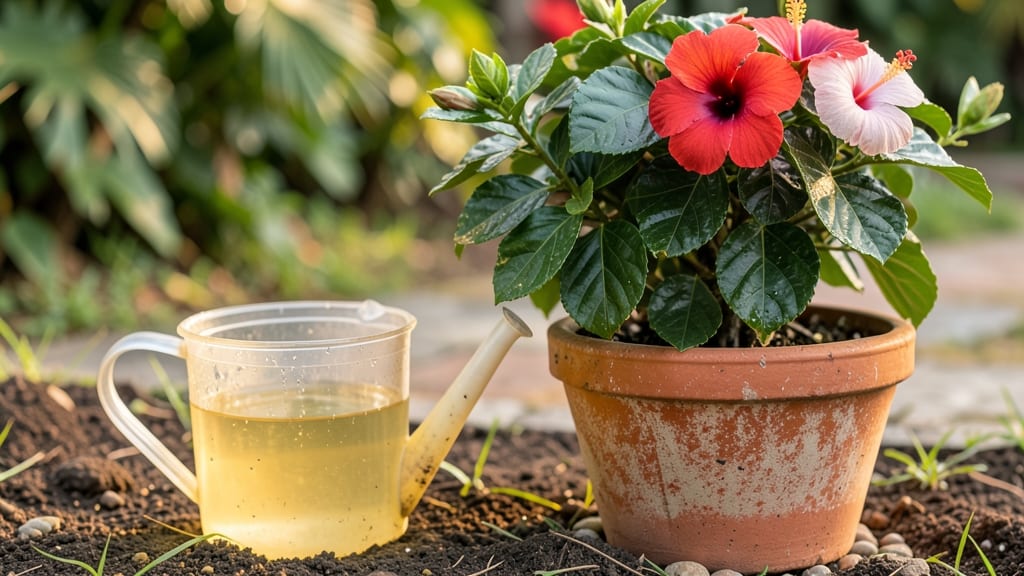
Getting hibiscus to bloom means unlocking their hidden potential—those lush green bushes packed with dormant buds just waiting for the right conditions. 🌺 I’ve wrestled with stubborn hibiscus that refused to flower, only to discover it wasn’t the plant’s fault but the care routine.
The secret lies in sunlight, water, and timing, not some mysterious magic. Most gardeners overwater or underfeed, thinking more is better. But hibiscus need bright, direct sun (6+ hours daily) and consistent moisture—not soggy soil.
A balanced fertilizer with phosphorus (the middle number) triggers blooming, while pruning at the right time removes spent flowers and encourages new growth. My plants now burst with color from spring to frost, and I’ve even coaxed a few blooms in winter with a grow light.
You’ll see the first buds appear in 4-6 weeks after proper care, and each flower lasts a full day—longer than store-bought bouquets. The key is patience and precision: too much shade or too little food, and those buds stay hidden.
But get it right, and you’ll have a hibiscus that blooms like it’s auditioning for a garden center. Works for tropical hibiscus in pots or hardy varieties in the ground. Let’s fix that bare bush once and for all—here’s how.
📚 In This Guide
- What you need
- Instructions
- Tips and common mistakes
- Wrapping up and next steps
What you need
- ● Hibiscus plant: 1 mature hibiscus plant (preferably Hibiscus rosa-sinensis for best blooming results)
- ● Check for healthy roots (no rot or damage) and dormant buds (tight, green swellings at leaf nodes).
- ● Potting mix: 1 bag (5-10 gallons) of well-draining, slightly acidic soil (pH 6.0–6.5)
- ○ Optional: Mix in perlite or sand (20% of total volume) for aeration.
- ● Fertilizer: 1 bottle of balanced liquid fertilizer (10-10-10 or 20-20-20 NPK ratio)
- ● 1 packet of high-phosphorus fertilizer (e.g., 5-10-10 or bloom booster) for flowering stages.
- ● Watering tools: Watering can with rose nozzle (for gentle, deep watering)
- ○ Moisture meter (optional but helpful for tracking soil hydration).
- ● Pruning tools: 1 pair of sterilized pruning shears (sharp, clean blades to avoid disease).
- ● 1 small hand saw (for thicker stems, if needed).
- ● Containers: 1 pot (12–18 inches in diameter) with drainage holes (terracotta or plastic).
- ○ Optional: Grow bags (for better root aeration).
- ● Lighting: Full-sun location (6+ hours of direct sunlight daily)
- ○ Grow lights (optional for indoor plants: 15W–20W LED bulb, 12–14 hours/day).
- ● Temperature: Ideal range of 65–85°F (18–29°C) (hibiscus hates cold drafts!).
- ● Humidity: Maintain 50–70% humidity (use a humidifier or pebble tray if air is dry).
- ● Dormancy break: If your hibiscus is dormant, plan to resume care in early spring (or simulate warm conditions indoors).
Step-by-Step instructions for encouraging hibiscus blooms
Here's the method I've used to coax vibrant blooms from even the most stubborn hibiscus plants.
☀️ Step 1: Provide Full Sun Exposure Daily
Hibiscus plants need 6-8 hours of direct sunlight daily to trigger blooming. Place your plant in the sunniest location possible—south-facing windows or outdoor spots receive the most intense light. If indoors, rotate the pot quarter-turn weekly so the plant grows evenly toward the light source.
You'll know the light is right when new leaves appear bright green and glossy, not pale or stretched. If your plant starts growing leggy (long stems with sparse leaves), it's reaching for more light—move it closer to the window or supplement with a grow light.
💧 Step 2: Water Deeply and Consistently
Water your hibiscus when the top 2-3 inches of soil feel dry to the touch. Stick your finger into the soil—if it's dry at that depth, it's time to water. Overwatering is the #1 cause of failed blooms, so always let the top layer dry out between waterings. When you do water, soak the soil thoroughly until water runs out the drainage holes.
Hibiscus roots need oxygen, so avoid soggy soil. If the pot feels light and the soil pulls away from the edges, it's thirsty. If it's heavy and stays wet for days, cut back on watering. Mulching with 1-2 inches of organic mulch helps retain moisture while preventing root rot.
✂️ Step 3: Prune Strategically for More Blooms
Prune your hibiscus in early spring to encourage new growth and more flowers. Cut back one-third of the plant's height just above a leaf node (where leaves grow). This stimulates bushier growth and more blooming sites. Remove any dead, diseased, or crossing branches first—they sap energy from the plant.
After the first flush of blooms, trim again in mid-summer to shape the plant and promote another round of flowers. Always use clean, sharp pruners to avoid damaging stems. You'll see fresh, vibrant growth within 4-6 weeks of pruning, signaling the plant is responding well.
🌿 Step 4: Feed with the Right Fertilizer
Use a balanced, water-soluble fertilizer (like 20-20-20) diluted to half-strength every 4-6 weeks during the growing season. Hibiscus plants are heavy feeders, but too much fertilizer can burn roots. Always water the plant thoroughly before and after fertilizing to prevent salt buildup in the soil.
In late summer, switch to a low-nitrogen, high-phosphorus fertilizer (like 5-10-10) to encourage blooming. You'll notice stronger stems, larger leaves, and—most importantly—more buds forming. Avoid fertilizing in winter when the plant is dormant.
⏰ Step 5: Adjust Light and Temperature for Year-Round Blooms
Hibiscus plants bloom best in warmth (70-85°F). If your plant stops blooming in cooler months, move it to a warmer location or use a grow light to supplement natural light. In winter, reduce watering and fertilizing, but keep the plant in bright light to maintain health.
If you're growing hibiscus outdoors in cooler climates, bring potted plants indoors before temperatures drop below 50°F. Watch for buds forming—this is your signal that the plant is ready to bloom again. With consistent care, you can enjoy hibiscus flowers nearly year-round.
Tips & tricks for encouraging vibrant hibiscus blooms
Between us, these small adjustments make all the difference when your hibiscus seems stubborn about blooming.
Light Positioning: In Step 1, don't just place your plant near a window—rotate it quarter-turn weekly to prevent lopsided growth. I've seen plants grow toward light sources so aggressively they lean dangerously. Also, watch for new leaves: they should be bright green and glossy, not pale or stretched. If you notice leggy growth (long stems with sparse leaves), it's begging for more direct sunlight—move it closer to the window or add a grow light for 12-14 hours daily.
Watering Technique: When checking soil moisture in Step 2, stick your finger 2-3 inches deep—this is where the roots actually need hydration. I've learned the hard way that surface-dry soil can hide soggy roots below. For potted plants, always use pots with drainage holes and let excess water run out completely. Mulching with 1-2 inches of organic material (like bark chips) helps maintain even moisture without suffocating the roots.
Pruning Precision: In Step 3, when you cut back one-third of the plant's height, always make clean cuts just above a leaf node. This is where new growth will emerge. I've seen people cut too close to the stem, which leaves a wound that can rot. After pruning, watch for fresh growth within 4-6 weeks—this signals the plant is responding well. If you see no new leaves after this time, you may have pruned too aggressively.
Fertilizer Timing: The switch to low-nitrogen, high-phosphorus fertilizer in late summer (Step 4) is critical for bud formation. I've found that many gardeners over-fertilize in summer, which actually suppresses blooming. Always dilute your fertilizer to half-strength and water thoroughly before and after applying. In winter, completely skip fertilizing—hibiscus plants are dormant and don't need nutrients during this time.
Pro Tips for Get Hibiscus To Bloom
- Between us, these small adjustments make all the difference when your hibiscus seems stubborn about blooming.
- Light Positioning: In Step 1, don't just place your plant near a window—rotate it quarter-turn weekly to prevent lopsided growth.
- Watering Technique: When checking soil moisture in Step 2, stick your finger 2-3 inches deep—this is where the roots actually need hydration.
Frequently asked questions
Why isn’t my hibiscus blooming even after following care tips?
Hibiscus may skip blooming due to over-fertilizing (especially with high-nitrogen feeds), lack of sunlight (they need 6+ hours daily), or stress from sudden temperature shifts. Check for pests like spider mites too—they drain energy. Prune leggy stems to redirect growth toward flowers!
How long does it take for hibiscus to bloom after planting?
Patience is key! Tropical hibiscus (like Hibiscus rosa-sinensis) can take 6–12 months to bloom from seeds, while established plants reward you with flowers in 2–4 weeks after proper pruning and care. Hardy varieties (e.g., Hibiscus syriacus) may bloom in their first year if planted in spring.
Can hibiscus bloom indoors year-round?
Yes, but it requires ideal conditions: bright, south-facing light (or grow lights), 60–70°F temps, and high humidity (mist leaves or use a pebble tray). Avoid drafts near windows/AC. A balanced fertilizer (like 10-10-10) every 4–6 weeks keeps them blooming—just don’t overdo it!
What’s the best time to prune hibiscus for more flowers?
Prune right after blooming (spring/early summer) to encourage new growth. Cut back 1/3 of the plant, focusing on dead or crossing branches. For tropical hibiscus, a light trim after each flush of flowers keeps them bushy. Never prune in fall/winter—they’re dormant!
Are there hibiscus varieties that bloom easier than others?
Tropical hibiscus (e.g., ‘Dwarf Red’) bloom prolifically with care, while hardy hibiscus (like ‘Blue Chiffon’) are low-maintenance and drought-tolerant. For beginners, try Hibiscus moscheutos—it’s forgiving and thrives in USDA zones 5–9 with minimal fuss.
Wrapping up and next steps
Getting your hibiscus to bloom is all about patience, consistency, and a little extra care—especially when reviving dormant roots! By mastering light, nutrients, and pruning, you’ll unlock those stunning flowers year-round. 🌸 Remember, every plant has its rhythm, so don’t rush the process.
Now that you’re armed with these secrets, why not share your progress? Snap a photo of your blooming hibiscus and tag us—we’d love to see your success! And if you’re feeling inspired, explore our guide on winter hibiscus care to keep the magic going all season.