
Blooming
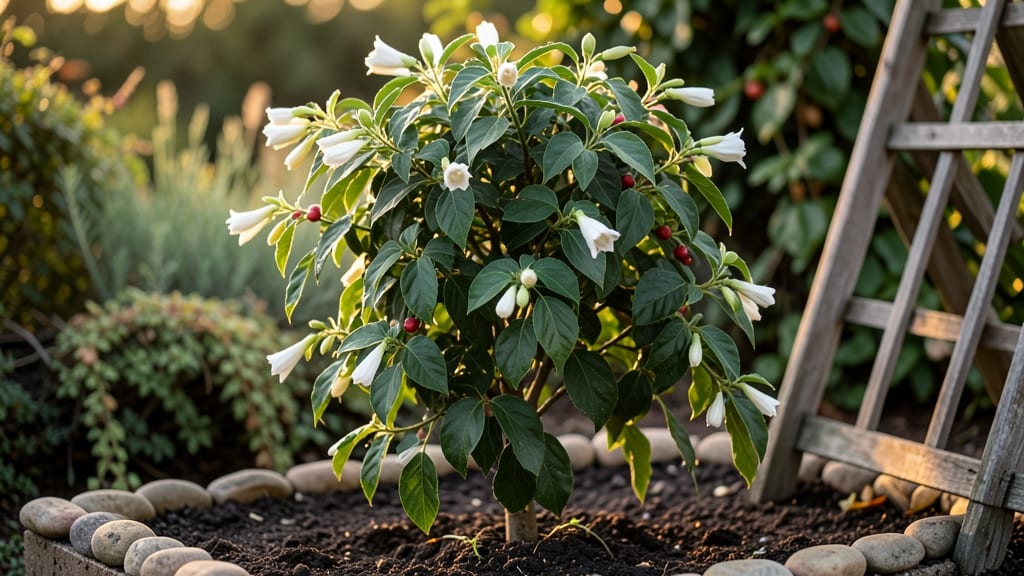
The cestrum night-blooming jasmine transforms your garden into a moonlit sanctuary, its intoxicating blossoms luring hummingbirds—despite its misleading name. 🌙 The secret to its dramatic displays lies in understanding its tropical roots and specific care needs that most gardeners overlook.
You’ll need full sun to partial shade, well-draining soil, and patience—it takes about 2-3 years for established plants to reward you with those signature nighttime fragrances. The key is mimicking its natural habitat: consistent moisture without soggy roots, and winter protection in colder zones.
Unlike daytime bloomers, this plant’s flowers open only after sunset, releasing their sweetest scent when most gardens have gone quiet.
By summer’s end, you’ll have a shrub that thrives with minimal fuss, blooming reliably each season if pruned correctly. The glossy leaves stay lush all year, and with proper care, it can grow 6-10 feet tall, creating a dramatic focal point.
The trade-off? It’s toxic to pets, so keep it away from curious cats and dogs.
Perfect for containers in cooler climates or as a hedge in warmer zones, this plant delivers drama without the high-maintenance reputation. Let’s get those roots established so you can enjoy the magic of midnight blooms.
📚 In This Guide
- What you need
- Instructions
- Tips and common mistakes
- Wrapping up and next steps
What you need
- ● Cestrum night blooming jasmine plant: 1 healthy nursery-grown plant (look for mature specimens with buds for faster blooms).
- ● Well-draining potting mix: 3-5 gallons (for containers) or amend garden soil with compost (50%) + perlite/sand (30%) to prevent root rot.
- ● Pot (if container-growing): 15–20 gallon size with drainage holes (terracotta or fabric pots work best).
- ● Fertilizer: Balanced 10-10-10 fertilizer (1 tbsp per 1 gallon of water) for initial growth.
- ● Slow-release bloom booster (e.g., 7-9-5) (1 lb per 5 sq ft) for flowering.
- ● Mulch: 2–3 inches of organic mulch (e.g., shredded bark or pine straw) to retain moisture.
- ● Garden tools: Trowel or hand shovel (for transplanting).
- ● Pruning shears (sterilized with rubbing alcohol).
- ● Gloves (to protect from mild sap irritation).
- ● Watering can or hose: With a gentle spray nozzle (avoid soaking the leaves).
- ● Sunlight access: Full sun (6+ hours/day) or partial shade (4–6 hours) in hot climates.
- ● Drought tolerance: Once established, this plant thrives with weekly watering (daily in pots during summer).
- ● Trellis or stake (for climbing varieties, if not pruned as a shrub).
- ● Humidity tray (for indoor pots to mimic tropical conditions).
- ● Neem oil or insecticidal soap (to prevent pests like aphids or whiteflies).
- ● Grow lights (if growing indoors with limited sunlight).
Step-by-step instructions for cultivating Cestrum night blooming jasmine
This fragrant beauty thrives with the right balance of light, warmth, and patience—here's how to coax those intoxicating midnight blooms every season.
🌱 Step 1: Select the Perfect Planting Location
Night blooming jasmine demands full sun exposure—at least 6-8 hours daily—to fuel its dramatic evening floral display. Choose a spot sheltered from strong afternoon winds, as delicate blossoms can tear easily. I always test the site for 2-3 weeks before planting by placing a saucer of water in the sun—if it evaporates completely by mid-afternoon, the location has sufficient heat retention for your plant.
Southern exposures work best in most climates, but if you're in a cooler zone, a west-facing wall captures afternoon warmth while shielding from harsh midday rays. The key is observing how the sun moves across your yard—watch for areas where afternoon shade appears by 4 PM, as this plant needs warmth long after most flowers have closed for the day.
🪴 Step 2: Prepare Well-Draining Soil and Plant Correctly
Night blooming jasmine hates soggy roots, so amend native soil with equal parts compost and coarse sand until you achieve a texture that crumbles easily between your fingers. Dig a hole twice as wide as the root ball but only as deep—planting too deeply suffocates the roots and causes stress that manifests as leaf yellowing.
Gently loosen the roots if they're circling the pot, then position the plant so the top of the root ball sits 1 inch below soil level. Backfill with native soil mix while maintaining that loose texture, then water deeply until moisture reaches 6 inches down. The soil should feel like a damp sponge—not dripping, but holding moisture when squeezed firmly.
☀️ Step 3: Establish a Watering Routine Without Overdoing It
First year plants need weekly deep waterings—about 1 gallon per plant—until established. You'll know it's time when the top 2 inches of soil feel completely dry to the touch. I always water in the morning so foliage dries before evening, preventing fungal issues that thrive in nighttime humidity.
After the first year, mature plants develop deep roots and become remarkably drought-tolerant. You'll see this when new growth appears even after 2 weeks without rain. The trade-off? Overwatering causes leaf drop and stunted blooms—so always check soil moisture before watering established plants.
✂️ Step 4: Prune Strategically for Maximum Blooms
Prune immediately after flowering to encourage next year's blooms. Cut back one-third of the oldest stems to the ground while leaving newer growth intact. This might seem drastic, but night blooming jasmine responds beautifully to rejuvenation pruning—you'll see fresh, vigorous growth within 4-6 weeks that will produce even more blossoms.
Never prune in late summer or fall, as new growth won't harden off before winter. And here's the thing about night blooming jasmine—it blooms on new wood, so heavy pruning in spring won't reduce flowers. In fact, you'll get more blooms if you prune right after flowering rather than waiting until spring.
🌿 Step 5: Protect and Prepare for Winter Dormancy
Night blooming jasmine is semi-tender and needs winter protection in zones colder than USDA Zone 9. Once temperatures drop below 40°F consistently, mound 12 inches of mulch around the base and cover the plant with burlap or frost cloth. I leave the top third uncovered to allow some air circulation—this prevents rot while still protecting the roots.
In spring, remove winter protection when night temperatures stay above 50°F for 5 consecutive days. You'll know it's safe when you see fresh growth emerging from the base. This plant's resilience shows in how it bounces back from winter—proper protection means you'll get those signature nighttime fragrances for years to come.
Tips & tricks for perfect Cestrum night blooming jasmine cultivation
These insider secrets will help you transform your garden into a fragrant nighttime sanctuary with this delicate beauty.
Location Intelligence: Pay attention to how sunlight shifts throughout the day. The 6-8 hours of direct sun requirement is non-negotiable for those signature evening blooms, but the real secret is capturing that late afternoon warmth. I've found that plants in southern exposures bloom 2-3 weeks earlier than those in western spots—this is because the gradual cooling in the evening triggers the blooming mechanism. If you're in a cooler climate, consider planting near a heat-retaining wall or using black landscape fabric to absorb and radiate warmth back to the plant.
Soil Science: The equal parts compost and coarse sand mix isn't just about drainage—it's about creating the perfect air-to-water ratio in the root zone. Think of it like baking a cake: too much moisture and your roots suffocate; too little and they can't access nutrients. When testing your soil mix, squeeze a handful firmly—it should hold its shape but crumble easily when tapped. If it forms a solid ball, add more sand; if it falls apart completely, incorporate more compost. This texture prevents the dreaded root rot that can kill your plant before it ever blooms.
Watering Wisdom: That first-year gallon-per-week watering isn't arbitrary—it's about establishing deep root systems that can support those heavy, fragrant blossoms. Here's the trick I learned after losing three plants to overwatering: water deeply but infrequently. Instead of daily shallow waterings, give your plant a thorough soaking that penetrates to 6 inches down. This encourages roots to grow downward where they'll find stability and access to moisture during dry spells. The morning watering schedule is crucial too—it gives leaves time to dry completely before evening, preventing fungal spores from taking hold in the humid night air.
Pruning Precision: The one-third pruning rule after flowering might seem harsh, but it's actually a rejuvenation technique that works wonders. I've seen plants that were nearly dead after winter come back stronger than ever after this treatment. The key is to make clean cuts just above a leaf node or bud—this is where new growth will emerge. And remember, timing is everything: pruning right after flowering (when you see buds forming but haven't opened yet) gives the plant maximum time to establish new growth before winter. If you wait until spring, you'll miss the opportunity to stimulate that second flush of blooms that many gardeners don't even know is possible.
Pro Tips for Cestrum Night Blooming Jasmine
- These insider secrets will help you transform your garden into a fragrant nighttime sanctuary with this delicate beauty.
- Location Intelligence: Pay attention to how sunlight shifts throughout the day.
- Soil Science: The equal parts compost and coarse sand mix isn't just about drainage—it's about creating the perfect air-to-water ratio in the root zone.
Frequently asked questions
Got questions about growing Cestrum nocturnum? You’re not alone!
Here are some of the most common queries—and straightforward answers—to help you cultivate fragrant night blooms with confidence.
Is Cestrum night blooming jasmine easy to grow for beginners?
This plant is low-maintenance and thrives in warm climates (USDA Zones 9-11). With well-draining soil, plenty of sunlight, and occasional watering, even first-time gardeners can enjoy its intoxicating nighttime scent. Just avoid overwatering—it prefers to dry out slightly between waterings.
When does Cestrum nocturnum bloom, and how long do the flowers last?
The name says it all—this plant blooms at night, typically from late spring through fall, with peak fragrance around dusk. Individual flowers last just 1-2 days, but new buds open continuously, creating a nonstop floral display. For extended blooming, prune lightly after flowering to encourage bushier growth.
Can I grow Cestrum indoors, or is it strictly an outdoor plant?
While it loves outdoor warmth, you can grow it indoors near a sunny window or under grow lights. However, it’s not cold-hardy—bring potted plants inside before frost (below 30°F/–1°C). A greenhouse or conservatory works well year-round in cooler climates. Just ensure good airflow to prevent fungal issues.
Are there any pests or diseases I should watch for with Cestrum?
This plant is generally pest-resistant, but keep an eye out for aphids, spider mites, or whiteflies in dry conditions. Treat infestations early with insecticidal soap. Overwatering can lead to root rot, so ensure pots have drainage holes. Yellowing leaves may signal nutrient deficiency—fertilize lightly with a balanced formula in spring.
What’s a good alternative if I can’t grow Cestrum in my climate?
If your area is too cold, try these fragrant night-blooming alternatives:
- Night-scented stock (Matthiola longipetala): Delicate white blooms with a sweet evening aroma.
- Angel’s trumpet (Brugmansia): Tropical beauty with intoxicating nighttime fragrance (hardy to Zone 9).
- Moonflower (Ipomoea alba): Fast-growing vine with large, fragrant white blossoms.
Wrapping up and next steps
Growing Cestrum Night Blooming Jasmine is a rewarding journey that fills your garden with intoxicating nighttime fragrance year after year! 🌙 With the right location, soil, and care, this tropical beauty thrives effortlessly—even for beginners.
Whether you’re drawn to its lush foliage, stunning blooms, or sweet scent, this plant promises a sensory experience like no other.
Ready to transform your space? Start by planting your new Cestrum this season—your garden (and your senses) will thank you! 🌱