
Blooming
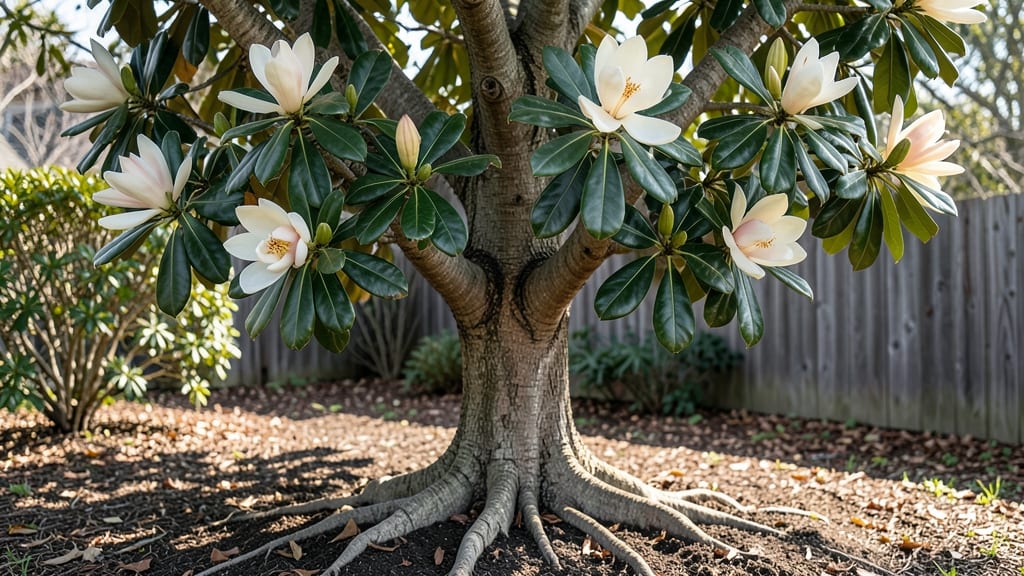
Cold-hardy rebloomers like coneflowers and bee balm turn your garden into a year-round showstopper—if you know their secret. 🌼 The magic happens in the buds, where light, water, and nutrients collide to create those vibrant blooms we all crave.
I’ve watched my own garden transform from a single-season flash to a multi-season spectacle by mastering just a few key tricks.
These plants thrive in zones 3-8, meaning they bounce back after frost and reward you with second (and third!) blooms when others fade. The trick isn’t fancy—it’s about timing watering (deep but not soggy) and feeding them at the right moments: early spring for roots, mid-summer for flowers.
My purple coneflowers now spread like crazy, while the bee balm multiplies every year with almost no effort.
You’ll notice buds forming in early spring, then again after you deadhead spent blooms—each one a promise of more color. The key is consistent care: morning sun, well-draining soil, and a light fertilizer boost when buds appear.
Skip the guesswork, and you’ll end up with garden beds that look like a pro designed them—without the pro-level budget.
Works for beginner-friendly perennials like black-eyed Susans or bold statement plants like daylilies. Let’s turn those buds into a never-ending parade of blooms—naturally, without the fuss. Here’s how to make it happen.
📚 In This Guide
- What you need
- Instructions
- Tips and common mistakes
- Wrapping up and next steps
What you need
- ● Cold-hardy reblooming plants: Choose from Echinacea (Coneflower), Rudbeckia (Black-Eyed Susan), or Asclepias (Milkweed)—all thrive in zones 3-9! (Start with 3-5 mature plants or seeds.)
- ● Well-draining soil: Mix 50% native soil with 30% compost and 20% perlite/sand (improves aeration for roots).
- ● Organic fertilizer: A balanced 10-10-10 or fish emulsion (apply 2-3 times/year during growing season).
- ● Watering can or hose: With a gentle spray nozzle (avoid soaking leaves).
- ● Pruning shears: Sharp, bypass-style (sterilize with rubbing alcohol between cuts).
- ● Garden gloves: Heavy-duty, nitrile-coated (protects from thorns and soil).
- ● Stakes or cages: 5-6 ft tall (supports tall bloomers like Echinacea; 3-4 stakes/plant).
- ● Mulch: 2-3 inches of straw or shredded leaves (retains moisture, insulates roots).
- ● Seed-saving envelopes: Paper or breathable fabric (for collecting seeds from reblooms).
- ● Soil pH test kit: Ensures 6.0-7.0 pH (ideal for most rebloomers).
- ● Bird netting: Lightweight mesh (protects buds from pests like rabbits or deer).
- ● Camera or sketchbook: Track bloom cycles and plant spread over seasons!
Step-by-step guide to cultivating cold-hardy reblooming perennials
Here’s how to coax vibrant, repeat-flowering perennials that thrive in cooler climates and spread like wildfire.
🌱 Step 1: Select and Prepare the Site
Cold-hardy rebloomers like coneflowers, black-eyed Susans, and asters thrive in full sun to part shade—at least 6 hours of direct light daily. Choose a spot with well-draining soil; these plants despise soggy roots. If your soil is heavy clay, amend with 2-3 inches of compost mixed into the top 12 inches of soil.
I always test drainage by digging a 6-inch hole, filling it with water, and timing how long it takes to drain. If it holds water past 2 hours, raise beds or plant on a mound. These perennials reward patience—once established, they’ll naturalize and multiply aggressively, filling gaps in your garden.
☀️ Step 2: Plant at the Right Time and Depth
Fall planting is ideal for cold-hardy perennials—they establish roots before winter’s chill, then burst into bloom the following spring. Plant bare-root divisions or container-grown plants when daytime temps hover around 50-60°F. Dig holes twice as wide as the root ball but only as deep—burying too deep suffocates stems.
Space plants 18-24 inches apart (check variety tags—some, like bee balm, spread wider). Water deeply after planting to eliminate air pockets, then mulch with 2-3 inches of shredded bark or straw to insulate roots. This prevents frost heave and keeps soil temperatures stable.
💧 Step 3: Water Strategically for Reblooming Success
Deep, infrequent watering is key—these perennials store moisture in their roots, so 1 inch per week (including rain) is plenty once established. Water at the base in the morning to reduce fungal risks. During the first growing season, keep soil consistently moist but never soggy; wilting in hot spells triggers dormancy.
Here’s the trick for reblooming: Cut back spent blooms (deadhead) every 2-3 weeks through late summer. This redirects energy from seed production to new buds. Watch for leaf yellowing—a sign of overwatering or nutrient depletion. A balanced 10-10-10 fertilizer applied in early spring boosts vigor.
✂️ Step 4: Prune for Health and Multiplication
Wait until late winter or early spring (when new growth appears) to prune back 1/3 of the plant’s height. This removes dead foliage and encourages bushier growth. Use clean, sharp shears to avoid tearing stems—ragged cuts invite disease. For aggressive spreaders like catmint or Russian sage, divide clumps every 3-4 years in early spring.
Divide by digging up the entire plant, shaking off excess soil, and separating crowns with a sterilized knife. Replant divisions immediately in fresh soil. You’ll see new shoots within 3-4 weeks—proof the roots are active. This is how these perennials multiply naturally; just let them do their thing.
🪴 Step 5: Overwinter for Next Year’s Blooms
Mulch heavily (4-6 inches) with straw or leaves after the first hard frost to protect roots from freeze-thaw cycles. In Zone 5 and colder, add a 1-inch layer of evergreen boughs over the crown to shield tender growth. Remove mulch in early spring (March) to let soil warm and stimulate growth.
Watch for new shoots in late winter—they’re your signal to thin mulch. If leaves emerge but stems flop, stake tall varieties (like Joe Pye weed) to prevent wind damage. These perennials are built to last; with proper care, they’ll rebloom for a decade or more, spreading and filling your garden with minimal effort.
Tips & tricks for perfect cold-hardy rebloomers
Let me share the hard-won wisdom that turns good perennials into garden superstars.
Light Matters: Those 6 hours of direct light are non-negotiable for reblooming success. South-facing beds get priority, but east-west exposures work too if you supplement with afternoon shade during peak summer. I’ve seen coneflowers thrive with just 5 hours of morning sun—just monitor for leggy growth and adjust pruning accordingly.
Soil Science: That 2-3 inches of compost mixed into the top 12 inches isn’t just fluff—it’s the difference between thriving and struggling. For heavy clay soils, I recommend mixing in 1 part perlite or coarse sand to every 3 parts compost for better drainage. The 6-inch drainage test is your best friend—if water lingers beyond 2 hours, raise beds or create mounded planting areas.
Deadheading Discipline: The every 2-3 weeks deadheading schedule keeps your perennials blooming all season. Here’s my trick: Use clean, sharp scissors instead of fingers to avoid damaging stems. Cut just above a leaf node (where leaves meet the stem) to encourage new growth. I mark my calendar for June 15, July 15, and August 15—these are my magic dates for maximum rebloom potential.
Winter Protection: That 4-6 inches of mulch is your plant’s thermal blanket. For Zone 5 gardens, I double down with evergreen boughs over the crown—it’s like tucking them into a cozy quilt. Remove mulch in early March (not February!) to let soil temperatures rise gradually. Watch for those new shoots in late winter—they’re your signal that spring is coming and it’s time to thin the mulch cover.
Pro Tips for Blooms And Buds
- Let me share the hard-won wisdom that turns good perennials into garden superstars.
- Light Matters: Those 6 hours of direct light are non-negotiable for reblooming success.
- Soil Science: That 2-3 inches of compost mixed into the top 12 inches isn’t just fluff—it’s the difference between thriving and struggling.
Frequently asked questions
Got questions about growing cold-hardy blooms and buds that rebloom naturally?
Here are answers to the most common queries—from timing tips to troubleshooting tricks!
When is the best time to plant reblooming perennials?
Plant in early spring (after the last frost) or early fall (4-6 weeks before frost). This gives roots time to establish before extreme temps. For cold-hardy varieties like Coneflower or Black-Eyed Susan, fall planting is ideal—they thrive with winter chilling!
How do I protect blooms from late frosts?
Use frost cloth or row covers when temps dip below 32°F (0°C). Water plants before a frost to insulate roots. Avoid overhead watering at night—wet foliage can freeze. Pro tip: Mulch with 2-3 inches of straw or shredded leaves for extra insulation!
Why aren’t my rebloomers multiplying like they should?
Check for crowding—overcrowded plants produce fewer offsets. Thin seedlings or divide mature clumps every 3-4 years. Ensure they get full sun (6+ hours) and well-draining soil. If buds drop, it could signal underwatering or nutrient stress—fertilize lightly with balanced 10-10-10 in spring.
Can I grow rebloomers in containers?
Yes! Choose compact varieties (like Dwarf Shasta Daisy) and use large pots (12"+ diameter) with drainage holes. Repot every 2-3 years and fertilize monthly during bloom season. Warning: Container plants dry out faster—water deeply when the top inch of soil feels dry!
How do I encourage a second (or third!) bloom?
Deadhead spent blooms regularly to redirect energy to new buds. Feed with low-nitrogen fertilizer (like 5-10-10) after the first flush. Prune leggy stems by 1/3 after the first bloom to promote bushiness. Bonus: Some perennials (like Bee Balm) rebloom naturally if given consistent moisture!
Wrapping up and next steps
From cold-hardy rebloomers to natural propagation, your garden is now primed for blooms and buds that thrive with minimal fuss! 🌸 Whether you’re reviving dormant plants or encouraging self-seeding, the key lies in patience, proper care, and a little creativity.
Embrace the journey—each season brings new opportunities to witness your garden’s magic unfold.
Ready to take the next step? Start small:
- 🌱 Label and track your plants to monitor growth patterns.
- 📅 Plan ahead for seasonal care—like mulching before winter.
- 🤝 Share tips with fellow gardeners to grow your green community!