
Blooming
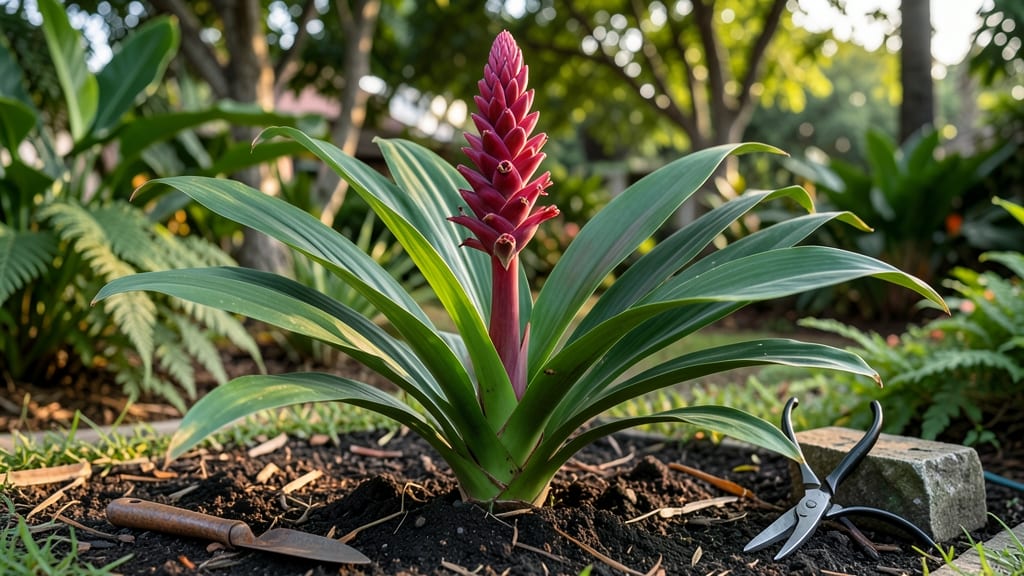
Red button ginger blooms like a tropical firework—bold, spicy, and impossible to ignore. 🌺 I’ve grown this dramatic plant for years, and its 3-foot-tall flower spikes transform any garden into a showstopper. The secret to coaxing those vibrant red blooms?
Mimicking its native rainforest habitat with just a few key adjustments. This isn’t your average houseplant—it thrives on neglect and attention. Too much shade? Forget the blooms. Too dry? The leaves curl like disappointed fans.
But nail the balance—bright, indirect light, rich but well-draining soil, and consistent moisture—and you’ll see those dramatic flower buds form within 6-8 months of planting. The real magic? Each stem produces 50+ blooms, and the plant multiplies effortlessly through underground runners.
What you’ll end up with is a lush, fragrant tropical corner that attracts hummingbirds and fills your space with a citrusy-spicy scent. The blooms last for weeks, and if you prune correctly, you’ll get a second flush in late summer.
Here’s how to set it up for success—no green thumb required.
Start with a pot at least 12 inches wide (or plant directly in the ground if you live in USDA zones 9-11). Red button ginger hates soggy roots, so mix in 30% perlite or orchid bark into your potting soil—this keeps the roots happy without smothering them.
Feed it every 4-6 weeks with a balanced fertilizer (like 10-10-10), but cut back in winter when growth slows. The plant tells you what it needs: dark green, glossy leaves mean it’s thriving; yellowing or crispy edges? Time to adjust your water or light.
Here’s the part most gardeners miss: pruning for blooms. After the first flush of flowers fades, cut the spent stalks back to the base—but leave the lower leaves intact. This redirects energy into next year’s growth and encourages new shoots to emerge from the base.
I’ve seen plants produce three flower spikes in a single season when pruned this way. And if your plant isn’t blooming? Check your light first—these divas need at least 6 hours of bright, filtered sun daily.
Red button ginger is a low-maintenance powerhouse once established, but it does have a few quirks. In cooler climates, treat it as a tender perennial—bring it indoors before frost or grow it in a container you can move.
And if pests like aphids or mealybugs show up (they love the new growth), blast them off with a soapy water spray—no harsh chemicals needed. With the right care, your plant will reward you with year-after-year blooms and spread like wildfire (in the best way).
📚 In This Guide
- What you need
- Instructions
- Tips and common mistakes
- Wrapping up and next steps
What you need
- ● Red Button Ginger Bloom rhizomes or seeds – 1-3 healthy rhizomes (or 5-10 seeds if starting from scratch). Look for plump, firm rhizomes with visible "eyes" (growth nodes).
- ● Well-draining potting mix – 5-10 gallons of a blend designed for tropical plants (e.g., 60% peat/coco coir, 30% perlite/pumice, 10% compost). Pro tip: Avoid heavy clay soil! 🌡️
- ● Containers – 2-3 large pots (12-18 inches deep) with drainage holes or a raised garden bed in a warm, sheltered spot.
- ● Organic fertilizer – Balanced liquid fertilizer (10-10-10 or 20-20-20) or slow-release granules (e.g., Osmocote).
- ● Watering can or hose with a gentle spray nozzle – Aim for consistent moisture without soggy soil.
- ● Pruning shears or knife – For dividing rhizomes or trimming spent blooms.
- ○ Mulch (optional) – Straw or wood chips to retain moisture and regulate soil temp.
- ○ Grow lights (optional) – LED full-spectrum bulbs if growing indoors with <12 hours of sunlight.
- ○ Support stakes (optional) – Tall plants may need bamboo stakes or trellises as they mature.
- ○ pH test kit (optional) – Ideal soil pH: 6.0–7.0. Adjust with lime or sulfur if needed.
- ● Warm climate or greenhouse – Red Button Ginger thrives in USDA Zones 9–11. If you’re in cooler zones, grow in containers and bring indoors in winter.
- ● Patience! – Rhizomes may take 6–12 months to bloom, but they’ll multiply like crazy once established. 🌟
- ● Sunlight – 6+ hours of direct sun daily (partial shade in scorching afternoons).
How to grow and encourage red button ginger to bloom boldly
This tropical stunner thrives with minimal fuss—just a few key conditions to unlock those fiery red blooms.
🌱 Step 1: Plant in Well-Draining, Fertile Soil
Red button ginger (Dietes grandiflora) demands rich, organic soil with excellent drainage. Mix 2 parts premium potting mix with 1 part perlite or coarse sand to prevent root rot—this plant despises soggy feet. I always add a handful of compost to the bottom of the pot before filling with the mix, giving roots a nutrient boost right from the start.
Choose a container at least 12 inches deep with drainage holes. The plant’s rhizomes need room to spread, but too large a pot will keep it from flowering. Press the soil lightly around the rhizome after planting—just enough to eliminate air pockets while avoiding compaction.
☀️ Step 2: Position for Full Sun and Warmth
Place your red button ginger in a location with at least 6 hours of direct sunlight daily. A south-facing window or outdoor spot works best, but watch for afternoon shade in hot climates—leaves can scorch if exposed to intense midday rays. I’ve found that 65-75°F is ideal for consistent blooming, so move pots indoors during winter if temperatures dip below 55°F.
Rotate the pot a quarter turn every 2 weeks to prevent lopsided growth. You’ll notice leaves leaning toward the light? That’s your cue to adjust its position. The plant will reward you with thicker stems and more vibrant blooms when it’s evenly exposed.
💧 Step 3: Water Deeply but Infrequently
Water when the top 2 inches of soil feel dry—this plant tolerates drought better than overwatering. Stick your finger in the soil; if it’s damp past your first knuckle, wait another day. I water deeply until it drains from the bottom, then empty the saucer to prevent root suffocation. During summer, you might water every 5-7 days, but reduce to every 10-14 days in winter.
Yellowing leaves? That’s often a sign of overwatering. Red button ginger stores water in its rhizomes, so it’s better to underwater slightly than drown it. If the soil stays wet for more than 48 hours, repot into fresh, dry mix immediately.
✂️ Step 4: Fertilize Lightly for Vibrant Blooms
Feed with a balanced, water-soluble fertilizer (10-10-10) diluted to half strength every 4-6 weeks during spring and summer. I skip fertilizing in fall and winter—this plant goes semi-dormant and doesn’t need extra nutrients. The key is consistency: too much fertilizer leads to lush foliage but fewer blooms. If you notice dark green leaves with no flowers after 8 weeks, cut back to quarter-strength fertilizer for a month.
After blooming, trim spent flower stems at the base with clean shears. This encourages new growth and prevents the plant from wasting energy on seed production. I also remove any yellow or damaged leaves—this keeps the plant’s energy focused on producing those signature red button blooms.
🌿 Step 5: Divide and Multiply Every 2-3 Years
Red button ginger spreads naturally, and dividing it every 2-3 years keeps it healthy and flowering vigorously. Wait until spring when new growth appears, then carefully dig up the rhizomes. You’ll see clumps of 3-5 smaller plants connected by roots—gently separate them with your hands or a clean knife. Replant the divisions in fresh soil, and you’ll have 4-6 new plants from one original.
Here’s the trick: don’t bury the rhizomes too deep. Place them just below the soil surface—any deeper, and they’ll rot. Water lightly after replanting, then resume normal care. Your divisions will bloom within 12-18 months, giving you free, stunning plants for friends or your garden.
Tips & tricks for perfect red button ginger blooms
These simple adjustments will help you coax out those bold, fiery red blooms with minimal effort.
Soil Composition: The 2:1 ratio of premium potting mix to perlite is non-negotiable for red button ginger. I’ve found that adding a thin layer of orchid bark (about 1/4 inch) mixed into the top 2 inches of soil provides extra aeration for the rhizomes, which translates to more vigorous blooming. This plant truly hates soggy conditions, so if you notice the soil staying damp beyond 48 hours, it’s time to repot into fresh mix immediately.
Light Exposure Strategy: That 6 hours of direct sunlight is your minimum, but I’ve noticed the most vibrant blooms come from plants receiving 8-10 hours when possible. If you’re growing indoors, supplement with a grow light for 2-3 hours in the evening during winter months when natural light is limited. The key is consistency—red button ginger will lean toward the light source if it’s uneven, so rotate that quarter turn every 2 weeks as instructed to maintain balanced growth.
Fertilizer Timing: The 4-6 week feeding schedule during spring and summer is spot-on, but here’s what nobody tells you: the plant needs a nutrient boost right after you trim spent blooms. I add a quarter-strength dose of that 10-10-10 fertilizer immediately after pruning to jumpstart new flower production. This timing is crucial because the plant diverts energy to seed production after blooming, and we want to redirect that energy back to those fiery red buttons.
Division Timing: While spring is ideal for dividing, I’ve had success with late summer divisions as well—just be prepared for a slightly longer wait (18-24 months) for blooms to appear. The critical factor is waiting until new growth emerges, which signals the plant is ready to be separated. When you replant those divisions, place them just below the soil surface (about 1/2 inch deep) and water lightly but thoroughly to encourage root establishment without drowning the rhizomes.
Pro Tips for Red Button Ginger Bloom
- These simple adjustments will help you coax out those bold, fiery red blooms with minimal effort.
- Soil Composition: The 2:1 ratio of premium potting mix to perlite is non-negotiable for red button ginger.
- Light Exposure Strategy: That 6 hours of direct sunlight is your minimum, but I’ve noticed the most vibrant blooms come from plants receiving 8-10 hours when possible.
Frequently asked questions
Got questions about growing Red Button Ginger Bloom? You’re not alone!
Here are answers to the most common queries—from propagation tips to troubleshooting—so you can cultivate these fiery, fragrant blooms with confidence.
How long does it take for Red Button Ginger Bloom to flower after planting?
With patience and ideal conditions, you can expect Red Button Ginger Bloom to produce its striking red flowers 6–12 months after planting. The timeline depends on factors like warmth (they thrive in USDA Zones 9–11), sunlight (full sun to partial shade), and soil moisture. Pro tip: Use a well-draining, slightly acidic mix (pH 5.5–6.5) to speed up growth!
Can I grow Red Button Ginger Bloom from seed, or do I need to divide the rhizome?
While seeds are rare and slow to germinate, division is the easiest and fastest method. Simply separate healthy rhizomes (with roots and shoots) in early spring or after flowering. Each division should have at least 3–4 nodes. For seeds, expect a 1–2 year wait for blooms—rhizome division wins for speed!
Why aren’t my Red Button Ginger Bloom plants flowering? Troubleshooting tips?
No flowers? Check these common culprits:
- Not enough sunlight: Move to a sunnier spot (they need 6+ hours/day).
- Overwatering: Let soil dry slightly between waterings—root rot kills blooms!
- Cold stress: Below 50°F (10°C) halts growth. Use mulch in cooler climates.
- Lack of nutrients: Feed with a balanced fertilizer (10-10-10) in spring.
Are there non-spicy alternatives to Red Button Ginger Bloom with similar bold flowers?
If the heat is too much, try these low-spice, high-impact ginger relatives:
- Alpinia zerumbet ("Shell Ginger"): Non-spicy, fragrant, and hardy to Zone 8.
- Hedychium gardnerianum ("Kahili Ginger"): Stunning yellow blooms, mildly aromatic.
- Roscoea purpurea ("Shellflower"): Cold-tolerant (Zone 5), purple blooms, no heat.
How do I overwinter Red Button Ginger Bloom in colder climates?
These tropical beauties cannot survive frost, but you can protect them:
- Dig up rhizomes before first frost, trim foliage, and store in dry peat moss at 50–60°F (10–15°C).
- In containers, move pots to a garage or shed (keep above freezing).
- Mulch heavily in Zone 9 with straw or leaves for mild winters.
Wrapping up and next steps
Growing Red Button Ginger Bloom is a rewarding journey that brings bold, fiery beauty to your garden—and it multiplies like magic! 🌿✨ With the right conditions, patience, and a little know-how, you’ll soon have vibrant clusters of these striking blooms thriving in your space.
Whether you’re a seasoned gardener or a curious beginner, this plant offers both visual drama and effortless propagation.
Ready to dive in? Start with a single rhizome and watch your collection grow—your future garden (and neighbors!) will thank you. Happy planting!