
Blooming
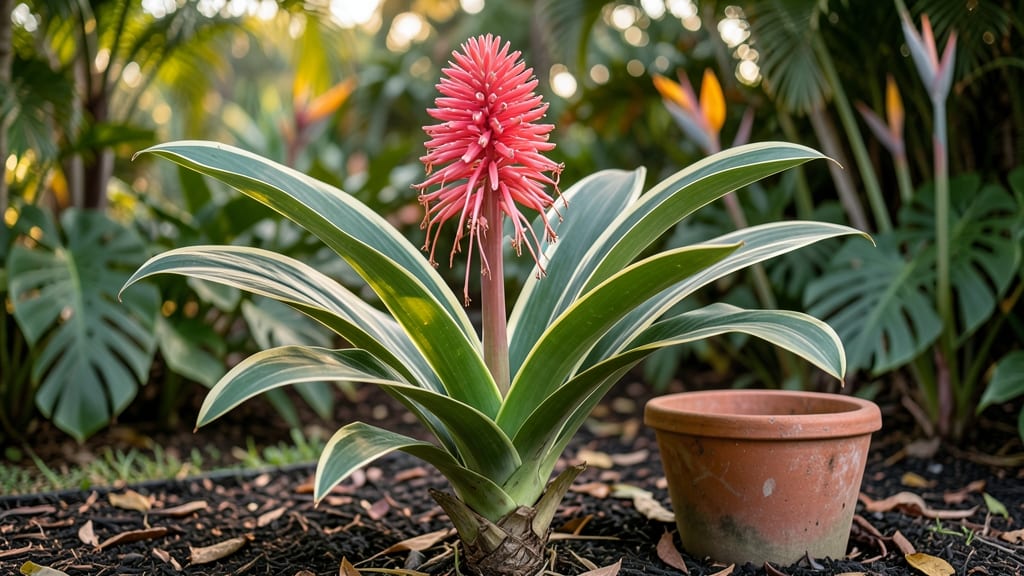
Variegated ginger blooms transform your garden into a tropical dream with their striking striped stems and bold, exotic flowers. 🌿 I’ve grown these showstoppers for years, and the secret to their lush, flowering glory lies in mimicking their natural understory habitat—bright but indirect light, rich soil, and patience.
Most gardeners overwater or over-fertilize, which actually stunts blooms, but once you dial in the care, you’ll get those dramatic cone-shaped flowers rising above the foliage by late summer.
The key is treating variegated ginger like the shade-loving tropical it is. Plant in well-draining soil with a handful of compost mixed in, and water only when the top inch feels dry—these rhizomes rot easily if soggy.
A light feeding with balanced fertilizer in spring jumpstarts growth, but too much nitrogen keeps them leafy and flowerless. I’ve seen firsthand how a single plant can produce 6-8 flower stalks in a single season when conditions are just right.
When blooms appear, they’re nothing short of spectacular—bright pink or white flowers that last for weeks, followed by seed pods that add texture to winter gardens. The striped stems themselves are a conversation starter, especially when they arch gracefully over containers or garden beds.
With the right care, your variegated ginger won’t just survive—it’ll thrive and reward you with exotic beauty that most gardeners never see.
Works beautifully in partial shade gardens, containers, or as a dramatic accent plant. Here’s how to coax those stunning blooms every season—no greenhouse required.
📚 In This Guide
- What you need
- Instructions
- Tips and common mistakes
- Wrapping up and next steps
What you need
- ● Variegated ginger rhizome: 1-2 healthy, striped rhizomes (look for plump, firm sections with visible green/yellow variegation).
- ● Well-draining potting mix: 1 bag (10-15 liters) of a blend like cactus/succulent mix or a 50/50 peat/perlite combination.
- ● Pot or container: For rhizomes: A shallow, wide pot (12-16 inches in diameter) with drainage holes.
- ● For outdoor planting: A sunny, sheltered spot with loose, fertile soil (amend with compost if needed).
- ● Organic fertilizer: 1 packet of balanced granular fertilizer (e.g., 10-10-10) or a slow-release option like osmocote.
- ● Mulch: Pine bark fines or straw (1-2 inches) to retain moisture and regulate temperature.
- ● Pruning shears or sharp knife: For dividing rhizomes or trimming foliage.
- ○ Gloves (optional): To protect hands from rhizome sap (can irritate skin).
- ● Watering can or hose with gentle spray: Avoid soggy soil—ginger hates waterlogged roots!
- ○ pH test kit (optional): Ideal soil pH: 5.5–6.5 (variegated ginger thrives in slightly acidic conditions).
- ○ Shade cloth (optional): 30–50% coverage for hot climates to protect young plants.
Step-by-step guide to cultivating variegated ginger blooms
Here's how I transform striped ginger rhizomes into dramatic, shade-loving foliage plants with striking blooms.
🌱 Step 1: Select and Prepare Healthy Rhizomes
Choose plump, firm rhizomes with visible variegation—avoid any that feel soft or show mold. I look for pieces with at least 3-4 buds (those little eye-like nodes) since each will grow into a new stem. Cut larger rhizomes into sections using a sterilized knife, ensuring each piece has 2-3 buds.
Soak the rhizomes in lukewarm water for 12-24 hours to soften the outer skin and encourage root development. This step is crucial—skipping it delays growth by 2-3 weeks as the rhizome struggles to absorb moisture through its tough exterior. I like to add a pinch of cinnamon to the water to prevent fungal infection during this vulnerable stage.
🪴 Step 2: Plant in Well-Draining, Moisture-Retentive Mix
Fill a container with a mix of 50% peat moss, 30% perlite, and 20% compost—this combination mimics the rhizomes' natural tropical environment while preventing root rot. The pot should have drainage holes, but I always add a 1-inch layer of small gravel at the bottom to create extra airflow.
Plant the rhizomes horizontally, just below the soil surface with the buds facing upward. Press gently but don't bury them—variegated ginger needs light to reach the stems for those signature striped patterns to develop. Water thoroughly after planting, then let the top inch of soil dry out before watering again.
☀️ Step 3: Provide Bright, Indirect Light and Humidity
Variegated ginger thrives in bright, indirect light—think east-facing windows or 1,000-2,000 foot-candles of artificial light. Direct midday sun will scorch those delicate variegated leaves, while too little light dulls the colors. I rotate my plants quarter-turn weekly to prevent lopsided growth toward the light source.
Maintain 60-80% humidity by placing the pot on a tray of pebbles with water, or misting daily. You'll know the humidity is right when condensation forms on the leaves in the morning but evaporates by afternoon. Keep temperatures between 65-85°F—any cooler and growth slows dramatically.
💧 Step 4: Water and Fertilize for Optimal Growth
Water when the top 2 inches of soil feel dry—stick your finger in to check. Variegated ginger hates soggy roots but also won't tolerate drying out completely. I water deeply until it drains from the bottom, then empty the saucer to prevent root suffocation. During active growth (spring through fall), I fertilize every 4-6 weeks with a balanced liquid fertilizer diluted to half strength.
Watch for new shoots emerging from the buds in 4-8 weeks. These will develop into your striped stems, and you'll notice the variegation becoming more pronounced as they grow. If stems appear leggy and pale, they're reaching for more light—adjust your plant's position immediately to prevent weak growth.
✂️ Step 5: Encourage Blooms and Divide as Needed
Variegated ginger typically blooms in 1-2 years under ideal conditions, producing dramatic 6-inch tall flower spikes. To encourage blooming, I reduce water slightly in late summer and provide 12+ hours of light daily. The flowers are stunning but short-lived—remove spent blooms to redirect the plant's energy into foliage growth.
Divide mature rhizomes every 2-3 years when the plant becomes crowded. Lift the rhizome, rinse off soil, and separate into sections with 2-3 buds each. Replant immediately in fresh mix. This rejuvenates the plant and gives you free propagation material—just what I love about variegated ginger!
Tips & tricks for perfect variegated ginger blooms
These essential insights will help you coax the most dramatic striped foliage and vibrant blooms from your ginger rhizomes.
Soaking Strategy: The 12-24 hour soak in lukewarm water isn't just about hydration—it's about creating a shock response that jumpstarts root development. I've found that adding 1/4 teaspoon of cinnamon to the water acts as a natural antimicrobial barrier during this critical phase. If you're short on time, don't skip the soak entirely—even 6 hours will help, though you'll lose that 2-3 week growth advantage. The water should be just warm enough to feel comfortable to your wrist, not hot.
Light Positioning: That quarter-turn weekly rotation I mention isn't just about aesthetics—it's a growth hack. Variegated ginger stems grow toward light sources, and without rotation, you'll end up with lopsided plants where one side gets 30% more exposure than the other. Place your plant near an east-facing window for the gentlest morning light, then supplement with a 1,500-foot-candle grow light if your space gets dim in winter. The striped patterns develop most vividly when light hits the leaves at 45-degree angles during the day.
Humidity Hack: Maintaining 60-80% humidity can be tricky in dry climates. My secret weapon is a pebble tray with distilled water—tap water minerals can build up and harm roots over time. For extra insurance, place your plant on a humidity dome during the first 4-6 weeks of growth when roots are establishing. You'll know you've nailed the humidity when you see morning dew on leaves that disappears by noon. In winter, consider adding a small ultrasonic humidifier near your plants if your home's air feels particularly dry.
Bloom Encouragement: The 12+ hours of light requirement in late summer is non-negotiable for blooms, but here's the pro tip: use cool white LED bulbs rather than warm tones—they mimic natural daylight more effectively. When you reduce water slightly to encourage blooming, aim for letting the top 3 inches dry out rather than just 2 inches. This subtle stress signal tells the plant it's time to focus energy on reproduction rather than foliage growth. Remove spent blooms by cutting the stem 1 inch below the flower head to prevent fungal entry points.
Pro Tips for Variegated Ginger Blooms
- These essential insights will help you coax the most dramatic striped foliage and vibrant blooms from your ginger rhizomes.
- Soaking Strategy: The 12-24 hour soak in lukewarm water isn't just about hydration—it's about creating a shock response that jumpstarts root development.
- Light Positioning: That quarter-turn weekly rotation I mention isn't just about aesthetics—it's a growth hack.
Frequently asked questions
Got questions about growing variegated ginger blooms?
Here are some of the most common ones—plus quick, practical answers to help you nurture these stunning striped beauties with confidence!
How often should I water variegated ginger blooms?
Keep the soil consistently moist but not soggy. Water when the top 1–2 inches of soil feel dry to the touch. In hotter months, you may need to water every 2–3 days, while cooler seasons might require less frequent watering. Pro tip: Use a pot with drainage holes to prevent root rot!
When will my variegated ginger bloom?
Patience is key! These plants typically bloom in late spring to early summer, about 1–2 years after planting from rhizomes. Ensure they get bright, indirect light and well-draining soil to encourage flowering. If they’re not blooming, check for adequate sunlight or nutrient-rich compost.
Can I grow variegated ginger indoors?
Place them near a sunny window (east or west-facing) or under grow lights for 6–8 hours daily. Use a pot with drainage, and rotate it occasionally for even growth. Just avoid cold drafts—they thrive in warmth (65–80°F).
Why are my variegated ginger leaves turning yellow?
Yellowing leaves often signal overwatering or poor drainage. Let the soil dry slightly between waterings, and ensure the pot isn’t sitting in standing water. Check for pests like spider mites too—wipe leaves with neem oil if needed.
What’s a good alternative if I can’t grow variegated ginger?
Try striped dracaena (Dracaena marginata ‘Tricolor’) or calathea orbifolia for similar variegated foliage. For blooms, consider ginger lilies (Hedychium)—they’re hardy and love partial shade too!
Wrapping up and next steps
Variegated ginger blooms bring a striking, tropical charm to any garden—even in partial shade!
With the right care, these striped-stem beauties thrive, rewarding you with vibrant foliage and occasional showstopping flowers. 🌿✨ Whether you’re a seasoned gardener or just starting, their resilience makes them a fantastic addition to patios, borders, or containers.
Ready to watch your garden glow? Start by selecting a well-draining spot, then nurture your plants with patience and love. Next, share your progress—tag us in your photos or try propagating cuttings to spread the magic! Happy gardening!