
Blooming
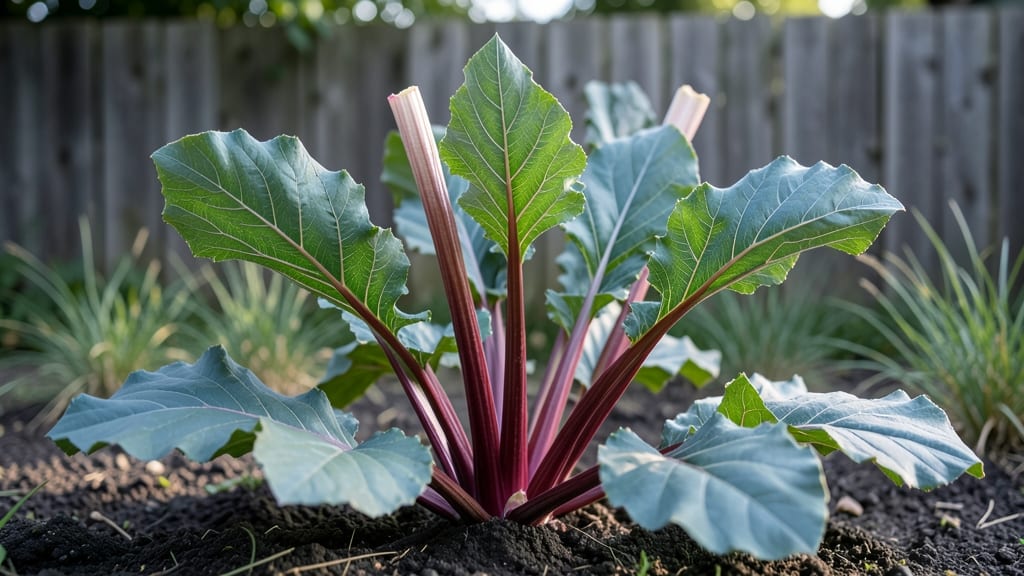
Your rhubarb plant’s unexpected blooms might seem like a problem, but they’re actually a sign of a thriving plant—if you know how to manage them. 🌱 The key to keeping your rhubarb productive lies in understanding when those flowers are helpful (or not) and how to redirect the plant’s energy back to those prized stalks you’re growing for pies and compotes.
Here’s the thing—those bright red flowers aren’t just pretty; they signal the plant is storing energy for next year. But if you want a steady harvest, you’ll need to prune them off early.
I’ve learned that removing flower stalks before they open keeps the plant focused on growing more stalks, not seeds. It’s a simple trick that can double your harvest in just one season.
With the right timing and a little maintenance, you’ll end up with a rhubarb plant that produces bold, vibrant stalks from early spring until frost. The secret is balancing pruning, fertilization, and seasonal care—no fancy equipment or complicated steps required.
Just a sharp pair of shears and a willingness to spend 10 minutes every few weeks.
Whether you’re a first-time rhubarb grower or a seasoned gardener looking to maximize your harvest, these tips will help you keep your plant productive while still enjoying those occasional blooms. Let’s get those stalks growing!
📚 In This Guide
- What you need
- Instructions
- Tips and common mistakes
- Wrapping up and next steps
What you need
- ● Rhubarb Crowns: 1–2 healthy, disease-free crowns (ensure they have multiple "eyes" or buds for growth).
- ● Well-Draining Soil: 5–10 gallons of rich, loamy soil with a pH of 6.0–6.8 (amend with compost or aged manure if needed).
- ● Organic Compost: 2–3 gallons to enrich the planting area.
- ● Balanced Fertilizer: 10-10-10 or 5-10-10 (organic options like fish emulsion work too).
- ● Mulch: 2–3 inches of straw, wood chips, or shredded leaves to retain moisture and suppress weeds.
- ● Garden Trowel or Spade: For digging planting holes (6–8 inches deep).
- ● Pruning Shears: Sharp, clean shears for trimming leaves and stems.
- ● Watering Can or Hose: With a gentle spray nozzle for even hydration.
- ● Garden Gloves: To protect your hands while handling soil and plants.
- ● Measuring Tape or Ruler: To space plants 3–4 feet apart (critical for airflow!).
- ● Drip irrigation system for automated watering.
- ● Plant support stakes if stems grow tall (though rhubarb is typically sturdy).
- ● Epsom salt (1 tbsp per plant annually) for magnesium boosts.
- ● Row covers to protect from late frosts or pests.
Instructions for encouraging blooms and year-round rhubarb harvest
Here’s how to coax those vibrant rhubarb blooms while keeping stalks plentiful—no fancy tricks, just smart timing.
☀️ Step 1: Position for Maximum Sunlight
Rhubarb thrives in full sun—at least 6 hours daily. I always place mine where morning rays hit first, since afternoon shade helps prevent leaf scorch in hot climates. If your yard gets intense afternoon sun, a bit of afternoon shade (like a nearby tree) works better than deep shade.
Watch for leaves curling or yellowing—this means it’s too hot. Mulch heavily with 3-4 inches of organic matter (like straw or wood chips) to keep roots cool and retain moisture. The soil should stay evenly moist but not soggy; rhubarb roots rot quickly if waterlogged.
💧 Step 2: Water Deeply During Critical Growth Stages
Water deeply once a week during active growth (spring through early summer), aiming for 1-1.5 inches of water per week. Let the top 2 inches of soil dry out between waterings—this prevents crown rot while encouraging strong root development. I use a soaker hose to avoid wetting the leaves, which reduces fungal diseases.
Here’s the thing—rhubarb blooms are a sign of maturity, but too many flowers drain energy from stalk production. If you see buds forming in early spring, snip them off immediately. This redirects the plant’s focus to leaf and stalk growth, giving you thicker, sweeter harvests later.
✂️ Step 3: Prune Strategically for More Stalks
After harvest season (late spring), cut back any dead or yellowing leaves to 6 inches above the ground. This clears space for new growth and improves air circulation. I also remove any flower stalks that appear—even if they’ve already bloomed—because they sap energy from the plant.
In fall, cut back all foliage to 1-2 inches above the crown once leaves yellow. This prevents disease overwintering and helps the plant store energy for next year’s growth. Never remove more than ⅓ of the plant at once, or you’ll shock the crown.
🌱 Step 4: Feed and Mulch for Long-Term Health
In early spring, spread 2-3 inches of compost or well-rotted manure around the base, keeping it 6 inches away from the crown. Rhubarb doesn’t need heavy feeding, but a light top-dressing of 10-10-10 fertilizer in early spring (about ½ cup per plant) gives it a gentle boost.
Mulch again with 3-4 inches of straw or shredded leaves to insulate roots in winter and suppress weeds. The mulch should stay 3-4 inches thick year-round—this keeps soil temperatures stable and conserves moisture. I top up the mulch in late winter to protect against early spring frosts.
⏰ Step 5: Time Harvests to Encourage Blooms
Harvest stalks in early spring (as soon as they’re 10-12 inches tall) to avoid flower formation. Wait until the plant is 2-3 years old before harvesting heavily—young plants need all their energy to establish roots. Cut stalks at the base with a clean knife, leaving the leaf crown intact.
If you want blooms (for ornamental value or seed), let a few stalks mature naturally. The flowers are edible and attract pollinators, but they’ll reduce your harvest yield. I usually allow 1-2 stalks per plant to bloom in their third year, then remove the flowers to keep production strong.
Tips & tricks for encouraging rhubarb blooms
These simple tricks will help you balance beautiful blooms with a bountiful harvest—without the guesswork.
Sunlight Strategy: The 6 hours of daily sun in Step 1 is non-negotiable, but here's what I've learned: position your plants where morning sun dominates, especially in hot climates. I've seen rhubarb leaves scorch badly when planted in full afternoon sun—even with mulch. If your yard has intense afternoon heat, a partial afternoon shade from a nearby tree works wonders without sacrificing too much light.
Pruning Precision: When you're removing flower stalks in Step 3, don't just cut them off—snip them at the base where they meet the stalk. I used to pull them off, which damaged the plant tissue and led to infections. Also, watch for new buds forming after your initial pruning; these sneaky little guys can appear throughout spring if you're not vigilant. I check my plants every 7-10 days until harvest season.
Watering Wisdom: The 1-1.5 inches of water per week in Step 2 is perfect, but timing matters just as much. Water in the morning so leaves have time to dry before evening—this prevents fungal diseases that thrive in damp conditions. I've seen rhubarb plants develop leaf spot when watered at night, even with proper spacing. A soaker hose is your best friend here; it delivers water directly to the roots without wetting the leaves.
Mulch Maintenance: That 3-4 inches of mulch in Steps 1 and 4 isn't just for winter—keep it consistent year-round. I top up my mulch every spring after the first harvest because rain and decomposition reduce its thickness. The key is maintaining that 3-4 inch layer to regulate soil temperature and moisture. Pro tip: use straw rather than wood chips if you're growing rhubarb near edible plants—straw breaks down more cleanly and won't compete with your rhubarb's nutrients.
Pro Tips for Blooming Rhubarb Plant
- These simple tricks will help you balance beautiful blooms with a bountiful harvest—without the guesswork.
- Sunlight Strategy: The 6 hours of daily sun in Step 1 is non-negotiable, but here's what I've learned: position your plants where morning sun dominates, especially in hot climates.
- Pruning Precision: When you're removing flower stalks in Step 3, don't just cut them off—snip them at the base where they meet the stalk.
Frequently asked questions
Got questions about your blooming rhubarb plant? You’re not alone! Whether you’re a first-time gardener or a seasoned grower, these common queries can help you keep your rhubarb thriving—and your harvests abundant. Here’s what you need to know:
Can I eat rhubarb if it blooms?
Yes, but with a caveat! The stalks are still edible, but the plant redirects energy toward flowering, which can reduce your harvest. Pinch off blooms early to encourage more leafy growth. If you love rhubarb pie, prioritize removing flowers to keep those stalks coming!
How long does it take for rhubarb to bloom?
Rhubarb typically blooms in its second or third year after planting, once it’s well-established. Young plants focus on root and stalk growth, but mature plants (3+ years old) may flower more aggressively. Patience pays off—harvesting stalks before blooms appear keeps your plant productive!
What do I do if my rhubarb only blooms and doesn’t produce stalks?
Don’t panic! This is common in older plants. To fix it:
- Cut back flowers as soon as they appear to redirect energy.
- Harvest stalks sparingly in early spring (before blooms form) to encourage regrowth.
- Fertilize lightly with compost or a balanced fertilizer to support stalk production.
With time and care, your plant will rebound!
Can I grow rhubarb in containers?
Rhubarb thrives in large containers (at least 12 inches deep) with well-draining soil. Use a mix of compost and potting soil, and place the pot in full sun. Just note: Container-grown rhubarb may bloom earlier—stay vigilant about removing flowers to maximize your harvest.
Why is my rhubarb turning red or pink?
This is usually normal for some varieties (like ‘Strawberry’ rhubarb), but if it’s unexpected:
- Check soil pH—acidic soil (below 6.0) can cause discoloration. Amend with lime if needed.
- Cold stress in early spring may also trigger reddening. Protect young plants with mulch.
Red or pink rhubarb is still safe to eat—just adjust your soil if it’s consistent!
Wrapping up and next steps
Growing a blooming rhubarb plant is a rewarding journey that combines minimal effort with bountiful harvests—year after year! With the right soil, sunlight, and a little patience, you’ll enjoy tender stalks and vibrant blooms that brighten your garden.
Whether you’re a seasoned gardener or just starting out, rhubarb’s hardy nature makes it the perfect low-maintenance crop to try.
Ready to dive in? Start by gathering your supplies—like well-draining soil and a sunny spot—and follow the simple steps to get your plants thriving. Soon, you’ll be savoring homegrown rhubarb in pies, jams, or even cocktails! 🌱✨