
Blooming
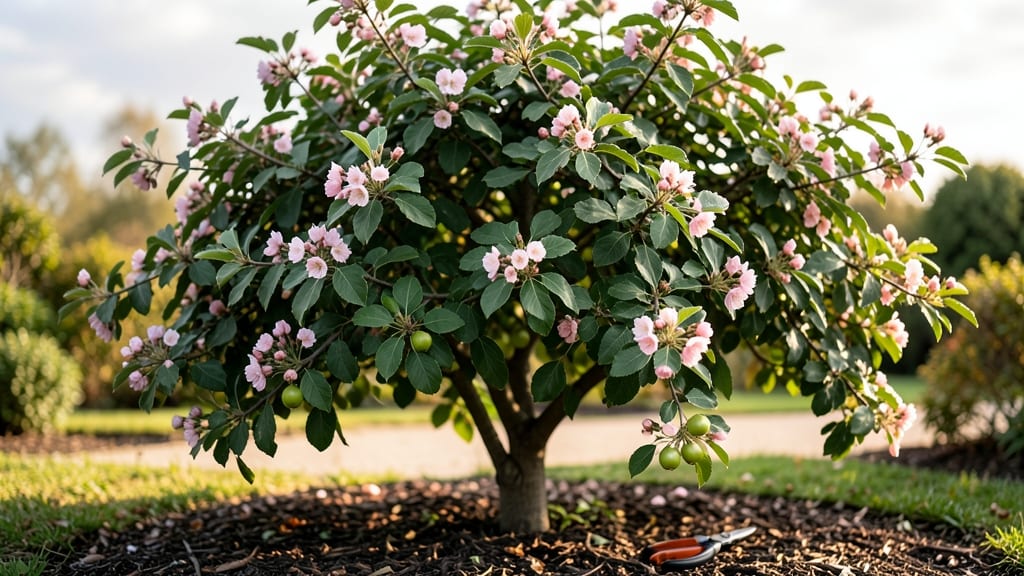
Your blooming crabapple tree could be the star of spring—without the pruning headaches you’ve heard about. 🌸 I’ve grown these trees for years, and the secret to their stunning flowers and minimal upkeep lies in the right spot, soil, and a few strategic cuts each year.
The payoff? A canopy of pink, white, or red blossoms that last weeks longer than most flowering trees.
Start with full sun (at least 6 hours daily) and well-draining soil—these trees hate soggy roots. Amend heavy clay with compost, and avoid planting too deep (the graft union should sit just above soil level).
Water deeply once a week after planting, then taper off as roots establish. The first year is critical: get this right, and your tree will reward you with bold, abundant blooms for decades.
Pruning isn’t about shaping—it’s about airflow. Remove only dead, crossing, or inward-growing branches in late winter or early spring. A light prune keeps the tree healthy and flowering without sacrificing its natural beauty. Even in winter, the skeletal branches hold charm, and fallen fruit provides a feast for wildlife.
Choose a variety for your climate: ‘Adirondack’ thrives in cold zones, while ‘Royalty’ handles heat and humidity. Mulch annually to retain moisture, and fertilize lightly in early spring. With these basics, your crabapple will outshine neighbors’ manicured lawns—and require less fuss than a weekly mow.
📚 In This Guide
- What you need
- Instructions
- Tips and common mistakes
- Wrapping up and next steps
What you need
- ● Crabapple tree: Choose a disease-resistant variety (e.g., Malus ‘Adirondack’ or Malus ‘Royalty’) from a reputable nursery. Size: 1–3 gallons (for young trees) or 7–15 gallons (for established specimens).
- ● Planting hole: Dig a hole twice as wide as the root ball and as deep as the container.
- ● High-quality soil: Mix 50% native soil with 50% compost or well-rotted manure for optimal drainage.
- ● Organic mulch: 2–4 inches of shredded bark, wood chips, or pine straw (keep mulch 6 inches away from the trunk).
- ● Watering can or hose: With a gentle spray nozzle (avoid high pressure).
- ○ Fertilizer (optional but recommended): Slow-release balanced fertilizer (e.g., 10-10-10) 1–2 tbsp per year of tree age.
- ● Or organic options like fish emulsion or compost tea.
- ● Garden shovel or spade (for digging).
- ● Garden trowel (for amending soil).
- ● Pruning shears (bypass pruners, sharp and clean).
- ● Rake (for smoothing mulch).
- ● Measuring tape (to check hole depth/width).
- ● Gloves (heavy-duty for digging, lightweight for pruning).
- ● Wheelbarrow (for hauling soil/mulch).
- ● Sunlight: Full sun (6+ hours/day) for optimal blooms and fruit.
- ● Soil pH: 6.0–7.0 (test with a soil kit if unsure).
- ● Spacing: Small varieties: 10–15 feet apart.
- ● Standard trees: 15–25 feet apart.
- ● Water access: A nearby hose or drip irrigation system.
- ● Patience: Crabapples grow 1–2 feet per year—plan for long-term beauty! 🌟
- ● 🌱 Plant in early spring or fall to avoid extreme heat/cold stress.
- ● 💧 Water deeply 2–3 times per week for the first year (tap roots need encouragement!).
- ● ✂️ Prune only in late winter (avoid summer pruning to prevent disease).
- ● 🍎 Harvest fruit in late summer/fall (if variety is edible)—wear gloves (they stain!).
Step-by-Step guide to establishing a healthy blooming crabapple tree
Here’s how to plant and care for your crabapple tree so it thrives with stunning spring blooms and minimal upkeep.
🪴 Step 1: Select and Prepare the Planting Site
Choose a location with full sun exposure (6+ hours daily) and well-draining soil. Crabapples hate soggy roots, so avoid low spots where water pools. I dig a hole twice as wide as the root ball but only as deep—planting too deep suffocates the tree and invites disease.
Loosen the soil at the bottom of the hole with your hands or a trowel. This breaks up compaction and lets roots spread easily. If your soil is heavy clay, mix in a few handfuls of compost to improve drainage. The goal is loose, airy soil that won’t trap moisture around the roots.
🌱 Step 2: Plant the Tree Properly for Strong Growth
Remove the tree from its container and gently tease the roots apart if they’re circling tightly. Place it in the hole so the top of the root ball sits 1-2 inches above ground level. This prevents settling over time, which can bury the trunk and cause rot.
Backfill with native soil, tamping lightly every few inches to eliminate air pockets. Water deeply to settle the soil around the roots. I always add a 2-inch layer of mulch (not touching the trunk) to retain moisture and suppress weeds. This keeps roots cool in summer and insulated in winter.
☀️ Step 3: Water and Fertilize for First-Year Establishment
Water the tree deeply 2-3 times per week for the first year, aiming for 1-2 gallons per watering. Let the top 2-3 inches of soil dry between waterings
In early spring, apply a balanced 10-10-10 fertilizer (follow label rates) to encourage strong root and shoot growth. Avoid high-nitrogen fertilizers—they promote leafy growth at the expense of flowers. After flowering, switch to a low-nitrogen, high-phosphorus formula to support fruit development. Prune in late winter or early spring before buds swell to remove dead, crossing, or rubbing branches. I cut just outside the branch collar (the swollen area where the branch meets the trunk) to encourage fast healing. Never leave stubs—this invites disease and weakens the tree. Thin out crowded branches to improve airflow, which prevents fungal issues. Aim for an open vase shape that lets sunlight reach the center. Crabapples bloom on old wood, so avoid heavy pruning after flowering. A light cleanup in summer removes only water sprouts or damaged limbs. In summer, water during dry spells but reduce frequency as the tree matures. A well-established crabapple needs 1 inch of water weekly during droughts. Monitor for pests like aphids or scale—spray with horticultural oil if you spot sticky residue on leaves. Fall is the time to remove fallen fruit to prevent disease buildup in the soil. Rake up debris and apply a 2-inch layer of mulch around the base, keeping it 6 inches away from the trunk. This protects roots from winter temperature swings and keeps the soil moist for early spring growth.✂️ Step 4: Prune Strategically for Health and Blooms
🌿 Step 5: Maintain Year-Round for Long-Term Beauty
Tips & tricks for perfect blooming crabapple trees
Here's what I learned after planting and nurturing several crabapple varieties—these details make all the difference between a struggling sapling and a thriving ornamental centerpiece.
Soil Preparation Secret: In Step 1, when loosening the soil, I like to add a handful of sand to heavy clay soils—this creates tiny air pockets that improve drainage without altering the soil's natural structure. The key is mixing it thoroughly with the native soil before planting. This mimics the tree's natural habitat and prevents root rot, which is especially critical for young crabapples that can't handle soggy conditions.
Planting Depth Matters: The instructions specify planting with the root ball 1-2 inches above ground level, but here's why this matters: Crabapple trees have a shallow root system that needs access to oxygen. Burying them too deeply suffocates the roots and creates the perfect environment for fungal diseases. I've seen trees planted too deep develop blackened bark at the soil line—a sure sign of rot. Use a small stake to mark the original soil level on the root ball before planting as your reference point.
Watering Wisdom: Those 2-3 inches of dry soil between waterings in Step 3 are crucial, but I've found a simple trick to check moisture: Stick your finger about 2 inches into the soil. If it feels dry at that depth, it's time to water. This method is more reliable than guessing by appearance, especially in sandy soils that dry out faster. Always water deeply—shallow watering encourages roots to stay near the surface where they're vulnerable to temperature extremes.
Pruning Precision: When pruning in Step 4, I use a small paintbrush to mark branches I want to remove before making cuts. This helps me visualize the final shape and ensures I'm not over-pruning. Remember that crabapples bloom on old wood, so only remove dead or crossing branches—never more than 25% of the tree's canopy in any single pruning session. I also sterilize my pruners with rubbing alcohol between cuts to prevent spreading disease from one branch to another.
Pro Tips for Blooming Crabapple Tree
- Here's what I learned after planting and nurturing several crabapple varieties—these details make all the difference ...
- Soil Preparation Secret: In Step 1, when loosening the soil, I like to add a handful of sand to heavy clay soils—this...
- Planting Depth Matters: The instructions specify planting with the root ball 1-2 inches above ground level, but here'...
Frequently asked questions
Got questions about your blooming crabapple tree? You’re not alone! Here are answers to the most common queries—from planting to pruning and everything in between.
When is the best time to plant a blooming crabapple tree?
Plant your crabapple tree in early spring or fall when the soil is workable but not frozen. This gives roots time to establish before extreme weather. Avoid planting in summer heat or winter frost, as stress can stunt growth. If you’re in a mild climate, fall is ideal—just ensure it’s at least 6 weeks before the first frost.
How much sunlight does a blooming crabapple tree need?
Crabapple trees thrive in full sun (6–8 hours daily), but they tolerate partial shade (4–6 hours). Too little light? Expect fewer blooms and sparse foliage. For optimal color and fruit production, plant in a south- or west-facing spot. If your yard is shady, choose a dwarf variety like ‘Adirondack’ for better adaptability.
Do blooming crabapple trees need a lot of pruning?
Not at all! These trees are low-maintenance—just remove dead, diseased, or crossing branches in late winter or early spring. Avoid heavy pruning during bloom season (spring) to preserve flowers. Pro tip: Prune after fruit drops in summer to keep the tree tidy without sacrificing next year’s blossoms.
Are blooming crabapple trees prone to pests or diseases?
While generally hardy, crabapples can attract aphids, borers, or fungal issues like apple scab. Prevent pests by keeping the tree healthy (water deeply but infrequently) and removing fallen fruit. For diseases, prune for airflow and apply copper fungicide in early spring if needed. Most varieties are disease-resistant, so choose cultivars like ‘Royalty’ or ‘Dolgo’ for fewer problems.
Can I eat the fruit from a blooming crabapple tree?
Yes, but with caution! Crabapple fruit is edible but tart—best used for jams, jellies, or baked goods. Some varieties (like ‘Harvest Gold’) are sweeter than others. Warning: Never eat fallen fruit from the ground, as it may harbor pests or mold. Harvest when fully ripe (late summer/fall) and cook thoroughly to soften the texture.
Wrapping up and next steps
Your blooming crabapple tree is more than just a stunning addition to your landscape—it’s a low-maintenance, year-round star that brings joy with minimal effort. 🌸 From vibrant spring blossoms to crisp autumn foliage, this tree rewards you with beauty at every season while requiring just a little care.
Whether you’re a gardening novice or a seasoned pro, the key is patience, observation, and a touch of love—and you’re already on the right path!
Ready to watch your tree thrive? Take the next step:
- 🌱 Plant your tree in the perfect spot (sunny, well-drained soil).
- 💧 Water deeply the first year to establish strong roots.
- ✂️ Prune lightly in late winter to shape and encourage blooms.