
Blooming
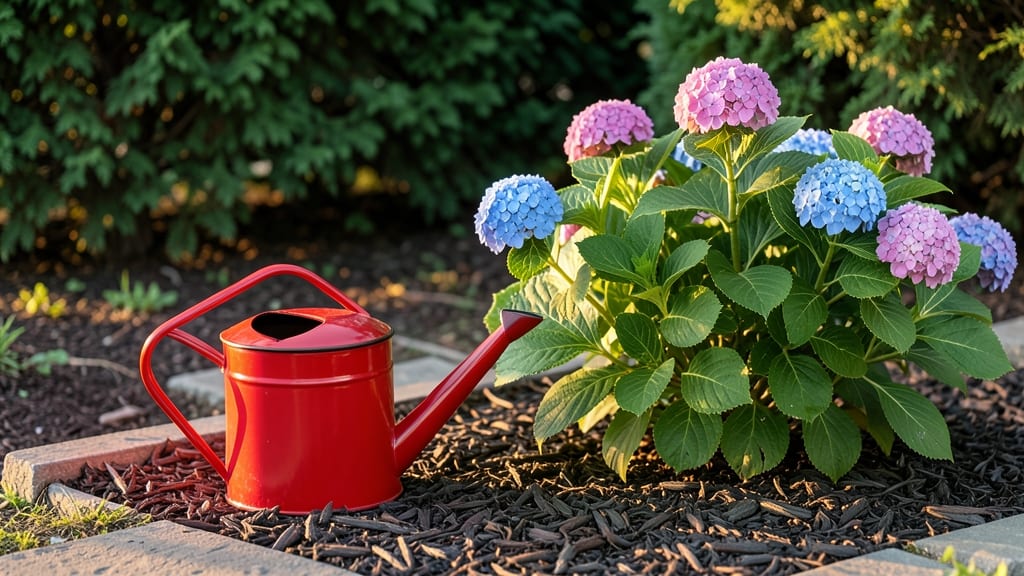
Creating a blooming garden of care means year-round beauty without the endless pruning and upkeep most people dread. 🌸 I’ve designed gardens where flowers cascade from spring through frost, all while keeping the maintenance lighter than a morning stroll—not a backbreaking chore.
The secret? Smart plant pairings that bloom in waves, foliage that hides gaps, and a few strategic cuts instead of constant trimming.
Think of it like a living quilt: each plant stitches into the next, with colors and textures that shift seamlessly.
My go-to combos include spring bulbs (daffodils, tulips) that fade into summer perennials (coneflowers, black-eyed Susans), which then hand off to fall bloomers (mums, asters) and winter interest (ornamental grasses, berries). The foliage—deep purples, silvery blues, and lush greens—fills in the blanks while you sip coffee in the shade.
What you’ll end up with is a garden that looks polished without effort. Deadheading becomes a 10-minute weekly task, not a daily obsession, and pruning is limited to one or two clean cuts per season.
The payoff? A backyard that feels like a curated retreat, where every season has its own star turn—and you’re the lucky gardener who gets to enjoy it.
This approach works for small urban plots, sprawling backyards, or even container gardens on patios**. Whether you’re starting fresh or refreshing what you already have, the principles stay the same: layer for color, choose plants with overlapping bloom times, and let the garden do most of the work.
Ready to see how it transforms your space?
📚 In This Guide
- What you need
- Instructions
- Tips and common mistakes
- Wrapping up and next steps
What you need
- ● Soil: 10 bags (2 cubic feet each) of well-draining, nutrient-rich potting mix (e.g., Miracle-Gro Potting Mix or a 60-40 blend of garden soil and compost).
- ● Plants: 3-5 perennial bloomers (e.g., Coneflower, Black-Eyed Susan, or Russian Sage—drought-tolerant and self-seeding!).
- ● 2-3 evergreen shrubs (e.g., Boxwood or Dwarf Lilac for structure).
- ● 1-2 seasonal accents (e.g., Spring bulbs like Daffodils or Fall Mums).
- ● Mulch: 5 bags of organic mulch (e.g., shredded bark or pine straw) to retain moisture and suppress weeds.
- ● Fertilizer: 1 bottle of slow-release granular fertilizer (10-10-10 ratio) or organic options like fish emulsion.
- ○ Watering System: A soaker hose (25-50 ft) or drip irrigation kit (automatic timers optional but helpful!).
- ● Hand Trowel (for precision planting).
- ● Garden Gloves (one pair, waterproof and breathable).
- ● Pruners (bypass pruners for clean cuts—sterilize with rubbing alcohol!).
- ● Rake (for leveling soil and spreading mulch).
- ○ Wheelbarrow (optional but game-changing for hauling soil/mulch!).
- ● Garden Stakes or Labels (to track plant names and care tips).
- ● Compost Tea (for a nutrient boost—mix 1 tbsp compost in 1 gallon water, steep 24 hours).
- ● Solar-Powered Lights (to highlight your garden after dark!).
- ● Birdhouses or Feeders (invite pollinators and add life to your space!).
Instructions: cultivate a low-maintenance year-round garden
Here's how to create a vibrant garden that thrives with minimal pruning and maximum beauty.
🌱 Step 1: Select the Right Plant Palette
Choose plants that naturally bloom in succession, ensuring your garden always has color. I focus on perennials like coneflowers, black-eyed Susans, and daylilies—these return every year with minimal care. For structure, add shrubs like hydrangeas or butterfly bush, which bloom prolifically with little pruning.
Include evergreens like boxwood or holly for year-round texture, and seasonal annuals like pansies (winter) or zinnias (summer) to fill gaps. This layered approach guarantees blooms from early spring through late fall without constant deadheading. I always check plant tags for bloom times to plan my color sequence.
☀️ Step 2: Design for Natural Light and Growth Habits
Group plants by their sunlight needs—place sun-lovers like lavender and salvia in the south-facing sections, while shade-tolerant plants like hostas and ferns go along north walls. This zoning prevents overcrowding and reduces the need for frequent pruning to control sprawl.
Leave 3-4 feet of space between mature shrubs and 18-24 inches between perennials to allow airflow and sunlight penetration. I sketch a simple layout first, marking where each plant will reach at maturity. This prevents future congestion that would require heavy pruning.
💧 Step 3: Establish a Watering Routine That Encourages Health
Water deeply once weekly (or more in extreme heat) to encourage strong root systems that support abundant blooms. I use drip irrigation on timers to deliver moisture at the base without wetting foliage—this reduces fungal diseases that would otherwise necessitate pruning to remove infected parts.
Mulch with 2-3 inches of organic mulch (like shredded bark) to retain moisture and suppress weeds. This keeps the soil consistently moist, which is especially important for new plants. I always refresh the mulch in early spring to maintain its effectiveness.
✂️ Step 4: Implement Strategic Pruning Only When Necessary
Limit pruning to three key times per year: early spring to remove dead growth, mid-summer to shape shrubs, and late fall to tidy up. I use clean, sharp pruners to make cuts just above a leaf node or bud, which encourages new growth in the right direction.
For perennials, I only cut back after they've finished blooming—this allows them to set seed and ensures next year's flowers. I never prune more than one-third of a plant's growth in a single session to avoid stressing it. This minimal approach keeps the garden looking natural and healthy.
🌿 Step 5: Fertilize and Maintain Soil Health
Feed plants once in early spring with a balanced, slow-release fertilizer (like 10-10-10) to support blooming. I avoid high-nitrogen fertilizers, which encourage leafy growth at the expense of flowers. Instead, I focus on phosphorus and potassium to promote blooming.
Test soil annually and amend with compost if needed to maintain fertility. Healthy soil means fewer stressed plants, which translates to fewer pruning needs. I also add a thin layer of compost around the base of plants in spring to keep nutrients available.
Tips & tricks for perfect year-round garden beauty
Creating a garden that thrives with minimal effort takes intentional planning—and these insights will help you avoid common pitfalls while maximizing results.
Plant Selection Strategy: When choosing perennials like coneflowers or daylilies, prioritize varieties with staggered bloom times. For example, pair early bloomers like bleeding heart with mid-season peonies and late-season asters. This ensures continuous color without needing to deadhead constantly. I always cross-reference plant tags with my local climate zone to verify bloom periods—some catalog descriptions can be misleading about timing.
Design for Airflow: The 3-4 feet spacing between mature shrubs isn't just about aesthetics—it's critical for preventing fungal diseases that would force you to prune more frequently. I recommend sketching your garden layout on graph paper, using circles to represent mature plant sizes. This visual helps me spot potential congestion before planting, especially in small spaces where airflow is most restricted.
Watering Wisdom: The weekly watering guideline works best when done consistently at the same time each week—early morning is ideal. I set my irrigation timer for 30 minutes once weekly, but adjust to 45 minutes during summer droughts. The key is deep watering that encourages roots to grow downward rather than shallow roots that require more frequent watering. A soil moisture meter helps verify you're reaching the right depth.
Pruning Precision: When shaping shrubs in mid-summer, focus on removing only the overgrown branches that are crowding others. I use a technique called "thinning out"—cutting entire branches back to their base rather than just trimming the tips. This opens up the plant's center for better airflow while maintaining its natural shape. Always sterilize your pruners between cuts to prevent spreading disease.
Pro Tips for Blooming Gardens Of Care
- Creating a garden that thrives with minimal effort takes intentional planning—and these insights will help you avoid common pitfalls while maximizing results.
- Plant Selection Strategy: When choosing perennials like coneflowers or daylilies, prioritize varieties with staggered bloom times.
- Design for Airflow: The 3-4 feet spacing between mature shrubs isn't just about aesthetics—it's critical for preventing fungal diseases that would force you to prune more frequently.
Frequently asked questions
about creating blooming gardens of care with minimal pruning effort.What are the easiest low-maintenance plants for year-round blooms?
Look for native perennials like coneflowers, black-eyed Susans, or lavender. These thrive with minimal pruning and attract pollinators. Shrubs like butterfly bush or hydrangeas also offer seasonal color with simple deadheading.
How often should I prune to keep my garden blooming effortlessly?
Most low-maintenance plants need pruning once or twice a year—after flowering or in early spring. Deadhead spent blooms to encourage reblooming, but avoid heavy cuts. Pro tip: Use sharp shears to avoid damaging stems!
Can I still have a vibrant garden if I hate pruning?
Opt for self-cleaning plants like Russian sage or beard’s tongue, which shed old foliage naturally. Mulch heavily to suppress weeds, and group plants by water needs to cut back on labor.
Will my garden survive harsh winters with minimal care?
Yes! Choose hardy perennials rated for your zone (e.g., sedum, heuchera). Mulch 2–3 inches deep in fall to protect roots. Evergreens like boxwood or holly add structure without pruning.
What if my garden looks messy despite minimal pruning?
Try strategic layering: Place tall plants (e.g., grass) at the back, mid-height bloomers (e.g., salvia) in the middle, and ground covers (e.g., creeping thyme) up front. A wildflower meadow section can also add natural charm!
Wrapping up and next steps
Creating a blooming garden of care is all about embracing nature’s rhythm—with minimal effort, you can enjoy vibrant beauty year-round! 🌸 By selecting low-maintenance plants, mastering smart pruning techniques, and leveraging seasonal strategies, your garden becomes a thriving sanctuary that rewards both your time and creativity.
Ready to bloom with confidence? Start small—pick one section of your garden to transform first. Test a few of these techniques, observe what flourishes, and let your garden’s unique story unfold. Every trim is a step toward a lush, effortless paradise!