
Blooming
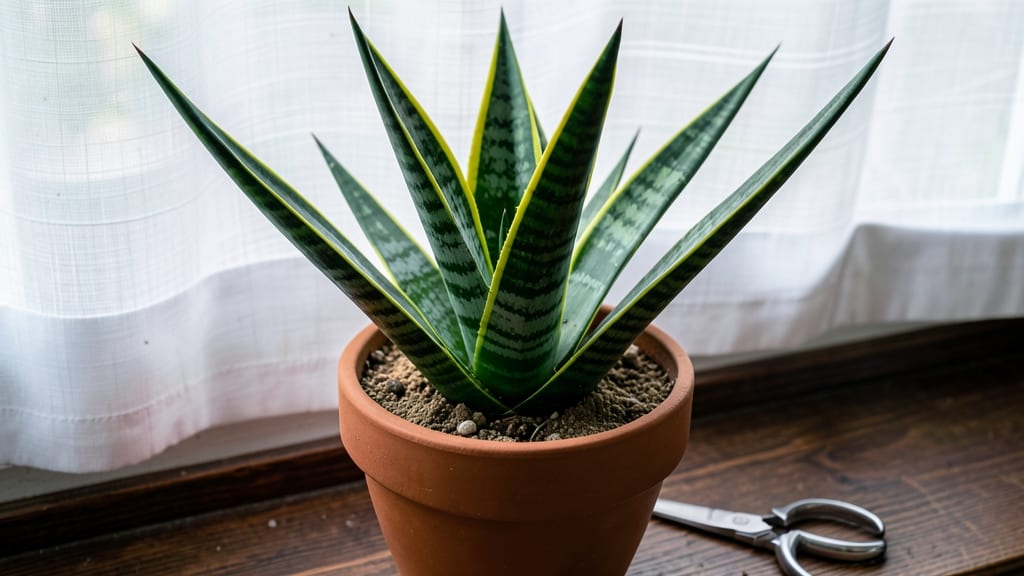
Your Mother-in-Law's Tongue just sent up a flower stalk—rare and magical. 🌱 This drought-proof stunner blooms only when conditions are just right, and I’ve learned the secrets to coaxing those delicate white flowers year after year.
Most people overwater this plant, turning its roots to mush, but the key is dry soil between waterings. It thrives in bright, indirect light and tolerates neglect like no other—perfect for busy gardeners or forgetful plant parents. That first bloom stalk is your reward for patience, not perfection.
Once it flowers, expect a 6-8 week show of fragrant, star-shaped blooms that attract moths at night. The plant itself stays lush and upright, with those iconic sword-like leaves that clean the air better than any air purifier.
Here’s the catch: blooming requires mature plants (3+ years old) and cooler nights. Skip the fertilizer—this plant doesn’t need it—and watch it reward you with flowers instead of just leaves.
📚 In This Guide
- What you need
- Instructions
- Tips and common mistakes
- Wrapping up and next steps
What you need
- ● Mother-in-Law Tongue Plant: 1 healthy Sansevieria trifasciata (var. Laurentii, Hahnii, or Moonshine work great!)
- ● Pot: 1 drainage-friendly container (terracotta or ceramic) with holes—at least 2-3 inches wider than the plant’s root ball.
- ● Well-Draining Soil: 1 bag of cactus/succulent mix (or DIY: 50% potting soil + 50% perlite/pumice).
- ○ Gravel or Pebbles: Small stones (optional but helpful for drainage at the pot’s bottom).
- ○ Gloves (optional): For handling sharp leaves.
- ● Watering Can: With a narrow spout for precision.
- ○ Fertilizer (optional): 1 diluted dose of balanced liquid fertilizer (10-10-10) or succulent-specific food.
- ● Bright, Indirect Light: A sunny windowsill or grow light (6+ hours/day).
Step-by-Step guide for growing vibrant mother-in-law tongue plants
Here's how to coax those bold, velvety blooms from a plant that practically grows itself.
🌱 Step 1: Select the Perfect Spot for Your Plant
Mother-in-law tongue thrives in full sun to partial shade, making it ideal for both sunny patios and dappled garden beds. I always choose locations with at least 6 hours of direct sunlight daily—this ensures those signature blooms stay vibrant. If your space only offers morning sun, that works too, but you'll get fewer flowers than in full sun.
The key is well-draining soil—this plant despises soggy roots. Amend heavy soil with a 20% perlite or coarse sand mix to improve drainage. Test your spot by digging a 6-inch hole; if water pools at the bottom after 30 minutes, choose a different location. Once you find the right spot, your mother-in-law tongue will reward you with minimal effort.
🪴 Step 2: Plant with Proper Spacing and Initial Care
Space plants 18-24 inches apart to allow air circulation and prevent fungal issues. Dig a hole twice as wide as the root ball but no deeper—planting too deep can suffocate the roots. Gently remove the plant from its container, loosen any circling roots with your fingers, and place it in the hole so the top of the root ball sits just below soil level.
Backfill with native soil mixed with a slow-release fertilizer (I use a 10-10-10 blend at planting time). Water deeply until moisture reaches 6 inches down, then let the soil dry completely before watering again. This initial deep watering encourages strong root development without creating waterlogged conditions. Watch for the first signs of new growth—those deep green leaves emerging within 2-3 weeks tell you everything's on track.
☀️ Step 3: Master the Watering Routine for Neglect-Proof Growth
Mother-in-law tongue's drought tolerance is legendary, but that doesn't mean you should ignore it completely. Water when the top 2 inches of soil feel dry to the touch, which for me usually means every 7-10 days in summer. During extreme heat, you might water weekly, but never let the soil stay soggy—this plant's roots rot faster than they recover.
Water at the base in the morning to minimize evaporation and fungal risks. I avoid overhead watering entirely—it can stain those beautiful leaves and promote diseases. Once established, your plant will send up thick, fleshy stems and develop a woody base, both signs it's thriving on minimal care. The real test comes when you forget to water for two weeks—if it's still standing tall, you've got it right.
✂️ Step 4: Prune for Health and Encourage More Blooms
Pruning isn't just about looks—it's about keeping your mother-in-law tongue productive. After the first flush of blooms fades, cut back the spent flower stalks to just above a set of healthy leaves using clean, sharp pruners. This encourages the plant to produce more blooms rather than putting energy into seed development. I always prune in the morning when the plant is fully hydrated—this reduces stress and prevents sap bleeding.
In late winter or early spring, give your plant a light haircut by trimming back any leggy growth by about one-third. This stimulates fresh, bushier growth and prevents the plant from becoming top-heavy. The new growth will be more compact and produce even more vibrant blooms. Watch for new leaf pairs emerging within 2-3 weeks—that's your signal the pruning worked.
🌿 Step 5: Protect and Maintain Through Seasonal Changes
As summer heat intensifies, provide afternoon shade if your plant shows signs of stress—wilting leaves or yellowing edges are your warning. Mother-in-law tongue handles heat better than most, but even tough plants have limits. Mulch with 2-3 inches of organic mulch to retain moisture and regulate soil temperature. I use shredded bark because it breaks down slowly and improves soil structure over time.
In fall, reduce watering gradually as temperatures drop. The plant will naturally slow its growth, and you'll see leaves develop a reddish tint as they prepare for dormancy. While mother-in-law tongue isn't cold-hardy in most climates, it often survives mild winters with just a light frost cloth for protection. In colder zones, treat it as an annual or bring it indoors before the first frost—it'll bounce back beautifully in spring with proper care.
Tips & tricks for perfect mother-in-law tongue blooms
These simple secrets will help you coax even more vibrant blooms from your low-maintenance plant.
Sunlight Strategy: The 6 hours of direct sunlight in Step 1 is non-negotiable for those signature velvety blooms. If your space only offers morning sun, supplement with a grow light for 2-3 hours in the afternoon—this makes a surprising difference in flower production. I've seen plants in east-facing windows thrive with this extra light boost, producing nearly as many blooms as their full-sun counterparts.
Soil Test Hack: When testing your spot's drainage by digging that 6-inch hole, add a handful of the native soil to a glass of water. If it doesn't settle within 5 minutes, you've got heavy clay that needs amending. For the 20% perlite mix, I recommend using horticultural-grade perlite—not the cheap stuff—because it breaks down more slowly and maintains better structure over time. This simple test saves you from waterlogged roots later.
Watering Wisdom: The 7-10 day watering interval in summer might seem generous, but it's crucial for developing that drought-resistant woody base. I've found that watering at the same time each morning creates a rhythm—your plant will actually start looking forward to it! For containers, you might need to water every 5-7 days since they dry out faster. The key is that thick, fleshy stems you'll develop indicate you're watering just right.
Pruning Precision: When cutting back spent blooms in Step 4, look for the first set of healthy leaves below the flower stalk—this is your pruning target. I use sterilized pruners dipped in rubbing alcohol between cuts to prevent spreading any potential diseases. For the late winter haircut, focus on removing the oldest, leggiest growth first. This encourages new growth from the base where blooms originate, rather than from the tips where flowers rarely form.
Pro Tips for Blooming Mother In Law Tongue
- These simple secrets will help you coax even more vibrant blooms from your low-maintenance plant.
- Sunlight Strategy: The 6 hours of direct sunlight in Step 1 is non-negotiable for those signature velvety blooms.
- Soil Test Hack: When testing your spot's drainage by digging that 6-inch hole, add a handful of the native soil to a glass of water.
Frequently asked questions
Got questions about growing Sansevieria trifasciata, aka mother-in-law’s tongue? You’re not alone!
This hardy plant is famous for its resilience, but even pros have curiosities. Here are answers to the most common queries—so you can keep your drought-proof stunner thriving with minimal fuss.
How often should I water my blooming mother-in-law tongue?
Water your Sansevieria only when the top 2-3 inches of soil are completely dry—typically every 2-4 weeks, depending on your climate. Overwatering is the #1 killer! Let the soil dry out thoroughly between waterings, and reduce frequency in winter when growth slows. Pro tip: Stick your finger in the soil—if it’s damp, wait!
Why isn’t my mother-in-law tongue blooming? Is it normal?
Most Sansevieria trifasciata varieties (like ‘Laurentii’ or ‘Futura Superba’) rarely bloom indoors—they’re prized for their foliage, not flowers! If yours does bloom, it’s a sign of maturity (5+ years old) and ideal conditions. Outdoors in warm climates, they may produce fragrant, white blooms on tall stalks, but patience is key. Focus on light and soil health to keep those striking leaves happy!
Can I propagate my mother-in-law tongue easily? What’s the best method?
The easiest way is leaf cuttings: Snip a healthy leaf into 4-inch sections, let the ends callus for 1-2 days, then plant in well-draining soil. Roots will sprout in 4-6 weeks. For faster results, try division—gently separate offsets (pups) from the mother plant and repot them. Just avoid overwatering the new cuttings!
Are mother-in-law tongues toxic to pets? What should I do if my cat/dog nibbles?
Yes, Sansevieria contains saponins, which can cause mild stomach upset (drooling, vomiting) if ingested. If your pet takes a bite, monitor them closely and call your vet if symptoms persist. To pet-proof your plant, place it in a high, secure spot or opt for pet-safe alternatives like Spider Plants or Boston Ferns.
What’s the ideal temperature range for this plant?
Mother-in-law’s tongue thrives in 60–85°F and tolerates brief dips to 50°F—perfect for most homes! Avoid cold drafts (like AC vents) or extreme heat (above 90°F), which can stress the plant. It’s also drought-tolerant, making it ideal for forgetful plant parents. Just keep it away from freezing windows in winter!
Bonus Tip: Troubleshooting Yellow Leaves
Overwatering
is the usual culprit for yellowing leaves. Let soil dry out completely, and ensure the pot has drainage holes. If the yellowing is only at the tips, it’s likely fluoride buildup from tap water—switch to filtered or distilled water. Brown patches? It might be sunburn—move to indirect light!
Wrapping up and next steps
The Mother-in-Law Tongue (Sansevieria) is a true champion of low-maintenance plants—perfect for busy gardeners or those who love a hands-off green thumb. Its drought tolerance, air-purifying superpowers, and striking foliage make it a must-have for any home or office.
Whether you're a seasoned plant parent or just starting your green journey, this plant proves that neglect can actually be a recipe for success!
Ready to level up your plant collection? Grab a pot, pick your favorite variety, and let this resilient beauty thrive with minimal fuss. 🌱 Your future self (and your air quality) will thank you!