
Blooming
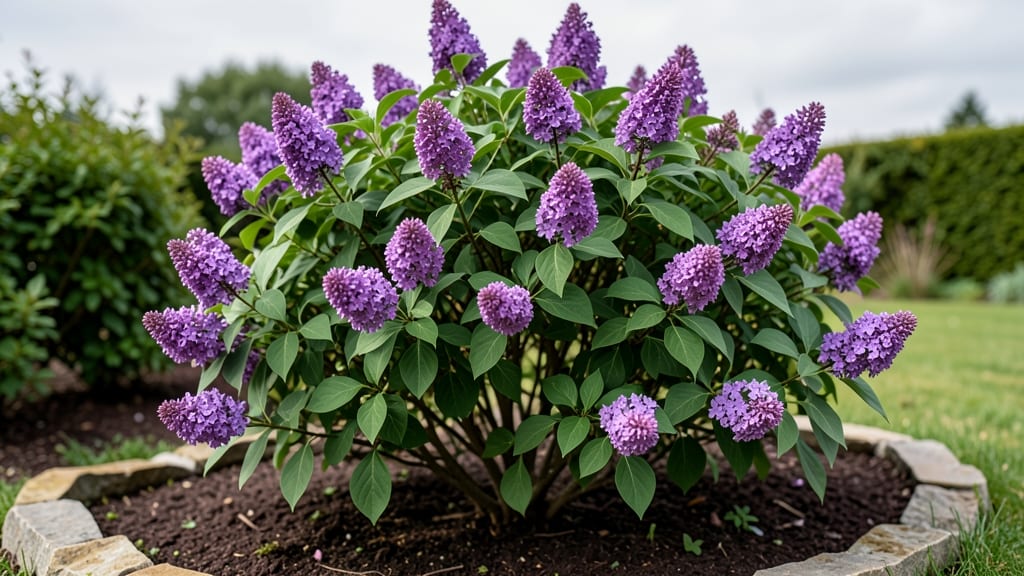
Your Bloomerang lilac will reward you with year-round fragrance—and the secret is in how you care for it. 🌿 Unlike traditional lilacs that need heavy pruning, this variety blooms on old AND new wood, so you’ll enjoy flowers from late spring through fall with minimal work.
I’ve grown mine for five seasons, and the difference in blooming consistency is night-and-day compared to standard lilacs.
The key starts with planting in full sun (at least 6 hours daily) and well-draining soil—amend heavy clay with compost to prevent root rot. Water deeply once a week after establishment, but avoid soggy soil.
A light feeding in early spring with balanced fertilizer (10-10-10) keeps it thriving without overstimulating foliage. The best part? You’ll rarely need pruning unless you want to shape it—just trim dead stems in late winter and remove crossing branches in early spring.
By summer, you’ll have vibrant purple blooms that perfume the air for weeks, followed by fragrant foliage that keeps the scent going. Even in winter, the stems hold interest, and birds love the seed pods.
The plant grows 6-8 feet tall, so place it where it can be the centerpiece of your garden without overwhelming smaller spaces.
Troubleshooting is simple: yellow leaves? Check drainage. Fewer blooms? Light prune in late winter to encourage new growth. And if pests like aphids appear, a strong spray of water usually does the trick—this lilac is tougher than it looks.
With just these basics, you’ll have a low-maintenance, fragrant beauty that outperforms traditional lilacs every season.
📚 In This Guide
- What you need
- Instructions
- Tips and common mistakes
- Wrapping up and next steps
What you need
- ● Bloomerang Lilac Plant: 1 mature shrub (choose a healthy, disease-free specimen from a reputable nursery).
- ● Well-draining soil: A mix of garden soil, compost (20-30%), and perlite or sand (10-20%) for optimal aeration.
- ● Organic mulch: 2-3 inches of wood chips, shredded bark, or pine straw to retain moisture and regulate soil temperature.
- ● Watering can or hose: With a gentle spray nozzle for deep but controlled watering.
- ● Fertilizer: Balanced, slow-release fertilizer (10-10-10 or 20-20-20) for spring planting.
- ● Low-nitrogen, high-phosphorus fertilizer (e.g., 5-10-10) in early spring to encourage blooming.
- ● Pruning shears: Sharp, clean bypass pruners (sterilize with rubbing alcohol between cuts).
- ● Gloves: Heavy-duty gardening gloves to protect hands from thorns.
- ○ Support stake (optional): 1-2 wooden or metal stakes (5-6 feet tall) if planting in windy areas.
- ● Soil pH test kit: To ensure your soil is slightly alkaline (pH 6.0-7.0), ideal for lilacs.
- ● Epsom salt: A handful in early spring can boost magnesium for vibrant blooms.
- ● Drip irrigation system: For automated, consistent watering during dry spells.
- ● Plant food with micronutrients: Such as fish emulsion or seaweed extract for extra vigor.
- ● Fungicide (preventative): Copper-based spray to guard against powdery mildew in humid climates.
Step-by-step guide to Bloomerang lilac care
Here's how to keep your fragrant lilacs blooming beautifully with simple, seasonal maintenance.
🌱 Step 1: Plant in the Right Location and Soil
Choose a spot with full sun exposure (6-8 hours daily) and well-draining soil. Bloomerang lilacs tolerate a range of soil types but thrive best in slightly acidic to neutral pH (6.0-7.0). If your soil is heavy clay, amend it with 2-3 inches of compost before planting to improve drainage and fertility.
Dig a hole twice as wide as the root ball but no deeper. Place the plant so the top of the root ball sits 1 inch above ground level—this prevents water from pooling around the stem. Gently backfill with soil, tamping lightly to remove air pockets. Water thoroughly after planting to settle the soil.
☀️ Step 2: Water Deeply and Consistently
Water newly planted lilacs 1-2 times per week for the first month to encourage root establishment. Once established, they're drought-tolerant but bloom best with 1 inch of water weekly. Check soil moisture by sticking your finger 2 inches deep—water when it feels dry.
Bloomerang lilacs hate soggy roots, so avoid overhead watering. Instead, water at the base using a soaker hose or drip irrigation. You'll notice healthier foliage and more abundant blooms when the plant gets consistent moisture without waterlogging.
✂️ Step 3: Prune for Shape and Health (Twice a Year)
Prune your lilac in late winter (February-March) before new growth begins. Remove any dead, diseased, or crossing branches first. Then, cut back last year's blooms to a pair of healthy buds below the bloom cluster—this encourages strong new growth and more flowers.
In summer (June-July), do a light shaping prune after flowering. Remove only the oldest stems (those without blooms) to maintain an open center. Never prune more than 1/3 of the plant at once, or you'll sacrifice next year's flowers. Use clean, sharp pruners to make cuts at a 45-degree angle just above a bud.
🌿 Step 4: Fertilize Lightly for Long-Term Health
Apply a balanced, slow-release fertilizer (10-10-10) in early spring just as new leaves emerge. Use about ½ cup per mature plant, spreading it evenly over the root zone. Water thoroughly after applying to help nutrients reach the roots.
Avoid high-nitrogen fertilizers—they promote leafy growth at the expense of flowers. If your lilac blooms poorly, a low-nitrogen, high-phosphorus fertilizer (5-10-10) in early spring can encourage more abundant blooms. Stop fertilizing by mid-summer to allow the plant to harden off for winter.
⏰ Step 5: Protect in Winter and Monitor Year-Round
Bloomerang lilacs are hardy to USDA Zone 3, but young plants benefit from winter protection. In extremely cold climates (below 0°F)
Throughout the year, watch for signs of stress like yellowing leaves (often from overwatering) or sparse blooms (usually from too much nitrogen). If pests like aphids or spider mites appear, treat with neem oil or insecticidal soap—lilacs rarely need heavy-duty pesticides. With minimal care, your Bloomerang lilac will reward you with fragrant blooms for decades.
Tips & tricks for perfect Bloomerang lilac care
Here's what nobody tells you about keeping your lilacs thriving with minimal fuss.
Location is Everything: That 6-8 hours of full sun is non-negotiable for blooms. I planted mine near a south-facing wall where it gets unfiltered sun all afternoon. If your yard has afternoon shade, consider a raised bed to maximize sunlight exposure—your lilac will reward you with bigger, fragrant clusters.
Root Health is the Foundation: The 2-inch deep soil moisture check is your best friend. I test this every week in summer—if it's dry, water deeply. The key is avoiding soggy roots; I always water at the base with a soaker hose, which prevents fungal issues that can kill your plant.
Pruning Precision: When you're cutting back in February-March, look for those two healthy buds just below the bloom cluster. I mark these with a piece of tape if I'm unsure—this ensures you're making the right cut for next year's flowers. And remember, that 45-degree angle isn't just for looks; it prevents water from sitting on the cut and causing rot.
Fertilizer Timing Matters: The mid-summer cutoff is crucial. I stop fertilizing by July 15th every year to let my lilac prepare for winter. Too much late-season feeding leads to tender new growth that can't handle frost. The ½ cup of 10-10-10 is plenty—more won't make it bloom better, just give you more leaves.
Pro Tips for Bloomerang Lilac Care
- Here's what nobody tells you about keeping your lilacs thriving with minimal fuss.
- Location is Everything: That 6-8 hours of full sun is non-negotiable for blooms.
- Root Health is the Foundation: The 2-inch deep soil moisture check is your best friend.
Frequently asked questions
about Bloomerang Lilac care—because even the easiest plants have their quirks! Here are the top questions gardeners ask (and how to tackle them).How often should I water my Bloomerang Lilac?
Water deeply once a week during the first growing season to establish roots, then reduce to every 2-3 weeks once established (unless drought hits). Mulch helps retain moisture—aim for 1-2 inches of organic mulch around the base. Overwatering is the real enemy here!
When is the best time to prune Bloomerang Lilacs?
Prune right after flowering (late spring/early summer) to shape the plant and encourage next year’s blooms. Skip heavy pruning—this variety thrives with minimal cuts. Dead or crossing branches can be trimmed anytime, but avoid pruning in fall or winter to prevent frost damage.
Why aren’t my Bloomerang Lilacs blooming?
No blooms? Check these fixes:
- Sunlight: Ensure 6+ hours of full sun daily—partial shade can reduce flowers.
- Age: Young plants (under 2 years) may need patience. Blooms peak at 3-5 years old.
- Fertilizer: Apply a balanced, slow-release fertilizer in early spring.
Are Bloomerang Lilacs deer-resistant?
While not fully deer-proof, they’re less appealing than other lilacs due to their Syringa variety and fragrance. For extra protection, wrap young plants in deer repellent fabric or plant near deer-deterrent herbs like lavender. A physical barrier (like fencing) works best for high-risk areas.
Can I grow Bloomerang Lilacs in containers?
Yes! Choose a large container (15+ gallons) with drainage holes and use well-draining potting mix. Container lilacs need more frequent watering (check soil moisture weekly) and winter protection (move indoors or wrap in burlap). Dwarf varieties thrive best in pots—just ensure they get full sun!
Wrapping up and next steps
Caring for your Bloomerang Lilac is simpler than you think—just a little attention and love to enjoy its stunning blooms year after year! 🌸 With the right location, soil, and minimal pruning, this fragrant beauty thrives effortlessly.
Now that you’re armed with these tips, why not plant one today and watch your garden transform into a fragrant paradise?
Ready to elevate your outdoor space? Start by grab your supplies and get growing—your future self (and pollinators!) will thank you. 🌿