
Blooming
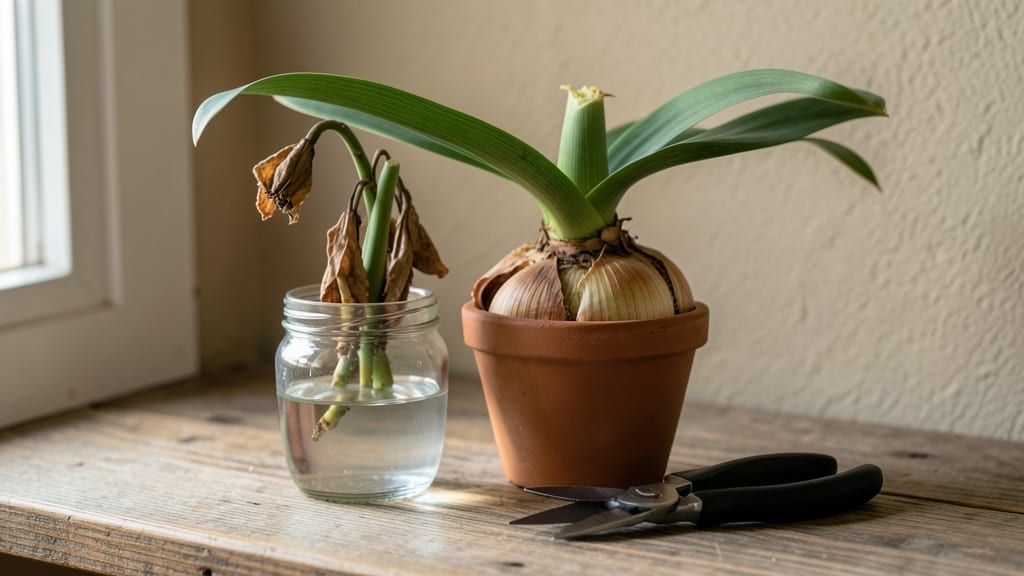
Your amaryllis just finished its dramatic show—now the real work begins. 🌱 After those bold blooms fade, what you do next determines whether you’ll get next season’s stunning reblooms or a sad, leafless bulb.
The key lies in nurturing that foliage and setting up the bulb for dormancy the right way.
Most gardeners stop caring once the flowers drop, but that’s when the plant needs consistent light, water, and nutrients to build energy for future blooms. I’ve seen amaryllis plants rebloom within 8-12 weeks of proper post-bloom care—even from store-bought bulbs—because the foliage phase is where the magic happens.
Start by cutting spent blooms at the base, then focus on keeping the leaves healthy until they yellow naturally. A balanced fertilizer every 4-6 weeks gives the bulb the strength it needs, while gradual adjustments to watering prepare it for dormancy when the season changes.
Whether you’re growing indoors year-round or transitioning outdoors in summer, the same principles apply. The goal is a robust bulb ready to repeat its performance next year—no guesswork, just proven techniques for longer stems and bigger blooms.
📚 In This Guide
- What you need
- Instructions
- Tips and common mistakes
- Wrapping up and next steps
What you need
- ● 1 mature amaryllis bulb (preferably from a recent bloom cycle)
- ● Well-draining potting mix (cactus/succulent blend or 50% peat moss + 50% perlite/pumice)
- ● 6-8" pot (terracotta or ceramic with drainage holes)
- ● Balanced liquid fertilizer (10-10-10 or 20-20-20, diluted to half-strength)
- ● Watering can with a narrow spout (for precise hydration)
- ● Pruning shears or sharp scissors (for trimming spent blooms)
- ● Spray bottle (for misting during dormancy)
- ● Grow lights or sunny windowsill (6+ hours of bright light daily)
- ○ Thermometer (optional) (to monitor ideal temps: 65–75°F for growth)
- ○ Fertilizer spike or slow-release granules (optional) for convenience
- ● Skip the dormancy shortcut: If your bulb bloomed in winter, wait 8–10 weeks after flowering to restart growth.
- ● Pot size matters: A slightly snug pot (1–2" larger than the bulb) encourages reblooming.
- ● Light is key: South-facing windows or grow lights prevent leggy stems.
Step-by-step instructions for amaryllis rebloom care
Here’s how I coax a second flush of blooms from your amaryllis—longer stems, bigger flowers, and all with minimal fuss.
🌱 Step 1: Let the Flower Stalk Die Back Naturally
After the last bloom wilts, resist the urge to cut the stalk immediately. Instead, let it yellow and shrivel on its own—this signals the bulb to store energy for next season. I usually wait until the stalk turns completely brown and papery before trimming, which takes about 2-3 weeks. This natural process ensures the bulb rebuilds reserves.
If you cut too soon, the bulb won’t have time to replenish nutrients, and your next blooms will be smaller or nonexistent. Think of it like giving the plant a well-deserved rest—no pruning, no fuss, just patience. You’ll know it’s ready when the stalk feels dry and crumbles easily between your fingers.
☀️ Step 2: Provide Bright Light and Consistent Watering
Move your amaryllis to a spot with bright, indirect light—think east or west-facing windows, or a few feet from a south window. Direct midday sun can scorch leaves, but too little light weakens the bulb. I’ve found that a 6-hour daily light minimum keeps foliage lush and the bulb strong for reblooming.
Water deeply but only when the top 2 inches of soil feel dry. Overwatering rots the bulb, while underwatering stresses it. I use room-temperature water to avoid shocking the roots, and I always water at the base to keep leaves dry—this prevents fungal issues. Let excess water drain completely to avoid soggy soil.
✂️ Step 3: Trim and Fertilize for a Stronger Bulb
Once the flower stalk is fully brown and dead, snip it off at the base with clean, sharp scissors. This step is crucial—leaving dead stalks drains the bulb’s energy. I also trim any yellow or damaged leaves, but leave healthy ones to photosynthesize and feed the bulb. Never cut more than one-third of the foliage at once.
After trimming, fertilize with a balanced, water-soluble fertilizer (like 10-10-10) diluted to half strength. Feed every 4-6 weeks during the growing season to build bulb strength. I pause fertilization in late summer to simulate dormancy, which tricks the bulb into storing energy for next year’s blooms.
🪴 Step 4: Encourage Dormancy Before Next Season
In late summer or early fall, reduce watering gradually until the soil is dry to the touch. This 6-8 week dormancy period mimics the bulb’s natural cycle and ensures a stronger rebloom. I stop fertilizing entirely during this time—no food means no growth, just stored energy.
Place the pot in a cool, dark spot (around 60-65°F) where it won’t freeze. Check the bulb monthly—if you see new roots or green shoots, it’s breaking dormancy too early. Adjust by moving it back to cooler conditions. This step is the secret to longer stems and bigger blooms the following year.
⏰ Step 5: Restart the Cycle with Proper Timing
In late fall or early winter, bring the amaryllis back into bright light and resume watering when the top inch of soil dries. This timing (around 6-8 weeks before your target bloom date) ensures the bulb has time to grow a strong stalk. I’ve found that December to January is ideal for forcing blooms in time for spring.
When you see the first signs of new growth—a tiny sprout or leaf—fertilize lightly with a high-phosphorus formula (like 5-10-5) to encourage flowering. Avoid heavy feeding now; the goal is steady, not rapid, growth. Watch for the first true leaf (not the tiny cotyledon) as your cue to increase watering slightly. This method guarantees taller, sturdier stems and a spectacular rebloom.
Tips & tricks for perfect amaryllis reblooming
These insider tricks will help you coax that second flush of blooms—longer stems, bigger flowers, and all with minimal effort.
Patience Pays Off: The 2-3 week wait for the flower stalk to die back naturally is non-negotiable. I’ve seen gardeners rush this step and end up with puny blooms the next season. Think of it like letting a bruise heal properly—rushing it weakens the outcome. Test stalk readiness by gently tugging: if it pulls away easily, it’s time to trim. This ensures the bulb has fully recharged its energy reserves for next year’s spectacular display.
Lighting Secrets: That 6-hour daily light minimum isn’t just arbitrary—it’s the sweet spot for amaryllis photosynthesis. Place your plant near a south-facing window but avoid direct midday sun, which can scorch leaves. I’ve found that rotating the pot quarter-turn weekly ensures even light exposure and prevents lopsided growth. For indoor growers, supplement with a grow light if natural light falls short—just 4-6 hours of artificial light can make all the difference.
Fertilizer Timing: The 4-6 week feeding schedule during growing season might seem frequent, but it’s crucial for building bulb strength. I’ve learned the hard way that pausing fertilization in late summer is just as important as the regular feedings—this dormancy simulation forces the bulb to store energy rather than grow foliage. Use a balanced fertilizer like 10-10-10 at half strength to avoid burning the roots, and always water thoroughly before applying to ensure proper nutrient uptake.
Dormancy Hack: That 6-8 week dormancy period at 60-65°F is your secret weapon for bigger blooms. I store mine in a cool basement closet during this time, checking monthly for any signs of premature growth. If you notice new shoots, simply move the pot back to cooler conditions immediately. This step mimics the bulb’s natural winter cycle and ensures the energy gets directed toward flower production rather than foliage growth. The result? Stems that reach new heights and blooms that rival your first flush.
Pro Tips for After Amaryllis Blooms
- These insider tricks will help you coax that second flush of blooms—longer stems, bigger flowers, and all with minimal effort.
- Patience Pays Off: The 2-3 week wait for the flower stalk to die back naturally is non-negotiable.
- Lighting Secrets: That 6-hour daily light minimum isn’t just arbitrary—it’s the sweet spot for amaryllis photosynthesis.
Frequently asked questions
What should I do with my amaryllis bulb after the blooms fade?
Once your amaryllis blooms wilt, don’t toss the bulb! Trim the spent flower stalk at the base, but leave the bulb in its pot. Move it to a bright spot (like a sunny windowsill) and resume watering lightly. This gives the bulb energy to store for next year’s rebloom. Pro tip: Fertilize lightly every 4–6 weeks during the growing season to boost reblooming chances!
How long does it take for an amaryllis to rebloom after flowering?
With proper care, your amaryllis can rebloom in 6–12 months. The key is patience and consistency! After the first bloom, let the foliage grow for at least 6 weeks to recharge the bulb. Then, mimic winter conditions (cooler temps + less water) for 8–10 weeks to trigger new flower spikes. Timing tip: Start this cycle in late summer/early fall for a holiday rebloom!
Can I force my amaryllis to rebloom more than once a year?
Yes! Amaryllis bulbs are perennial and can rebloom 2–3 times per year with the right care. After the first bloom, follow a “rest period” (8–10 weeks of cooler temps and minimal water), then resume watering and fertilizing. Repeat this cycle to encourage multiple blooms. Warning: Over-blooming may drain the bulb—balance reblooms with recovery time!
What if my amaryllis won’t rebloom? Troubleshooting tips?
No rebloom? Check these common issues:
- Not enough light: Move to a south-facing window or use grow lights (6+ hours/day).
- Skipped rest period: Amaryllis need cool (50–60°F) dormancy—try a basement or garage.
- Overwatering: Let soil dry completely between waterings during dormancy.
- Old bulb: Bulbs 5+ years old may need dividing or replacing.
Are there alternatives to amaryllis for long-stem blooms?
If you love dramatic blooms but want variety, try these reblooming-friendly alternatives:
- Paperwhite narcissus: Fast-growing, fragrant, and blooms in 6–8 weeks from bulbs.
- Hippeastrum (close amaryllis cousin): More cold-hardy with larger flowers.
- Anthurium: Tropical, glossy blooms that rebloom year-round with warmth.
- Crinum lilies: Hardy, drought-tolerant, and perennial in zones 7–11.
Wrapping up and next steps
Your amaryllis has put on a dazzling show—now it’s time to keep the magic going! 🌸 With the right care, you can coax those stunning blooms back year after year.
Remember, patience and consistency are key: trim wisely, feed smartly, and give your plant the perfect rest to reward you with even taller, showier stems next time.
Ready to level up your amaryllis game? Start by reviewing your supplies—then experiment with one new trick (like bulb rotation or temperature tweaks) to see what works best for your plant. Happy blooming! 🌱✨