
Blooming
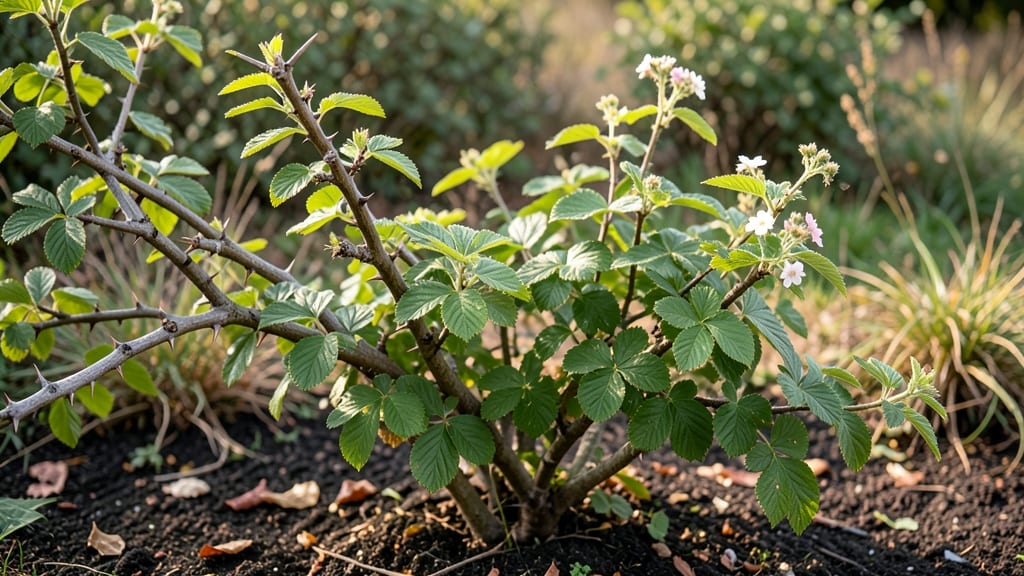
Blackberry bushes blooming means three seasons of fruit if you time pruning and care right. 🌿 I’ve watched my own canes go from bare stems to heavy with berries by following a simple rhythm—one that works even in cooler climates where summer heat is short-lived.
The key is understanding their growth cycle: primocanes (this year’s canes) bloom next year, while floricanes (last year’s canes) produce fruit now. Prune old canes in early spring, leaving 6–8 new shoots per plant.
In zones 5–7, this means June’s harvest comes from last year’s growth, while September’s comes from the new canes you spared.
With consistent watering and a light mulch, you’ll see more blooms each year—and fewer thorns. The berries won’t just ripen earlier; they’ll stay sweeter longer. Even in humid summers, proper spacing and airflow prevent mildew, keeping those clusters plump and ready to pick.
Works for thornless varieties too, and adapts to containers if space is tight. The secret isn’t fancy—it’s patience and knowing which canes to keep. Let’s get those bushes producing.
📚 In This Guide
- What you need
- Instructions
- Tips and common mistakes
- Wrapping up and next steps
What you need
- ● Blackberry plants: 10–20 thornless or semi-thornless blackberry bushes (depending on space)
- ● Choose floricane (summer-bearing) or primocane (fall-bearing) varieties for year-round harvests.
- ● Soil amendments: 5 lbs compost or well-rotted manure per bush
- ● 1 cup balanced fertilizer (10-10-10) or organic options like bone meal
- ● 1 tbsp Epsom salt (for magnesium boost)
- ● Pruning tools: 1 pair bypass pruners (sharp, clean)
- ● 1 loppers (for thicker canes)
- ● 1 pruning saw (for stubborn branches)
- ● Mulch: 2–3 inches of wood chips or straw mulch (to retain moisture)
- ● Support system: T-posts or trellis wire (for training vines)
- ○ Optional: blackberry arches or strong fencing (for heavy canes)
- ● Drip irrigation system or soaker hoses (for consistent watering)
- ● Plant ties (to secure canes to supports)
- ● Bird netting (to protect ripe berries from wildlife)
- ● pH test kit (to check soil acidity, ideal: 5.5–6.5)
- ● Organic pest control (neem oil or beneficial nematodes)
Step-by-step instructions for encouraging blackberry bushes to bloom
Here's how I coax blackberry bushes into consistent, abundant blooming—no complicated pruning required.
☀️ Step 1: Choose the Right Location for Maximum Sunlight
Blackberries thrive in full sun, so pick a spot that gets at least 6-8 hours of direct sunlight daily. I always check the sunniest part of my yard first—blackberries will reward you with bigger canes and more berries when they get enough light. If your yard has partial shade, position the bush where it gets morning sun and afternoon shade to prevent leaf scorch.
Watch for nearby trees or structures that might cast shadows. Even a few hours of shade can reduce flowering. You'll know you've got it right when the canes grow thick and upright, not leggy or stretched toward the light.
💧 Step 2: Water Deeply and Consistently During Critical Growth Stages
Water your blackberry bushes 1-2 inches per week, especially during the first year and when they're flowering or fruiting. I water deeply in the morning so the soil has time to dry slightly before evening. Blackberries hate soggy roots, but they also can't tolerate drought stress—this is when they skip blooming.
Check soil moisture by sticking your finger 2 inches deep. If it feels dry, it's time to water. You'll see the difference in the canes: healthy bushes have glossy leaves and sturdy stems, while thirsty ones develop yellow leaves and sparse growth.
🌱 Step 3: Feed with Balanced Fertilizer in Early Spring
In early spring, before new growth starts, spread a 10-10-10 or 5-10-10 fertilizer around the base of the bush. I use about ½ cup per year-old plant, increasing to 1 cup for mature bushes. Work it into the top 2-3 inches of soil to avoid burning roots. Blackberries don't need heavy feeding, but they do respond well to a steady supply of nutrients.
After fertilizing, water deeply to help the nutrients soak into the soil. You'll notice new shoots emerging within a few weeks—this is your sign that the bush is getting the energy it needs to produce flowers. Avoid high-nitrogen fertilizers, which encourage leafy growth at the expense of blooms.
✂️ Step 4: Prune Strategically to Encourage Flowering Canes
Blackberries bloom on second-year canes, so the key is to maintain a mix of old and new growth. In late winter or early spring, cut out any dead, diseased, or weak canes completely. Then, thin the remaining canes to about 6-8 strong canes per bush. I always leave the thickest, healthiest canes—they're the ones that will produce the most flowers.
Never prune more than ⅓ of the bush at a time. You'll see new growth starting at the base of the canes within a few weeks. These new canes will be next year's flowering stems, so handle them carefully. Avoid heavy pruning in fall, as it can stimulate tender growth that won't survive winter.
🌿 Step 5: Protect Flowers from Late Freezes and Pests
Blackberry flowers are sensitive to late spring frosts. If a freeze is forecasted, cover the bush with a lightweight frost cloth in the evening and remove it when temperatures rise. I also use row covers if I'm expecting a hard freeze—this simple step can save your entire crop.
Watch for Japanese beetles and spider mites, which can defoliate bushes and reduce flowering. I spray with neem oil or insecticidal soap at the first sign of pests. Healthy foliage means more energy for blooming, so keeping pests in check is half the battle.
Tips & tricks for year-round blackberry blooms
These simple strategies will help your blackberry bushes thrive with fewer headaches and more berries.
Sunlight Strategy: If your yard has limited sun, consider using reflective mulch around the base of the plant—it can boost light exposure by up to 20% during those critical 6-8 hours. I've seen dramatic improvements in flowering when I added white gravel mulch, especially in partially shaded areas. The key is positioning the bush where it gets morning sun, as this gives the plant the energy boost it needs to develop strong canes for next year's blooms.
Watering Wisdom: The 1-2 inches per week guideline works best when you water at the base rather than overhead. I use a soaker hose buried a few inches into the soil to deliver water directly to the roots, which prevents fungal diseases that can develop on leaves. Also, always water in the morning—this gives the foliage time to dry before evening, reducing the risk of mildew that can stress the plant and cut back on flowering.
Fertilizer Timing: Don't fertilize after mid-spring—this can stimulate late-season growth that won't harden off before winter. I mark my calendar for early spring fertilization and avoid any additional feeding after June. The ½ cup to 1 cup amounts are perfect because blackberries are light feeders; too much nitrogen will give you lush leaves but few berries. For organic options, composted manure works beautifully and provides slow-release nutrients.
Pruning Precision: When thinning to 6-8 strong canes, look for canes that are at least pencil-thick with smooth bark. The thickest canes are your best bet for heavy fruiting. I always prune on a dry day when the canes aren't brittle—this makes clean cuts that heal faster. And remember, those new shoots you see after pruning? They're your future flowering canes, so give them space to grow strong.
Pro Tips for Blackberry Bushes Blooming
- These simple strategies will help your blackberry bushes thrive with fewer headaches and more berries.
- Sunlight Strategy: If your yard has limited sun, consider using reflective mulch around the base of the plant—it can boost light exposure by up to 20% during those critical 6-8 hours.
- Watering Wisdom: The 1-2 inches per week guideline works best when you water at the base rather than overhead.
Frequently asked questions
When is the best time to prune blackberry bushes for maximum blooms?
Prune your blackberry bushes in late winter or early spring (before new growth starts) to encourage vigorous blooming. For floricanes (second-year canes that produce fruit), cut back old canes after harvest. Primocanes (first-year canes) should be pruned lightly to promote flowering. Avoid heavy pruning in fall—it can stress the plant!
How long does it take for blackberry bushes to bloom after planting?
Patience is key! Most blackberry bushes take 1–2 years to bloom and produce fruit after planting. Ever-bearing varieties may bloom sooner (6–12 months), while summer-bearing types take longer. Keep soil moist, fertilize regularly, and protect young plants from harsh weather to speed up the process.
Why aren’t my blackberry bushes blooming this year?
Several factors can stunt blooms: over-pruning, poor sunlight (they need 6+ hours/day), nutrient deficiencies (especially nitrogen or potassium), or extreme weather (frost or heat stress). Check for pests like spider mites or aphids too. Solution: Adjust care, fertilize with a balanced 10-10-10 mix, and mulch to retain moisture.
Can I grow blackberries in containers, or do they need a garden bed?
Yes! Blackberries thrive in large containers (at least 18–24 inches deep) with well-draining soil. Use a mix of compost, perlite, and potting soil, and place them in a sunny spot. Dwarf varieties (like ‘Arapaho’ or ‘Cheyenne’) are ideal for pots. Just ensure the container stays consistently moist and fertilize every 4–6 weeks during growing season.
Do blackberry bushes bloom only once a year, or can they produce flowers year-round?
It depends on the variety! Summer-bearing types bloom once (late spring), while ever-bearing (or fall-bearing) varieties produce two crops per year: one on old canes (summer) and another on new growth (fall). For year-round blooms, plant ever-bearing types like ‘Natchez’ or ‘Ouachita’ and prune strategically to encourage multiple flushes.
Pro Tip: Boost blooms with these tricks!
- Deadhead spent flowers on ever-bearing varieties to redirect energy to new growth.
- Mulch with straw to protect roots in winter and retain moisture.
- Hand-pollinate if bees are scarce—gently shake canes to spread pollen.
Wrapping up and next steps
Watching your blackberry bushes blooming is just the beginning—with the right care, you’ll enjoy a year-round harvest of sweet, juicy berries with minimal effort! 🌿 The key lies in smart pruning, soil prep, and a little patience.
Now that you’re armed with tips and answers to common questions, it’s time to roll up your sleeves and transform your garden into a berry paradise.
Start by marking your calendar for seasonal tasks—like winter pruning or spring mulching—and soon, you’ll be savoring homemade jams, pies, or fresh snacks straight from your thriving bushes. Happy gardening! 🍇