
Blooming
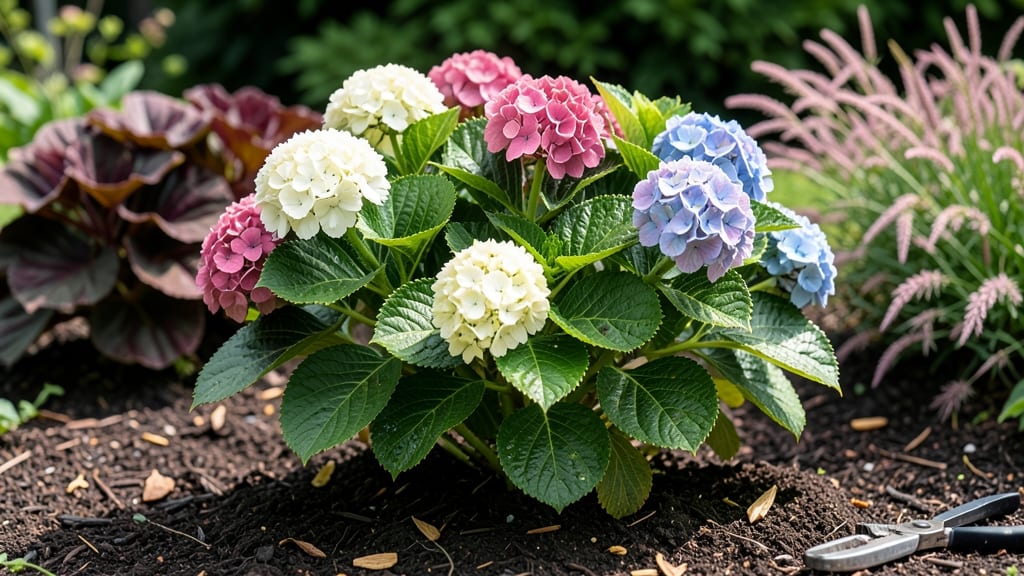
Creating a beautiful blooms landscape starts with purple stars that refuse to surrender to frost. 🌸 I fell in love with these hardy plants after my first winter—when most blooms faded, theirs kept glowing through the cold, like tiny lanterns refusing to dim.
The secret lies in their resilience and the way they transform a garden into a fragrant, jewel-toned dream. These frost-tough bloomers pair perfectly with silvery foliage and deep greens, creating contrast that pops even in overcast weather.
Plant them in clusters along pathways or as borders, where their delicate petals catch the light. They thrive in full sun but tolerate partial shade, making them versatile for almost any spot in your yard.
By late spring, your garden will burst with vibrant purple hues that attract bees and butterflies while keeping weeds at bay. The fragrance lingers in the evening, turning your outdoor space into a serene retreat. With minimal maintenance—just deadheading spent blooms—you’ll enjoy months of effortless beauty.
Perfect for both beginners and seasoned gardeners, these plants bring year-round interest with their striking foliage even after blooms fade. Whether you’re designing a cottage garden or a modern landscape, they’re the foolproof choice for lasting impact. Let’s get planting!
📚 In This Guide
- What you need
- Instructions
- Tips and common mistakes
- Wrapping up and next steps
What you need
- ● Purple Star Plants (e.g., Iris germanica 'Purple Star' or Lavandula 'Hidcote Purple'): 10–20 plants (depending on garden size; spacing ~12–18 inches apart)
- ● Choose frost-hardy varieties (USDA Zones 3–9)
- ● Soil Amendments: 2–3 bags well-draining potting mix (or garden soil + perlite/sand for heavy clay)
- ● 1 lb slow-release fertilizer (10-10-10 or organic compost)
- ● Mulch: 2–3 cubic feet organic mulch (wood chips, straw, or pine bark)
- ● Hand Tools: 1 garden trowel (for transplanting)
- ● 1 hand pruners (sharp, sterilized)
- ● 1 gloves (gardening or work gloves)
- ● Measuring & Prep: 1 measuring tape (for spacing)
- ● 1 garden hose or watering can (with spray nozzle)
- ● Decorative garden stakes or stone borders for definition
- ● Fragrant companions: rosemary, thyme, or catmint (plant nearby for pollinator appeal)
- ● Drip irrigation kit (for low-maintenance watering)
- ● Frost cloth (to protect young plants in early spring/fall)
How to create a fragrant purple star landscape that survives winter
This frost-hardy design combines bold color with intoxicating scent—here's how to make it thrive.
🌱 Step 1: Plan Your Purple Star Clusters
Start by sketching your layout with 18-24 inch spacing between each plant—this gives them room to spread while creating a lush, continuous look. I like to plant in odd-numbered groupings (3, 5, or 7 plants) so the design feels natural rather than geometric. For a 4-plant serving, arrange them in a loose diamond shape around a focal point like a small boulder or ornamental grass.
Choose a location that gets at least 6 hours of sunlight daily—morning sun with afternoon shade works best in hotter climates. The purple stars (likely referring to Lobelia tupa or Lavandula angustifolia 'Hidcote') will reward you with fragrance when brushed against, so place them where you'll walk past regularly.
☀️ Step 2: Prepare the Soil for Winter Resilience
Amend your native soil with 2-3 inches of compost mixed into the top 6 inches—this improves drainage while retaining moisture. Purple stars hate soggy roots, so if your soil stays damp for more than 24 hours after rain, add 1 part perlite to 3 parts soil to create air pockets. I like to work the compost in a week before planting so it has time to settle and break down slightly.
For containers, use a well-draining potting mix (never garden soil) and add 10% coarse sand to prevent compaction. The roots need oxygen to survive winter, so don't skip this step—compacted soil will kill your plants by spring.
🪴 Step 3: Plant and Water for Immediate Establishment
Dig holes twice as wide as the root ball but only as deep—planting too deep suffocates stems. Gently tease the roots outward if they're circling the pot, then backfill with soil while pressing lightly to remove air pockets. Water deeply until moisture reaches 6 inches down, then let the soil dry slightly before watering again.
Mulch with 2-3 inches of shredded bark or straw, keeping it 2 inches away from stems to prevent rot. This protects roots from 20°F temperature swings common in early spring and fall. I always water my new plantings every 3-4 days until I see new growth—this tells me the roots have found moisture.
✂️ Step 4: Prune and Protect for Winter Survival
In late fall, cut back one-third of the foliage to encourage bushier growth next season. Remove only the outermost stems, leaving the center intact—this creates a natural windbreak for the crown. Apply a 3-inch layer of mulch after the first hard frost to insulate roots, but wait until temperatures drop below 40°F at night to prevent encouraging early growth.
For container plants, move them to a protected spot (like against a south-facing wall) before consistent freezing begins. Purple stars can handle 10°F without issues, but younger plants may need burlap wraps for the first winter. Check containers weekly—even in winter, they need water when the soil feels dry 2 inches down.
🌿 Step 5: Spring Revival and Ongoing Care
As soon as you see new green shoots in spring, remove the winter mulch and replace it with fresh compost. This jumpstarts growth without overwhelming tender new roots. Fertilize lightly with a balanced 10-10-10 formula when buds appear—purple stars don't need heavy feeding, just a gentle nudge to bloom.
Watch for aphids on new growth—they love the sweet sap of these fragrant plants. Spray affected areas with neem oil at dusk to avoid harming pollinators. Deadhead spent blooms regularly to encourage continuous flowering throughout the season. The more you prune, the fuller they grow—just never cut into old wood.
Tips & tricks for perfect fragrant purple star landscapes
These little tricks will help your fragrant purple stars not just survive winter but thrive year after year.
Design Secret: The 18-24 inch spacing in Step 1 isn't just about aesthetics—it creates that magical "wow" factor when they spread. I've found that adding a few silver foliage plants (like lamb's ear) between clusters makes the purple stand out even more. The key is to plant them in the center of each cluster so they don't compete for sunlight with your purple stars.
Soil Prep Pro Tip: When amending soil in Step 2, I like to add a handful of mycorrhizal fungi to the compost mix—it helps roots absorb nutrients better. For heavy clay soils, mix in 1 part coconut coir with the perlite to improve structure. The goal is to mimic their natural Mediterranean habitat where they thrive in well-draining conditions.
Winter Protection Hack: The 3-inch mulch layer in Step 4 works wonders, but here's what I do differently: I use straw instead of shredded bark because it insulates better when wet. For containers, I wrap them in bubble wrap (cheaper than burlap!) and place them on wooden pallets to prevent freezing from the ground up. This extra layer helps protect against those 20°F temperature swings that can stress the plants.
Spring Revival Shortcut: When you see those first green shoots in Step 5, don't rush to remove all the winter mulch at once. I peel back just enough to expose the crown and let the soil warm up gradually over 3-4 days. This prevents shock from sudden temperature changes. The fresh compost should be mixed into the top 2 inches of soil—just enough to give them a gentle boost without overwhelming them.
Pro Tips for Beautiful Blooms Landscape
- These little tricks will help your fragrant purple stars not just survive winter but thrive year after year.
- Design Secret: The 18-24 inch spacing in Step 1 isn't just about aesthetics—it creates that magical "wow" factor when they spread.
- Soil Prep Pro Tip: When amending soil in Step 2, I like to add a handful of mycorrhizal fungi to the compost mix—it helps roots absorb nutrients better.
Frequently asked questions
Got questions about creating a stunning beautiful blooms landscape with frost-resistant purple stars? You’re not alone! Here are answers to the most common queries to help you design, plant, and maintain your dream garden.
What’s the best time of year to plant these fragrant blooms?
For optimal results, plant your frost-hardy purple stars in early spring (after the last frost) or early fall. This gives roots time to establish before extreme temperatures hit. Avoid planting in summer heat or winter—both can stress young plants.
Can these flowers survive harsh winters or heavy frost?
Yes! These resilient blooms are bred to thrive in USDA Zones 4-9, handling frost down to -20°F (-29°C). Mulch heavily around the base in late fall to insulate roots. Prune back dead foliage in early spring to encourage fresh growth.
How do I keep pests away without chemicals?
Use these natural tricks:
- Neem oil spray (weekly preventative)
- Companion planting with marigolds or lavender (repels aphids)
- Encourage beneficial insects like ladybugs by adding a shallow water source
What if my blooms aren’t as vibrant as expected?
Dull colors often signal nutrient deficiencies or poor drainage. Try:
- Amend soil with compost or bone meal (for phosphorus)
- Test soil pH (aim for 6.0–7.0)
- Ensure 6+ hours of sunlight daily—partial shade dulls blooms
Are there low-maintenance alternatives for busy gardeners?
If you want fragrant, frost-tolerant, and easy-care options, try:
- Russian Sage (silvery foliage, drought-resistant)
- Catmint (lilac blooms, deer-resistant)
- Lavender (aromatic, thrives in poor soil)
Wrapping up and next steps
Transforming your landscape into a fragrant haven of purple star blooms isn’t just possible—it’s a rewarding journey that brings joy year after year! 🌸 These hardy beauties prove that stunning gardens can thrive even in frost, blending resilience with breathtaking color.
Whether you’re a seasoned gardener or just starting, the key is patience, the right care, and a touch of creativity.
Ready to bloom with confidence? Start small—plant a few purple stars this season, experiment with companion plants, and watch your landscape flourish. Your fragrant, frost-resistant oasis awaits! 🌿✨