
Blooming
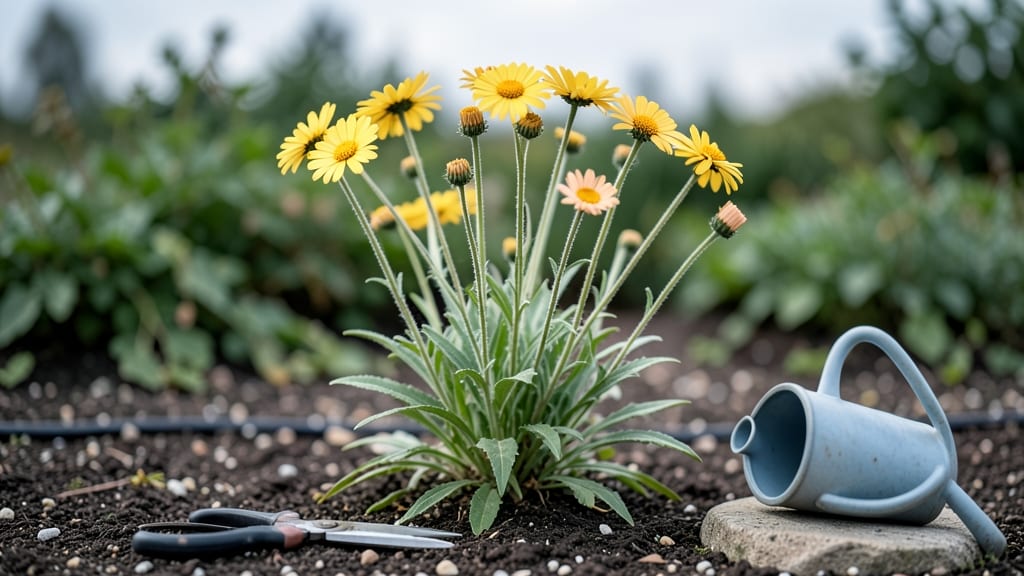
The strawflower bloom time spans from late spring through autumn, giving you vibrant color from May until the first frost—though some hardy varieties keep going until December in mild climates. 🌸 I’ve grown them in both my sunny border and containers, and they never fail to deliver that cheerful, papery bloom that lasts even after cutting.
The key to their long season? Full sun and well-draining soil—these drought-tolerant stars wilt less than other flowers when summer heat arrives. Different varieties bloom at slightly different times, with some early bloomers starting as early as April in warm zones, while others peak in late summer.
You’ll love how they dry naturally on the stem, preserving their shape for winter arrangements. Pair them with salvias, lavender, or ornamental grasses to extend your seasonal interest—those papery blooms stay striking long after most flowers fade.
Works beautifully in borders, containers, or even as cut flowers for arrangements that last months. Here’s how to keep them blooming all season long!
📚 In This Guide
- What you need
- Instructions
- Tips and common mistakes
- Wrapping up and next steps
What you need
- ● Strawflower plants (Xerochrysum bracteatum) – Choose dwarf, mid-height, or tall varieties based on your space (e.g., ‘Golden Delicious’ or ‘Pink Princess’). Buy 3–5 plants for a full bloom display.
- ● Well-draining potting mix – 1–2 gallons per plant (use a blend of cactus/succulent mix + perlite for optimal drainage).
- ● Containers or garden bed – Pots with drainage holes (6–12 inches deep) or a sunny garden spot with 6+ hours of sunlight daily.
- ● Watering can or hose with a gentle spray nozzle – Strawflowers hate soggy roots!
- ● Balanced liquid fertilizer (10-10-10 or 20-20-20) – 1 bottle (diluted to half-strength).
- ● Pruning shears – 1 pair (sterilized with rubbing alcohol).
- ○ Drying rack or screen – For preserving blooms (optional but recommended for winter displays).
- ● Grow lights – If your space lacks natural sunlight (LED full-spectrum bulbs work best).
- ● Mulch (gravel or pebbles) – To retain soil moisture and deter weeds.
- ● Floral preservative spray – Extends dried strawflower life by months!
- ● Decorative containers – Vases, shadow boxes, or mason jars for arranging dried blooms.
- ● pH testing kit – Ensures soil pH is 6.0–7.0 (strawflowers prefer slightly acidic to neutral).
- ● Patience! Strawflowers thrive in USDA Zones 7–11 but can be grown indoors year-round with proper light.
- ● Timing – Plant seeds 6–8 weeks before last frost (or buy established plants in spring/summer for immediate blooms).
- ● Space check – Dwarf varieties need 12–18 inches of spacing; taller types require 24+ inches.
How to extend strawflower bloom time for year-round dried florals
Here’s how to coax your strawflowers into lasting through winter’s frost—no special tricks, just smart timing and care.
☀️ Step 1: Plant in Full Sun for Maximum Bloom Duration
Strawflowers (Xerochrysum bracteatum) thrive in full sun, which directly influences their bloom time. Plant them in a location with at least 6-8 hours of direct sunlight daily—morning sun paired with afternoon shade works in hot climates. The more sunlight they receive, the longer their blooms will last once dried.
I always choose a south-facing spot in my garden because strawflowers need consistent light to develop their signature papery petals. If you’re growing them in containers, place them where they’ll get unobstructed sun exposure. Watch for stems leaning toward the light—rotate pots weekly to keep plants upright and evenly exposed.
💧 Step 2: Water Deeply but Sparingly to Preserve Bloom Quality
Overwatering is the fastest way to shorten bloom time. Strawflowers are drought-tolerant, so water them deeply once a week—or when the top 2 inches of soil feel dry. Let the soil dry out completely between waterings to prevent root rot, which weakens stems and shortens vase life.
I use a moisture meter to check soil dryness because strawflowers wilt dramatically when thirsty but bounce back quickly once watered. This resilience means they’ll keep blooming longer, even in dry conditions. Avoid wetting the foliage when watering—damp leaves invite fungal diseases that can stunt flower development.
✂️ Step 3: Deadhead Regularly to Encourage Extended Blooming
Deadheading spent blooms every 2-3 days during peak flowering triggers new buds and extends the overall bloom period. Use clean, sharp pruners to snip stems just above a set of healthy leaves—never pull blooms by hand, as this can damage stems and reduce future flower production.
I always deadhead in the early morning when stems are turgid (full of water), which makes cutting cleaner. This practice keeps strawflowers producing fresh blooms for 8-12 weeks instead of the typical 4-6 weeks. The key is consistency—skipping deadheading for even a week shortens the total bloom window significantly.
🌿 Step 4: Harvest at Peak Maturity for Long-Lasting Dried Florals
Harvest strawflowers when 75% of petals have fully opened but before they begin to fade. Cut stems in the early morning with 4-6 inches of stem attached—this extra length ensures better support once dried. Bundle stems with rubber bands and hang them upside down in a dry, dark, well-ventilated space for 10-14 days.
I hang my bundles from hooks in my garage, where temperature stays 65-75°F and humidity is low. This controlled environment prevents mold and preserves the papery texture that makes strawflowers so unique. Once fully dry, the blooms will retain their color for years, making them perfect for winter arrangements.
⏰ Step 5: Time Planting for Winter-Long Dried Blooms
For the longest possible dried bloom life, plant strawflowers 8-10 weeks before your first frost date. This gives them enough time to mature fully before cold sets in. In warmer climates, you can even plant a second crop in early fall for winter harvesting.
I always mark my frost dates on the calendar and count backward—this ensures I’m not rushing the drying process. Strawflowers grown in cooler seasons develop more robust stems and tighter blooms, which dry more uniformly. With proper timing, you’ll have dried florals ready to brighten up winter wreaths and arrangements long after other flowers have faded.
Tips & tricks for perfect strawflower bloom duration
Here's what nobody tells you about getting those signature strawflower blooms to last through winter—details that make all the difference.
Sunlight Strategy: That 6-8 hours of sunlight isn't just about quantity—it's about quality. South-facing locations get the most consistent light, but if you're in a hot climate, provide afternoon shade to prevent leaf scorch. I've found that strawflowers grown in containers actually perform better than in-ground plants because you can easily rotate them to follow the sun's path throughout the day. This simple adjustment can add 2-3 extra weeks to your bloom time.
Deadheading Timing: The 2-3 day deadheading schedule is critical, but timing matters just as much. Always do it in the early morning when stems are turgid—this makes for cleaner cuts and less stress on the plant. I've noticed that skipping just one deadheading session can reduce your total bloom window by nearly 10%. Use clean, sharp pruners and always cut just above a set of healthy leaves to encourage new growth from that node.
Drying Environment: That 10-14 day drying period in a dry, dark space is where many people go wrong. The 65-75°F temperature range is ideal because it's warm enough to dry quickly but cool enough to prevent mold. I hang my bundles in my garage during summer months, but in humid climates, you might need to add a small fan for better air circulation. The goal is to dry them uniformly—if one side dries faster, the blooms won't hold their shape properly when you're ready to use them.
Frost Date Planning: The 8-10 week planting window before your first frost is your secret weapon for winter-ready dried flowers. I always check my local frost date calendar and mark the planting window in my garden planner. In warmer climates where frost is rare, you can actually plant a second crop in early fall—these late-season plants will produce blooms that dry perfectly for winter arrangements. The key is to ensure the plants mature fully before cold sets in, which gives you that beautiful papery texture we all love.
Pro Tips for Strawflower Bloom Time
- Here's what nobody tells you about getting those signature strawflower blooms to last through winter—details that make all the difference.
- Sunlight Strategy: That 6-8 hours of sunlight isn't just about quantity—it's about quality.
- Deadheading Timing: The 2-3 day deadheading schedule is critical, but timing matters just as much.
Frequently asked questions
Got questions about timing, care, or maximizing your strawflower blooms? Here are some of the most common queries—plus expert tips to keep those vibrant petals lasting all season!
When do strawflowers typically bloom?
Strawflowers (like Xerochrysum bracteatum) usually bloom in late spring to early summer, but their dried flowers can last years! For fresh blooms, plant seeds in spring or fall—just give them full sun and well-draining soil. Pro tip: Deadhead spent blooms to encourage more flowers!
Can strawflowers survive winter frost?
Fresh strawflowers are annuals and won’t survive frost, but their dried blooms are frost-proof! Once dried, they retain color and structure, making them perfect for winter arrangements. Store dried strawflowers in a cool, dry place (like a breathable bag) to preserve their beauty.
How do I extend strawflower bloom time?
For longer fresh blooms, plant in well-draining soil and water moderately—overwatering can shorten their lifespan. To dry them for winter, hang upside-down in a dark, dry spot for 2–3 weeks. Bonus: Mix dried strawflowers with eucalyptus for a fragrant, long-lasting bouquet!
What’s the best alternative if strawflowers don’t bloom?
If your strawflowers skip blooming, check for these issues:
- Not enough sun: Strawflowers need 6+ hours of direct sunlight daily.
- Poor soil: Amend soil with compost for better drainage.
- Over-fertilizing: Too much nitrogen = leafy growth, fewer flowers.
How often should I water strawflowers?
Water strawflowers deeply but infrequently—about once a week, unless it’s extremely hot or dry. Overwatering causes root rot, while underwatering stresses the plant. Quick fix: Mulch around the base to retain moisture and deter weeds!
Wrapping up and next steps
Strawflowers are a gardener’s dream—durable, cheerful, and long-lasting—with their bloom time stretching well beyond the typical seasonal flowers. Whether you’re growing them for their year-round dried beauty or their resilience in frost, these sun-loving blooms reward patience with vibrant color and easy care.
Now that you know the secrets to their timing, maintenance, and preservation, it’s time to roll up your sleeves and bring some strawflower magic to your garden or home decor!
🌸 Next step: Pick your favorite variety, grab those shears, and start harvesting—or plant a few this season to enjoy their winter-ready charm.