
Blooming
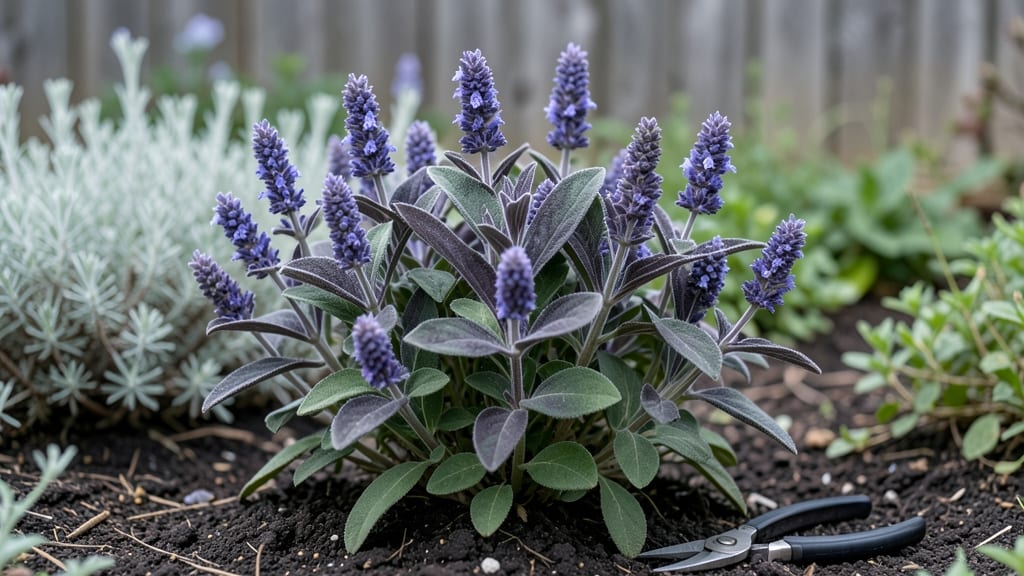
Black and Bloom Salvias transform any garden into a velvety, fragrant masterpiece with almost no effort. 🌿 Their deep purple-black foliage contrasts stunningly against bright blooms, creating a bold statement that thrives in heat and drought—perfect for gardeners who want drama without the fuss.
Pair them with silver foliage plants like lamb’s ear or dusty miller to make their dark leaves pop, or contrast them with bright yellow coreopsis for a striking color combo. These salvias also attract hummingbirds and bees, turning your garden into a lively pollinator hotspot.
The best part? They’re nearly indestructible—once established, they bounce back from neglect, making them ideal for busy gardeners or low-maintenance landscapes. Plant them in borders, containers, or mixed beds for instant impact.
For maximum effect, group them in odd-numbered clusters (3, 5, or 7 plants) to create natural focal points. Their upright growth habit adds vertical interest, while their long bloom season keeps color going from early summer through fall.
📚 In This Guide
- What you need
- Instructions
- Tips and common mistakes
- Wrapping up and next steps
What you need
- ● Black and Bloom Salvia plants: 3–5 plants (depending on desired coverage). Choose varieties like Salvia ‘May Night’ (deep purple-black) or Salvia ‘Hot Lips’ (bicolor blooms).
- ● Well-draining potting mix or garden soil: A blend of 50% native soil, 30% compost, and 20% perlite or coarse sand (critical for preventing root rot!).
- ● Organic fertilizer: A slow-release, low-nitrogen (5-10-10) granular fertilizer (e.g., Osmocote or Espoma Plant-Tone). Use 1–2 tbsp per plant at planting.
- ● Mulch: 2–3 inches of gravel or bark mulch (avoid organic mulch—it retains too much moisture).
- ● Garden trowel or hand shovel (for transplanting).
- ● Gloves (to protect hands from prickly stems).
- ● Watering can or hose with a gentle spray nozzle (avoid overhead watering).
- ● Pruning shears (for deadheading or shaping).
- ○ pH testing kit (optional): Ideal soil pH is 6.0–7.5. Adjust with lime or sulfur if needed.
- ● Sunlight: A full-sun location (6+ hours of direct sun daily). Salvias thrive in hot, dry conditions—partial shade may reduce blooms.
- ● Drainage: Ensure your garden bed or containers have excellent drainage. Salvias hate soggy roots!
- ● Water access: While drought-tolerant, they’ll need deep watering 1–2 times per week (more in extreme heat).
How to plant and maintain black and Bloom Salvias
These hardy perennials reward minimal effort with stunning blooms and intoxicating fragrance.
🪴 Step 1: Choose the Right Location and Prepare the Soil
Black and Bloom Salvias thrive in full sun—at least 6 hours daily. I plant mine where they get morning sun and afternoon shade in hot climates, which prevents leaf scorch. The soil should drain well; these plants hate soggy roots. If your garden soil is heavy clay, mix in 2-3 inches of compost to improve drainage and aeration.
Loosen the soil to a depth of 12 inches with a garden fork, breaking up any compacted layers. Salvias have deep roots, so good drainage at depth is critical. A slight mound of soil helps prevent water from pooling around the base. I always test drainage by digging a hole, filling it with water, and watching how quickly it drains—if it takes more than 30 minutes, amend with more organic matter.
🌱 Step 2: Plant at the Correct Depth and Spacing
Dig a hole twice as wide as the root ball but no deeper. Gently remove the plant from its container and tease the roots if they’re circling. Place it in the hole so the top of the root ball sits level with the surrounding soil—burying too deep causes rot, while planting too high stresses the plant. Black and Bloom Salvias need 2-3 feet of space between plants to prevent competition and allow airflow, which reduces disease risk.
Backfill the hole with soil, pressing lightly around the edges to eliminate air pockets. Water deeply to settle the soil and encourage roots to expand into the surrounding earth. You’ll know you’ve done it right when the soil surface looks slightly firm but not rock-hard. Mulch with 2-3 inches of organic mulch (like shredded bark) to retain moisture and suppress weeds—just keep it 2 inches away from the stem to prevent rot.
☀️ Step 3: Water Deeply and Establish a Routine
Water newly planted salvias once a week for the first month, giving each plant 1 gallon of water at the base. After that, reduce to every 10-14 days unless your area experiences extreme heat or drought. Black and Bloom Salvias are drought-tolerant once established, but they need deep watering to encourage strong root growth. You’ll see healthy plants develop deep green leaves and upright stems—wilting or yellowing signals it’s time to water.
I always water in the early morning to let foliage dry before evening, which prevents fungal issues. Avoid overhead watering, as wet leaves attract pests. Once established, these plants thrive with neglect, but a light trim after flowering encourages a second bloom cycle. Watch for spent blooms—removing them promptly keeps the plant looking tidy and redirects energy to new growth.
✂️ Step 4: Prune and Maintain for Long-Term Health
Prune back one-third of the plant’s height in late winter or early spring before new growth begins. Use clean, sharp shears to make cuts just above a leaf node or bud. This encourages bushier growth and prevents the plant from becoming leggy. Deadhead faded blooms throughout the season to prolong flowering and keep the plant looking its best. I also remove any yellow or diseased leaves immediately—they spread problems fast.
Fertilize lightly in early spring with a balanced, slow-release fertilizer (10-10-10). Too much fertilizer leads to lush foliage but fewer blooms, which defeats the purpose of growing these showstoppers. Black and Bloom Salvias are generally pest-free, but I keep an eye out for aphids or spider mites. A strong spray of water usually dislodges them, but neem oil works if they return. With minimal care, these perennials reward you with fragrant blooms for years.
Tips & tricks for perfect black and Bloom Salvias
Here's what nobody tells you about making these fragrant perennials truly thrive—without the fuss.
Soil Test First: Before amending your soil, do a simple drainage test in the planting hole. Fill it with water and time how long it takes to drain completely. If it takes longer than 30 minutes, you know you need to add more compost or sand to improve drainage—this is especially critical in clay-heavy soils where Black and Bloom Salvias struggle. I've seen plants rot in poorly draining soil despite all other conditions being perfect.
Root Ball Magic: When planting, gently loosen the root ball and tease out any circling roots before placing it in the hole. This encourages faster root expansion into the surrounding soil. The key is to keep the top of the root ball level with the surrounding soil—burying too deep suffocates the plant while planting too high stresses it. I use a level tool to double-check this, and it's made all the difference in survival rates.
Watering Wisdom: Those first 30 days are critical—water deeply once a week to encourage strong root development. After that, you can stretch to every 10-14 days, but always water in the early morning. The deep green leaves and upright stems are your best indicators of healthy watering. I've learned the hard way that afternoon watering leads to fungal issues, especially in humid climates.
Pruning Precision: When you prune back one-third of the plant's height in late winter, make clean cuts just above a leaf node or bud. This simple technique encourages bushier growth and prevents legginess. I use sterilized shears and always clean them between cuts to prevent spreading disease. The first flush of new growth after pruning is always the most vigorous and fragrant.
Pro Tips for Black And Bloom Salvias
- Here's what nobody tells you about making these fragrant perennials truly thrive—without the fuss.
- Soil Test First: Before amending your soil, do a simple drainage test in the planting hole.
- Root Ball Magic: When planting, gently loosen the root ball and tease out any circling roots before placing it in the hole.
Frequently asked questions
Are Black and Bloom Salvias easy to grow for beginners?
These salvias are drought-tolerant and thrive in full sun with minimal care—perfect for beginners. They’re also deer-resistant and handle poor soil better than many perennials. Just plant them in well-draining soil, water occasionally, and watch them flourish with almost no fuss.
How long does it take for Black and Bloom Salvias to bloom after planting?
Most varieties bloom within the first year after planting, often starting in late spring and continuing through summer. Some may take a little longer (up to a year) if planted late in the season, but they’re fast growers. Pro tip: Deadhead spent blooms to encourage more flowers!
Can Black and Bloom Salvias survive winter in cold climates?
These salvias are hardy perennials and can handle USDA Zones 5-9. In colder regions, mulch the base with 2-3 inches of organic mulch (like straw or shredded leaves) to protect roots. They’ll often regrow in spring with little damage, though heavy frost may cause temporary dormancy.
What are some low-maintenance alternatives if I want similar plants?
If you love Black and Bloom Salvias but want variety, try these equally easy perennials:
- Russian Sage – Drought-tolerant, fragrant, and thrives in full sun.
- Catmint – Long-blooming, deer-resistant, and attracts pollinators.
- Lavender – Hardy, aromatic, and perfect for borders.
- Coneflower (Echinacea) – Tough, colorful, and great for wildlife.
Why aren’t my Black and Bloom Salvias blooming this year?
No blooms? Check these common issues:
- Too much fertilizer – Over-feeding encourages leafy growth over flowers. Skip fertilizer or use a low-phosphorus blend.
- Shady spot – They need 6+ hours of sun daily to bloom well.
- Overwatering – Let soil dry between waterings; soggy roots stress plants.
- Old growth – Prune back 1/3 of the plant in early spring to stimulate new blooms.
Wrapping up and next steps
Black and Bloom Salvias are the low-maintenance superstars of the perennial world—packing stunning beauty, fragrant allure, and resilience into one easy-care package. Whether you’re drawn to their velvety foliage, vibrant blooms, or pollinator magnetism, these plants prove that gardening can be effortless yet rewarding. 🌿✨
Ready to transform your garden? Start small—plant a single Salvia ‘May Night’ or ‘Hot Lip’ in a sunny spot and watch it thrive with minimal fuss. Before you know it, you’ll be swapping high-maintenance annuals for these hardworking perennials that bloom year after year.