
Blooming
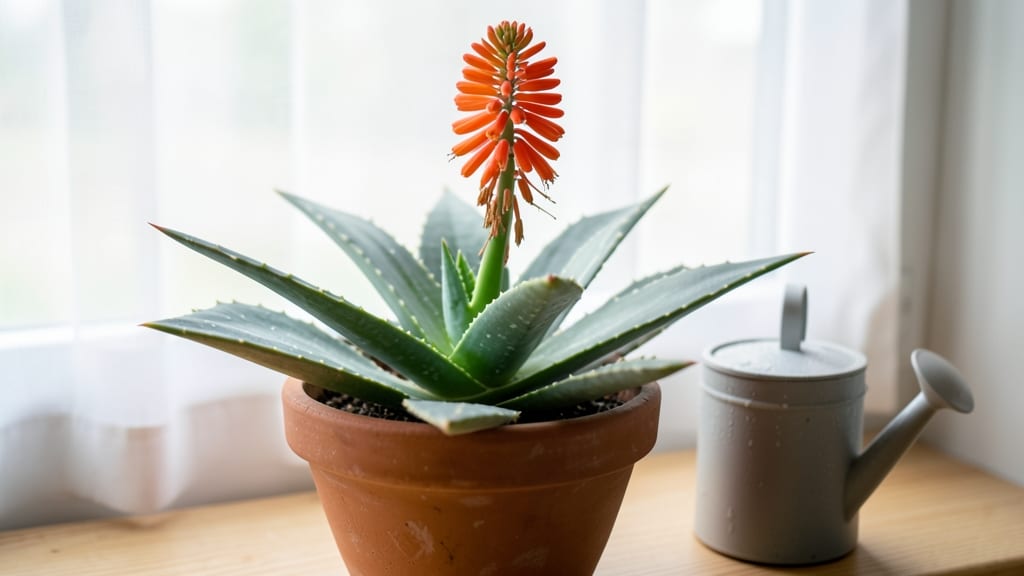
Your aloe vera plant might bloom once—but it takes patience, light, and the right care to coax out those rare, sunset-colored flowers. 🌸 I’ve watched mine develop a 6-foot-tall stalk after years of steady growth, and the process starts with recognizing when your plant is truly ready to flower.
Most people assume aloe vera flowers only outdoors, but with bright indirect light and mature plants (3+ years old), you can trigger blooms indoors too. The key is consistency: water only when the soil dries completely, and avoid over-fertilizing—aloe vera thrives on neglect but rewards precision when it counts.
When the flower stalk appears, resist the urge to prune it. Unlike deadheading annuals, aloe vera blooms are a one-time showpiece—let them stand until they wither naturally.
The flowers themselves last just a few days, but the stalk can persist for weeks, adding dramatic height and texture to your collection.
This method works best in zones 9-11, but indoor growers in cooler climates can mimic summer conditions with supplemental grow lights. The secret? Treat your aloe vera like a desert plant—dry soil, bright light, and minimal fuss.
You’ll know you’ve succeeded when that first slender stalk emerges from the center rosette.
📚 In This Guide
- What you need
- Instructions
- Tips and common mistakes
- Wrapping up and next steps
What you need
- ● Mature aloe vera plant (3+ years old, at least 12–18 inches tall—patience pays off!)
- ● Well-draining potting mix (cactus/succulent blend, sterilized to prevent pests)
- ● Pot with drainage holes (terracotta or ceramic, 10–12 inches in diameter)
- ● Gravel or perlite (1–2 inches for the pot’s base layer)
- ● Balanced liquid fertilizer (5-5-5 or 10-10-10, diluted to half-strength)
- ● Spray bottle (for gentle misting, avoid soaking!)
- ● Pruning shears or clean knife (for trimming only if necessary—dead leaves, not blooms!)
- ● Grow lights (LED, full-spectrum) (if natural light is <10 hours/day)
- ● Thermometer/hygrometer (ideal temp: 55–80°F)
- ● Decorative pot or cache pot (for aesthetic appeal, ensure it has drainage)
- ○ Compost or worm castings (optional soil amendment for nutrients)
Step-by-Step guide to encouraging aloe vera flower blooms indoors
Here’s how to coax those stunning, rare blooms from your aloe vera—no deadheading required.
☀️ Step 1: Position for Maximum Light Exposure
Place your aloe vera in the brightest window you have—south or west-facing is ideal. Aloe thrives in full sun (6+ hours daily), but direct midday sun can scorch tender leaves. If your window isn’t sunny enough, supplement with a grow light (12-14 hours/day) positioned 12-18 inches away.
Watch for these signs: If leaves turn pale or stretch toward the light, it’s not getting enough. If they brown or crisp at the edges, it’s too intense. Adjust placement until you see deep green, thick leaves—this is your plant’s happy medium. Aloe vera blooms rarely, but proper light is the first step toward that stunning spike.
💧 Step 2: Water Sparingly and Only When Needed
Aloe vera stores water in its leaves, so overwatering is the fastest way to kill it—and blooms won’t happen if your plant is struggling. Water only when the top 2-3 inches of soil feel completely dry. Stick your finger in the soil: If it’s damp past your first knuckle, wait another week. In winter, reduce watering to every 3-4 weeks—aloe enters dormancy and needs far less moisture.
Use room-temperature water and pour it slowly at the base of the plant, avoiding the rosette. Let excess water drain completely—aloe vera roots rot easily in soggy soil. You’ll know you’re doing it right when the leaves stay plump and the soil dries out quickly between waterings.
🪴 Step 4: Provide Space and Nutrients for Growth
Aloe vera needs room to grow—crowding stresses the plant and prevents blooming. Repot every 2-3 years or when roots circle the container. Choose a pot just 1-2 inches larger in diameter than the current one; bigger pots hold too much moisture and encourage rot. Use a well-draining cactus/succulent mix with perlite or pumice to prevent compaction.
Fertilize lightly in spring and summer with a balanced, diluted fertilizer (5-5-5 or 10-10-10) at half strength. Feed only when the plant is actively growing—never in winter. You’ll see healthy new growth as a sign it’s thriving, and that’s when blooms become possible. Aloe vera is slow to mature, so patience is key.
⏰ Step 5: Mimic Seasonal Changes for Blooming Conditions
Aloe vera blooms in response to stress—specifically, the temperature drop and reduced water that mimic winter. In late fall, move your plant to a cooler spot (55-65°F at night) and reduce watering. This dormancy period triggers the flower spike. After 8-12 weeks, return it to normal light and watering routines.
Watch for a tall, arching stem emerging from the center—this is the flower spike! It can take 2-3 years for a mature aloe to bloom, but once it does, the yellow tubular flowers are worth the wait. Deadheading isn’t necessary (as promised!), but you can snip the spent spike if you prefer a cleaner look.
Tips & tricks for encouraging aloe vera flower blooms
Here's what nobody tells you about coaxing those elusive blooms from your aloe vera—these are the details that separate happy plants from blooming beauties.
Light Quality Matters: While the instructions mention 6+ hours of full sun, the type of light matters just as much. South-facing windows get the most consistent light, but west-facing windows provide the intense afternoon sun that aloe vera craves. If you're using a grow light, opt for a full-spectrum LED that mimics natural sunlight—those 12-14 hours should be bright enough to cast a shadow. I've found that plants under fluorescent lights (even with long hours) rarely bloom because the light spectrum isn't right.
Seasonal Timing is Everything: The 8-12 week dormancy period in Step 5 is non-negotiable for blooming. Start this process in late fall (October-November) when natural daylight decreases. If you miss this window, you can still create dormancy by moving your plant to a cooler spot (55-65°F) and reducing water, but it may take longer to trigger blooming. I've seen plants that got this treatment in December still produce flower spikes the following spring.
Pot Size and Soil Secrets: When repotting every 2-3 years, don't go too big—just 1-2 inches larger in diameter. Aloe vera needs snug quarters to feel stressed enough to bloom. For soil, mix in 20% perlite or pumice with your cactus mix—this prevents compaction and mimics the rocky terrain where aloe vera grows naturally. I've noticed plants in pure cactus mix sometimes struggle to drain quickly enough, leading to root rot.
Watch for Subtle Stress Signals: The plant's way of telling you it's ready to bloom often shows up as a slight puckering at the center of the rosette. This happens just before the flower spike emerges, sometimes weeks in advance. Also, look for leaves that develop a slight reddish tint along the edges—this is a sign your aloe is getting the right balance of light and stress. It's nature's way of saying "I'm ready for this!"
Pro Tips for Aloe Vera Flower Bloom
- Here's what nobody tells you about coaxing those elusive blooms from your aloe vera—these are the details that separate happy plants from blooming beauties.
- Light Quality Matters: While the instructions mention 6+ hours of full sun, the type of light matters just as much.
- Seasonal Timing is Everything: The 8-12 week dormancy period in Step 5 is non-negotiable for blooming.
Frequently asked questions
Got questions about aloe vera flower blooms?
You’re not alone! Here are answers to the most common curiosities—from timing to troubleshooting—so you can enjoy your plant’s stunning sunshine yellow blooms with confidence.
How often does aloe vera flower indoors?
Aloe vera flowers are rare indoors but possible! With ideal conditions (bright light, minimal stress, and 3–5 years of maturity), your plant may bloom once every 10–20 years. Patience is key—think of it as a special reward for your care!
When is the best time of year for aloe vera to bloom?
Outdoor aloe blooms in late winter to early spring, but indoor plants may follow a similar rhythm. If your plant gets sunlight exposure mimicking seasonal changes (like near a south-facing window), blooms could appear in spring or summer—just don’t expect it yearly!
Do I need to deadhead aloe vera flowers?
Nope! Unlike some plants, aloe vera doesn’t require deadheading to encourage reblooming. The flower spike is non-reproductive (it won’t produce seeds), so simply let it naturally wither and fall off. Focus on keeping your plant healthy instead!
What if my aloe vera never blooms?
Don’t worry—indoor blooming is uncommon! Boost your chances by:
- Placing it in the brightest light possible (south or west window).
- Avoiding overwatering (let soil dry completely between waterings).
- Using a well-draining cactus/succulent mix.
- Letting it stress slightly (like a cool draft) to mimic natural triggers.
Can I propagate from aloe vera flowers?
Nope! Aloe vera flower spikes are sterile—they won’t produce seeds or pups. To propagate, focus on the pups (baby plants) that grow at the base of the mother plant. Simply separate them once they’re 1/3 the size of the parent and replant!
Wrapping up and next steps
Witnessing your aloe vera bloom—with its rare, fragrant flowers—is a rewarding experience that proves even low-maintenance plants can surprise you! 🌸 Whether you’re growing it for its striking beauty or simply love its resilience, remember that patience and minimal care are all it takes.
Now that you know how to nurture your aloe vera for blooms, why not share the joy? Snap a photo of its stunning flowers and tag us—we’d love to see your indoor sunshine in action!