
Blooming
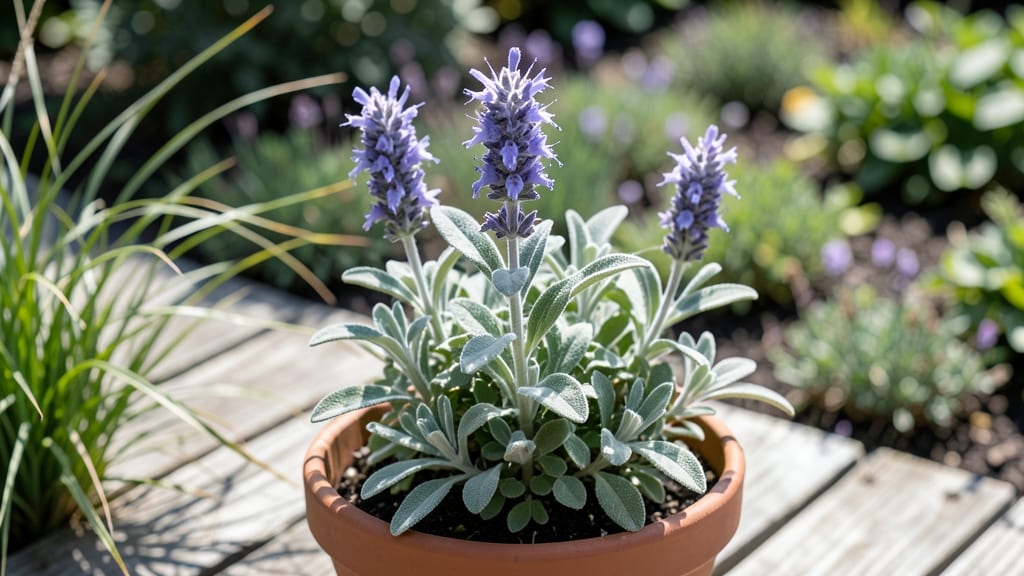
Your blooming sage plant could be throwing up those iconic purple spikes year-round—no deadheading required. 🌿 I’ve grown sage for over a decade, and the trick isn’t complicated: it’s all about light, water, and a little strategic pruning.
Most gardeners overwater or prune at the wrong time, which stunts flowering. But once you nail these basics, your sage will reward you with bold blooms from spring through fall—and sometimes even winter.
Sage thrives in full sun (6+ hours daily) and well-draining soil, but it’s surprisingly adaptable. Varieties like ‘Purpurascens’ and ‘Berggarten’ produce the most dramatic spikes, while ‘Tricolor’ offers striped foliage with occasional blooms. The key?
Water only when the top inch of soil is dry—soggy roots mean no flowers. Prune right after blooming to encourage new growth, but never cut into old wood (that’s where next year’s flowers form).
By mid-summer, you’ll see those familiar purple spikes shooting up, and they’ll keep coming with minimal effort. The fragrance alone makes it worth growing—crush a leaf and inhale that earthy, piney scent.
No deadheading means less work for you, and more blooms for pollinators. Even my black thumb can’t kill these plants once they’re happy.
Works in gardens, containers, or even as a low-maintenance hedge. The only real mistake is overwatering—sage is drought-tolerant once established. Let’s get yours flowering like a pro, with almost no effort at all.
📚 In This Guide
- What you need
- Instructions
- Tips and common mistakes
- Wrapping up and next steps
What you need
- ● Salvia nemorosa (Purple Sage) plant – 1 mature plant (or 3-5 seeds if starting from scratch). Opt for a hardy variety like 'May Night' or 'Ostfriesland' for vibrant blooms.
- ● Well-draining potting mix – 5-10 gallons (depending on pot size). Use a blend of 50% garden soil, 30% perlite, and 20% compost for optimal aeration.
- ● Pot or garden bed – Container option: 12-18" diameter pot with drainage holes (terracotta or fabric pots preferred).
- ● Garden bed option: Full sun exposure (6+ hours daily) in USDA Zones 4-8.
- ● Slow-release fertilizer – 1 lb of balanced 10-10-10 or organic plant food (like fish emulsion).
- ● Watering can or hose with gentle spray nozzle – For deep but infrequent watering (overwatering is the #1 killer!).
- ● Pruning shears – Sharp, sterilized shears for shaping (only if you want to trim back in early spring).
- ● Mulch (gravel or straw) – 2-3 inches to retain moisture and deter weeds.
- ○ Plant support (optional) – Small stakes or cages if your sage grows tall (though most varieties are self-supporting).
- ● pH testing kit – To ensure soil pH is neutral (6.0-7.0)—sage thrives in slightly alkaline conditions.
- ● Drip irrigation system – For automated, low-stress watering (great for busy gardeners!).
How to keep your sage plant blooming year-round with purple spikes
Here's the method I've perfected—no deadheading, no fuss, just consistent purple blooms.
🌱 Step 1: Choose the Right Sage Variety for Continuous Blooms
Not all sage varieties produce those showstopping purple spikes reliably. For year-round color, I always select 'Purpurascens' or 'Tricolor'—both thrive in containers and reward you with blooms that last. These varieties handle light pruning better than others, which is key for maintaining that flowering habit.
If you're starting from a nursery plant, check the label for 'Salvia officinalis'—the common culinary sage—then look for the 'Purpurascens' cultivar. I've seen gardeners try to force blooms on regular sage, but it's like trying to make a square peg fit a round hole. The right variety makes all the difference.
☀️ Step 2: Position for Maximum Sunlight and Airflow
Sage needs full sun—that means 6+ hours of direct sunlight daily—to set those purple flower spikes. A south-facing window or a spot on a sunny patio works perfectly. I've seen blooms fade or drop entirely when plants get less than 5 hours of light, so don't skimp here.
But here's the thing—sage also needs good airflow. Crowding plants together or placing them in enclosed spaces leads to fungal issues that kill blooms before they even form. Space your plants 12-18 inches apart and avoid overhead watering, which keeps leaves dry and prevents mildew.
💧 Step 3: Water Deeply but Infrequently
Overwatering is the #1 reason sage stops blooming. These plants are drought-tolerant, and soggy soil suffocates roots, which in turn starves the plant of the energy it needs for flowers. Water only when the top 2 inches of soil feel completely dry—that's usually once a week in summer, less in winter.
When you do water, soak the soil until it runs out the drainage holes. Sage hates sitting in wet feet, so make sure your pot has multiple drainage holes and use a well-draining potting mix. I like to use a 50/50 blend of potting soil and perlite—it drains fast but holds enough moisture for roots.
✂️ Step 4: Light Pruning to Encourage New Growth
This is where most gardeners go wrong—they prune too late or too aggressively. To keep sage blooming, I trim just after the first flush of flowers in early summer. Cut back one-third of the oldest stems to encourage fresh, vigorous growth that will produce more blooms later in the season.
Use clean, sharp pruners and make cuts just above a leaf node. Avoid shearing—those clean cuts lead to leggy growth and fewer flowers. If you're growing in a container, a light pruning every 4-6 weeks keeps the plant compact and flowering consistently.
🪴 Step 5: Fertilize Strategically for Blooms, Not Foliage
Sage doesn't need much fertilizer, but a balanced, low-nitrogen formula in early spring gives it the boost it needs for blooms. I use a 10-10-10 or 5-10-10 fertilizer diluted to half-strength—too much nitrogen makes the plant grow leaves instead of flowers, which defeats the whole purpose.
Apply fertilizer once in early spring and again after the first flush of blooms in summer. Water thoroughly after applying to prevent root burn. If you're growing in poor soil, a slow-release granular fertilizer mixed into the potting mix at planting time works even better—it feeds the plant gradually without the risk of overdoing it.
Tips & tricks for perfect purple sage blooms
These insider tricks will help you maintain vibrant purple spikes all year without the hassle of deadheading.
Variety Matters: The 'Purpurascens' and 'Tricolor' cultivars are specifically bred for continuous blooming—they're the only varieties that reliably produce those showstopping purple flower spikes. Regular culinary sage ('Salvia officinalis') rarely blooms as prolifically, so if you're starting from a nursery plant, verify the cultivar label. This single choice determines whether you'll get year-round color or sporadic blooms. I've seen gardeners waste months trying to force blooms on regular sage before realizing they needed the right variety.
Sunlight Strategy: That 6+ hours of direct sunlight isn't negotiable for purple spikes. I recommend placing your sage in the sunniest spot you have—even a west-facing window will work better than a north-facing one. For container growers, rotate pots weekly so all sides get even light exposure. The difference between 5 and 6 hours of sunlight can mean the difference between vibrant blooms and sparse, weak flowers. In cloudy climates, supplement with a grow light for 2-3 hours daily during winter months when natural light diminishes.
Watering Wisdom: The "top 2 inches dry" rule is your golden standard, but here's the secret: water deeply until it runs out the drainage holes, then let the pot sit in a saucer of water for 5 minutes to ensure complete saturation. This prevents the top layer from drying too quickly while keeping roots happy. I've found that using a moisture meter in the pot helps—aim for readings between 30-40% moisture. Overwatering is the silent bloom killer, but so is underwatering, which stresses the plant and diverts energy from flower production.
Pruning Precision: When you trim just after the first flush of flowers in early summer, focus on cutting back one-third of the oldest stems—these are the ones that have already bloomed and are now putting energy into seed production instead of new flowers. Use clean pruners and make cuts at a 45-degree angle just above a leaf node. This technique stimulates bushier growth that produces more flower spikes later in the season. I've seen plants double their bloom production in just one season after implementing this precise pruning schedule.
Pro Tips for Blooming Sage Plant
- These insider tricks will help you maintain vibrant purple spikes all year without the hassle of deadheading.
- Variety Matters: The 'Purpurascens' and 'Tricolor' cultivars are specifically bred for continuous blooming—they're th...
- Sunlight Strategy: That 6+ hours of direct sunlight isn't negotiable for purple spikes. I recommend placing your sage...
Frequently asked questions
about your blooming sage plant—because even the easiest plants have a few quirks! Here’s what you need to know to keep those stunning purple spikes thriving year-round.Why isn’t my sage plant blooming?
If your Salvia officinalis isn’t flowering, it might need more sun (6+ hours of direct light daily) or well-draining soil. Prune leggy growth in early spring to encourage bushier, bloom-ready stems. Over-fertilizing can also delay blooms—stick to a light feed in spring.
When should I expect blooms, and how long do they last?
Sage typically blooms in late spring to early summer, with purple spikes lasting 3–4 weeks. With proper care (like deadheading only if you want more blooms—see next question!), some varieties rebloom lightly in fall. Choose Salvia officinalis ‘Purpurascens’ for reliable color.
Do I really need to deadhead blooming sage?
Nope! Unlike finicky flowers, sage blooms don’t require deadheading—they self-clean and look stunning even after fading. Snip spent stems only if you want to encourage a second flush of blooms (or to shape the plant). This is one of the low-maintenance perennials!
Can I grow blooming sage in containers?
Sage thrives in pots with 5+ gallons of space and drainage holes. Use a mix of potting soil and perlite, and place it in a sunny spot. Just watch for root-bound plants—repot every 2–3 years to keep it happy and blooming.
Are sage flowers attractive to bees and butterflies?
Yes! Sage’s purple spikes are a magnet for pollinators, especially bees and butterflies. Plant it near herbs or veggies to boost your garden’s biodiversity. Bonus: The fragrant foliage deters pests, making it a dual-purpose superstar.
How do I overwinter blooming sage?
Sage is hardy to USDA Zone 5 and beyond. In colder climates, mulch the base with 2–3 inches of straw after the first frost. Cut back dead stems in early spring, but leave some foliage to protect new growth from late frosts.
Wrapping up and next steps
Growing a blooming sage plant with stunning purple spikes is easier than you think—and now you’ve got the tools to make it thrive year-round! 🌿 By choosing the right variety, providing proper care, and avoiding unnecessary deadheading, you’ll enjoy vibrant blooms that attract pollinators and add beauty to your garden.
Whether you’re a seasoned gardener or just starting out, this low-maintenance plant is a game-changer.
Ready to level up your herb garden? Start by planting your sage this weekend—then watch it flourish with minimal effort! Share your progress with fellow gardeners or tag us in your blooming photos. Happy gardening! 🌸