
Blooming
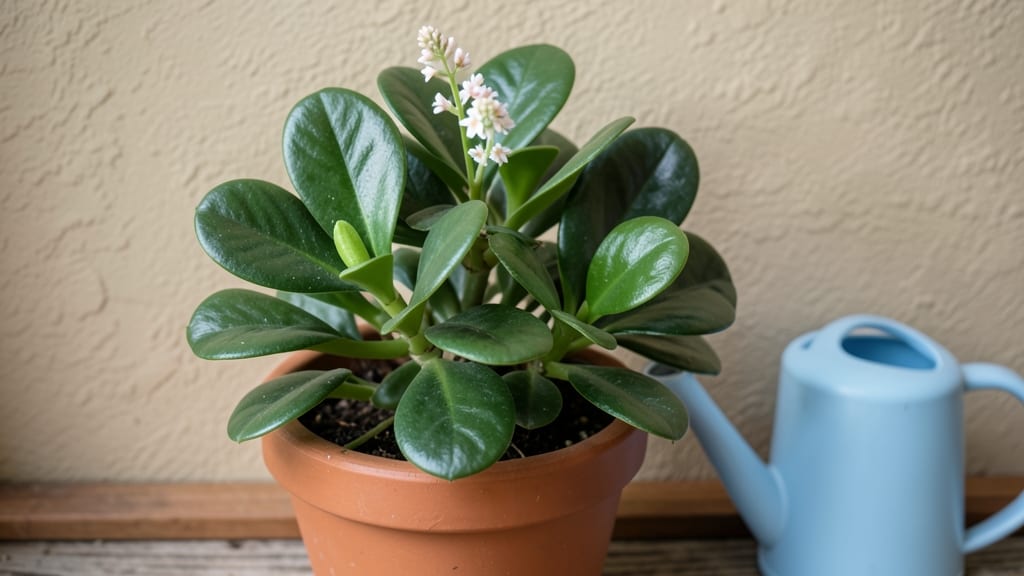
Indoor blooming plants bring color to any space, but most struggle without the right light and soil. 🌿 After years of trial and error with wilted peace lilies and stubborn orchids, I’ve cracked the code for keeping them vibrant indoors—no greenhouse required.
The secret lies in mimicking their natural growing conditions, which means adjusting light exposure, soil moisture, and even humidity levels to match what they’d get outside.
Start with the right plants: African violets thrive in bright, indirect light, while orchids prefer filtered sunlight and high humidity. Use well-draining potting mix designed for blooming plants—heavy garden soil suffocates roots.
A simple moisture meter or finger test (stick your finger an inch deep) keeps watering consistent, avoiding both soggy soil and parched roots. Most indoor bloomers need watering every 7-10 days, but adjust based on your home’s dryness.
With the right care, you’ll see blooms lasting 6-8 weeks or longer, and plants that rebound quickly after flowering. The key is patience: some varieties need 3-4 months to recover before reblooming, but the payoff is worth it. Even in low-light apartments, these tricks keep plants thriving year-round.
Whether you’re dealing with yellowing leaves or stubborn non-bloomers, the fixes are simple once you understand the root causes. Let’s get those plants flowering like clockwork—no guesswork involved.
📚 In This Guide
- What you need
- Instructions
- Tips and common mistakes
- Wrapping up and next steps
What you need
- ● Indoor blooming plants: Choose 2-3 varieties (e.g., African violets, orchids, or peace lilies) for diverse light/soil needs.
- ● Containers: 1-2 pots per plant (6-8" diameter) with drainage holes. Pro tip: Terracotta or ceramic works best!
- ● High-quality potting mix: 2-3 bags of well-draining soil (e.g., African violet mix or orchid bark blend).
- ● Grow lights: 1-2 LED full-spectrum bulbs (6000K-6500K) for 12-16 hours/day if natural light is low.
- ● Watering can: 1 with a gentle rose nozzle to avoid soil displacement.
- ● Fertilizer: 1 bottle of balanced liquid fertilizer (10-10-10 or 20-20-20, diluted to half-strength).
- ● Pruning shears: 1 pair for trimming dead blooms or foliage.
- ● Humidity tray: 1-2 shallow trays with pebbles for tropical plants.
- ● Soil moisture meter: 1 to track hydration without guesswork.
- ● Plant food boosters: Worm castings or compost tea for nutrient-rich soil.
- ● Decorative pebbles: 1 bag for aesthetics + drainage layer.
Step-by-Step guide to growing vibrant indoor blooming plants
Here's how to coax continuous color from your houseplants using light and soil science.
🌱 Step 1: Select Plants with Complementary Light Needs
Choose a mix of low-light (like peace lilies or snake plants) and medium-light varieties (such as African violets or orchids) to create visual balance. I always pick plants that naturally bloom indoors—avoid those labeled "outdoor annuals" unless you're willing to provide supplemental grow lights year-round. The key is matching their native light conditions: peace lilies thrive in 100-2,000 foot-candles, while African violets need 1,000-2,000 foot-candles for consistent blooms.
Rotate your plants quarter-turn weekly so all sides receive even light exposure. You'll notice leaves growing toward the window? That's your cue to move the plant or adjust the angle. For medium-light plants, place them within 3-5 feet of an east or west-facing window—south-facing windows can be too intense without filtering.
💧 Step 2: Master the Watering and Soil Balance
Use a well-draining potting mix (I blend 60% peat moss, 30% perlite, and 10% compost) to prevent root rot, which is the #1 killer of blooming houseplants. Water only when the top 1-2 inches of soil feel dry—stick your finger in; if it's damp, wait another day. Overwatering causes yellow leaves and dropped buds, while underwatering leads to crispy edges and stunted growth.
Here's the trick: bottom-water your plants by placing them in a saucer of water for 10-15 minutes, then drain excess. This ensures moisture reaches the roots without soggy soil. For African violets, I add a teaspoon of epsom salt to the water monthly—it boosts bloom production by providing magnesium. Always use room-temperature water to avoid shocking the roots.
☀️ Step 3: Supplement Light for Year-Round Blooms
If your space lacks natural light, grow lights are non-negotiable for consistent blooms. I use full-spectrum LED bulbs (6,500K color temperature) placed 6-12 inches above plants, running them for 12-14 hours daily. For low-light plants, a 15-watt bulb suffices; medium-light plants need 20-30 watts to thrive.
Watch for leggy growth (long stems with sparse leaves)—this means your light is too far or weak. Adjust the height until new leaves are dark green and compact. For seasonal bloomers like poinsettias, provide 12 hours of darkness daily for 6-8 weeks to trigger flowering. Use a timer to automate this; I swear by it.
✂️ Step 4: Prune and Fertilize for Continuous Blooms
Deadhead spent blooms immediately to encourage new flower production. For African violets, pinch back leggy stems just above a leaf node—this redirects energy to bushier growth. I fertilize every 4-6 weeks with a balanced liquid fertilizer (10-10-10 or 20-20-20) diluted to half-strength during active growth. In winter, cut back to once every 8 weeks—plants rest naturally when light is scarce.
Rotate plants every 2-3 months to prevent uneven growth toward light sources. If a plant becomes root-bound (roots circling the pot), repot into a container 2 inches larger with fresh potting mix. This shock often triggers a rebloom within 4-6 weeks. For orchids, I replace the top inch of bark mix annually—this refreshes nutrients without disturbing roots.
⏰ Step 5: Adjust Care for Seasonal Changes
In winter, reduce watering by 30-50%—cooler air and shorter days slow growth. Move plants away from drafty windows or heating vents, which cause leaf drop. For spring, increase humidity by placing trays of pebbles and water beneath pots or using a hygrometer to keep levels above 40%. Mist leaves daily for tropical varieties like orchids or calatheas—they'll reward you with glossy foliage and vibrant blooms.
Here's the secret to year-long color: rotate plants seasonally. Swap out winter bloomers (like amaryllis) for spring/summer varieties (like geraniums) to keep your space lively. I keep a bloom calendar on my fridge—it tracks when each plant needs light adjustments, fertilization, or repotting. This prevents overcrowding and ensures no plant is neglected.
Tips & tricks for vibrant indoor blooming plants
These science-backed strategies will transform your houseplants into a year-round floral display.
Light Placement Precision: In Step 1, pay attention to window orientation—north-facing windows provide the gentlest light for peace lilies, while east-facing windows offer perfect morning sun for African violets. I've found that placing medium-light plants 3-4 feet from a west-facing window creates ideal afternoon light conditions without risking leaf scorch. Use a light meter app to verify foot-candle levels if you're unsure about your space's natural light intensity.
Soil Science Secret: The 60% peat moss, 30% perlite, 10% compost mix in Step 2 is non-negotiable for blooming plants. Here's what I've learned: peat moss retains moisture while perlite prevents compaction, creating the perfect air-to-moisture ratio. For tropical varieties like orchids, I increase the perlite to 40% to mimic their natural epiphytic growing conditions. Always check soil moisture by finger—if it feels like a damp sponge, wait one more day.
Grow Light Game-Changer: When supplementing light in Step 3, position your full-spectrum LED bulbs 6-8 inches above low-light plants and 8-12 inches above medium-light varieties. The 12-14 hour daily lighting schedule should include a 2-hour break at night to mimic natural daylight cycles—this prevents the "leggy growth" syndrome you'll see when plants don't get proper darkness periods. For seasonal bloomers, set your timer for the exact 12 hours of darkness required to trigger flowering.
Fertilizer Timing: The 4-6 week fertilization schedule in Step 4 works wonders, but here's the pro move: alternate between balanced fertilizer and a phosphorus-rich formula (like 10-30-20) every other feeding to specifically boost bloom production. Always dilute to half-strength—concentrated solutions burn roots, and you'll notice the difference in leaf health immediately. In winter, I switch to a low-nitrogen fertilizer to match the plant's natural resting period.
Pro Tips for Indoor Blooming Plants
- These science-backed strategies will transform your houseplants into a year-round floral display.
- Light Placement Precision: In Step 1, pay attention to window orientation—north-facing windows provide the gentlest l...
- Soil Science Secret: The 60% peat moss, 30% perlite, 10% compost mix in Step 2 is non-negotiable for blooming plants....
Frequently asked questions
Got questions about keeping your indoor blooming plants vibrant and thriving? You’re not alone! Here are some of the most common queries—plus quick, practical answers to keep your green space popping year-round.
How often should I fertilize blooming indoor plants?
Most blooming plants thrive with monthly fertilization during active growth (spring/summer) and every 6–8 weeks in fall/winter. Use a balanced liquid fertilizer (like 10-10-10) or a bloom-specific formula. Pro tip: Always water plants first to avoid root burn!
Why aren’t my indoor blooming plants flowering?
Lack of blooms often stems from light deprivation, over-fertilizing, or stress. Move plants to a bright, indirect light spot (east/west windows are ideal) and reduce fertilizer. Some plants (like African violets) need a 12-hour night cycle to trigger blooms.
Can I use regular potting soil for blooming plants?
Not always! Blooming plants often need well-draining, nutrient-rich soil mixed with perlite or orchid bark. A 50/50 blend of potting mix and peat/coir works for most, but succulents and orchids require specialized mixes. Check the plant tag for specifics!
How long does it take for indoor blooming plants to flower?
Timing varies! Fast bloomers (like impatiens or begonias) may flower in 6–8 weeks, while others (like orchids or azaleas) can take months to a year. Patience is key—consistent light, water, and care speed up the process. Track your plant’s progress with a journal for fun!
What’s the easiest low-maintenance blooming plant for beginners?
Start with peperomia, spathiphyllum (peace lily), or Kalanchoe. These tolerate medium light, occasional watering, and even the occasional missed care day. Bonus: They bloom reliably with minimal fuss!
My blooming plant’s leaves are yellow—what’s wrong?
Yellow leaves usually signal overwatering or nutrient deficiency. Let the top inch of soil dry out between waterings, and flush the soil with water to remove excess salts. If yellowing persists, repot with fresh soil and adjust light exposure. Act fast—yellow leaves can spread!
Wrapping up and next steps
Bringing vibrant blooms indoors isn’t just about luck—it’s about light, soil, and a little love. 🌸 With the right tricks, you can enjoy year-round color from your favorite indoor plants, whether it’s the bold hues of African violets or the delicate charm of orchids.
Remember, patience and consistency are key, and soon, your space will burst with life and beauty.
Ready to turn your green thumb into a bloom master? Start by picking one plant from this guide and give it the care it deserves. Before you know it, your home will be a living, breathing garden—one stunning petal at a time!