
Blooming
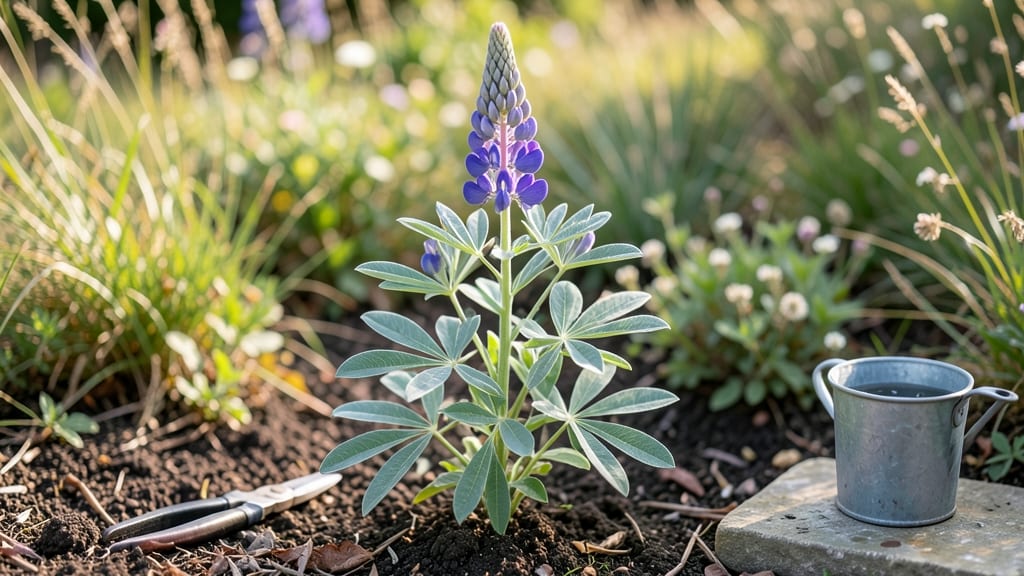
Wildflowers before they bloom are nature’s secret masterpieces—velvety foliage and delicate textures that steal the show long before the first petal unfurls. 🌿 I’ve spent years studying how early-season wildflowers transform a garden from drab to dramatic, and the key is planting the right varieties that thrive in cool weather and hold their interest until summer.
The magic happens with fuzzy, feathery, or silvery leaves—think lamb’s ear, Russian sage, or purple coneflower in their youthful stages. These plants develop striking patterns and colors that make them irresistible in borders, containers, or meadow-style plantings.
Pair them with low-growing bulbs like grape hyacinth or early daffodils for a layered, ever-evolving display. Once established, these wildflowers will reward you with taller stems and bolder blooms later in the season.
The secret is giving them space to stretch and sunlight to soak up—6-8 hours a day—so their pre-bloom foliage stays lush and their stems grow strong. For maximum impact, mix them with grasses or ornamental herbs like catmint or yarrow.
The contrast in textures creates a dynamic, almost sculptural effect that lasts all season long.
📚 In This Guide
- What you need
- Instructions
- Tips and common mistakes
- Wrapping up and next steps
What you need
- ● Wildflower seeds: Choose early-blooming varieties like Lupine, Phlox, or Black-Eyed Susan (1–2 lbs per 100 sq. ft.). Opt for organic, non-GMO seeds for best results.
- ● Well-draining soil: Mix compost (1 part) with sandy loam or garden soil (3 parts) for ideal aeration.
- ● Garden bed or containers: For in-ground planting: A sunny, slightly sloped bed (6–12 inches deep) with good drainage.
- ● For containers: 5–7 gallon pots with drainage holes (1–2 plants per pot).
- ● Watering can or hose with a gentle spray nozzle: Avoid disrupting seeds during watering.
- ○ Row marker or small sticks: To label seed rows (optional but helpful for tracking progress).
- ● Garden gloves: Protect your hands from soil and prickly stems.
- ● Hand trowel or transplanting spade: For digging and spacing seeds (6–12 inches apart, depending on variety).
- ● Mulch (straw or shredded leaves): 1–2 inches thick to retain moisture and suppress weeds.
- ● Sunlight access: 6+ hours of direct sunlight daily—critical for early growth!
- ● Patience (and a journal!): Track soil temps (ideal: 50–70°F) and moisture levels for best germination.
- ● Seedling heat mat: Speeds up germination in cooler climates (place under containers).
- ● Organic fertilizer (low-nitrogen): Like fish emulsion or compost tea (diluted to half-strength).
- ● Plant labels: Mark varieties and planting dates to monitor growth.
- ● Pruning shears: For trimming stems later to encourage bushier blooms.
How to plant wildflowers for extra-long stems before blooming
Here's how to coax those towering stems and vibrant blooms you dream of—it starts with timing and technique.
🌱 Step 1: Choose the Right Wildflower Varieties
Not all wildflowers respond the same way to early planting. Focus on species known for dramatic height and sturdy stems, like coneflowers, black-eyed Susans, or tall garden phlox. These varieties naturally produce longer stems when given the right growing conditions. Avoid delicate annuals like cosmos or zinnias—they won’t develop the same structural strength.
Look for open-pollinated or heirloom varieties in seed catalogs, as hybridized wildflowers often prioritize bloom size over stem length. I always check the plant’s mature height range in the seed packet—aim for varieties listed at 3 feet or taller. For example, ‘Magnus’ coneflowers reliably produce stems that reach 5-6 feet with proper care.
⏰ Step 2: Time Your Planting for Optimal Stem Development
The key to longer stems lies in planting 8-12 weeks before your first frost date. This gives roots time to establish deeply while still allowing the plant to experience cool spring temperatures, which slow growth and encourage sturdy stem development. If you plant too early, stems may elongate too quickly and become weak. If you wait until spring, you’ll miss the critical root-strengthening period.
For most climates, this means late summer to early fall planting. Use your local frost date as a guide—count backward from that date to determine your ideal planting window. For instance, in Zone 5, I plant wildflower seeds in late August to ensure strong root growth before winter dormancy.
💧 Step 3: Prepare the Soil for Deep Root Growth
Wildflowers need well-draining soil with organic matter to develop the deep root systems that support tall stems. Before planting, loosen the top 12 inches of soil with a broadfork or tiller to break up compaction. This encourages roots to grow downward rather than spreading outward, which is essential for stability.
Mix in 2-3 inches of compost into the top 6 inches of soil to provide nutrients without overwhelming the plants. Avoid heavy amendments like manure, which can cause rapid, weak growth. Water the soil deeply 24 hours before planting to ensure even moisture distribution—this helps seeds make immediate contact with damp soil, promoting faster germination.
☀️ Step 4: Plant Seeds at the Correct Depth and Spacing
Wildflower seeds should be planted no deeper than ¼ inch—any deeper, and they may struggle to emerge. Scatter seeds thinly across the prepared bed, spacing them 6-12 inches apart to allow room for stems to grow without crowding. I like to use a seed spreader for even distribution, but for small areas, a gentle hand-sowing works just as well.
Lightly cover the seeds with a thin layer of soil or a very fine mulch (like straw) to protect them from drying out. Press the soil gently around the seeds to ensure good seed-to-soil contact. Avoid compacting the soil too firmly—you want it loose enough for roots to penetrate easily. Water gently but thoroughly right after planting to settle the soil and activate germination.
🌿 Step 5: Monitor and Support Stem Growth Through the Season
Once seedlings emerge, avoid fertilizing—too much nitrogen promotes leafy growth at the expense of stem strength. Instead, focus on watering deeply every 7-10 days to encourage deep root development. You’ll know your plants are thriving when they develop thick, woody stems by early summer.
As stems reach 18-24 inches tall, gently stake or cage them if they begin to lean. Use bamboo stakes or lightweight tomato cages to provide support without restricting growth. I also remove any lower leaves that touch the ground to prevent disease and improve airflow. By mid-summer, you’ll see stems reaching their full height, ready to burst into bloom with minimal flopping.
Tips & tricks for extra-long wildflower stems
These game-changing insights will help you transform your wildflower garden into a towering display of vibrant blooms—without the floppy stems we all dread.
Variety Selection Wisdom: When choosing seeds, prioritize open-pollinated varieties over hybrids—they develop stronger structural integrity. I've found that coneflowers like 'Magnus' consistently produce stems reaching 5-6 feet when given proper care, while hybridized varieties often sacrifice stem strength for flashy blooms. Look for seed packets that specify mature heights of 3 feet or taller to ensure you're getting the right performers for your vision.
Soil Preparation Secret: The 12-inch soil loosening in Step 3 isn't just about drainage—it's about creating vertical root pathways. Use a broadfork to break up compaction without disturbing the soil structure too much. I like to add a layer of coarse sand to heavy clay soils to improve drainage while maintaining that loose texture. This vertical space is what allows roots to grow deep, which directly translates to taller, more stable stems when the plants mature.
Planting Depth Precision: That ¼-inch planting depth might seem shallow, but it's critical for germination. I've learned this the hard way—planting too deep can suffocate seeds, while too shallow risks drying them out. For small seeds, I use a seed spreader with a fine mesh to ensure even coverage, then gently press them into the soil with my fingers. This technique gives you that perfect shallow placement every time without overworking the soil.
Seasonal Timing Strategy: The 8-12 week window before frost isn't arbitrary—it's about balancing root development with seasonal temperature shifts. In my Zone 5 garden, I've found that planting in late August gives roots time to establish before winter dormancy, while still allowing the plants to experience cool spring temperatures that slow early growth. This controlled growth pattern is what creates those sturdy stems we all want.
Pro Tips for Wildflowers Before They Bloom
- These game-changing insights will help you transform your wildflower garden into a towering display of vibrant blooms—without the floppy stems we all dread.
- Variety Selection Wisdom: When choosing seeds, prioritize open-pollinated varieties over hybrids—they develop stronger structural integrity.
- Soil Preparation Secret: The 12-inch soil loosening in Step 3 isn't just about drainage—it's about creating vertical root pathways.
Frequently asked questions
Got questions about capturing wildflowers before they bloom? Here are some common ones—and their answers—to help you get started with confidence!
When is the best time to plant wildflowers for long stems?
Plant wildflower seeds in early spring (March–April) or late summer (August–September). This timing gives roots time to establish before blooming season, ensuring taller, sturdier stems. Avoid planting too late in fall—frost can damage young seedlings.
How long does it take for wildflowers to grow before blooming?
Most wildflowers take 6–12 weeks to sprout and 8–16 weeks to reach full bloom, depending on the species and climate. Some varieties (like cosmos or zinnias) may flower faster, while perennials like coneflowers take longer but reward you with years of blooms.
Can I still get long-stemmed wildflowers if I plant late?
Yes, but with adjustments! If planting in early summer, choose fast-growing varieties (e.g., sunflowers, marigolds) and keep soil moist. For fall planting, opt for cold-hardy species like poppies or larkspur. Just expect slightly shorter stems compared to spring-planted flowers.
What if my wildflowers aren’t growing tall enough?
Check these common issues:
- Poor soil: Amend with compost or a slow-release fertilizer.
- Overcrowding: Thin seedlings to 6–12 inches apart.
- Pests: Use neem oil or companion plants (like basil) to deter bugs.
- Water stress: Deep-water weekly (1 inch) during dry spells.
Are there wildflowers that bloom early but stay tall?
Try these early bloomers with long stems:
Variety
Bloom Time
Height
Cosmos
60–70 days
2–4 feet
Sunflowers (dwarf varieties)
50–60 days
3–5 feet
Sweet Alyssum
40–50 days
6–12 inches (but great for filler!)
Wrapping up and next steps
Capturing wildflowers before they bloom is all about patience, timing, and a little extra care—rewarding you with stunning, elongated stems perfect for arrangements. Whether you’re a seasoned gardener or just starting, these early planting secrets unlock the magic of nature’s fleeting beauty. 🌸
Ready to elevate your floral game? Start small this season—try one or two varieties, experiment with soil mixes, and keep a planting journal to track what thrives in your space. Soon, you’ll be crafting showstopping bouquets that last weeks longer than store-bought blooms!
Next step: Grab your tools, mark your calendar, and get planting—your future arrangements are waiting! 🌱✨