
Blooming
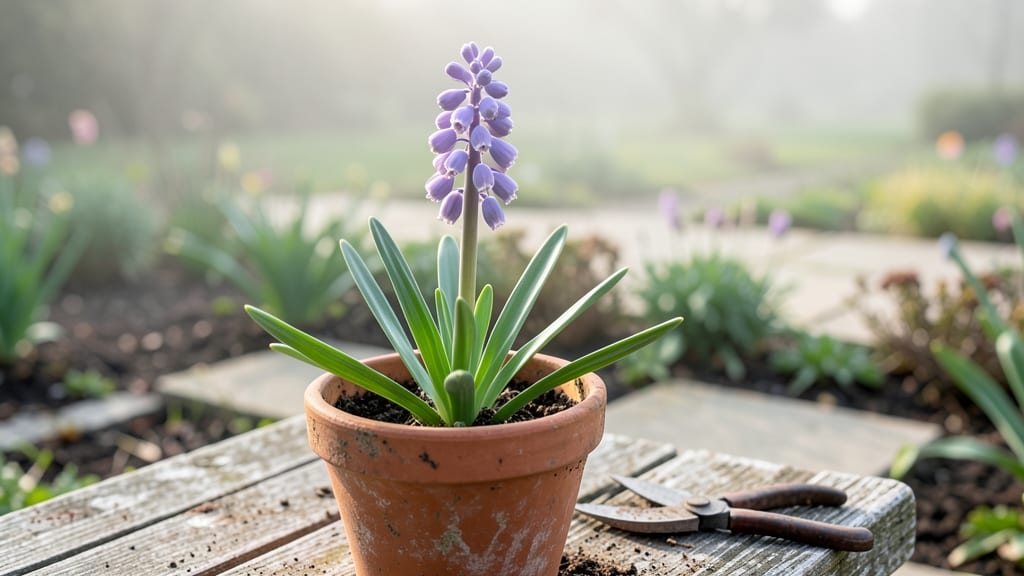
After those stunning purple spikes fade, your grape hyacinths aren't done yet. ✨ The key to next year's vibrant blooms lies in what you do now—and it's simpler than you think.
Most gardeners stop caring after the flowers drop, but a little effort now means more dramatic displays in spring.
First, let's tackle the stems. Once the blooms turn brown and crispy, simply snip them off at the base with clean shears. This redirects energy back to the bulbs, storing up strength for next season's show.
The foliage, though, stays important—let those strappy leaves yellow naturally before cutting them down in late summer.
Watch for overcrowding: when clumps get too dense, blooms shrink and flowers fade to pale purple. Dig up and divide congested patches in early fall, separating bulbs with at least 2 inches between them. This simple step transforms weak stems into robust, flowering plants.
With proper care, your grape hyacinths will reward you with even more dramatic purple spikes next spring. The secret? Treating them right after bloom—when most gardeners give up. Your future self will thank you when those familiar purple clouds return.
📚 In This Guide
- What you need
- Instructions
- Tips and common mistakes
- Wrapping up and next steps
What you need
- ● Grape hyacinth bulbs (or clumps) – Dig up healthy, firm bulbs after foliage yellows (late spring/early summer). Aim for at least 5-10 bulbs for a full cluster effect.
- ● Garden trowel or bulb fork – A stainless-steel or ergonomic fork (6–8 inches long) for gentle digging without crushing bulbs.
- ● Well-draining potting mix or garden soil – Use a blend with perlite or sand (20–30% by volume) to prevent rot. Avoid heavy clay.
- ● Compost or balanced fertilizer (5-10-10) – Mix 1–2 cups of compost per square foot or use a slow-release bulb fertilizer.
- ○ Mulch (optional but recommended) – Straw, shredded bark, or pine needles (1–2 inches thick) to retain moisture and regulate soil temp.
- ● Pruning shears or sharp scissors – For trimming dead foliage after it browns (never cut green leaves!).
- ● Gloves (gardening or nitrile) – Protects hands from soil and sharp bulb edges.
- ● Watering can with a rose attachment – Ensures gentle, deep watering (1 inch per week) without displacing bulbs.
- ● Spray bottle (for potted bulbs) – Keeps soil moist during dormancy if replanting indoors.
- ● ✅ Timing: Wait until foliage turns yellow/brown (6–8 weeks post-bloom) before digging.
- ● ✅ Location: Choose a spot with full sun to partial shade (6+ hours of light). Grape hyacinths thrive in USDA Zones 3–9.
- ○ ✅ Soil test (optional but helpful): Ensure pH is neutral (6.0–7.0). Adjust with lime or sulfur if needed.
Step-by-step guide to reviving grape hyacinth after bloom
Here's how to keep your grape hyacinth thriving so those vibrant purple blooms return year after year.
🌱 Step 1: Deadhead Spent Blooms Immediately
As soon as the grape hyacinth flowers fade and turn brown, snip the entire flower stalk off at the base using clean pruning shears. Cut just above the lowest set of leaves to encourage new growth from the bulb. I always check for any lingering buds—if you spot a new spike forming, leave it alone until it fully blooms.
This step prevents the plant from wasting energy on seed production. You'll notice fresh green leaves emerging from the base within a week or two—this is your signal that the bulb is storing energy for next season. Avoid pulling the entire plant; grape hyacinths are perennial and will regrow from the same bulb if properly cared for.
✂️ Step 2: Trim Foliage Gradually After Flowering
Wait until the leaves turn completely yellow before cutting them back. This ensures the bulb has finished converting sunlight into stored energy. I start by trimming about a third of the foliage at a time, then wait a week before removing more. Never cut more than half the leaves at once—you want to leave enough green to keep the bulb nourished.
Use sharp scissors to make clean cuts rather than tearing the leaves. You'll see new shoots emerging from the base in early spring, indicating the bulb is healthy and ready for another blooming cycle. If you're in a warm climate, you might see some regrowth even after the first trim.
💧 Step 3: Adjust Watering for Summer Dormancy
Once the leaves are fully yellow and brown, reduce watering significantly. Grape hyacinths enter a natural dormancy period during summer heat. Water only when the top inch of soil feels completely dry to the touch—typically every 2-3 weeks, depending on your climate. Overwatering during dormancy can cause bulb rot.
Place the plants in a spot with partial shade during the hottest months. You'll notice the foliage will eventually shrivel and disappear, which is normal. This dormancy period is crucial for the bulb to recharge. In fall, when temperatures drop below 75°F, you can gradually resume regular watering as new growth appears.
☀️ Step 4: Fertilize Lightly in Early Fall
When you see the first signs of new growth in early fall, apply a balanced, water-soluble fertilizer at half strength. I use a 10-10-10 formula diluted to half strength to avoid burning the emerging shoots. This timing gives the plant a gentle boost before winter sets in. Water thoroughly after applying fertilizer to help distribute it evenly.
Focus on the base of the plant where new leaves are emerging. You'll see stronger, darker green foliage within a few weeks—this indicates the bulb is actively growing. Avoid heavy fertilizers or those high in nitrogen during this period, as they can encourage too much leaf growth at the expense of flower development.
🪴 Step 5: Prepare for Winter and Next Season
In late fall, add a 2-3 inch layer of mulch around the plants to protect the bulbs from freezing temperatures. Use shredded bark or straw, keeping the mulch about an inch away from the stems to prevent rot. This insulation helps maintain consistent soil temperatures, which is especially important in colder climates.
Check the mulch periodically throughout winter to ensure it hasn't compacted or shifted. In early spring, when you see the first green shoots, remove about half the mulch to allow the soil to warm up. The plants will reward you with those familiar purple spikes in 4-6 weeks, signaling a successful revival process.
Tips & tricks for reviving grape hyacinth blooms
Here's what nobody tells you about keeping these delicate beauties coming back year after year.
Timing is Everything: Those first two weeks after deadheading are critical. I've seen gardeners rush to trim foliage too soon, and it stunts the bulb's energy storage. Wait until you see fresh green growth emerging from the base—this confirms the bulb is actively storing nutrients. If you're in doubt, wait an extra week rather than cutting back too early.
Tool Matters: Never use your fingers or dull scissors to trim grape hyacinths. The sharpness of your pruning shears makes all the difference—clean cuts heal faster and prevent disease. I keep a dedicated pair of shears just for my bulbs, and they stay razor-sharp with regular oil treatments. A single snip with dull tools can bruise the plant and invite rot.
Seasonal Watch: The 75°F temperature threshold is your cue for fall care. When daytime highs consistently drop below this, it's time to resume regular watering. I set a reminder on my phone when temps hit this mark—it's easy to forget when we're all focused on summer blooms. This timing ensures the bulb gets the moisture it needs to push next year's flower spikes.
Mulch Strategy: That 2-3 inch layer of mulch isn't just decoration—it's insulation. In colder climates, I double the mulch thickness to 4 inches during extreme winter freezes. The key is keeping it loose so air can circulate around the bulb. I always check mulch depth in early spring before removing half—compacted mulch can actually trap too much moisture and suffocate the emerging shoots.
Pro Tips for Grape Hyacinth After Bloom
- Here's what nobody tells you about keeping these delicate beauties coming back year after year.
- Timing is Everything: Those first two weeks after deadheading are critical. I've seen gardeners rush to trim foliage ...
- Tool Matters: Never use your fingers or dull scissors to trim grape hyacinths. The sharpness of your pruning shears m...
Frequently asked questions
What should I do with grape hyacinth stems after they bloom?
Once the flowers fade, don’t cut the stems just yet! Let the foliage die back naturally—this stores energy in the bulbs for next year’s blooms. Only trim the dead leaves once they turn yellow or brown (usually in late summer).
How long does it take for grape hyacinth to regrow after blooming?
Patience is key! After blooming (typically spring), the leaves may stay green for 6–8 weeks before yellowing. New flower spikes will emerge the following spring, so avoid disturbing the bulbs during dormancy (summer/fall).
Can I replant grape hyacinth bulbs after they bloom?
Yes, but timing matters! Dig up bulbs only after the foliage fully dies back (late summer). Replant them in well-draining soil, 3–4 inches deep, and water lightly. Avoid replanting too early—bulbs need time to recharge.
Why aren’t my grape hyacinths blooming after the first year?
Newly planted bulbs often take 1–2 years to bloom. Ensure they get full sun to partial shade and fertile, moist (but not soggy) soil. Overcrowding or poor drainage can also delay flowers—divide bulbs every 3–4 years if needed.
What’s a good alternative if my grape hyacinths refuse to regrow?
Try bluebells (Hyacinthoides non-scripta) or squirrel corn (Dicentra canadensis) for similar early-spring color. Both are hardy perennials with low-maintenance care. For instant impact, pair grape hyacinths with crocuses or daffodils in mixed borders!
Wrapping up and next steps
Your grape hyacinths may have finished blooming, but their story doesn’t end there! With a little care, you can revive their stems and set the stage for next year’s stunning purple spikes.
Pruning, fertilizing, and monitoring for pests are your secret weapons—simple steps that ensure these hardy perennials return even more vibrantly. 🌱
Don’t let their post-bloom phase go to waste. Take action now—whether it’s deadheading, dividing clumps, or simply admiring their lush foliage. Your garden will thank you with a showstopping display when spring rolls around!