
Blooming
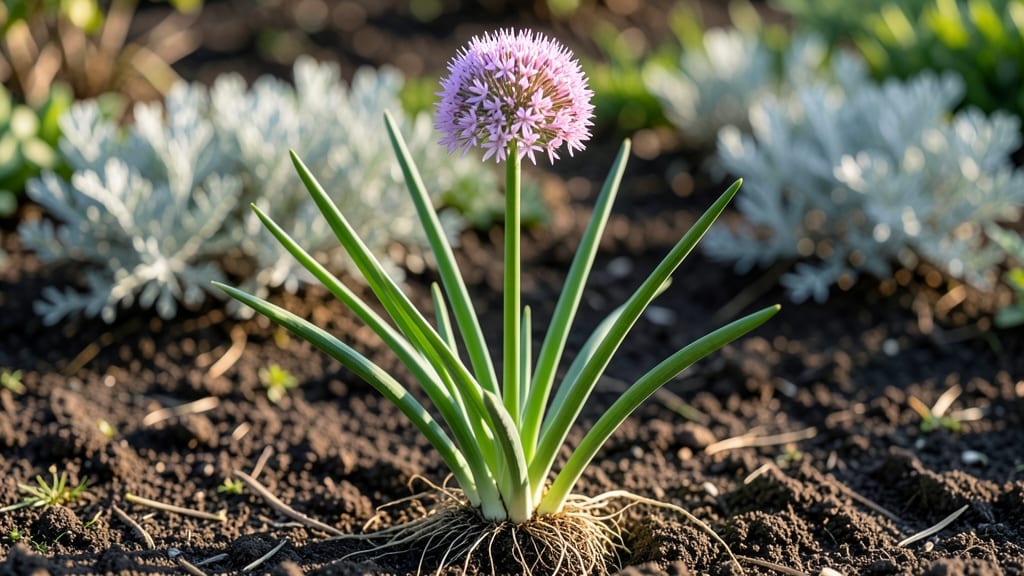
Those purple starburst blooms of wild onions aren’t just pretty—they’re a pollinator magnet and a sign your plants are thriving. 🌸 I’ve learned the hard way that letting a few flower actually boosts next year’s harvest, but timing matters.
Let’s talk about how to spot them, encourage more blooms, and decide whether to harvest seeds or let them spread naturally.
Wild onions bloom in late spring to early summer, sending up tall stems with spherical clusters of tiny white or purple flowers. The key to encouraging blooms is giving plants at least two years to establish strong roots before flowering.
Overwatering or over-fertilizing can delay blooms, so let them grow naturally in well-draining soil with minimal intervention.
Once they flower, you’ve got options: save seeds for next season (they’re easy to collect and store), use the blooms in edible garnishes (they’re mild and onion-y), or let them go to seed naturally to spread your favorite varieties.
Just be warned—wild onions are aggressive spreaders, so contain them if you don’t want them taking over.
The real magic happens when you let a few plants bloom—they’ll attract bees, butterflies, and other pollinators to your garden while also producing seeds for future harvests. It’s a win-win for both your garden and your dinner table. Ready to make the most of those purple starbursts?
📚 In This Guide
- What you need
- Instructions
- Tips and common mistakes
- Wrapping up and next steps
What you need
- ● Wild onion seeds or bulbs: Seeds: 1–2 oz (30–60g) per 100 sq ft (for scattered planting)
- ● Bulbs: 50–100 bulbs per 100 sq ft (for clumping or naturalized look)
- ● Garden soil: Well-draining, slightly sandy loam (pH 6.0–7.5)
- ● Compost or organic matter: 2–3 cups per planting hole (to enrich soil)
- ● Watering can or hose with a gentle spray nozzle
- ○ Garden gloves (optional but recommended) – Protects hands from sharp onion edges!
- ● Mulch (straw or shredded leaves) – Helps retain moisture and suppress weeds
- ● Organic fertilizer (low-nitrogen, like 5-5-5) – Apply sparingly if soil is nutrient-poor
- ● Pollinator-friendly companion plants (e.g., lavender, yarrow, or bee balm) – Enhances blooms and attracts more visitors
- ● Row covers or netting (early season) – Protects seedlings from pests like deer or rabbits
- ● Pruning shears – For trimming spent blooms to encourage regrowth
- ● Sunlight: Full sun (6+ hours daily) for optimal blooming
- ● Climate: Hardy in USDA Zones 3–9; thrives in cool to moderate temperatures
- ● Timing: Seeds: Plant in early spring or late summer (6–8 weeks before first frost)
- ● Bulbs: Plant in fall (4–6 weeks before ground freezes) or early spring
- ● Watering: Keep soil consistently moist (not soggy) until established; drought-tolerant once mature
How to encourage wild onion blooms for stunning purple starbursts
Here's how I coax wild onions to send up those dramatic purple blooms that pollinators can't resist.
🌱 Step 1: Identify and Select Healthy Wild Onion Plants
Wild onions thrive in full sun and well-draining soil, so start by finding plants in open meadows or sunny garden edges. Look for healthy, mature clumps with 3-4 inch tall leaves—these are ready to bloom. Avoid plants with yellowing leaves or browned tips, as they're stressed and won't flower well.
I always check for purple streaks along leaf edges—this is your first sign they're preparing to bloom. Gently pull up a small section of the clump, making sure to keep the root intact. You'll see small bulbs forming at the base; these are your future blooms.
☀️ Step 2: Provide Full Sun and Reduced Watering
Wild onions need at least 6 hours of direct sun daily to trigger flowering. If your plants are in partial shade, move them to a sunnier spot now. I've found that morning sun with afternoon shade works best in hot climates—it prevents leaf scorch while still giving enough light for blooms.
Here's the key: reduce watering gradually over two weeks. Water deeply once every 7-10 days until the soil feels dry 2 inches down. This stress signals the plant to focus energy on flowering instead of leaf growth. You'll see the leaves start to yellow slightly at the tips—that's normal and exactly what you want.
💧 Step 3: Fertilize Lightly for Bloom Production
Use a low-nitrogen, high-phosphorus fertilizer (like 5-10-5 ratio) to encourage flowering. Mix 1 tablespoon per gallon of water and apply directly to the soil around the base, not the leaves. I apply this once every 3 weeks starting when you first see the purple streaks.
Too much nitrogen will make your onions produce more leaves instead of flowers. You'll know you've got the balance right when you see tight flower buds forming at the top of the stems. These buds will eventually open into those stunning purple starbursts that attract bees and butterflies.
⏰ Step 4: Watch for and Support the Blooming Process
Wild onion blooms typically appear 4-6 weeks after reducing water and fertilizing. You'll notice the flower stalks first—tall, slender stems rising above the leaves. These can be delicate, so I gently tie them to small stakes if they're in windy areas. This prevents them from bending and snapping before they open.
Once the buds form, keep the soil lightly moist—water when the top inch feels dry. This ensures the blooms stay vibrant and last longer. You'll see the buds open into star-shaped purple flowers over 5-7 days. Each flower lasts only a day, but new buds will continue opening for 2-3 weeks.
🌿 Step 5: Maintain and Enjoy the Pollinator Magnet
After blooming, the flower stalks will turn brown and die back. Leave them in place until they've completely dried—this provides seed heads that birds love. You can cut back the dead foliage in late fall, but I often leave some for winter interest and to protect the base from frost.
The real reward comes when you see bees, butterflies, and other pollinators visiting your garden. Wild onion blooms are a magnet for these beneficial insects, and they'll keep coming back as long as you maintain the plants. Plus, you'll have fresh wild onions to harvest from the same clumps next spring!
Tips & tricks for growing stunning wild onion blooms
These simple strategies will help you transform ordinary wild onions into vibrant pollinator magnets.
Selection Tip: In Step 1, when choosing plants, focus on clumps with leaves that are 3-4 inches tall but still firm. Soft or floppy leaves indicate stress, while crisp, upright leaves mean the plant has stored enough energy for blooming. I also look for bright green color without brown spots—this shows the plant is healthy and ready to flower. The purple streaks along leaf edges are your best indicator they're preparing to bloom.
Light Strategy: For Step 2, if your wild onions are in partial shade, move them gradually over 3-4 days to avoid shocking the plants. Sudden full sun exposure can cause leaf scorch, which defeats the purpose of encouraging blooms. Place them where they get morning sun and afternoon shade—this balance prevents stress while still providing the light needed for flowering. Watch for slight leaf yellowing at the tips; this is normal and actually helps trigger blooming.
Fertilizer Timing: When applying the low-nitrogen, high-phosphorus fertilizer in Step 3, start the moment you see those telltale purple streaks. This timing is crucial because the plant is already signaling it wants to flower. Apply the fertilizer once every 3 weeks—more frequent applications can actually reduce blooming by encouraging leaf growth instead. I always apply it in the early morning so the nutrients have time to absorb before the heat of the day.
Bloom Support: In Step 4, when those delicate flower stalks appear, use bamboo stakes or small twigs tied with soft twine to support them. This prevents the stalks from bending over under their own weight or in windy conditions. The stakes should be inserted gently alongside the plant, not through the root system. Once the buds form, maintain light soil moisture by watering only when the top inch feels dry—this keeps the blooms vibrant without causing them to wilt.
Pro Tips for Wild Onion Blooms
- These simple strategies will help you transform ordinary wild onions into vibrant pollinator magnets.
- Selection Tip: In Step 1, when choosing plants, focus on clumps with leaves that are 3-4 inches tall but still firm.
- Light Strategy: For Step 2, if your wild onions are in partial shade, move them gradually over 3-4 days to avoid shocking the plants.
Frequently asked questions
about wild onion blooms—because every gardener deserves a little clarity! Whether you're curious about timing, pests, or how to use them, we’ve got answers to save you time and frustration.When do wild onion blooms typically appear?
Wild onion blooms usually emerge in late spring to early summer (May–June in most regions), though timing depends on climate and planting. If your onions are mature but not flowering, check soil moisture—too much water can delay blooms. Pro tip: Harvest scallions before flowering for the best flavor!
Why are my wild onion blooms attracting pests?
Wild onion flowers are a magnet for pollinators (like bees and butterflies), but aphids or thrips may also visit. To deter pests, spray neem oil or introduce ladybugs. Fun fact: These blooms support local ecosystems—just monitor for overcrowding!
Can I eat wild onion blooms, or should I remove them?
You can eat the flowers (edible and mild onion-y!) in salads or garnishes, but removing them encourages more bulb growth. If you’re growing for bulbs, snip blooms early to redirect energy underground. Bonus: Save seeds for next year’s garden!
What’s the best way to propagate wild onion from blooms?
Let flowers go to seed, then collect and dry them. Plant seeds in well-draining soil in fall or early spring. Alternatively, divide mature clumps in spring—they’re hardy and spread easily! Warning: Avoid overcrowding; thin seedlings to 6 inches apart.
Will wild onion blooms survive frost?
Most wild onion varieties are hardy to Zone 3, but blooms may wilt in early frost. Cut back dead foliage in fall, but leave some stalks for seed collection. Mulch helps protect roots—just remove mulch in early spring to encourage regrowth. Tip: Harvest bulbs before frost for cooking!
Wrapping up and next steps
Wild onion blooms aren’t just a feast for the eyes—they’re a vibrant lifeline for pollinators and a low-maintenance way to add drama to your garden. Their striking purple starbursts transform ordinary spaces into pollinator hotspots, proving that beauty and function go hand in hand. 🌿✨
Ready to invite more butterflies, bees, and birds into your yard? Start small—plant a few bulbs this season and watch your garden thrive with color and life! For even more impact, share your blooms with neighbors or local green spaces to create a pollinator-friendly community.