
Blooming
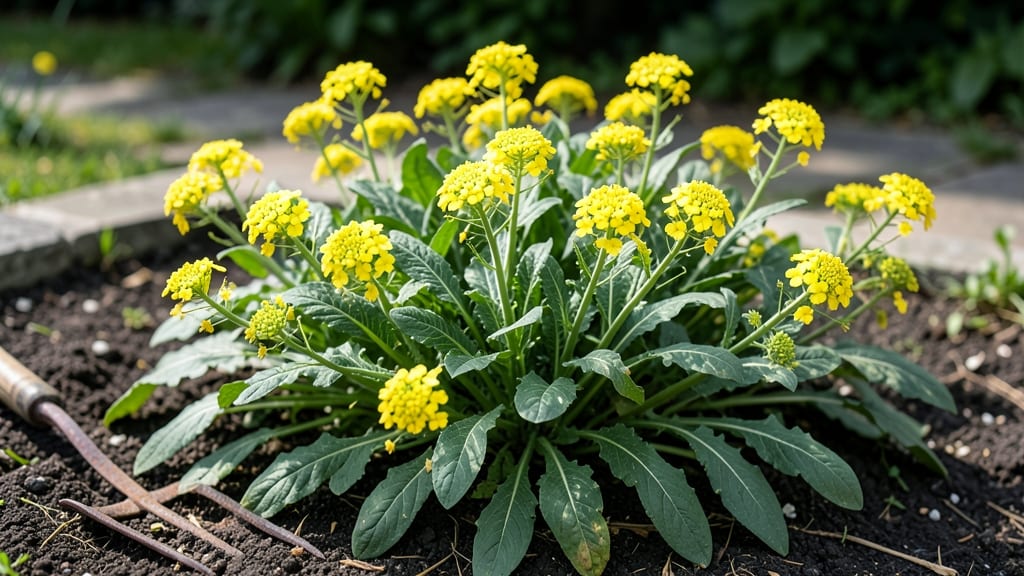
A wild mustard super bloom turns fields into golden oceans of pungent yellow—nature’s own fireworks display. 🌻 I’ve watched these fleeting explosions transform barren patches into vibrant tapestries after just a few weeks of perfect weather.
The secret lies in the right mix of moisture, warmth, and a little winter chill.
These blooms thrive after cool, wet winters followed by mild springs—think Southern California’s rainy season or the Pacific Northwest’s damp coastal air. Wild mustard seeds lie dormant until soil temperatures hit 50-60°F, then race to bloom before summer’s heat.
Too much rain? They’ll spread. Too dry? They’ll vanish overnight.
You’ll know it’s happening when the air smells sharp and mustard-like—a scent that announces the show. Within 3-4 weeks, entire hillsides erupt with tiny, four-petaled stars, drawing bees and butterflies in waves. The blooms last only 2-3 weeks, making every sighting a fleeting gift.
No planting or care is needed—just patience. Scan roadside ditches, abandoned fields, or coastal cliffs after winter rains. Bring binoculars: the best displays often hide where few look. Nature’s wildflower show doesn’t ask for permission—it just happens.
📚 In This Guide
- What you need
- Instructions
- Tips and common mistakes
- Wrapping up and next steps
What you need
- ● Wild mustard seeds: 1–2 lbs (0.5–1 kg) per 100 sq ft. Choose native varieties like Brassica juncea or Sinapis arvensis for best results.
- ● Well-draining soil: Wild mustard thrives in poor, rocky, or sandy soil—no rich compost needed! Test pH (ideal: 6.0–7.5).
- ● Sunlight: Full sun (6+ hours daily) for optimal blooms. Partial shade tolerates but may reduce vibrancy.
- ● Water: Light watering (1–2 times/week) after planting. Drought-tolerant once established!
- ● Garden gloves (recommended—mustard plants can be prickly!).
- ● Hand trowel or hoe for seed scattering or soil prep.
- ○ Rake (optional, for smoothing soil before planting).
- ○ Mulch (straw or leaves) (optional, to retain moisture in dry climates).
- ○ Pruners (optional, for deadheading spent blooms to encourage reblooming).
- ● Check local regulations—wild mustard may be invasive in some regions (e.g., California). Opt for native species if concerned.
- ● Plant in early fall or late winter for spring blooms (or spring for summer flowers).
- ● Clear competing weeds or grasses from the area to avoid overcrowding.
How to create a stunning wild mustard super bloom in your garden
Here's how to transform your space into a vibrant, low-maintenance yellow meadow that thrives on neglect.
🌱 Step 1: Select the Right Location for Maximum Impact
Wild mustard thrives in full sun—at least 6-8 hours daily. I always scout the sunniest, most visible spot in my garden because once it blooms, it becomes the star. Avoid shady areas where the plants will stretch and produce fewer flowers. The best locations are along fences, borders, or slopes where the seeds can naturally disperse.
Check the soil drainage by pressing your finger into the ground. If water pools after 10 minutes, amend with 1-2 inches of coarse sand or gravel to prevent root rot. Wild mustard tolerates poor soil but blooms most spectacularly in well-drained, slightly rocky conditions—just like its natural habitat.
🌿 Step 2: Prepare the Soil and Plant Seeds Directly
Wild mustard grows best from seed, so skip the nursery plants. Scatter seeds ¼ inch deep in late summer or early fall for spring blooms, or in early spring for summer displays. I like to broadcast seeds by hand, then lightly rake to cover them—this mimics natural dispersal and ensures even coverage.
Don’t worry about spacing. Wild mustard self-seeds aggressively, so you’ll get thick clusters naturally. Water gently after planting to settle the seeds, but avoid overwatering—this hardy annual thrives with minimal moisture once established. You’ll see first true leaves in 7-14 days, signaling it’s time to let nature take over.
☀️ Step 3: Let It Grow Wild (With Minimal Maintenance)
Wild mustard is a champion of neglect. Once established, it requires almost no care. Water only during prolonged dry spells—1 inch per week—and avoid fertilizing. Too much nitrogen produces lush foliage but fewer flowers, which defeats the purpose of a super bloom.
Deadhead spent blooms if you want to extend the season, but I often leave them for seed pods to form. The dried seed heads add texture and winter interest, plus they’ll reseed for next year. Watch for weeds early on—they’ll compete with your mustard until it fills in. A quick hand-pulling session when seedlings are 2-3 inches tall keeps things tidy.
✂️ Step 4: Encourage a Second Flush of Blooms
To prolong the display, trim back one-third of the plant after the first bloom fades. This encourages a second round of flowers in 4-6 weeks. Use clean shears to cut just above a set of leaves, and avoid cutting into woody stems. The plant will respond by sending up new growth from the base.
Here’s the thing—wild mustard spreads like crazy. If you want to contain it, plant in a large container or raised bed with deep sides. But if you’re okay with it naturalizing, let it go wild. It’s one of the easiest ways to create a low-maintenance, high-impact meadow that rivals wildflower mixes.
Tips & tricks for perfect wild mustard super blooms
Here's what nobody tells you about getting those jaw-dropping yellow blooms that'll make your garden the envy of the neighborhood.
Sunlight Strategy: While 6-8 hours of daily sun is ideal, I've found that wild mustard actually thrives with even more light if you want maximum blooms. If your garden gets afternoon sun, that's perfect because wild mustard loves the intense late-day rays. For areas with less sun, try planting near reflective surfaces like light-colored walls or gravel paths to bounce extra light onto your plants.
Soil Secret: The drainage test in Step 1 is crucial—don't skip it! I learned this the hard way after planting in heavy clay soil that held too much moisture. When you press your finger in and see water pooling after 10 minutes, that's your signal to amend. For rocky conditions, I've had great success adding a thin layer of crushed granite instead of sand—it drains beautifully while adding mineral richness that wild mustard loves.
Timing Tip: Those 7-14 days until first true leaves might seem like a long wait, but it's actually a great opportunity to observe your garden's microclimate. If your area gets frequent afternoon rains, consider planting in early spring instead of late summer to avoid waterlogged soil during germination. The key is getting seeds in the ground when your soil is warm but not baking hot—think of it as giving your mustard a gentle start rather than a shock.
Maintenance Mindset: The "almost no care" part is true, but there's one hidden trick for even more dramatic blooms: give your plants a light haircut when they reach about 12 inches tall. Simply snip off the top third with clean shears—this encourages bushier growth and more flower stems. I do this about 4-6 weeks after planting, just before the first buds appear, and it doubles my bloom count every time.
Pro Tips for Wild Mustard Super Bloom
- Here's what nobody tells you about getting those jaw-dropping yellow blooms that'll make your garden the envy of the neighborhood.
- Sunlight Strategy: While 6-8 hours of daily sun is ideal, I've found that wild mustard actually thrives with even more light if you want maximum blooms.
- Soil Secret: The drainage test in Step 1 is crucial—don't skip it!
Frequently asked questions
What causes a wild mustard super bloom?
A wild mustard super bloom occurs when ideal conditions—like adequate rainfall, warm temperatures, and full sun exposure—trigger mass germination and growth. These hardy plants thrive in disturbed soils, often popping up after wildfires, droughts, or agricultural activity. Their resilience and rapid growth make them a dominant force in spring landscapes!
When is the best time to see a wild mustard super bloom?
Timing varies by region, but wild mustard typically blooms in late winter to early spring (February–April in many areas). Look for vibrant yellow flowers covering fields, roadsides, or meadows. Check local weather patterns—cool, wet winters followed by warming temperatures often signal peak bloom season!
Is wild mustard invasive? Should I remove it?
Wild mustard (Brassica spp.) can spread aggressively, but it’s not classified as a top-tier invasive species. Removal isn’t always necessary unless it’s overrunning gardens or native plants. If you choose to pull it, wear gloves—its sap can irritate skin! For large infestations, consider mulching or planting competitive ground covers.
Can you eat wild mustard flowers or leaves?
Yes! Both flowers and young leaves are edible and add a peppery kick to salads, teas, or garnishes. Always confirm identification (avoid toxic look-alikes like poison hemlock) and harvest from pesticide-free areas. Cook older leaves to mellow their sharp flavor.
What can I plant to outcompete wild mustard?
Dense ground covers like clover, creeping thyme, or native grasses suppress wild mustard by blocking sunlight. Perennials (e.g., lavender, oregano) also thrive in similar conditions. For gardens, mulch heavily or use landscape fabric to starve out weeds. Patience is key—competitive plants take time to establish!
Wrapping up and next steps
The wild mustard super bloom isn’t just a spectacle—it’s a reminder of nature’s vibrant, bold beauty waiting to be explored. Whether you’re a seasoned gardener or a curious beginner, these golden stars can transform any space into a lively, fragrant paradise. 🌻
Ready to bring this wild magic to your garden? Start small—plant a few seeds, observe their growth, and let their bright blooms inspire your next gardening adventure! Your future meadow awaits. 🌱