
Blooming
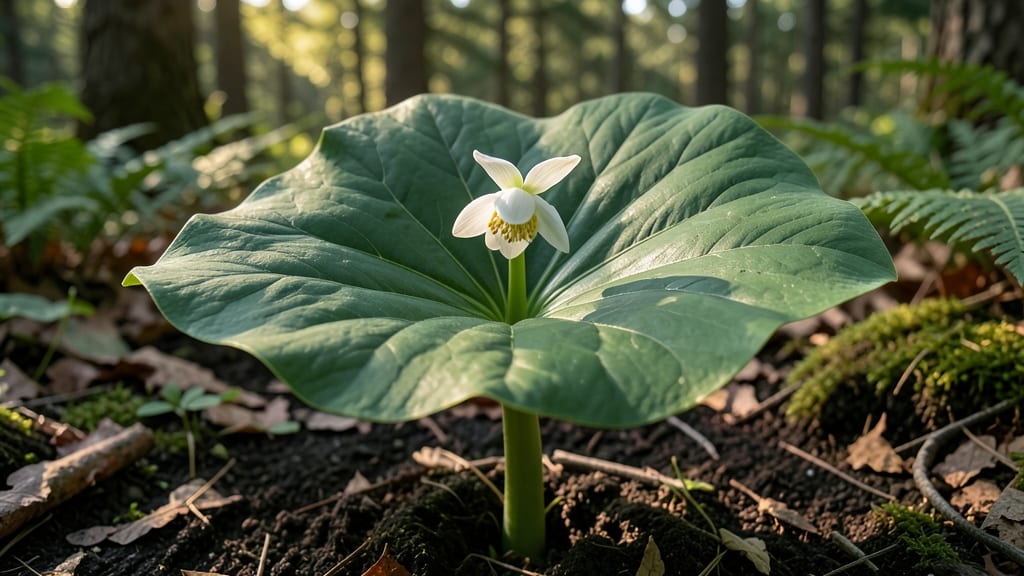
Those delicate white may apple blooms appear in late spring, like ghostly lanterns peeking through the forest floor. 🌿 I’ve spent years tracking their emergence, and there’s nothing like finding a patch of them—each bloom lasting just 24 hours before transforming into the iconic may apple fruit.
The timing varies by region, but they’re always a fleeting, magical sight. Native to eastern North America, may apples thrive in shady, moist woodlands where they spread slowly via underground rhizomes.
Unlike many wildflowers, they return to the same spot year after year, making them a reliable (if patient) garden addition. The key to encouraging blooms is mimicking their natural habitat—dappled shade and rich, well-draining soil.
Once you spot them, you’ll recognize the single, waxy-white flower with six petals and a subtle vanilla scent. The fruit that follows is the real prize—a round, pale green berry that ripens in late summer. (Just don’t eat it raw—it’s toxic until fully cooked!)
These plants are low-maintenance but reward you with decades of blooms if given the right conditions. If you’re in the Pacific Northwest, blooms may appear as early as April, while southern gardens might see them in May or June.
For best results, avoid disturbing the roots and keep the soil consistently moist. They’re not just pretty—they’re a living piece of forest history.
📚 In This Guide
- What you need
- Instructions
- Tips and common mistakes
- Wrapping up and next steps
What you need
- ● May apple seeds (Podophyllum peltatum): 5–10 seeds (or 2–3 young plants if transplanting). Note: Seeds require stratification (cold treatment) for germination—see tips below!
- ● Well-draining soil: A mix of 60% topsoil, 30% compost, and 10% perlite/sand (for aeration). May apples thrive in acidic to neutral pH (5.0–7.0).
- ● Mulch: 2–3 inches of wood chips or shredded leaves to retain moisture and suppress weeds.
- ● Watering can or hose: With a gentle spray nozzle (may apples dislike soggy roots!).
- ● Garden trowel or hand shovel (for digging holes 1–2 inches deep and 2x the root ball width).
- ○ Gloves (optional but recommended—may apple leaves can irritate skin!).
- ● Pruners (for trimming dead leaves or dividing mature plants in early spring).
- ○ pH testing kit (optional but helpful if your soil is unknown).
- ● Location: A shady to partially shady spot (dappled sunlight is perfect!). Avoid full sun—may apples hate heat and dry soil.
- ● Climate: Hardy in USDA Zones 3–9. Plant in early spring or fall for best results.
- ● Patience: Seeds can take 1–2 years to sprout, and blooms appear after 3–5 years of growth! 🐢
- ● Wildlife-friendly additions: Nearby host plants for butterflies (like milkweed) or a small water feature to attract pollinators.
- ● Epsom salt (magnesium sulfate): 1 tbsp mixed into planting holes for foliage health.
- ● Label markers (to track planting dates—may apples spread slowly!).
How to identify and care for may apple blooms in the wild
These elusive woodland blooms reward patience—here’s how to spot and nurture them sustainably.
🌿 Step 1: Locate May Apple Colonies in Early Spring
May apples (Podophyllum peltatum) bloom in March–April before their iconic umbrella-shaped leaves unfurl. Look for single white flowers emerging from the forest floor in shady, moist woodlands—often near deciduous trees like maple or beech. The blooms appear alone, not in clusters, and their delicate, waxy petals reflect morning light.
I always scan north-facing slopes first, where the soil stays cooler and damper longer. The flowers last just 3–5 days, so timing matters. If you find a patch, mark its location with a discreet flag (or a mental note) to return later—disturbing the roots can take years to recover.
☀️ Step 2: Observe and Protect the Blooming Cycle
May apples thrive in dappled shade with 60–70% sunlight—never full sun, which scorches their sensitive leaves. The flowers self-pollinate, but bees and flies occasionally visit. If you’re documenting the plant, avoid touching the blooms: their sap contains podophyllotoxin, a compound toxic to humans and pets.
Watch for new shoots emerging 2–3 inches tall by late April. These young plants are vulnerable to deer browsing, so I’ve seen entire colonies wiped out overnight. If you’re in a high-deer area, consider light fencing (even temporary) around the perimeter to give them a fighting chance.
🌱 Step 3: Monitor Leaf and Fruit Development
After blooming, the plant produces large, peltate leaves that resemble an umbrella. These leaves photosynthesize for 3–4 months before dying back—leaving behind red berries that ripen in late summer. The berries are highly toxic (even deadly if ingested), so never handle them without gloves.
This is the plant’s energy-storage phase. The roots swell with starches, ensuring next year’s bloom. If you’re harvesting (for medicinal use only—consult an expert first), dig only mature plants with multiple leaves and never take more than 10% of a colony. Use a clean, sterilized knife to minimize root damage.
⏰ Step 4: Prepare for Next Year’s Blooms
May apples are perennial, but their blooms are unpredictable—some years they skip flowering entirely. To encourage future blooms, mulch lightly with 1–2 inches of leaf litter in fall. This mimics their natural woodland habitat and protects roots from freeze-thaw cycles.
By November, the leaves yellow and die back. This is your cue to avoid the area until late winter—disturbing dormant roots can trigger rot or pest attraction. If you’re tracking a colony, note the leaf shape and berry count each year; healthy plants produce 5–10 berries per stem. Fewer than 3 suggests stress.
🌿 Step 5: Ethical Wild Harvesting (If Applicable)
If you’re collecting may apples for traditional medicinal use (e.g., poultices for warts), only harvest from non-protected areas and never take the root. Cut the stem 1–2 inches above ground level with sterilized shears, leaving the root intact. Dry the rhizomes in a well-ventilated, dark space for 2–3 weeks before storage.
Real talk: Most may apple populations are declining due to habitat loss and overharvesting. If you’re unsure about sustainability, skip harvesting entirely—admire from a distance instead. The plant’s slow growth rate (sometimes 10+ years between blooms) makes it one of the most fragile woodland perennials.
Tips & tricks for perfect may apple bloom care
Finding and nurturing these woodland gems takes patience—here’s how to give them the best chance to thrive.
Timing is Everything: Those 3–5 days of bloom in March–April are critical. I’ve learned to set a reminder on my phone for early spring walks—miss this window, and you might wait another year. The flowers appear before leaves unfurl, so scan the forest floor carefully. If you spot a patch, mark it discreetly (I use small flags tied to nearby branches) to avoid disturbing the roots during their delicate blooming phase.
Light Conditions Matter: May apples thrive in dappled shade with 60–70% sunlight, never full sun. I’ve watched entire colonies wither when exposed to direct afternoon rays, which scorch their sensitive leaves. If you’re observing a patch, note the surrounding tree canopy—ideal spots have a mix of sunlight filtering through deciduous trees like maple or beech. This balance is what keeps them healthy for their 3–4 month photosynthesizing period.
Protect Young Shoots: The 2–3 inch tall new shoots emerging in late April are particularly vulnerable. Deer browsing can devastate colonies overnight, and I’ve seen entire patches disappear after just one night. In high-deer areas, consider temporary light fencing (even simple wire mesh) around the perimeter. The goal is to let the plants establish their root systems without stress—remember, these blooms can take 10+ years to return after disturbance.
Ethical Harvesting: If you’re collecting for medicinal use, stick to the 10% rule—never take more than 10% of a colony. I always use sterilized shears to cut stems 1–2 inches above ground level, leaving the root intact. The rhizomes need to dry for 2–3 weeks in a dark, ventilated space, and I’ve found that harvesting only mature plants with multiple leaves ensures the colony’s survival for future blooms.
Pro Tips for May Apple Bloom
- Finding and nurturing these woodland gems takes patience—here’s how to give them the best chance to thrive.
- Timing is Everything: Those 3–5 days of bloom in March–April are critical.
- Light Conditions Matter: May apples thrive in dappled shade with 60–70% sunlight, never full sun.
Frequently asked questions
Got questions about may apple blooms? You’re not alone!
Here are some of the most common inquiries—and their answers—to help you navigate this fascinating wildflower.
When is the best time to see may apple blooms?
The may apple (Podophyllum peltatum) typically blooms in late spring to early summer (April–June), depending on your region. Look for its delicate, nodding white flowers just as the leaves unfurl. If you miss the bloom, don’t worry—the plant’s distinctive umbrella-shaped leaves and fruit (the "may apple") appear later in the season.
Can I plant may apple in my garden?
While possible, may apples are wild, invasive perennials that spread aggressively via underground rhizomes. They thrive in shady, wooded areas but may outcompete native plants in gardens. If you’re set on growing them, plant in contained spaces and monitor spread. Alternatively, admire them in their natural habitat—no planting required!
Are may apple berries safe to eat?
No—never eat may apple berries!
While the fruit was historically used by Indigenous peoples (cooked to remove toxins), raw or improperly prepared may apples are highly toxic, causing severe nausea, vomiting, or even paralysis. Stick to admiring their unique shape and texture from afar. The plant’s sap is also irritating—wear gloves if handling.
Why do may apple flowers droop so much?
The nodding, droopy blooms are a natural adaptation to attract pollinators like flies and beetles. The flowers’ scent and position mimic rotting flesh, tricking insects into visiting. Once pollinated, the flowers straighten slightly, and the leaves and fruit emerge. It’s a clever survival trick—no cause for concern if you spot them!
How can I identify may apple in the wild?
May apples are easy to spot with these key traits:
- Leaves: Large, umbrella-shaped, peltate (stem attaches to the center of the leaf).
- Flowers: Small, white, and drooping on a single stem.
- Fruit: Green, apple-like berries (toxic) that turn yellowish when ripe.
- Habitat: Shady forests, often near streams or moist areas.
Compare these features to similar plants like wild ginger or trillium to avoid mix-ups.
Wrapping up and next steps
The may apple bloom is a true marvel of nature—a resilient, perennial wildflower that brightens forests with its delicate beauty year after year.
Whether you’re admiring its unique charm, learning to identify it, or even harvesting its edible fruit (with caution!), this plant reminds us of the quiet magic hidden in our wild spaces. 🌿
Now that you’re armed with knowledge, why not take the next step? Plan a spring hike to spot may apples in the wild, share your discoveries with fellow nature lovers, or even start a small may apple patch in your garden.
Every bloom is a celebration of persistence—just like the plant itself!