
Blooming
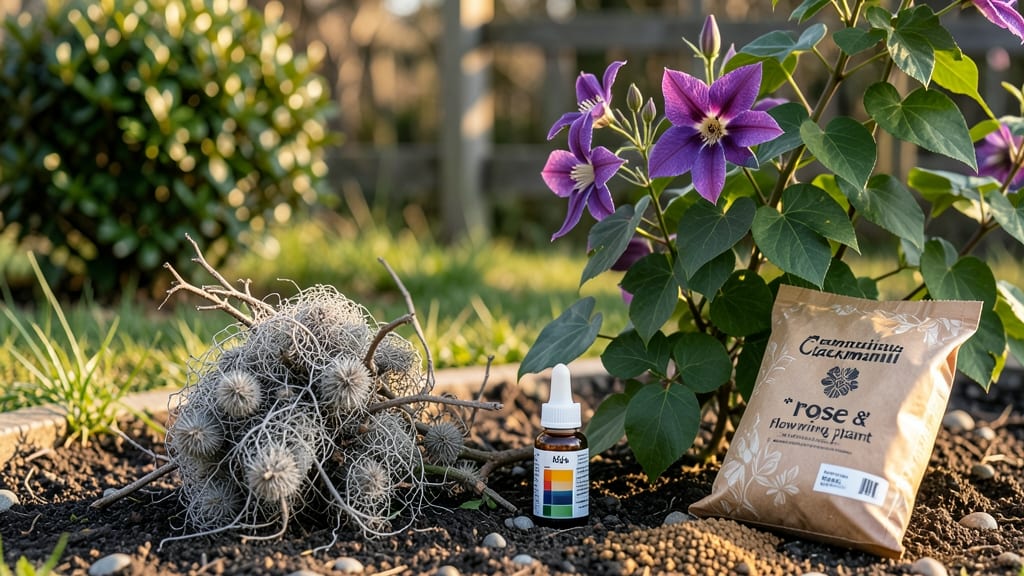
Why isn’t your clematis blooming? It could be starving for sunlight—or overpruned last winter. 🌿 I’ve nursed back more than a dozen struggling vines by fixing just these three basics: light exposure, pruning timing, and water consistency.
The good news? Most blooming failures come down to one of these, and the fixes are simpler than you think.
First, check your sunlight. Clematis need 6+ hours of direct sun daily, but too much afternoon sun in hot climates can scorch blooms. If your vine’s leaves look pale or leggy, it’s either not enough light or too much heat.
Next, examine last year’s pruning—cutting at the wrong time (or too aggressively) can delay blooms by months. And don’t overlook water: inconsistent moisture stresses roots, while soggy soil rots them.
You’ll see the first signs of recovery in 4-6 weeks: fresh green growth, then buds forming along last year’s stems. The key is patience—clematis reward careful adjustments with vibrant, repeat-blooming vines by summer. Even my most stubborn vine turned around after one season of proper care.
Works for all clematis types (early bloomers, late bloomers, and evergreens), and the fixes apply whether your vine climbs a trellis or sprawls along the ground. Let’s get those blooms back—here’s exactly how to diagnose and fix each issue.
📚 In This Guide
- What you need
- Instructions
- Tips and common mistakes
- Wrapping up and next steps
What you need
- ● Garden gloves – A pair (nitrile or leather) to protect your hands while pruning or handling plants.
- ● Sharp pruning shears – Bypass pruners (4-6 inch blades) for clean cuts.
- ● Trowel or small shovel – For gently inspecting roots or adjusting soil around the base.
- ○ Moisture meter (optional but helpful) – To check soil hydration levels accurately.
- ● pH test kit – Soil pH strips or a digital tester (aim for 6.5–7.0 for clematis).
- ● Balanced fertilizer – Slow-release granules (10-10-10 or 5-10-5 NPK ratio) or liquid bloom booster.
- ● Mulch – Organic options like shredded bark or compost (2-3 inches thick).
- ● Support structure (if needed) – Trellis, arbor, or stakes to ensure proper airflow and light exposure.
- ● Growth regulator (like Paclobutrazol) – For stubborn woody stems (use sparingly!).
- ● Slow-release phosphorus-rich fertilizer (e.g., bone meal) to encourage blooming.
- ● Reflective mulch or white plastic sheeting – To boost light in shady spots temporarily.
- ● Camera or phone – To document stem health, leaf color, and blooming nodes for tracking progress.
How to fix a non-blooming clematis: light, water, and pruning secrets
Here’s the straightforward approach I’ve used to revive stubborn clematis vines—no guesswork, just proven fixes.
☀️ Step 1: Check and Adjust Light Exposure
Clematis needs 6-8 hours of direct sunlight daily, but most vines fail because they’re planted too deep or shaded by competing plants. Start by observing where your vine gets light—if it’s under a tree or in a north-facing spot, that’s your first problem. Move it to a location with morning sun and afternoon shade if your climate is hot.
Here’s the thing—if your clematis is already planted, you can’t move it. Instead, trim back nearby trees or shrubs to open up the canopy. You’ll see new growth within 2-3 weeks if light is the issue, and that’s your signal it’s working.
💧 Step 2: Water Deeply and Consistently
Dry soil stresses clematis, causing them to focus on survival instead of blooming. Water 1-2 inches per week, but don’t just sprinkle the top layer—dig your finger 6 inches deep to check moisture. If it’s dry, you’re not watering enough. I use a soaker hose to deliver water slowly at the base, which prevents fungal issues.
Real talk: Overwatering is just as bad. If the soil stays soggy, roots rot and blooms never form. You’ll know you’re doing it right when the top 2 inches of soil feel damp but not wet after watering.
✂️ Step 3: Prune Correctly Based on Flowering Type
This is where most gardeners mess up. Group 1 clematis (early bloomers) should be pruned right after flowering, while Group 3 (late bloomers) need a hard prune in early spring. If you’re not sure which type you have, look at your vine: if it blooms on old wood, prune lightly; if it blooms on new growth, cut back 1/3 of the vine each year.
Don’t skip this—if you prune at the wrong time, you’ll remove next year’s flower buds. I mark my calendar for late February to early March to prune Group 3 varieties, and I never cut back more than 12 inches at a time to avoid shocking the plant.
🌿 Step 4: Feed for Strong Growth and Blooms
Clematis is a heavy feeder, and most gardeners underfeed it. Use a balanced fertilizer (10-10-10) in early spring, then switch to a phosphorus-heavy formula (5-10-5) when buds form. I apply fertilizer every 4-6 weeks during the growing season, but never after mid-summer—late feeding encourages leafy growth over blooms.
You’ll notice a difference in 3-4 weeks if the plant was starving. Look for darker green leaves and more vigorous new shoots—those are signs it’s getting the nutrients it needs.
⏰ Step 5: Watch for Pests and Diseases
Clematis often struggles with aphids, spider mites, or fungal issues like powdery mildew, all of which stress the plant and reduce blooms. Inspect leaves regularly for sticky residue (aphids) or webbing (spider mites). If you see them, spray with neem oil or insecticidal soap—both are safe and effective.
For fungal issues, improve airflow by pruning nearby foliage and avoid overhead watering. A healthy clematis won’t just bloom—it’ll thrive. If you catch problems early, you’ll save yourself a lot of frustration down the line.
Tips & tricks for reviving stubborn clematis vines
Between us, these small tweaks make all the difference when your clematis just won't cooperate.
Light Exposure Insight: If your vine isn't getting the required 6-8 hours of sunlight, it will focus all its energy on survival rather than blooming. I've seen vines that were planted too deep—roots need to stay close to the surface for optimal light absorption. For existing plants, trim back overhanging branches or move nearby plants to create that perfect light window. You'll know it's working when you see fresh green growth appearing within those first 2-3 weeks.
Watering Wisdom: The 6-inch deep check is non-negotiable—surface watering creates thirsty roots that never get satisfied. I've made the mistake of assuming my irrigation system was doing enough, only to find the soil was bone dry below the surface. Use a moisture meter or your finger to verify that water reaches down to where the roots actually are. And remember, soggy soil is just as deadly as dry soil—aim for that damp-but-not-wet texture in the top 2 inches after watering.
Pruning Precision: That 1/3 annual prune for new-growth bloomers is crucial—any more than that and you risk removing next year's flower buds. I mark my calendar for late February to early March because that's when Group 3 varieties are just waking up. For the unsure gardeners, here's a quick test: if your clematis blooms on last year's wood, prune lightly; if it blooms on new growth, go ahead with that 1/3 cut. Never remove more than 12 inches at once, or you'll shock the plant into survival mode.
Fertilizer Timing: The switch from 10-10-10 to 5-10-5 when buds form is what makes the difference between leafy vines and blooming beauties. I've seen gardeners continue fertilizing through summer, only to end up with lush foliage and no flowers. Apply that phosphorus boost every 4-6 weeks during active growth, then stop completely after mid-summer. You'll see the results in those 3-4 weeks with darker green leaves and vigorous new shoots.
Pro Tips for Why Isn'T My Clematis Blooming
- Between us, these small tweaks make all the difference when your clematis just won't cooperate.
- Light Exposure Insight: If your vine isn't getting the required 6-8 hours of sunlight, it will focus all its energy on survival rather than blooming.
- Watering Wisdom: The 6-inch deep check is non-negotiable—surface watering creates thirsty roots that never get satisfied.
Frequently asked questions
Got questions about why your clematis isn’t putting on a show? You’re not alone! Here are some of the most common concerns—and their solutions—to get those blooms back on track.
Why does my clematis have leaves but no flowers?
Clematis often prioritizes foliage over flowers if it’s not getting enough sunlight (6+ hours daily) or balanced nutrients. Check your plant’s location—shady spots or overcrowded roots can starve it of energy for blooms. A light trim to open up the canopy and a phosphorus-rich fertilizer (like 5-10-10) can help shift its focus to flowers!
Is it too early/late for my clematis to bloom?
Most clematis bloom in spring or summer, but timing depends on the variety. Early bloomers (Group 1) flower on old wood and may need a post-bloom prune to encourage next year’s flowers. Late bloomers (Groups 2-3) thrive on new growth—prune right after flowering to avoid cutting off next season’s buds. Check your plant’s label or ask a local nursery for specifics!
Could overwatering or underwatering be the issue?
Both extremes can stress clematis. Overwatering leads to root rot, while underwatering causes drought stress—neither helps blooming. Aim for 1-1.5 inches of water weekly, keeping soil evenly moist but not soggy. Mulch around the base (but avoid the stem) to retain moisture and regulate temperature. Yellowing leaves? That’s your cue to adjust!
Did I prune my clematis at the wrong time?
Timing and technique matter! Group 1 clematis (early bloomers) should never be pruned until after they flower. Groups 2-3 can be pruned in early spring (before new growth) to shape and encourage blooms. If you pruned too late, don’t panic—just avoid heavy cuts next year and focus on sunlight and nutrients to bounce back!
Pests or diseases are killing my blooms—what now?
Common culprits like clematis wilt (fungus), aphids, or slugs can sap energy meant for flowers. Prevent pests with neem oil or insecticidal soap, and treat fungal issues by removing infected stems and improving air circulation. Healthy soil + proper spacing = fewer problems! If in doubt, snap a photo and consult a local extension service for a diagnosis.
Wrapping up and next steps
Don’t let a lack of blooms dim your gardening spirit—your clematis just needs a little tender love and troubleshooting! 🌸 The key is often balancing light, water, and pruning while keeping an eye on soil health and plant type.
Start with small adjustments, like ensuring it gets the right sunlight or pruning at the correct time, and watch those flowers return with enthusiasm.
Ready to revive your clematis? Grab your gloves, pick one fix from this guide, and give it a try this season. With patience and care, you’ll be rewarded with a stunning, blooming vine in no time!