
Blooming
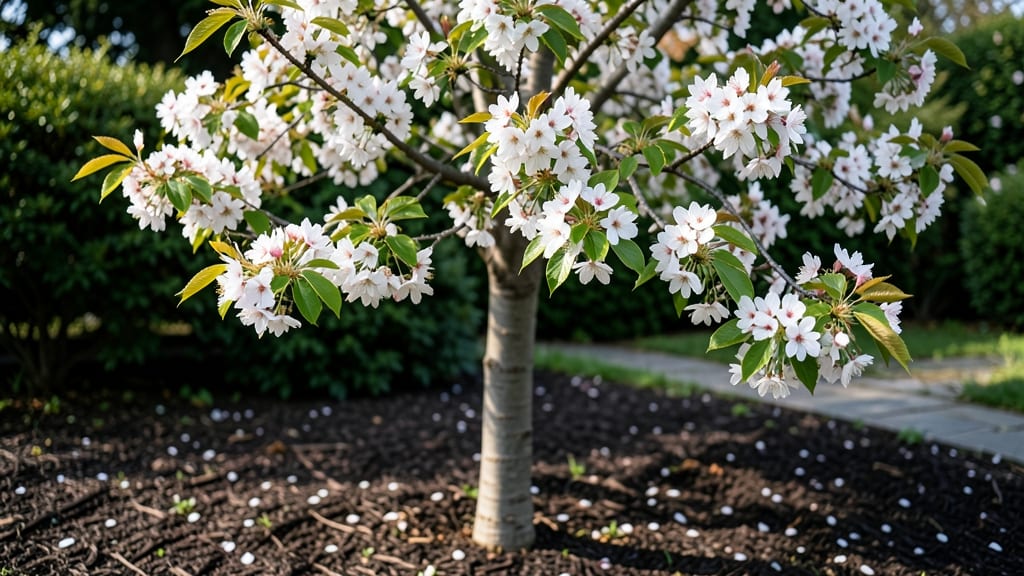
A white blooming cherry tree turns your yard into a springtime dream. 🌸 The delicate clouds of blossoms create a fragrant canopy that transforms any outdoor space into a serene retreat. These trees aren't just pretty—they're versatile.
Plant one as a stunning focal point, pair it with azaleas for layered color, or use it to frame a patio for natural shade. Varieties like 'Kwanzan' or 'Autumn Brilliance' offer seasonal interest beyond spring, with vibrant fall foliage.
Pruning in late winter keeps the shape elegant and encourages abundant blooms. Just remove crossing branches and thin out dense areas for airflow. With proper care, your tree will reward you with decades of beauty. Perfect for small yards, large landscapes, or even urban courtyards.
Their adaptability makes them a top choice for gardeners who want year-round interest with minimal fuss.
📚 In This Guide
- What you need
- Instructions
- Tips and common mistakes
- Wrapping up and next steps
What you need
- ● White blooming cherry tree: Choose between: Bare-root (dormant season, best for fall/winter planting)
- ● Container-grown (year-round, ideal for immediate planting)
- ● Sapling (smaller, great for DIY growers)
- ● Planting hole: 2–3x wider than the root ball + 12–18" deep (adjust for soil type).
- ● High-quality soil: Mix 1/3 native soil + 2/3 compost/well-draining amendment (e.g., peat moss, coconut coir, or aged bark).
- ● Organic mulch: 2–4" layer of wood chips or shredded bark (keep 6" away from trunk).
- ● Slow-release fertilizer: 10-10-10 or balanced organic (e.g., fish emulsion or compost tea).
- ● Shovel or spade (for digging).
- ● Garden fork or trowel (for loosening soil).
- ● Wheelbarrow or bucket (for mixing soil amendments).
- ● Measuring tape (to mark planting depth).
- ● Watering can or hose (with gentle spray nozzle).
- ● Pruning shears (sterilized, for shaping or trimming roots if needed).
- ● Gloves (heavy-duty for handling roots/soil).
- ● Root stimulator (e.g., Mycorrhizal fungi powder for faster establishment).
- ● Tree stake & ties (if planting in windy areas).
- ● Drip irrigation system (for consistent moisture in dry climates).
- ● Soil pH tester (cherry trees prefer slightly acidic 6.0–7.0).
- ● Tree guard or fabric wrap (to protect young bark from pests).
Step-by-step guide to planting and caring for a white blooming cherry tree
Here's how to give your fragrant cherry tree the perfect start for years of stunning spring blooms.
🌱 Step 1: Choose the Right Location and Prepare the Soil
Select a spot with full sun exposure (6-8 hours daily) and room to grow—mature white blooming cherry trees reach 20-30 feet tall. I always test the soil pH first (ideal range is 6.0-7.0) using a simple test kit from the garden center. If your soil is too alkaline, mix in 2-3 inches of compost to improve drainage and fertility.
Dig a hole twice as wide as the root ball but no deeper—this prevents soil from settling and burying the trunk too deeply. Loosen the sides of the hole with a shovel to encourage root spread. The key here is patience—amend the native soil before planting rather than backfilling with fresh mix, which can create a root barrier.
🪴 Step 2: Plant Your Tree at the Right Depth and Support It
Place the tree in the center of the hole so the top of the root ball sits 1-2 inches above ground level. This prevents water from pooling around the trunk and causing rot. Fill the hole halfway with native soil, then water deeply to settle it. Spread the roots gently if they're circling the root ball—this encourages outward growth.
Add a 3-inch layer of mulch (avoid wood chips near the trunk) and water again until moisture reaches 12 inches deep. I always install a tree stake only if needed—use two stakes at a 45-degree angle tied loosely with soft fabric. Over-tightening can girdle the trunk as it grows. The goal is to let the tree establish itself naturally.
☀️ Step 3: Water Deeply and Maintain Consistent Moisture
Water your new tree 2-3 times per week for the first 6-8 weeks, providing 1-2 gallons per watering depending on soil type. Sandy soil drains fast, so you'll need to water more frequently. Check moisture by sticking your finger 2 inches deep—if it feels dry, water again. Overwatering is the biggest mistake here—soggy soil suffocates roots.
Once established, your cherry tree will tolerate drought better, but deep watering once a week keeps the blooms abundant. I always water in the morning so the foliage dries quickly, reducing fungal risks. The first year is critical—consistent moisture helps the roots spread beyond the root ball and anchor the tree for years of blooms.
✂️ Step 4: Prune for Structure and Health in Late Winter
Prune your white blooming cherry tree in late winter or early spring before buds swell, using clean, sharp pruners. Remove any dead, crossing, or rubbing branches first—these compete with the tree's energy. I always make cuts just outside the branch collar (the swollen area where the branch meets the trunk) to promote fast healing.
Thin out about 20% of the canopy to improve airflow and sunlight penetration. Avoid heavy pruning—cherry trees bloom on last year's growth, so aggressive cuts reduce next year's flowers. The goal is to shape the tree while preserving its natural form. After pruning, apply a 1-inch layer of mulch around the base (keep it 6 inches from the trunk) to retain moisture and suppress weeds.
🌿 Step 5: Fertilize and Protect for Long-Term Beauty
Apply a balanced, slow-release fertilizer (10-10-10) in early spring and again in mid-summer, following package rates. White blooming cherry trees aren't heavy feeders, so over-fertilizing leads to leafy growth at the expense of flowers. I always water deeply after fertilizing to help nutrients penetrate the soil.
Watch for pests like aphids or borers—treat infestations early with horticultural oil or insecticidal soap. The fragrant blooms attract pollinators, so avoid broad-spectrum pesticides. In fall, rake up fallen leaves and fruit to reduce disease risk. With proper care, your tree will reward you with spectacular white blooms for decades—and yes, those petals make the best spring confetti for your garden.
Tips & tricks for perfect white blooming cherry tree planting
These practical insights will help you avoid common pitfalls and maximize your tree's potential for stunning spring blooms.
Sunlight Strategy: While the instructions mention full sun (6-8 hours daily), I've found that morning sun is especially beneficial for white blooming cherries. Position your tree where it receives direct morning sunlight and gentle afternoon shade if your climate gets extremely hot. This balance prevents leaf scorch while still providing the light intensity needed for abundant blooms. The key is observing how your tree responds—if leaves start curling, it might need more shade.
Root Ball Preparation: Before planting, soak the root ball in water for 30-60 minutes to ensure the roots are fully hydrated. This simple step prevents transplant shock and helps the tree establish more quickly. I also recommend gently teasing out any circling roots with your fingers—this encourages outward root growth rather than a tight root ball that can strangle itself. The goal is to mimic natural root spread from the start.
Mulching Mastery: That 3-inch layer of mulch is crucial, but here's what nobody tells you: refresh it annually. Over time, mulch breaks down and loses its insulating properties. I use a mix of shredded bark and compost—this combination retains moisture while slowly releasing nutrients. Just remember to keep it 6 inches away from the trunk to prevent rot. The mulch acts like a blanket for your tree's roots, especially during those first critical months.
Watering Wisdom: The 2-3 times per week guideline is perfect, but timing matters just as much. I've learned that watering in the morning (before 10 AM) gives the foliage plenty of time to dry, reducing fungal risks. For the first 6-8 weeks, I set a timer to remind me—new tree owners often forget how critical consistent moisture is during establishment. The soil should feel damp 2 inches down, not soggy. Think of it like giving your tree a daily drink rather than a weekly bath.
Pro Tips for White Blooming Cherry Tree
- These practical insights will help you avoid common pitfalls and maximize your tree's potential for stunning spring blooms.
- Sunlight Strategy: While the instructions mention full sun (6-8 hours daily), I've found that morning sun is especially beneficial for white blooming cherries.
- Root Ball Preparation: Before planting, soak the root ball in water for 30-60 minutes to ensure the roots are fully hydrated.
Frequently asked questions
Got questions about your white blooming cherry tree? You’re not alone! Here are some of the most common queries—plus quick, practical answers to keep your tree thriving.
When is the best time to plant a white blooming cherry tree?
Plant your tree in early spring or fall when temperatures are mild (50–70°F). Avoid extreme heat or frost, which can stress young roots. If planting in spring, do it before buds swell—this gives roots time to establish before summer’s intensity. For fall, aim for 6–8 weeks before the first frost.
How much sunlight does a white blooming cherry tree need?
These trees thrive in full sun (6+ hours daily) for optimal blooms and growth. While they tolerate partial shade, expect fewer flowers and weaker structure. If your yard has limited sun, choose a dwarf variety or plant near a south-facing wall to maximize light exposure.
Why aren’t my cherry tree’s flowers opening this year?
Several factors can delay blooms: late frost (damaging buds), poor nutrition (lack of phosphorus/potassium), or stress (drought/root issues). Check for brown, mushy buds (frost damage) or yellow leaves (nutrient deficiency). Water deeply, fertilize in early spring, and protect buds with frost cloth if frost is forecasted.
Are white blooming cherry trees prone to pests or diseases?
Yes, but prevention is key! Common issues include:
- Cherry leaf spot: Fungal disease causing dark spots. Solution: Prune infected leaves, apply fungicide in spring, and avoid overhead watering.
- Borers: Insects tunneling into bark. Solution: Inspect for holes, seal wounds with pruning paint, and attract predators like birds.
- Powdery mildew: White fungal coating. Solution: Improve airflow, water at the base, and spray with neem oil.
Can I grow a white blooming cherry tree in a container?
Dwarf varieties (like ‘Stella Compact’) work well in large containers (15+ gallons) with drainage holes. Use a well-draining potting mix and repot every 2–3 years. Note: Container trees won’t grow as large or bloom as prolifically as in-ground trees. Place them in full sun and water consistently—containers dry out faster!
Pro Tip:
For extra fragrance, plant your cherry tree near seating areas or pathways. Pair it with clematis or roses to extend your spring blooms and attract pollinators!
Wrapping up and next steps
A white blooming cherry tree isn’t just a springtime spectacle—it’s a year-round investment in beauty, fragrance, and even ecosystem support. Whether you’re drawn to its delicate blossoms, shade-providing branches, or wildlife-friendly appeal, this tree offers endless rewards with minimal fuss. 🌸
Ready to transform your space? Start by researching your local climate and choosing the right variety—then take the plunge! Planting one is the first step toward a fragrant, vibrant future. Your garden (and pollinators) will thank you!